Leaderboard



Popular Content
Showing content with the highest reputation on 07/31/2018 in all areas
-
22 points
-
I do the same. Even if it has been locked up in my hangar and I am the only one with access to it I still sump before the next flight. I know the odds of finding water in the tanks when there was none there before, it has been locked up, and there hasn't been rain for months (assuming rain could find it's way somehow magically inside the hangar and into my tanks) is next to zero. However I still do it because it is part of my pre-flight routine and if I "always" do it then the chances of me forgetting to do it are reduced.6 points
-
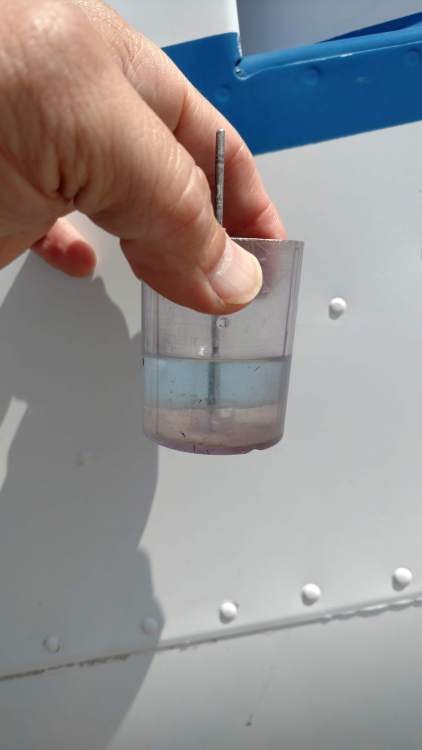
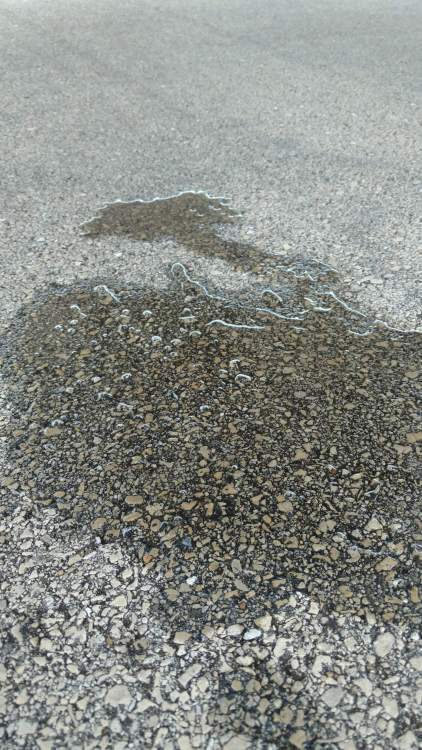
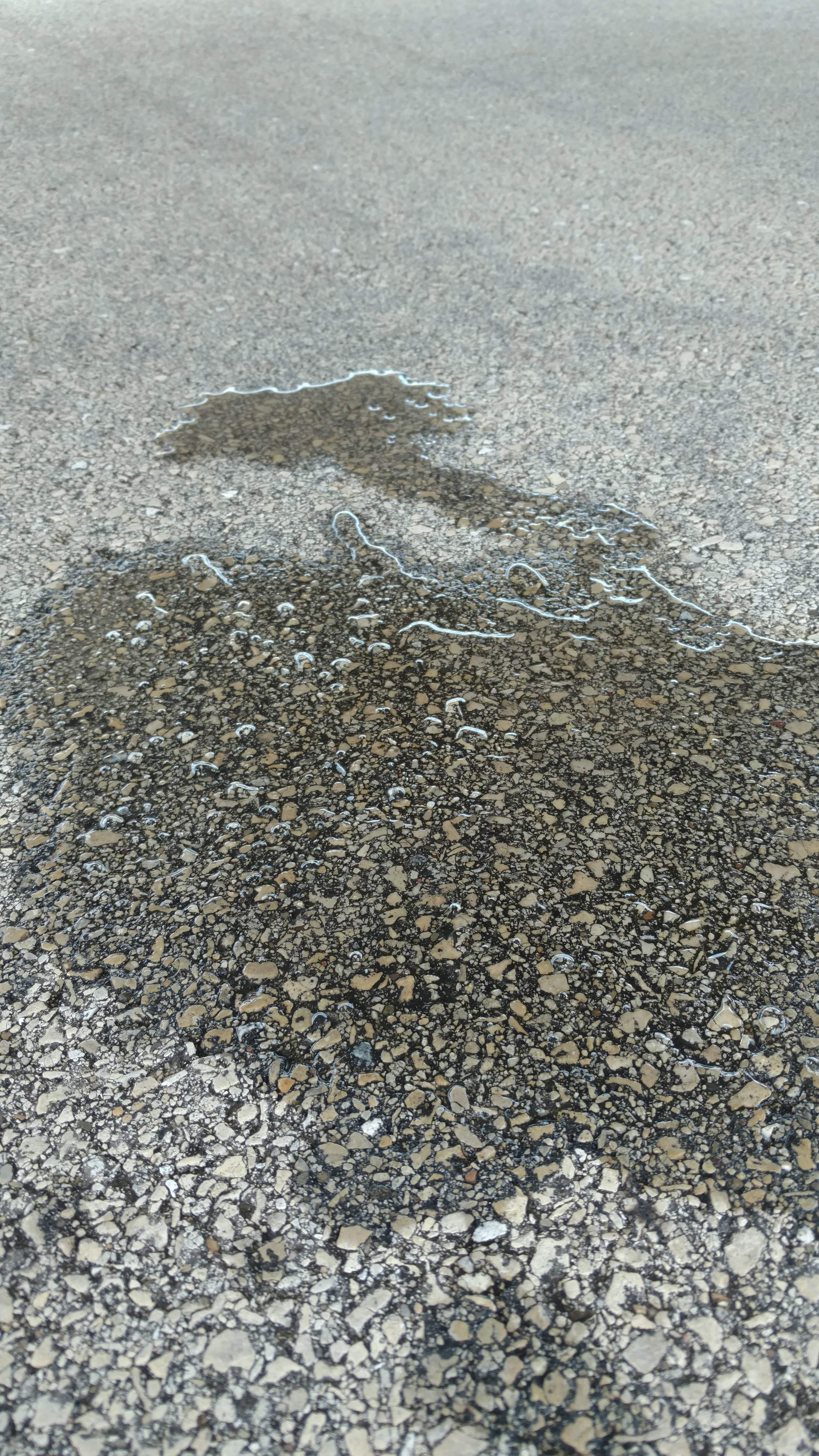
Since fuel starvation is a leading cause of GA accidents, when I bought my plane I made a promise to myself (and my wife) that I would do everything in my power to never have a fuel related crash. A large portion of keeping this promise is to sump the fuel at least each time the plane sits outside or is refueled even when I want to blow it off.Today it paid off...After coming back from my two-day trip and readying the plane for the flight home, this is what I found in the sump of the tank that was just refueled :O This picture of the cup is AFTER four full samples had been taken. The first three samples were nothing but water. I noticed it was clear instead of blue and didn't smell. It took eight samples to fully clear the water out. The second pic is what water look like when dumped on the ramp. Be careful out there guys and gals! Had I taken off with this much water in the tank, I doubt I would be writing this now.
 5 points
 -
Posting just for fun as I've already had my turn at "show-n-tell", but this is our business promo vehicle. We seem to have quite a few car guy and bike guys so thought I'd toss this out just for fun. There is a GM 350 under the hood. Not a daily driver, but fun for business promo events. Makes absolutely no sense, but fun at promo and charity events. -Tom
 5 points
 -
I always do, on the rare occasion I am in the back seat. If anyone is in my car I also remind them (usually a problem with just teenagers) to wear them correctly, not down across their arm. Constantly had to remind my wife's teenage daughter to wear it correctly. One day she was in the backseat of a friend's car with the shoulder belt across her arm instead of over the shoulder when her friend rear-ended someone on an on-ramp going about 20 mph. She ended up crumpled on the floor boards in the backseat because the seat belt couldn't do its job. Thankfully no major injuries but she had a lot of bruises. I didn't have to remind her again to wear it correctly... Alex, it was the first thing I did with my plane when I got it. The left side was a bear to get the bracket on but the right side was a piece of cake. With everything else you have done on your plane I am sure it is well within your capabilities to do yourself and then get inspected and signed off. Just know the LH is a pain, take your time and do it first. Then when you get the the RH you will breeze through it. My DPE won't fly in a plane without them. The school where I took my lessons doesn't have them in all the planes but when that DPE is coming they always make sure whichever plane he is in has them because they know he won't fly without them. His son years earlier had an off field landing that was going really well until it wasn't. He put the plane down in a field and just before touching down the wheels caught a small berm and it flipped the plane. His son spent months in the hospital and fortunately made a full recovery. He said that had the plane his son was flying had shoulder harnesses he likely would have walked away with minor injuries.4 points
-
Well deserved John! (Even if my old E parked in front of you turned more heads. )4 points
-
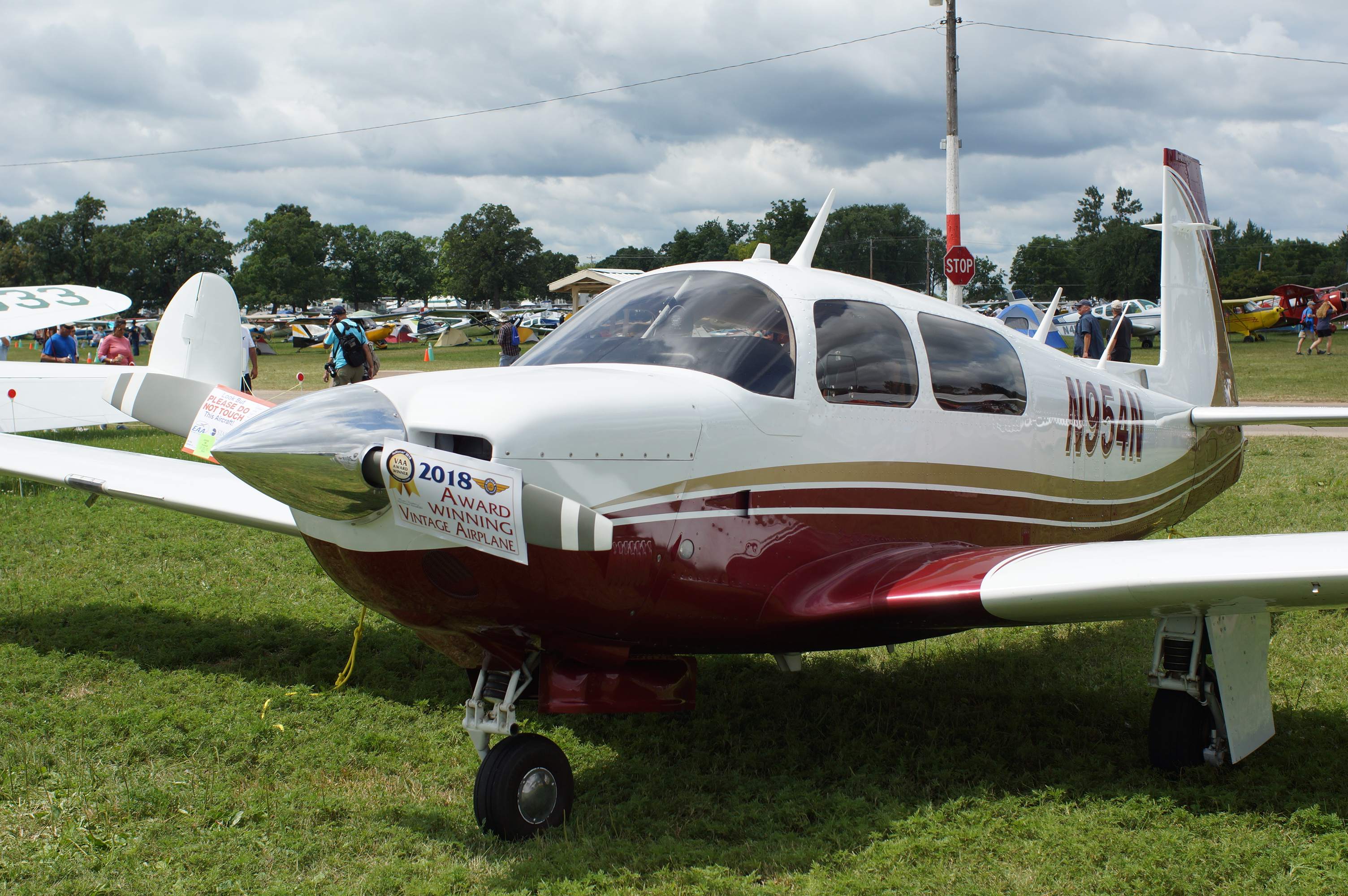
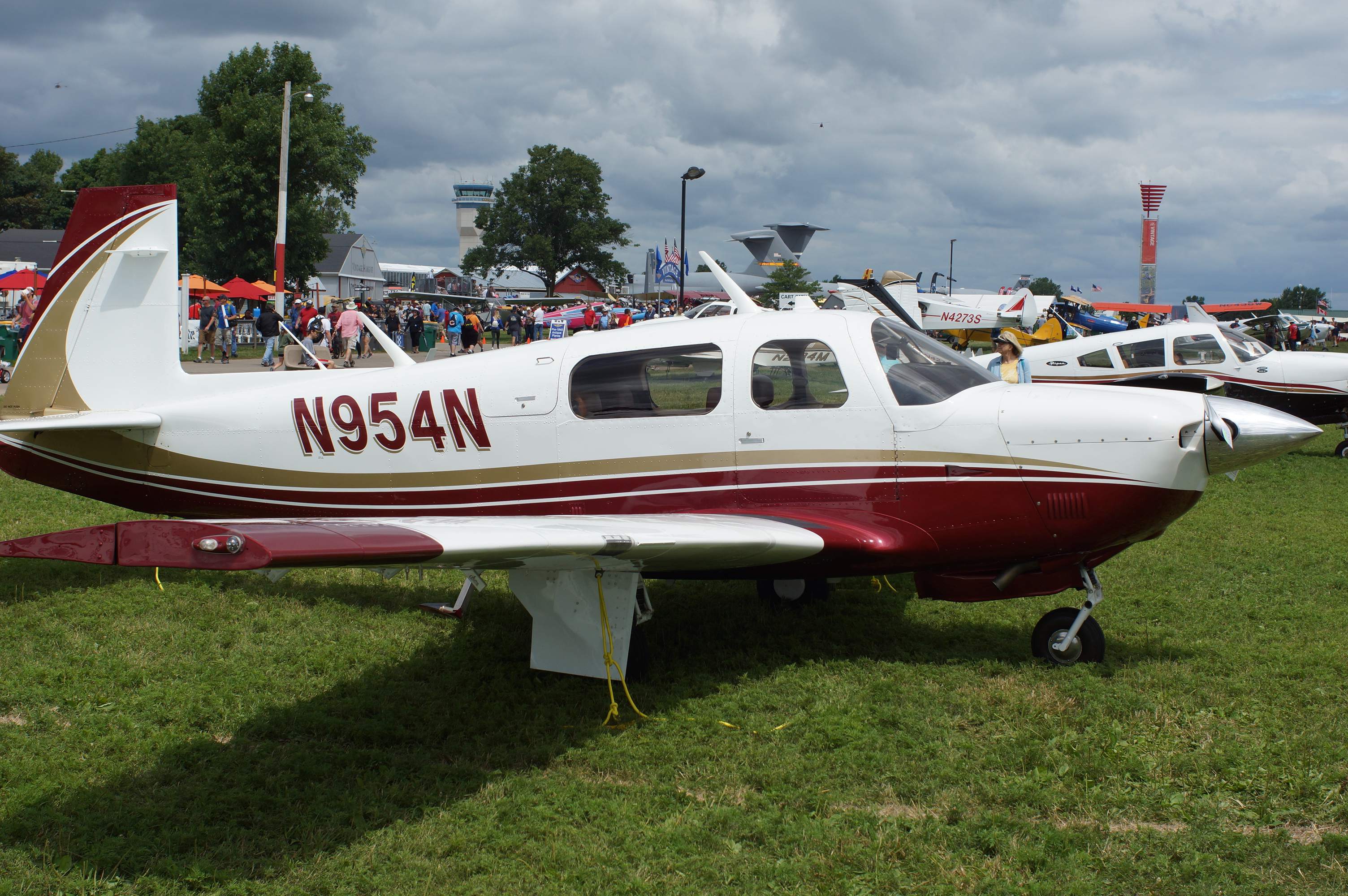
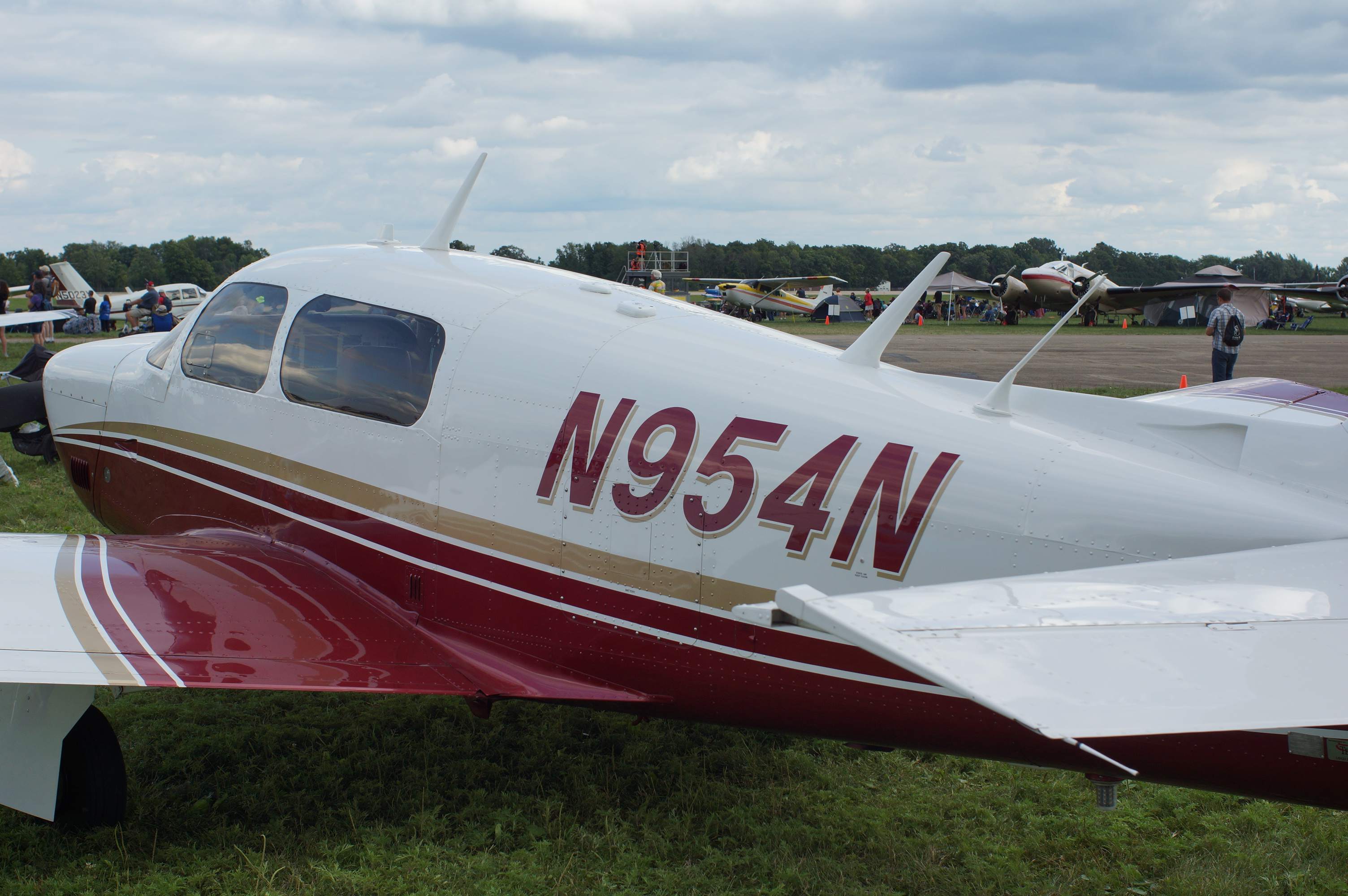
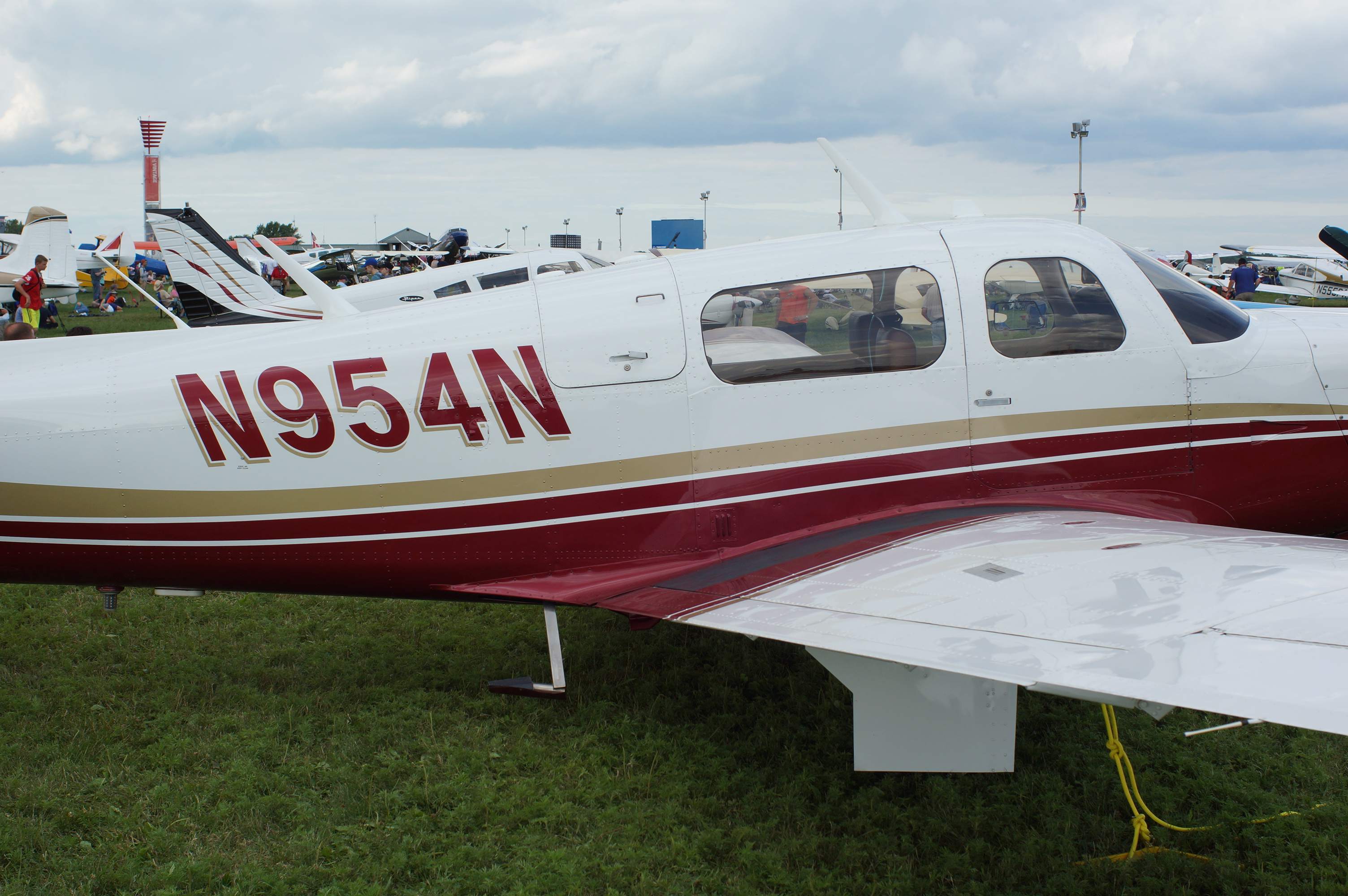
Just got back from Oshkosh. Flew over Friday morning to enter 954N into the Vintage Aircraft Competition and came home with an award in the Contemporary Class. John Breda4 points
-
Tomorrow I fly to CMA (tried to get PPR to land at NTD, but it was a no-go) and Uber over to the gate at NBVC - Pt. Mugu (née Pt. Mugu NAS), where I'll be escorted over to 3RM to fly her out. Replaced the fuel servo (possibly unnecessarily - the detached bit of ram air intake door seal in the throttle body was probably the only issue there, but it was already bought and paid for, so why not) and the mechanical fuel pump (definitely necessary, whatever else was going on seems to have caused a cascade partial failure, but looking at the cracking at the edges of the diaphragm, it was time to replace the pump in any case). I sent back the "new" pump (which, despite Aircraft Spruce's product page text at the time, was in fact a 62B26931, not a LW15473), and we've installed a rebuilt Tempest LW15473. In the process of all of that, the A&P noted a minor occasional miss, that's either plugs or wires (wires look original to the plane, '69). The mags are also coming up on IRAN, and the p-leads are crusty. I'm flying directly to CMA to have that work done, plus the baffles reinstalled correctly (they were put on wrong when the cylinders were replaced, about 350 hours ago, and were rubbing on the flywheel(!)). So the fuel system and spark system will be basically all new. Everything else looks great; mechanic says: "You have a solid airplane however some basic maintenance things have been neglected." So far, with the emergency landing, I'm in $3,000 in labor (including time waiting for a military escort onto the base, plus the hassles of working on a Navy ramp with only what tools you brought with you), $1700 (plus a $1000 core charge) for the fuel servo, $900 for the two fuel pumps (ultimately about $300 total, once I get the credit for the 62B26931 and the core charge refund on the LW15473). But hey, nothing bent, no one bruised. 5/7, would do again if necessary. Next, another $1,000 or so for all the other stuff (mags, wires, etc). Then I get to fly back out to Marana to have the S-Tec 30 pitch servo reinstalled (flat rate major service to correct "high start voltage" porpoising; $1325), the EDM-700 swapped for the EDM-730 (the -700 was on the fritz, it was going to be hundreds to fix, or $1200 to bump up to the -730 with the same wiring harness, no brainer)... Anyone need legal services? A couple of pints of blood?3 points
-
The Mooney Caravan leadership made a great call to hold the Caravan due to low ceilings and visibility on Saturday. They have established a set of go/no go weather minimums and were never presented with a weather window that met this criteria. Sunday early afternoon the weather improved greatly and all 62 Mooneys were lead safely to the North 40. Hats off to the Mooney Caravan Flight Ops and safety team.3 points
-
With all that fuel flowing around I'd be careful with those flames off the nose. Glad you got it sorted out.3 points
-
Welcome to ownership. It was a lot easier to throw the keys at the FBO desk and say “it’s running rough” isn’t it?3 points
-
We have to keep getting the Mooney name out there. These are highly modifiable birds and make for a pretty unique plane when updated. John Breda3 points
-
I disagree. I lived there for 6 years. I never once described the weather as nice. There is a occasional time that the weather is not as bad.3 points
-
We have carefully vetted the above dates for our Mooney Summit VII to avoid conflict with MAPA, the Caravan, MAPA safety foundation etc. We will have CAMI provide hypoxia training in the Prote reduce O chamber for us and we needed to confirm dates for their and our planning. Mark it on your calendar! We will open registration in late March once again.2 points
-
Matt - glad you caught this! I know the recommendation is to sniff the AvGas. Personally, as a chemist and knowing what is in it, I wouldn’t. Another way to check is to place a drop on a piece of white paper. If the fuel evaporates quickly, it is AvGas. If it leaves a residue or halo, it is Jet-A. Sent from my iPad using Tapatalk Pro2 points
-
Maybe the issue was that the “Mooney Museum” name was already taken. http://www.sarahamooneymuseum.org/ In reality, Mooneyspace is the Mooney museum. Keeping them flying!2 points
-
It doesn't have to sit well with everyone... only the one guy who bought the plane. He probably doesn't care. If they'd held an auction and sold off 1000 different items, much of it useless shit, but people purchase anyway to fund the museum, that's different. But this was only one item, sold to one person.2 points
-
I'm curious how someone was able to fit the massive duckbill spout into our small(er) opening.2 points
-
This was after several cups sumped from mine. I sumped it til it was all blue while shaking the wing between sumps, started on the other tank and then made several hard S turns for a mile down a taxiway and then got another few ounces of water out. I took off on the good tank while my passengers waited on the ground, flew over the field, switched tanks and flew aggressive turns and banks, switched back to the known good one, landed and sumped again, then picked up my passengers and went home, taking off on the tank that had not been contaminated. The cause was a line guy at KEYW improperly installing a fuel cap. I posted in another thread. Smell your fuel and verify the color. Had I not noticed the absence of the avgas smell, I might not have caught it.
 2 points
 -
I've flown with a deferred autopilot, definitely not a fun day. I also made sure that Dispatch and Maintenance Control knew that after 6 or 7 hours of duty time, we would be fatigued. If they wanted us to keep flying after that, they'd have to swap us into an airplane that had a working autopilot. Guess what- they found us another airplane. 14 hour duty day, 7.5 hours flight time, 6 legs. Makes me tired just thinking about having to do that again.2 points
-
Very good data there! It strongly suggests that I do NOT have a fuel flow issue. I guess I need to look elsewhere for my high CHTs and Oil Temp. Your data are a carbon copy of mine....except your CHTs look great!2 points
-
94 300z 2+2, non-turbo, automatic-perfect for my 16y/o (now 17). I wouldn't call it a restoration but a good bit of work done to get it ready for him. Of course now it has neon and an a loud subwoofer...ugggghh
 2 points
 -
@Raptor05121 I will give you the shoulder harness/seat belts out of my F when I upgrade to the AMSAFE airbags. I plan on doing the upgrade this fall as part of my annual. $3000 is not even aviation expensive and if it is ever needed it will be priceless.2 points
-
@AGL Aviationannuals several long bodies - Bravos, Ovations - and Mimi's Screaming Eagle this month. You might be able to get a ride home if you need it and are willing to fly in my lowly E.2 points
-
There MS goes again costing me money- I couldn't close the link without hitting the "Order" button...2 points
-
Matt, I appreciate the reminder. When I went to pick up my plane after buying it (in 2000), I sumped and found a significant amount of water. Since that time, I have never found another drop. It would be easy to become complacent, but for guys like you reminding us.2 points
-
red plane, white mustang. You're copying me.2 points
-
Why are you people so quick to drain the tanks? Waste all that Jet-A and 100 LL to flush it? Doesn’t it seem more logical to swap the Lycoming for a Pratt & Whitney? Before going to the trouble of draining tanks! Hang a PT6A on it and he'd have one serious Mooney! Think outside the box people!2 points
-
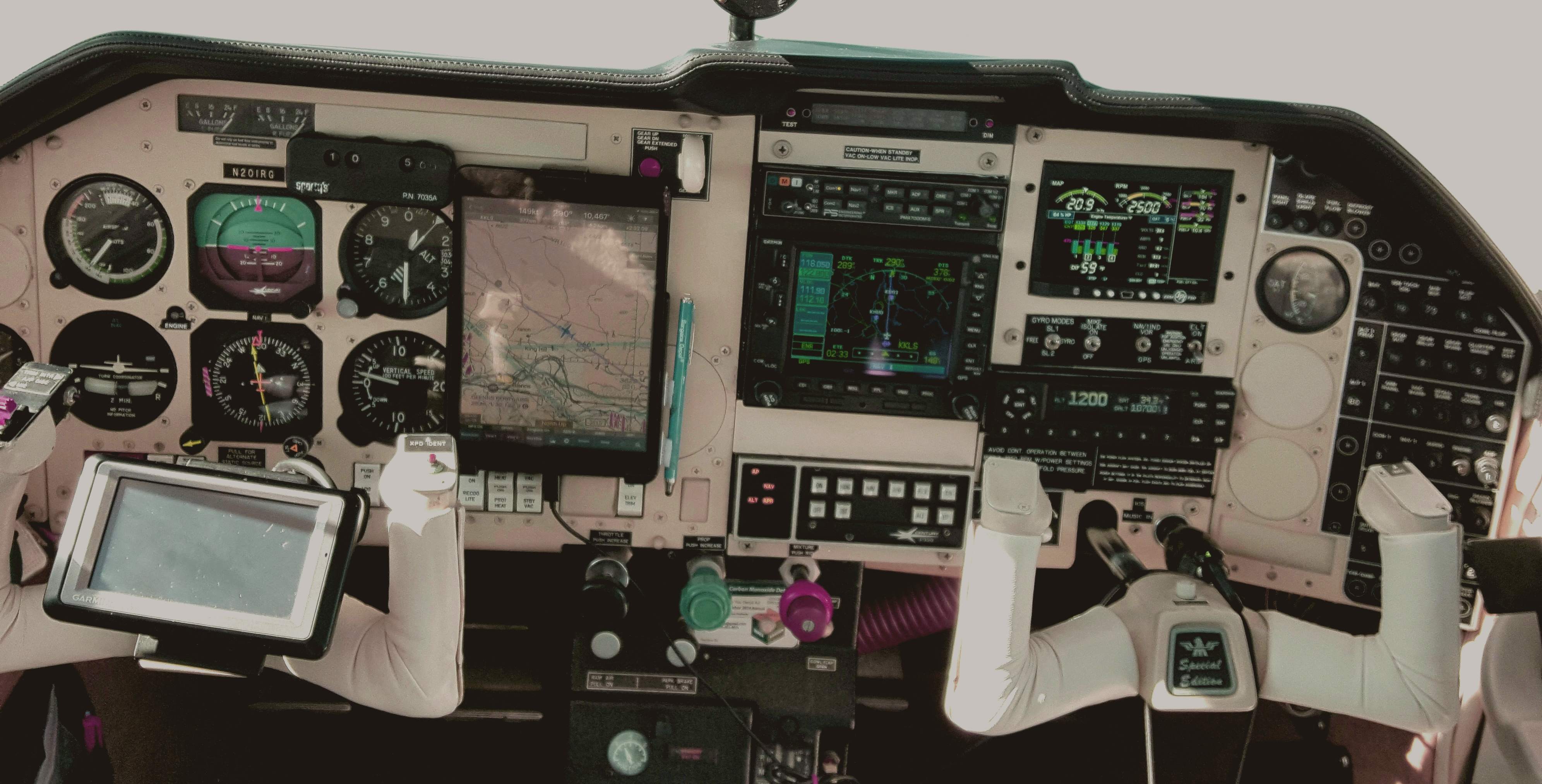
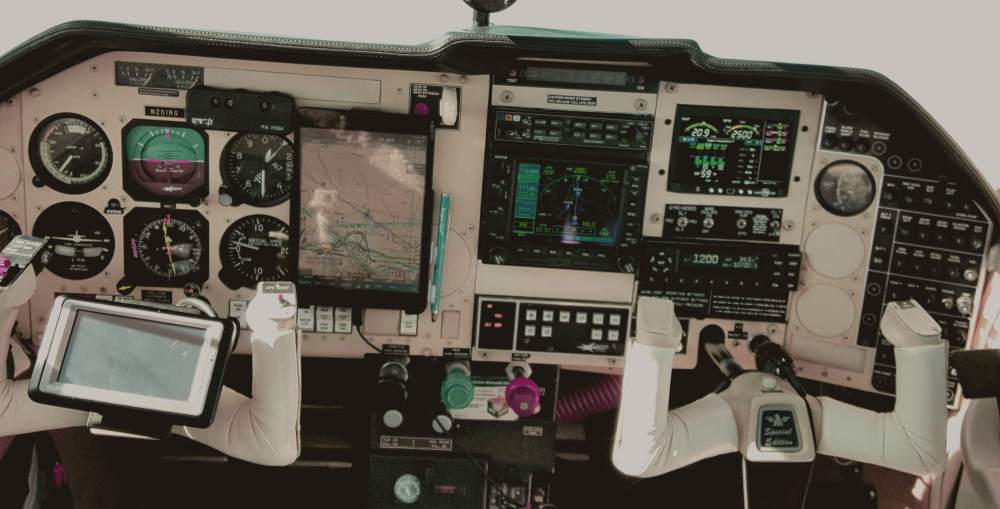
After a lot of work and a fairly big chunk of change this is my upgraded panel for my 89' Mooney 201. It features a Garmin 530WAAS, 345 Gamin Transponder (ADS-B In& Out). Regarding the 345, I opted for the density altitude/temperature feature. Very handy when taking off when dealing with high density altitude airports. This required a separate temperature probe. Garmin Encoder, JPI900 engine monitor (Love it). Century autopilot. I mounted my Wing X Pro 7 on my mini iPad. Not shown is an antenna pig tail where I can plug in my Icom hand held should I need a 2nd Comm. It is as close to all glass as I can afford. I fly approximately 150hr/year. BTW-all the instruments and Druck transducers are listed For Sale here on Mooney Space. Everything worked fine when removed. AOPA article August 2016.pdf
 1 point
 -
Driven by this field many times on my way to hunt the Kaibab Plateau. As far as I know, this is the only airport where you can fly over the Grand canyon below 3000' AGL. Its not much of a canyon, but it is the very beginning of the G.C. 35'x3700' runway. With a dog leg. And literally uphill both ways. The first about 1000' of runway 3 are very rough. Not that the rest is better, but landing long is advised. The views are stunning. Also, I'm probably famous in Japan now. As I was on downwind, I saw a van pull over and people pile out. After landing and taxiing to "parking", there was a crowd of about 15 tourists taking photos. We worked out that they wanted to get closer, so I brought them over and let them look in and get close ups and stuff. And then I ended up in a group photo in front of the plane. It was a neat experience.1 point
-
There is not a hinge. The door is screwed to a rod that it pivots on. The cable connects to an arm on the rod.1 point
-
Excellent planning, Mike.1 point
-
Landed there once to go hiking, spent the night in the lodge. Great sceanery both hiking and flying.1 point
-
Man -- you are spending a lot of time rehashing and justifying what you did. Any of us who have flown a long time has made a decision about whether to continue a flight or not. Continuing a flight with oil streaming up the windshield falls into the "not so smart" category. Continuing with the gear in the unknown status falls into the "if the gear is really up instead of down and I need to do a belly landing, where should I do it?" category. Unfortunately, we can't (sans those with GoPros mounted on the belly) see the physical location of the gear. Nor can we determine if it is truly locked in position. When you put the gear in the up position, it might have begun retracting an inch when the up limit switch said it was up. You made a decision and the gear was where it needed to be. In 1994, I was flying back from New Jersey to New York. Just took off, started the gear retraction and everything electrically indicated the gear was up. The floor indicator however still showed "gear down". I'm 300+ miles from home airport. What should I do? I determined that the gear was indeed up through the expected plane performance (not flying nose high and airspeed in the normal cruise range). I go home. I get to my home airport (where my mechanic is), extend the gear and see the electrical indicators show gear down. The floor indicator hasn't moved since takeoff. I knew the system well and knew that the floor indicator is tied to a rod and attached to the gear. I fell into that "if the gear is really up instead of down and I need to do a belly landing, where should I do it?" category. Fortunately the gear was down and it was locked. Thinking about it afterwards, I could have done the manual extension to be safe. And to answer your question, unless you have eliminated things, the usual culprits are in play -- up limit switch, gear switch, short somewhere.1 point
-
Yeah I've had a backfire too at a low RPM, I think it was around 1100 rpm which is where I normally idle per my POH. It was actually when formally complying with the 100AD for the Bendix ignition. I can't recall if I had it maximally leaned out or not - leaning more or a lower rpm might have prevented it, but I've been gun shy about trying again ever since.1 point
-
Very Nice job! Congrats! Ron1 point
-
Almost forgot about this thread. A couple weeks ago I had to move the airplane back to the avionics shop for a few weeks for some warranty work and an attempted completion of the job (still not done). I took the current track car, which is street legal, to leave in the hangar since it rarely gets driven other than to track events.
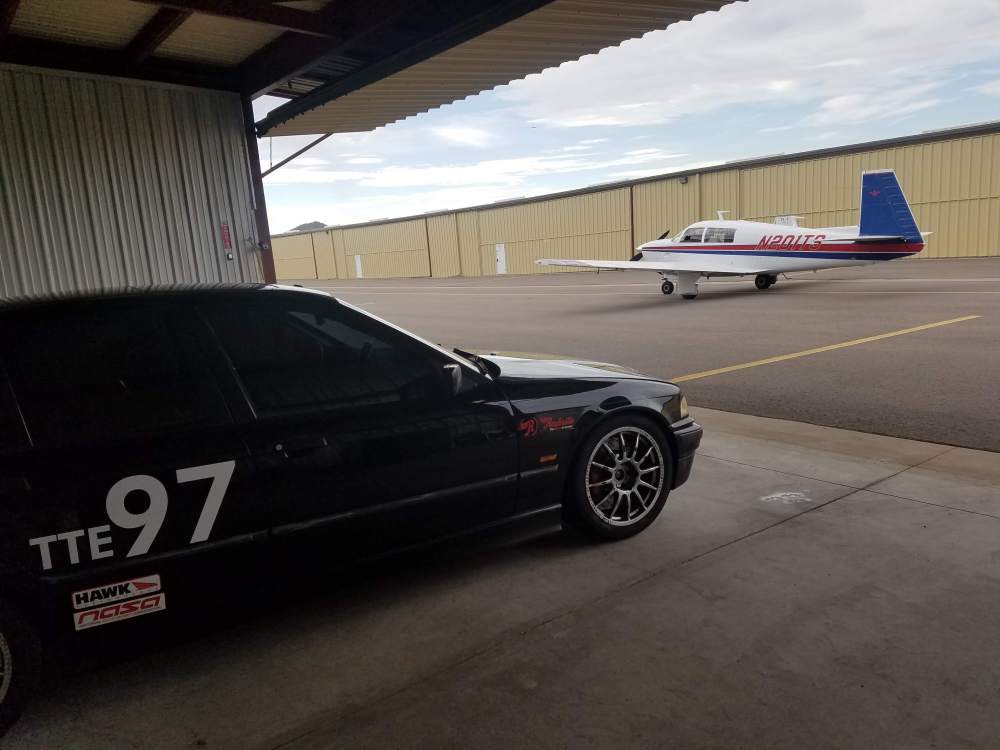
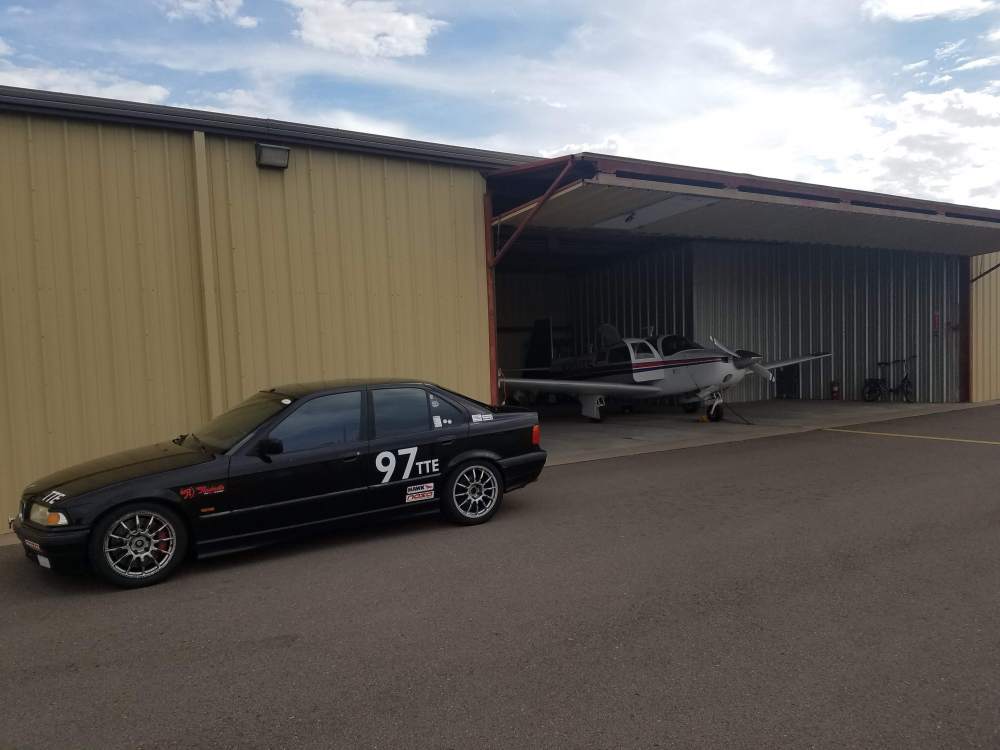 1 point
 -
You could pre-arrange altitude codes with family to send messages with your altitude via FlightAware-- "If I'm flying at 7,000 feet, I'll be there early" "If I'm flying at 8,000 feet, I'll be there late" "If I'm flying at 9,000 feet, I'll be on time" Then see if ATC will help you out1 point
-
They need to figure out how to achieve a target of a lot more than 50 airplanes per year.1 point
-
Icom sells a battery pack that you place AA batteries in and looks like their rechargeable. I bought one as I lost my charger and it works brilliantly!1 point
-
For repairs, there is Dawley Aviation in Wisconsin or for a complete STC/PMA there is Knisley Welding in California. Didn't use them, but heard good reviews.1 point
-
Had shoulder belts in my Cessna, but the instructor didn't use them, so why should I? I read an article by Rod Machado the night of October 11, 2003 and decided to start using them. Here is the next day. Have had the opportunity to tell Rod in person how his article likely saved my life as my entire physical damage from this was a light bruise from the shoulder strap.
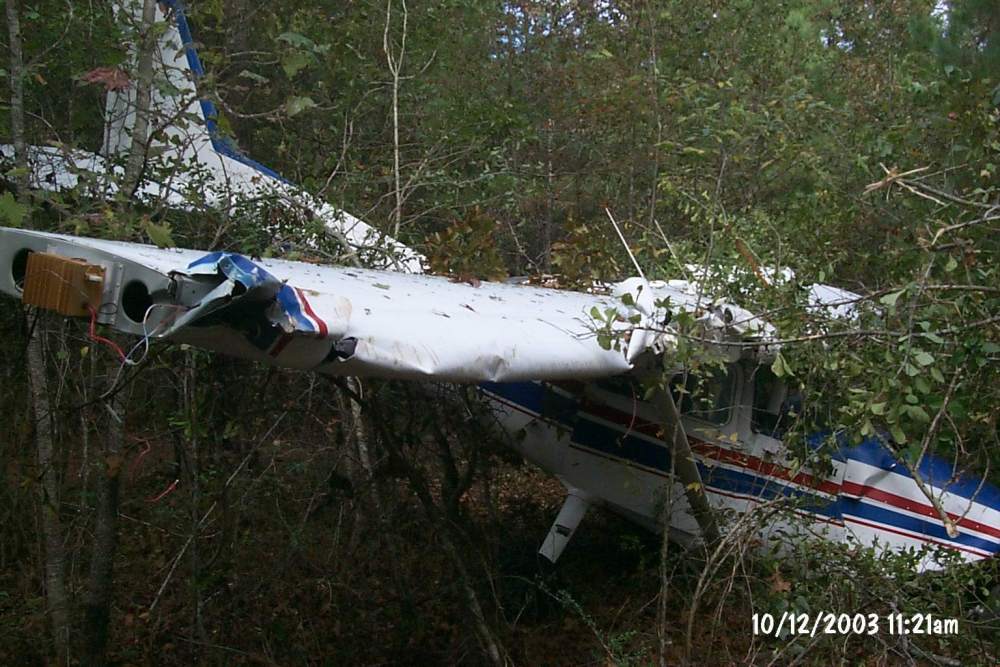 1 point
 -
It has been a while sense I worked on one of those, but it looks like yours is missing the bottom part of the rubber. It looks torn along the bottom edge. I think the rubber is supposed to extend below the plate and slides in a slot in the main part of the cowl. This closes the gap below the door. The part missing on yours is the part that came off on Chrixxer's1 point
-
Hey Gary! Nice to put a name with a face / instrument panel / plane..... I recall reading the AOPA story when it was printed. Thanks for sharing, -a-1 point
-
Antares, sounds like checking the details are in order... It is unlikely, that the K got frequency type floats while every other Mooney got resistance type floats... Unlikely, but not impossible... You could work with a parts manual, Lasar, or look at the sensor itself to find out what senders you have...based on part numbers.... what makes the Cies gauges interesting is the number of divisions from empty to full. Then they add a few things like average the details over a few seconds to give really accurate numbers without any flickering.... or so they described while working on the Mooney installs and testing... So, in the end... frequency vs resistance doesn’t make one better than the other... number of divisions from empty to full, does... using a digital platform makes the data even more usable... Integrating with JPI is going to be important.... knowing what sensors you actually have is going to be important there as well... PP thoughts only, not a mechanic... Best regards, -a-1 point
-
This is a great collection of photos and deserves a post-it sticky on it! Lopresti was The Godfather of aerodynamics for Mooney. Known For using fiberglass parts to produce compound curves where aluminum wasn’t able to... Sloping windshields eliminated energy robbing eddy currents... Speaking of energy robbing currents... the airflow in and out of the cowl came as a surprise...to some. Others have seen oil drips leave a trace exiting the cowl out the front... Some cowl closures are simple lower cost items... Others are more ornate... An actual 201 cowl is one that came from an actual 201 and put on a previous model. (Factory built parts) The Lopresti cowl was built and sold by Roy Lopresti and company (still has family in the business). Really nice, but... Cost as much as a CB’s car... The middle zone is a cowl mod, designed and built by a Mooney pilot, Mooney mechanic, and an MSer... David S.@Sabremech this cowl is growing in popularity as the STC work is expanding to cover additional years and models of Mooneys... the objectives of the mod include better CHTs, modern oil heat exchanger location, updated air intake design, and speed to go with a modern image... (air intake for cylinder cooling, air intake for engine feeding, and air flow around the cowling, are improving as the development phase is nearing the end...?) http://www.gdsaero.com/vintage-airworks/ Lasar is a great Mooney resource... Siri will often re-spell their name to laser when you are not watching... All mods are going to want to be painted to match the plane, or to stand out from the crowd... PP thoughts only, my M20C had the wide open guppy mouth... Best regards, -a- If I missed any details let me know. Happy to update this and any other post I wrote...1 point
-
Ever wonder how Boeing produces over FORTY 737 airplanes a month? A train arrives with the main body in the morning. They turn them out about one every 18 hours and every part is supplied by the lowest cost supplier. https://nam02.safelinks.protection.outlook.com/?url=https%3A%2F%2Fwww.youtube.com%2Fembed%2FSE71NJl-naY%3Fautoplay%3D1&data=02|01||27da532443a1428f705e08d56517a855|84df9e7fe9f640afb435aaaaaaaaaaaa|1|0|636526074642617895&sdata=EJNiqsyD%2FTgtUX8pf3AnyUide11bkQ814%2BbJxvNgw5s%3D&reserved=01 point
-
My understanding is the biggest improvements to the 252 were the intercooler and automatic turbo waste gate. It seems many 231 owners have made these upgrades. Best bang for the buck would be an upgraded 231 in my opinion. And there were significantly more 231s produced.1 point
-
At Mike 261's request, here are the steps for making your own fairing, as related to me by my hangar elf. Fairing manufacture Use 4 pieces of 2x4 long enough to form an open box with the boards standing on edge. Make it pretty close to the size of the fairing to save mold material and keep the weight down. Lay down a layer of aluminum foil or sheet metal, and place the box over it. Put the old fairing (even if you have to patch it some with thin tape) in the box with the outer (convex) side up. It doesn’t hurt to wax it with car wax to expedite its removal. Get a bag of “Self Leveling Underlayment” from Home Depot (in the flooring section. Mix up an appropriate amount and pour over the fairing. (About 3 inches thick works about right.) After the underlayment sets up good, flip it over and pry out the fairing. Wax the inside of the mold and lay in a couple of layers of fiberglass cloth or mat. Mix up fiberglass resin and pour/paint it into/onto the fiberglass material. All these materials are available in the paint dept of HD or from auto parts houses. After the fiberglass sets up, pry out the new fairing, trim it with a sabersaw or the like, make whatever cosmetic repairs are necessary to satisfy your desires. Drill out the mounting holes, give it a coat of paint and attach. This is not a structural part, so ordinary aluminum pop rivets work well.1 point







.JPG.64f2546e6460e5a8ff354e63607a6a73.thumb.JPG.34fac55620ee454b0dc1b3b4505e28d0.JPG)