Search the Community
Showing results for tags 'm20j'.
-
Version 1.0.0
438 downloads
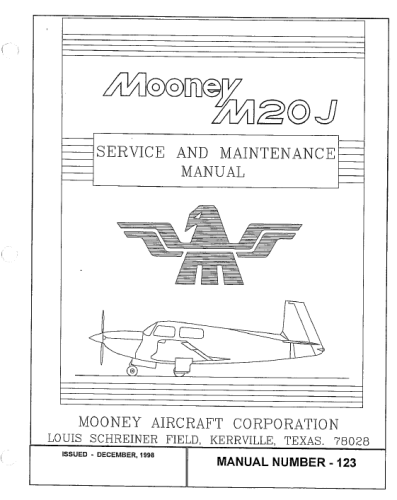
Manual #123, Issued December 1998 File 1 of 2 Airframe File 2 of 2 Electrical -
Hi everyone, I'm new to the forum and settled on Mooney ownership, trying to decide between a J or K (252). I have read many other old forum posts on this topic, but I want to hear from you all who have flown both the J and K out in the mountainous areas west of Denver. I'm leaning in the direction of the turbo, but justifying the purchase and maintenance costs is making the decision a bit challenging. Just to be clear, I can definitely afford the K, but a wider dollar cushion is always nice to have. For clarity, I'm only considering the 252 variant of the K because I don't want to worry about the financial or mental workload of those premature high-altitude systems in the 231. Background: ATP and lifelong involvement in GA to at least some extent. Living in Flagstaff, AZ and based in Salt Lake City for work. The mission for the airplane would involved recreational cross country flights of 300NM or greater between four times per year and once per month. Using the airplane for commuting to work would be a desirable option, but not essential by any means. On the weekend trips most of the time we would be hauling just two people plus light bags. Occasionally a friend or family may join us. The vast majority of flying we would be doing would also be the most important stuff, flying down to lower elevation fields within the state of Arizona. No matter which type, night flying and approaches with ceilings below 1000 feet are no-go territory. Long story short; the main mission would be bumming around the "local" area for fun with about 30-40% serious, mountain-topping cross-country flying being a highly desirable option. My concerns with the J are performance above 15,000 feet and dispatch reliability given weather conditions. I like the systems simplicity and the associated lower burden of cost while enjoying the relative simplicity on fun-flying days. My concerns with the K are reliability, maintenance cost, the effect complex systems have on "fun factor" when hanging flying around the local area, and whether you all feel those are justified by any increased dispatch reliability. Thank you all for your responses, and stay safe up there! -Rich
-
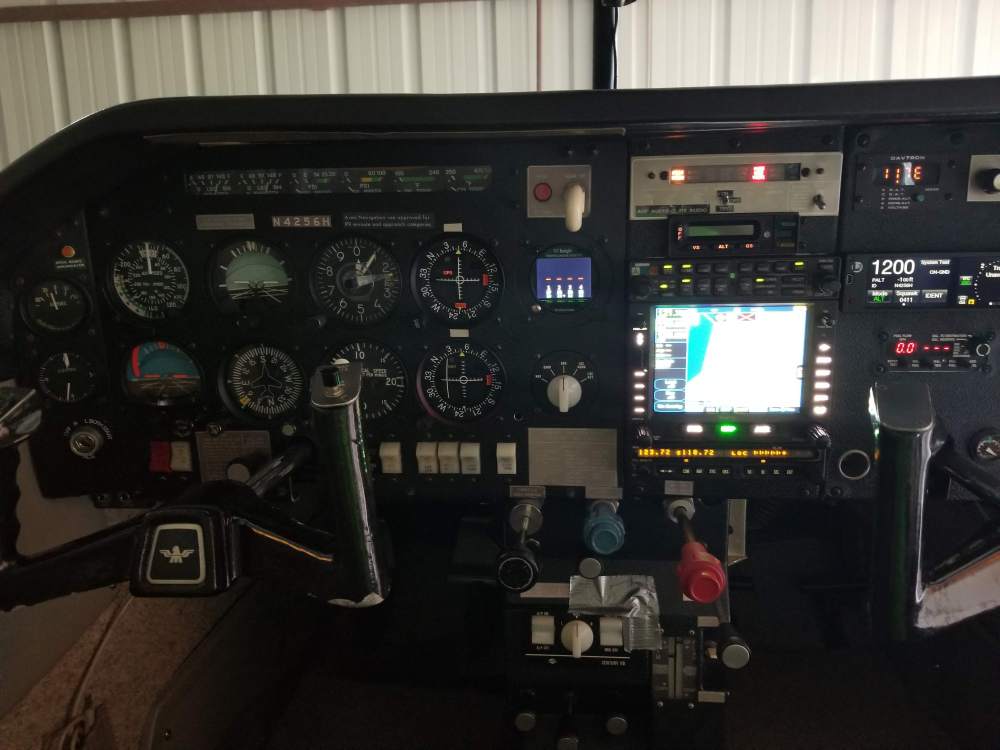
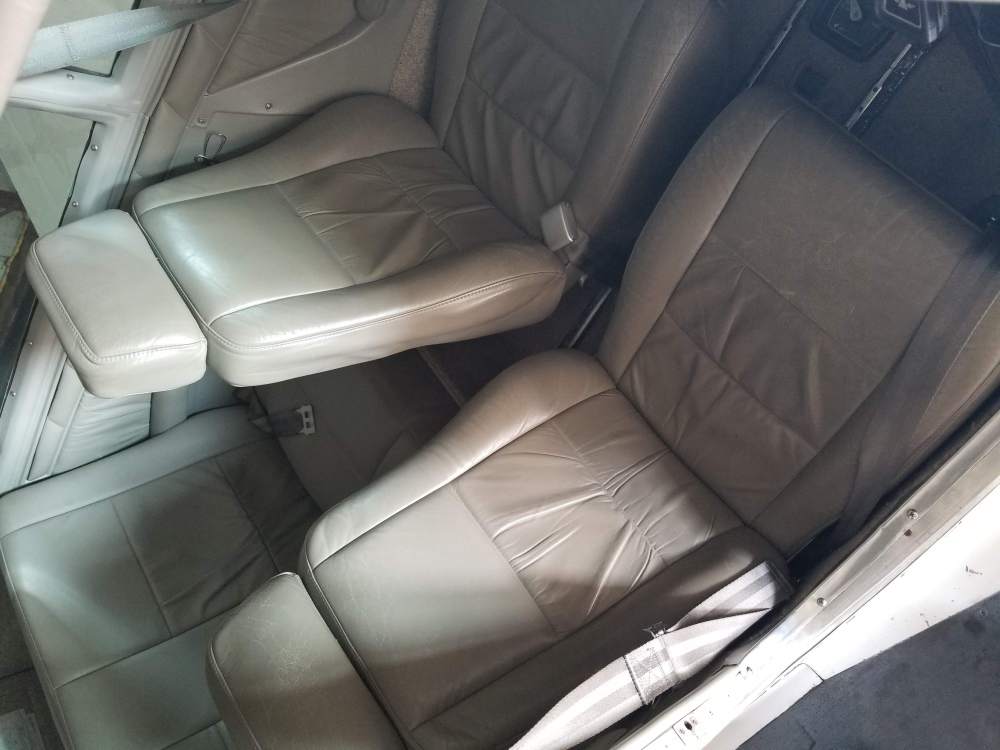
 Serial # 24-0953 Registration # N3827H IO-550-A, 300 HP, Continental Engine, 1920.21 Airframe, Total Time engine 565.87 on new engine. (currently being flown). Prop 3 Blade Hartzell. Prop Notes 565.87 Since new. Avionics/Radios/Equipment Contact Plane.LLC1@gmail.com with questions Century NSD 360 slaved HSI (rebuilt 6 months ago) Century 2000 2 axis autopilot with auto trim expansion, yoke button disconnect. Alt hold MX 170B and King 170B Nav /Com, w/glideslope KT 76A transponder with altitude encoding SF 2000 Strikefinder Slaved Northstar 600 GPS (VFR) Stratus GPS + Foreflight on an Ipad included KN 72 Omniconverter KN 62A DME , KR 86 ADF Hoskins CFS 1000a fuel computer/ Totalizer Insight Gem 602 graphic engine monitor, 6 cylinder SVS-11 standby vacuum system Sigtronics 4 place intercom late model wing tips w/strobes Recent leather interior Door seal hand pump Garmin G35 antenna installed ready for upgrade to ADSB Electric Trim, Push-to-Talk pilot and co-pilot on yoke Increased Gross Weight - 3200 LBS. Useful Load: 1090 , lbs (approx), speed max 230 mph +. Hangered full time. Please text for full log books and more photos


-
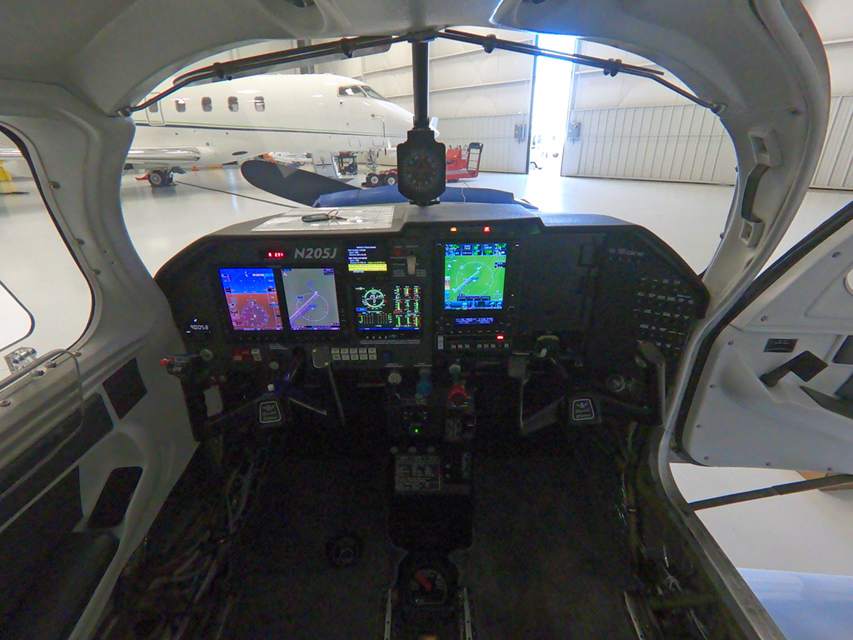
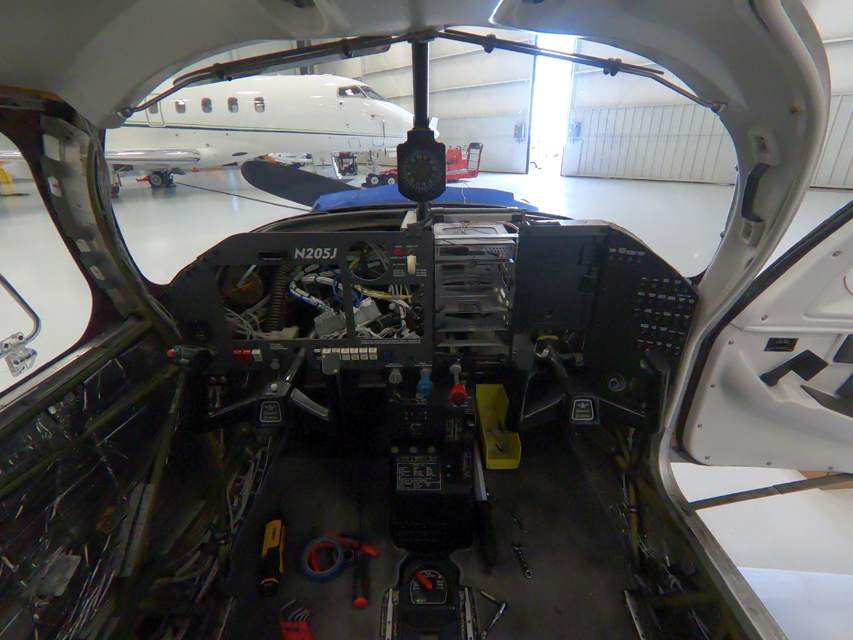
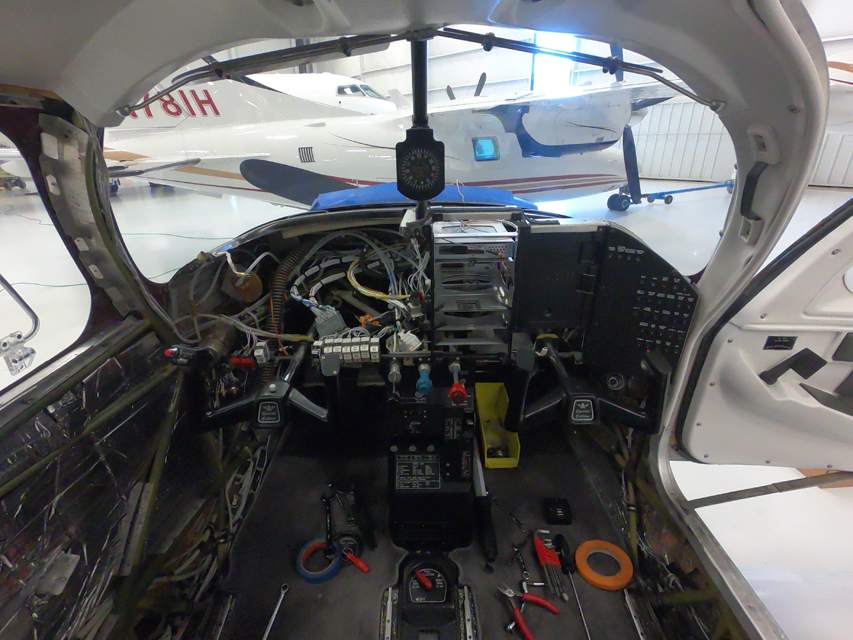
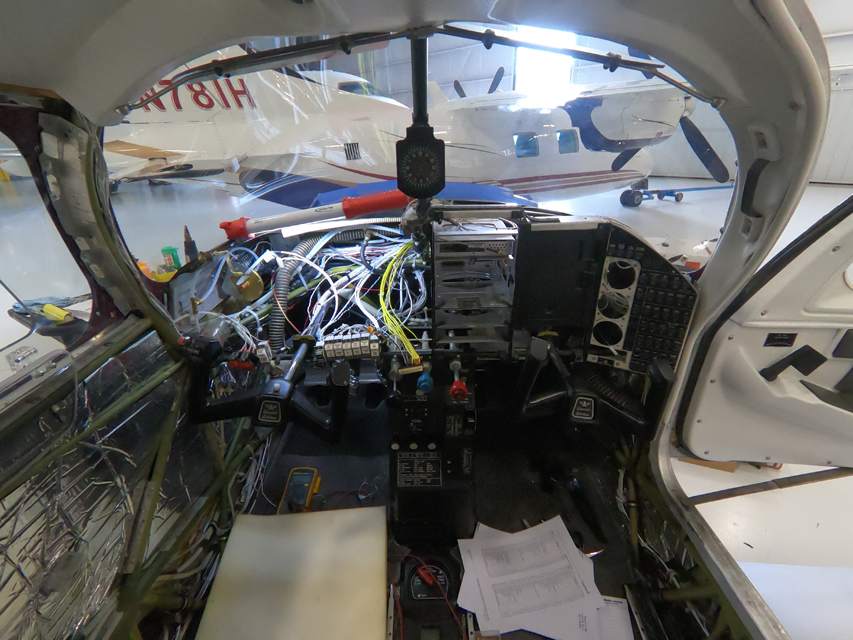
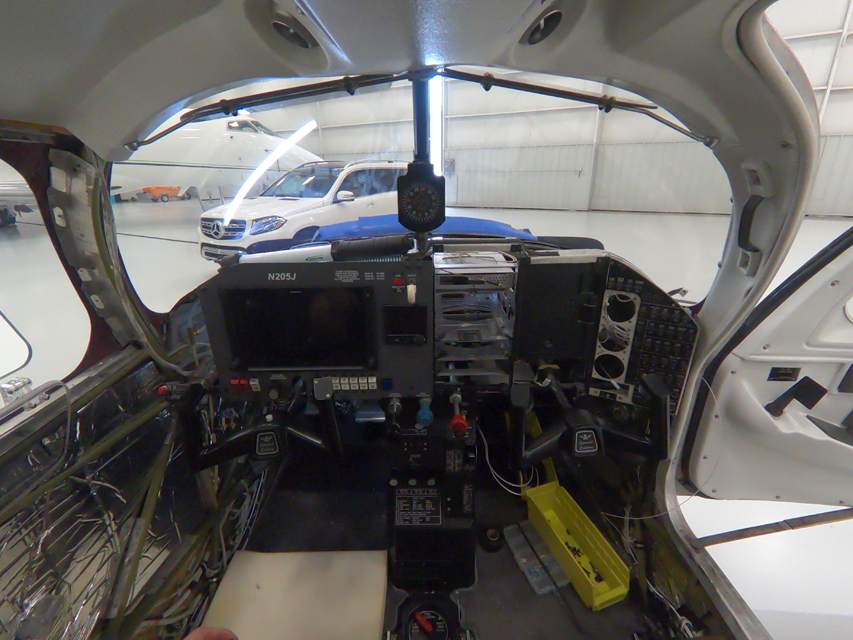
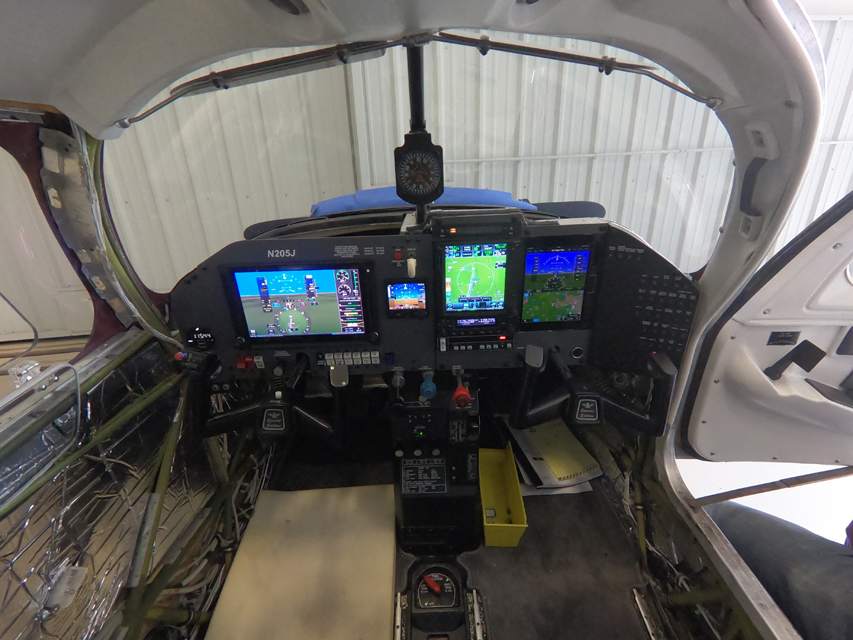
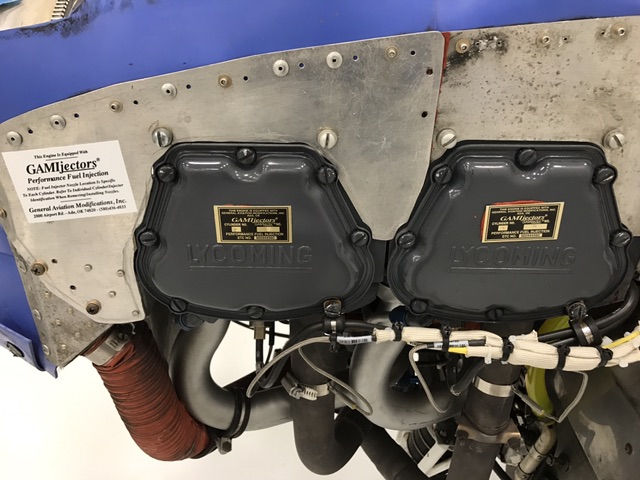
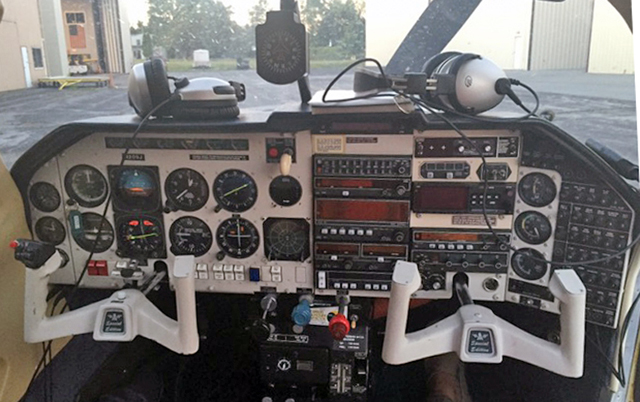
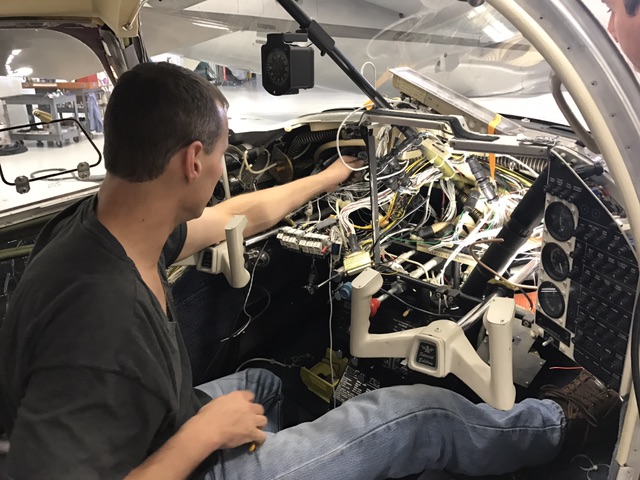
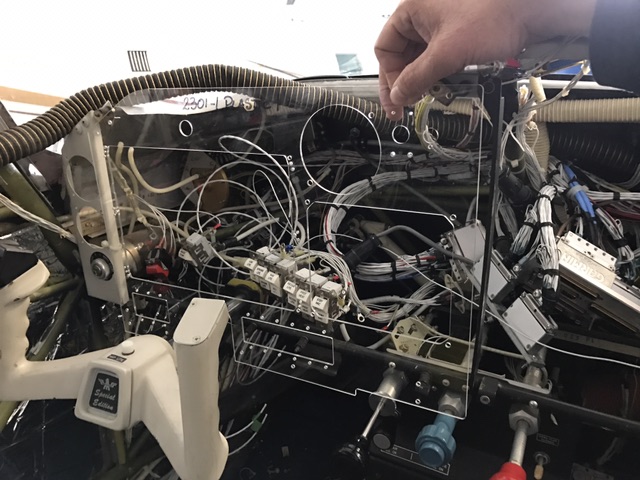
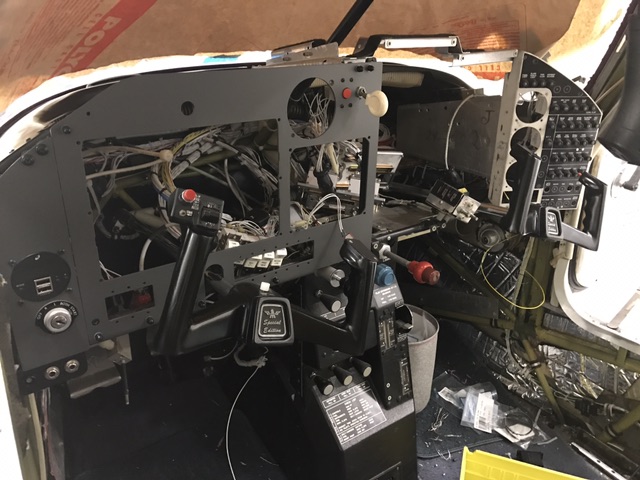
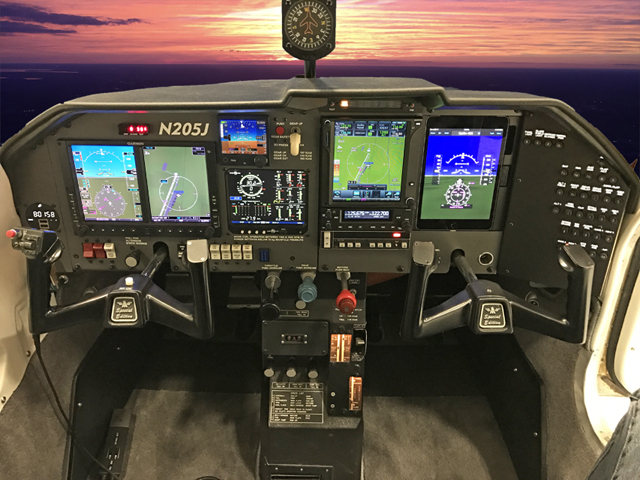
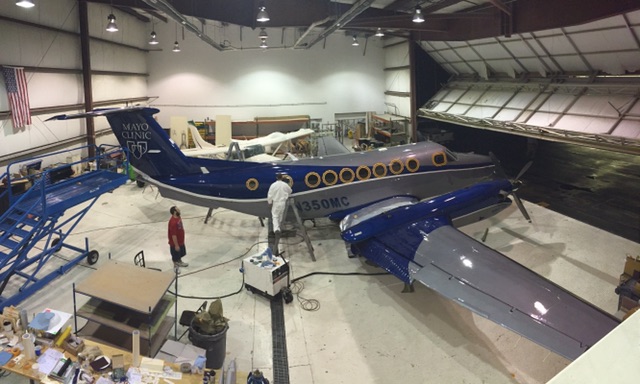
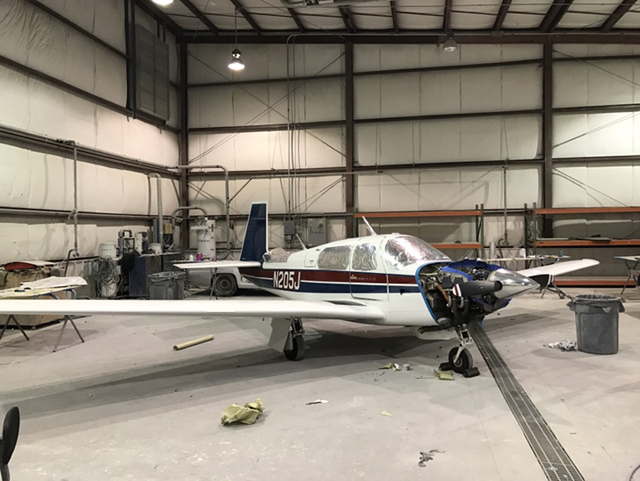
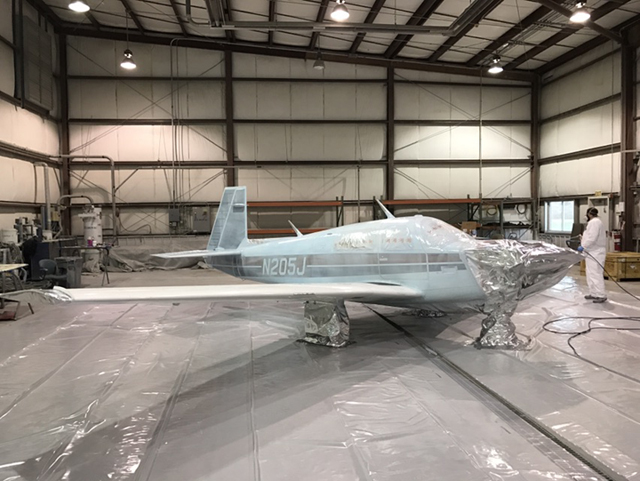
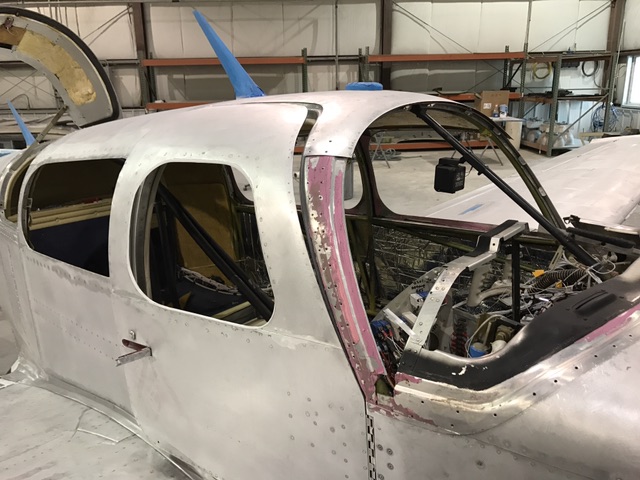
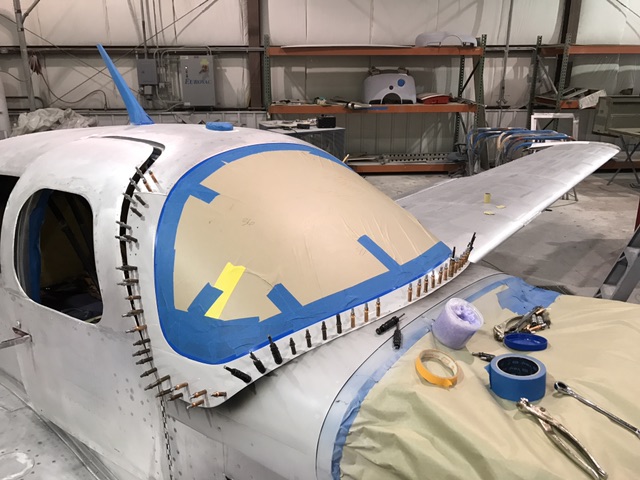
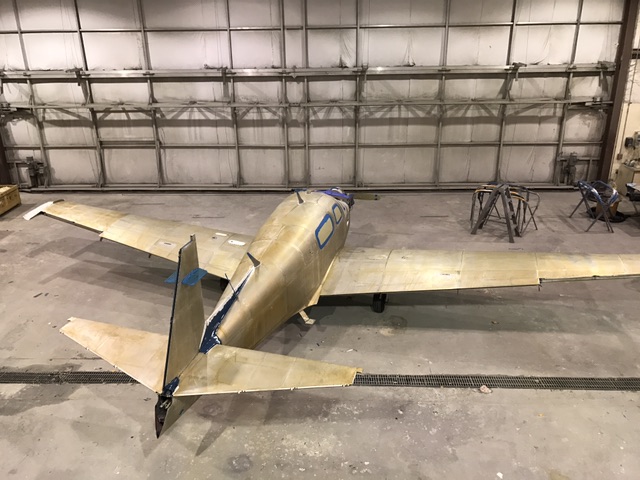
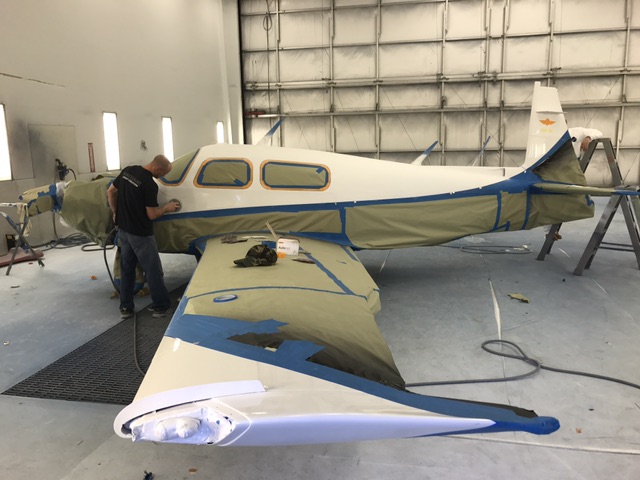
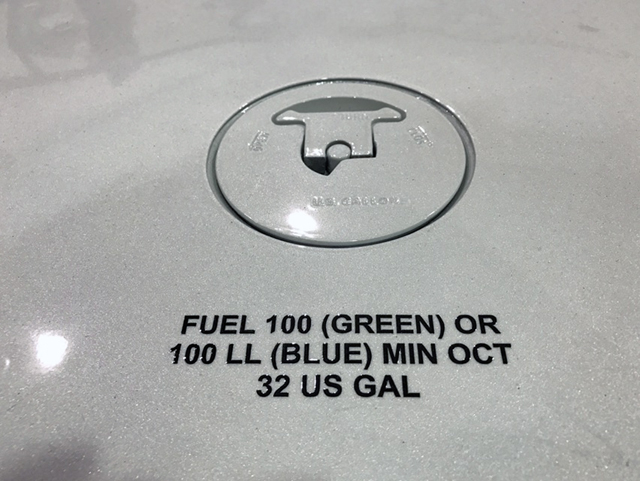
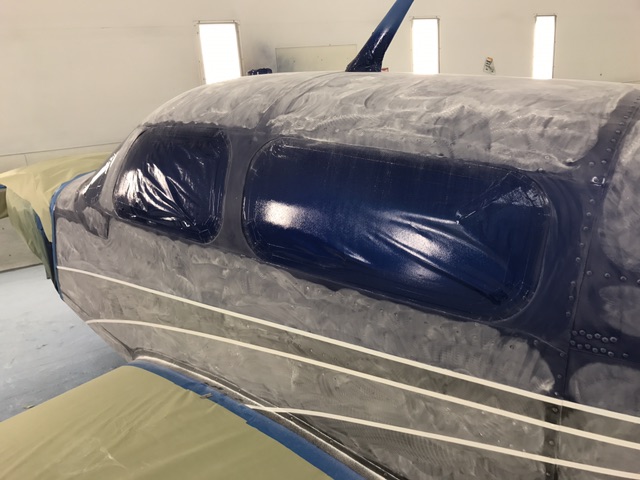
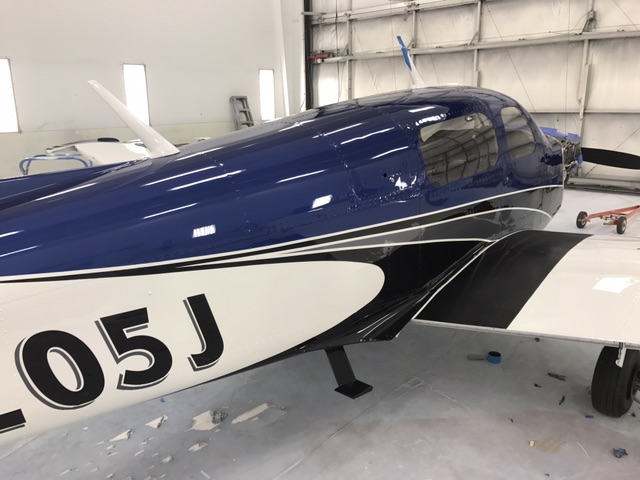
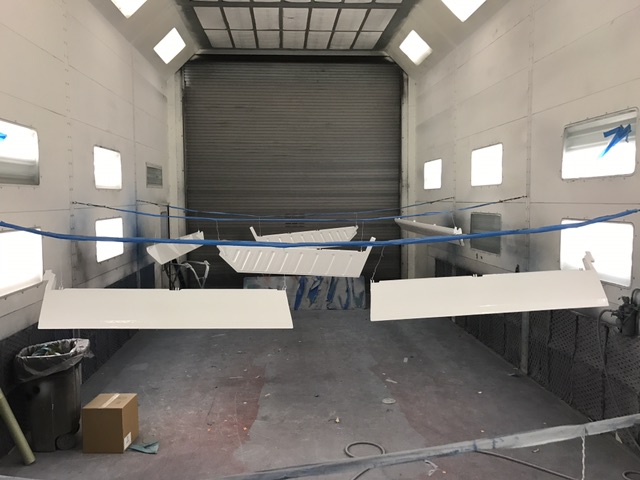
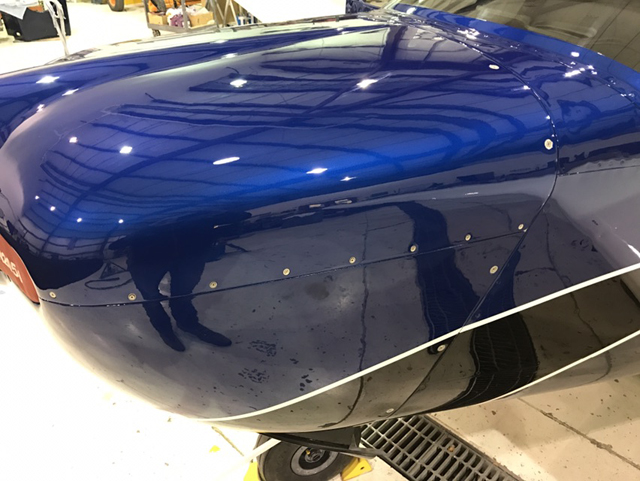
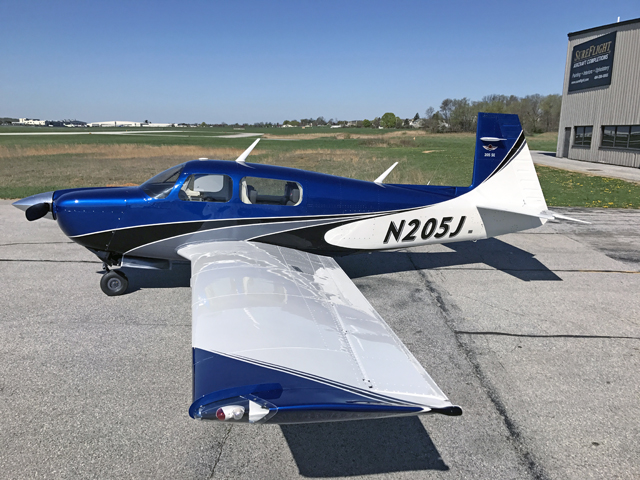
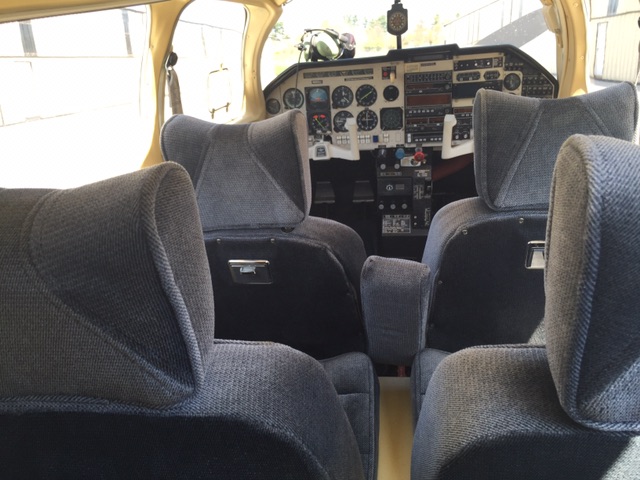
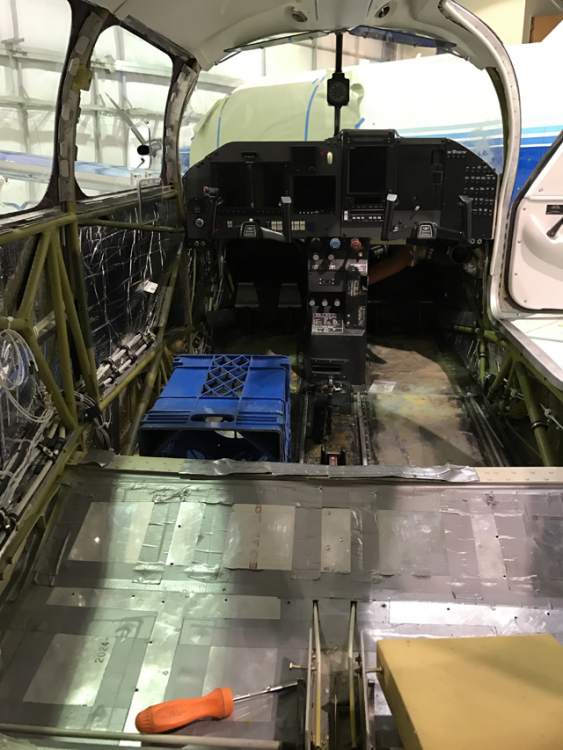
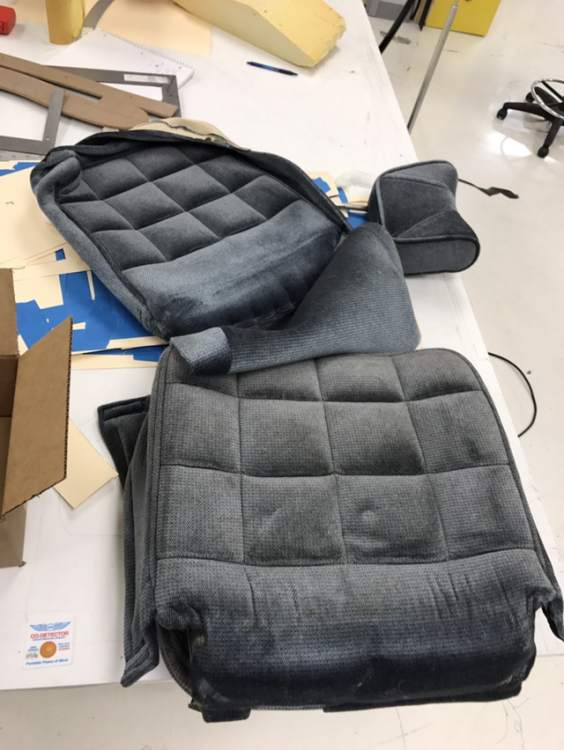
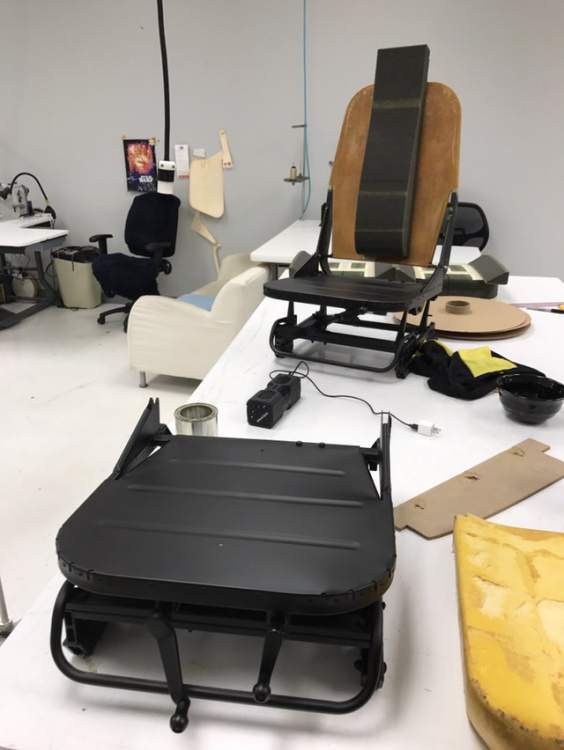
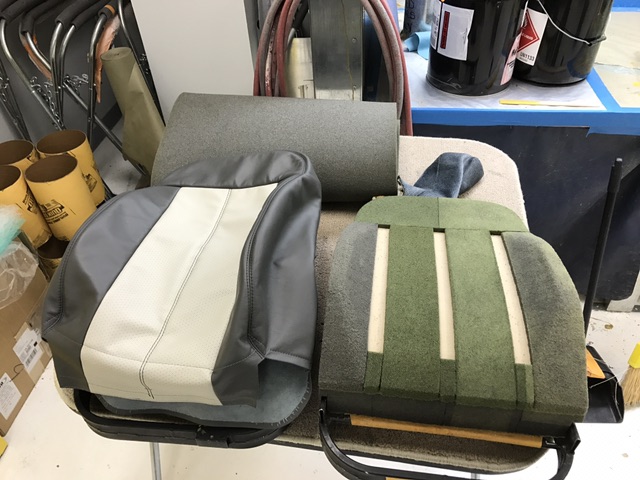
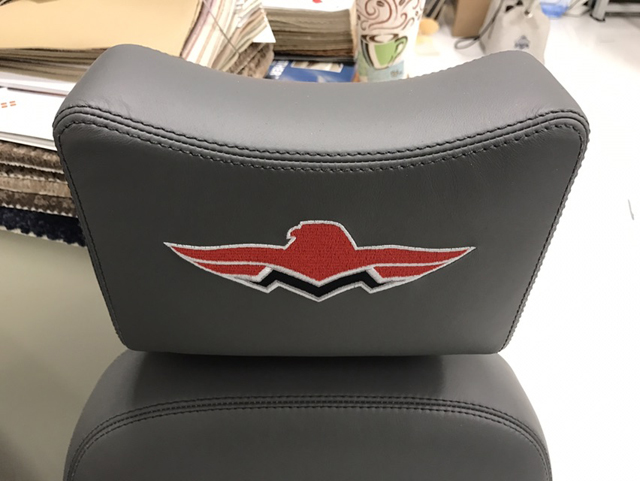
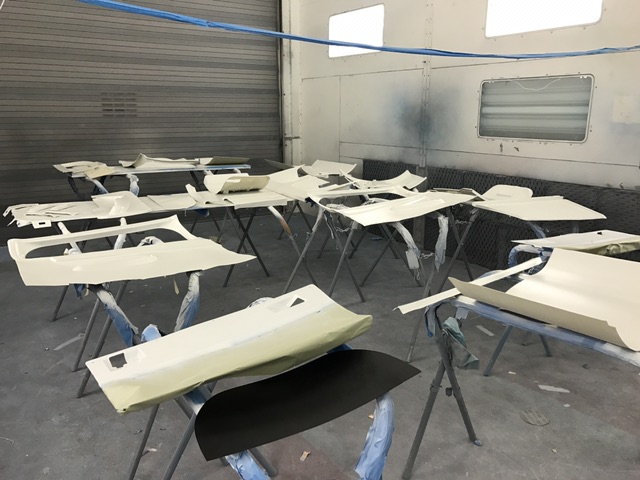
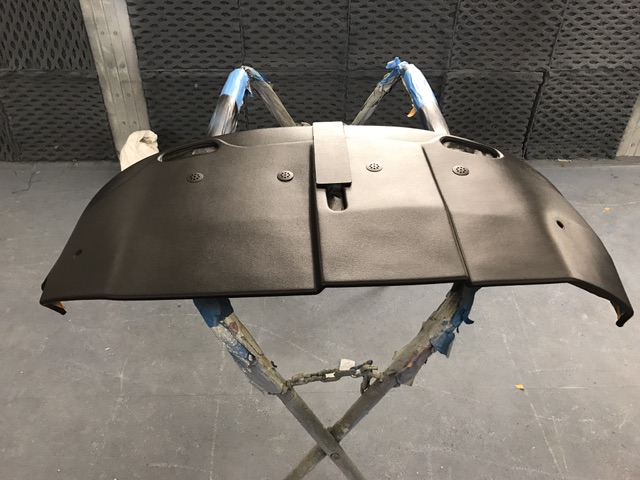
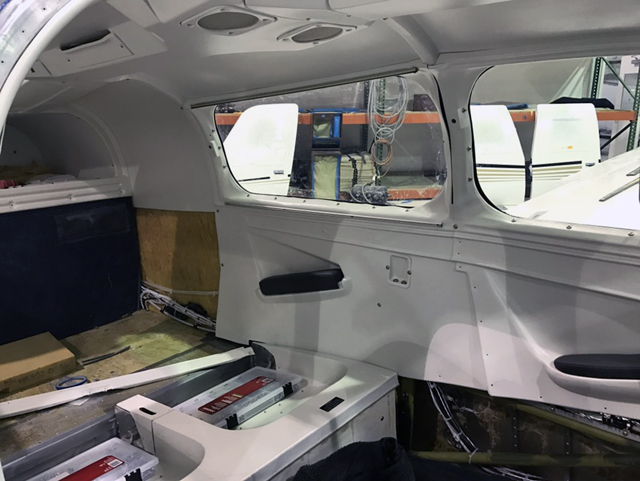
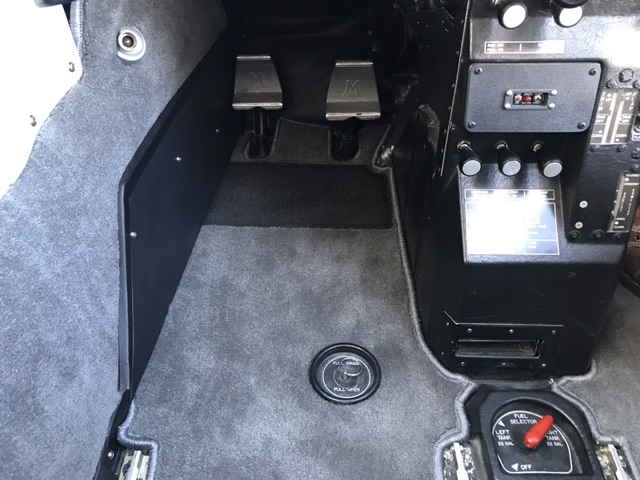
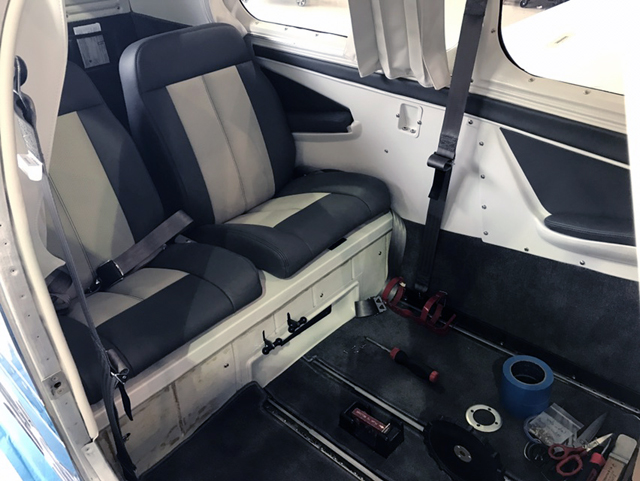
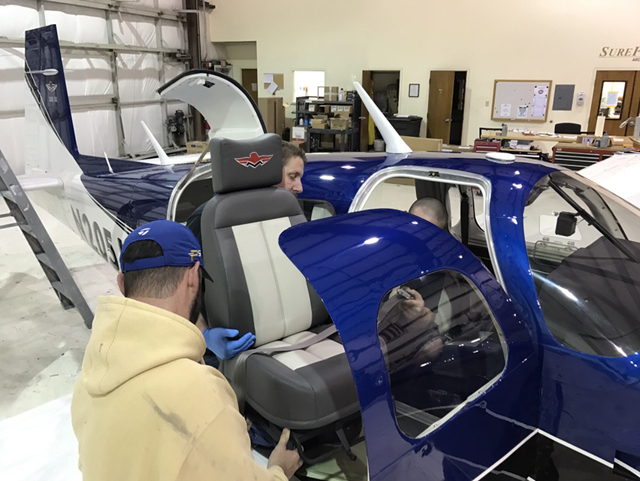
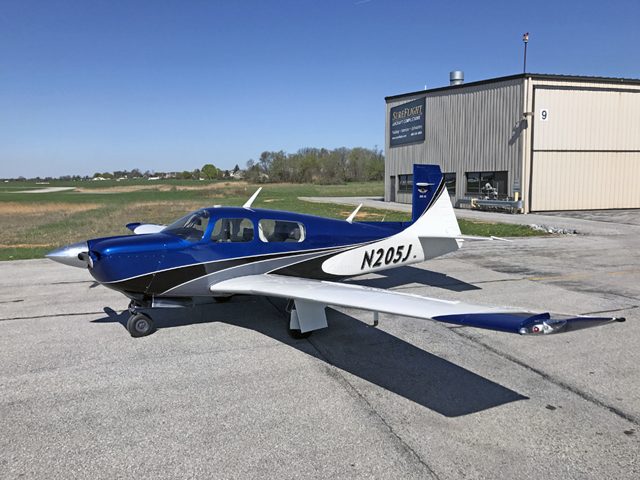
Better than New: The Refurbishment of N205J Mooney N205J is a 1987 M20J model “205 Special Edition (SE)”. It differed from other M20J “201’s” at the time in that it incorporated a few changes: 1. Fully enclosed gear doors 2. Rounded window lines 3. 28 volt electrical system 4. Electric cowl flaps with infinite adjustment 5. Upturned wingtips with forward facing recognition lights and aft facing position lights 6. Gear extension speed increased from 132 to 140 knots The 205 SE came right as the general aviation market was in decline, so only seventy-seven 205 SE’s were built spanning two years. N205J was previously owned by a business associate of ours. N205J was hangar kept most of its life. It had original factory avionics, paint, and interior and was a low time aircraft with only 1885.5 hours. It had Precise Flight Speed Brakes installed. So why did we put so much money into a 1987 Mooney? I am one of the owners of SureFlight Aircraft Completions which specializes in paint, interiors, and avionics. We made it a “project plane”. We worked on it when we had any gaps in our schedule. Now that it is complete, we have a demonstration plane to show and fly customers that showcases SureFlight’s capabilities. It’s an awesome Mooney to fly! First stop was Henry Weber Mooney Authorized Service Center at neighboring KLNS to perform the pre-purchase inspection. The important thing for us was to have a good airframe and engine to start with. We took care of some maintenance on the airframe, overhauled the prop, bought a new governor, put new gear shock discs in, etc. We had them complete an annual at the time as well. We had the engine sent out to Columbia Aircraft Services for an Inspect and Replace as Needed (“IRAN”) which included new Camshaft, Lifters, Bearings and Rings. While it was there, we had the engine converted from the Lycoming IO-360-A3B6D to the IO-360-A3B6 specification to eliminate the D3000 dual magnetos in a single housing, driven by a single driveshaft. The engine now has two separate fully independent Bendix magnetos. We had the cylinders removed to be sent out for nickel plating. After the engine came back, Henry Weber reinstalled it with new Lord mounts and made sure that the engine and engine cowlings were properly aligned. We added GAMIjectors calibrated fuel injection nozzles and then went to work on the full refurbishment of N205J. Avionics: The aircraft was equipped with a factory original avionics suite from 1986, except the addition of an Apollo GPS. It all came out. All the wiring was removed and replaced. A plastic panel is created to make sure everything looks correct before fabricating the metal: Yokes are painted black and a metal panel is installed: And then filled with equipment: · Fully Electronic panel; Eliminated Vacuum System · Garmin G500 flight deck with Synthetic Vision · Garmin GAD 43e autopilot interface for G500 · Garmin GTN 750 GPS/Nav/Comm Navigator with Telligence Voice Control · Garmin GMA 35c Bluetooth enabled remote audio panel · Garmin GTX 345R ADS-B In/Out remote transponder · Garmin GNC 255 Nav/Comm · King KFC-150 autopilot (the only thing that remained from the old panel) · L3 Avionics ESI-500 Standby Instrument with: Altitude, Attitude, Slip/skid, Vertical speed, Aircraft track, Synthetic Vision option, Navigation option. Magnetic heading option. · JP Instruments EDM 930 Primary computer for RPM, Manifold Pressure, Oil, Fuel, Battery, Engine data. · AirGizmos iPad Mini 4 panel dock · Nimbus Aviation Electroluminescent Circuit Breaker overlay. · ACK E-04 GPS Emergency Locator Transmitter · Guardian Aero 451-101 Panel Mount CO Detector · MidContinent MD93 Digital Clock/USB Charger. Paint: We painted a new King Air 300 for the Mayo Clinic earlier in 2016. We loved their colors. We knew that these would be the colors we would eventually use on the Mooney. Stripping: Everything that is not stripped is covered in foil. Windows are removed to be replaced with Great Lakes Aero Windows SC (Solar Control) Grey installed with Extra thick .250” windshield. All flight controls and gear doors are removed to be painted separately, airframe is etched and alodined in preparation for epoxy primer. After primer, an Axalta White Pearl base color is applied. N205J is painted in all Pearlescent paint which requires a clearcoat after each color is applied. This is one of the reasons pearlescent paints cost more. Paint Scheme Layout: Axalta Cumulous Grey Pearl is applied to undercarriage, wheel wells, airframe, and then clearcoated. Axalta Sable Pearl accent stripes are applied and then clearcoated. Final Prep for the Axalta Dark Blue Pearl: After all the pearlescent colors are applied and clearcoated, exterior placarding is applied, and the entire aircraft is re-sanded for a final overall layer of clearcoat. This gives the airplane a wet, glossy look and deepens the color, smooths edge lines between accent stripes, seals the placards, and it also provides a more durable and cleanable finish because you do not cut into the color when polishing. Flight controls are hung and painted separately: Cowlings and access panels are installed with new stainless steel hardware. Flight controls are balanced and then reinstalled. Interior: Unfortunately, we forgot to get some good “before pics” of the interior. It had blue velour seats with aged and yellowing plastic panels. Old seat covers off. Repaint the seat frames. New covers sewn for the new foam buildups. Upholstered seats with custom Mooney Logo headrests. We repaired cracks in several of the plastics, and repainted with a textured paint to hide any old imperfections. We decided against covering the panels in ultra-leather to save weight. We fabricated a hatch behind the hole for the windshield bar that holds the compass for easy R&R of the glare shield. Painted a flat textured black. Looks like new. The interior goes back together with repainted plastics, new carpet, new door seals, and new upholstered seats. After it was all complete, we put the aircraft on scales. The new weight and balance was 17 lbs lighter than before. We also performed the gross weight increase to increase the gross weight from 2,740 to 2,900 giving the aircraft a new useful load of 988 lbs. Mooney N205J – Ready for Takeoff! Update 6/21/2018 Since Garmin came out with the G500 TXi we updated the Mooney by removing the Garmin G500 and JPI EDM 930 and replacing it with the G500 TXi with integrated Engine Information System (EIS). Here are photos of the conversion: EDIT for 2021: L-3 ESI 500 removed and replaced with Garmin GI 275 backup instrument and a Garmin GFC 500 Autopilot.

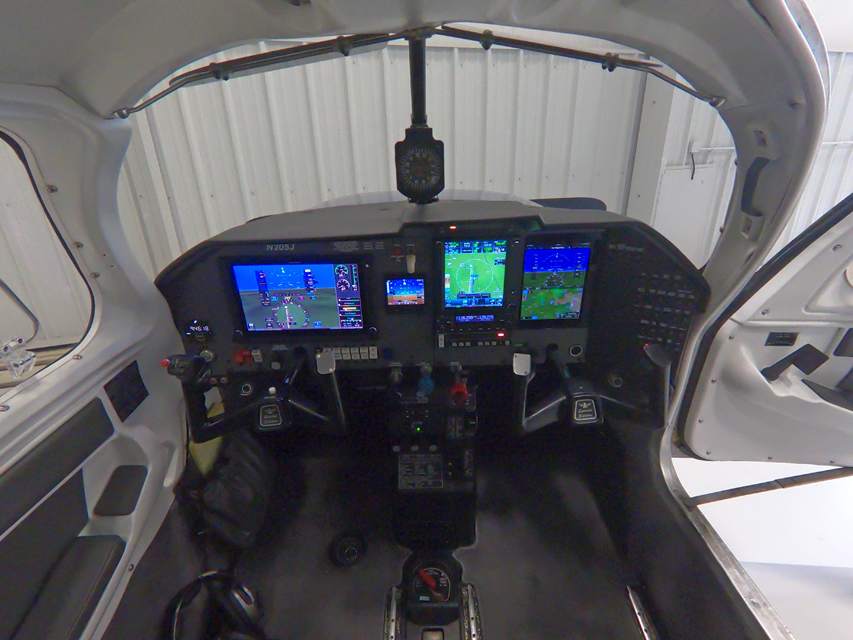
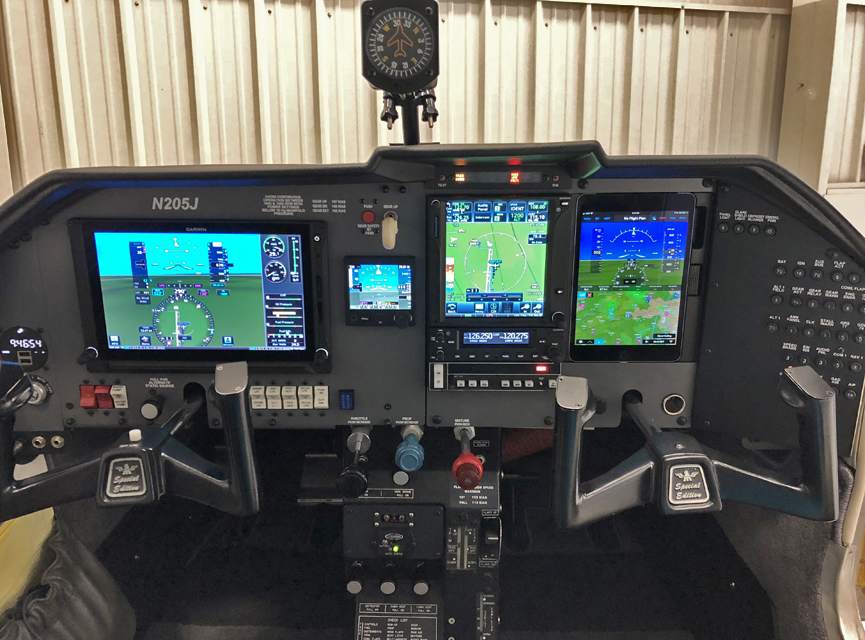
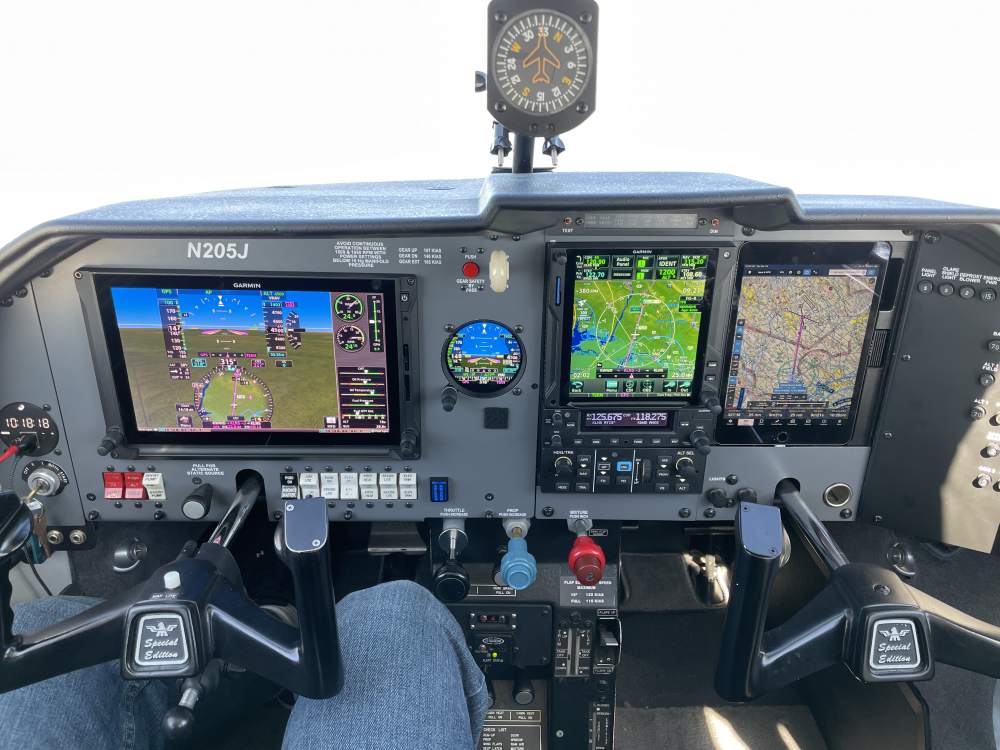
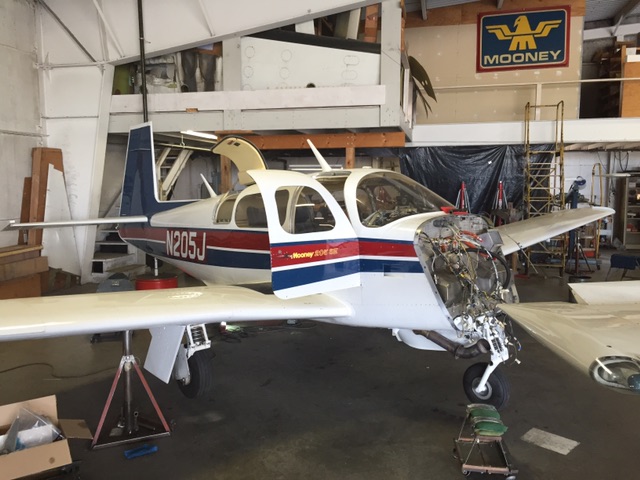
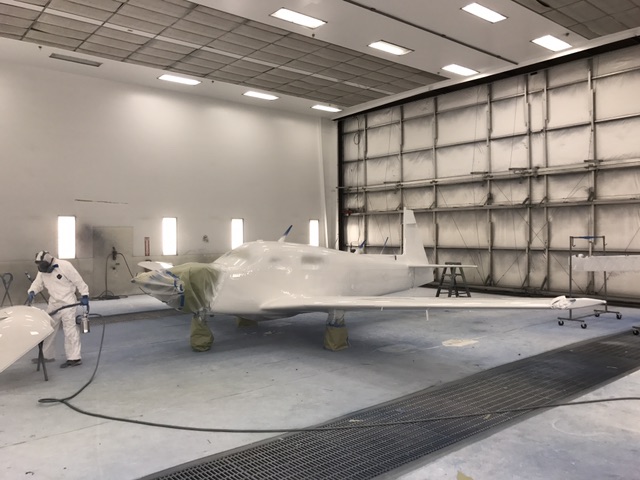
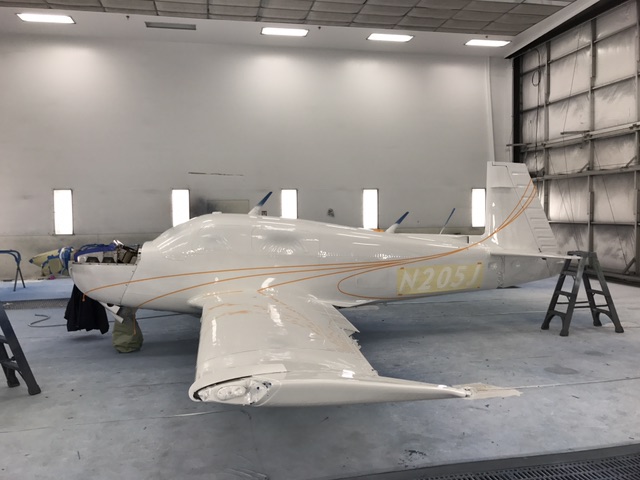
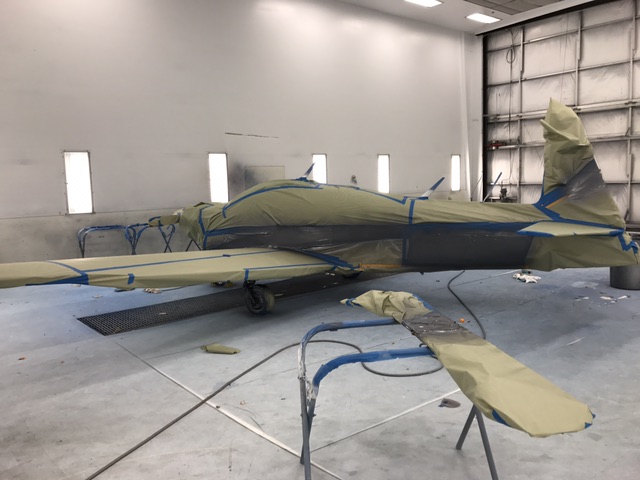
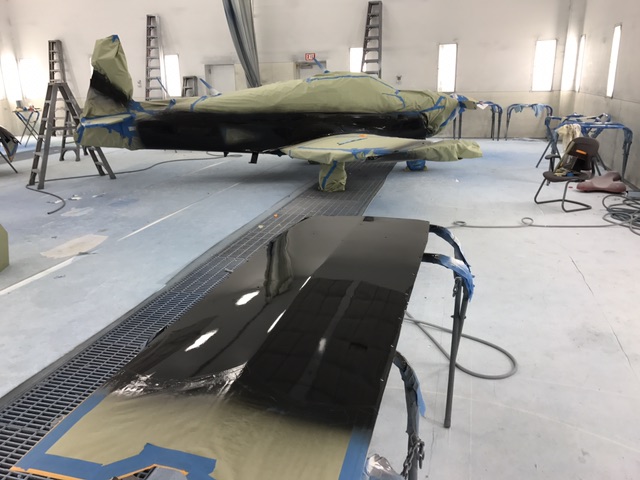



- 169 replies
-
- 39
-

-
- avioncis
- full refurbish
- (and 4 more)
-
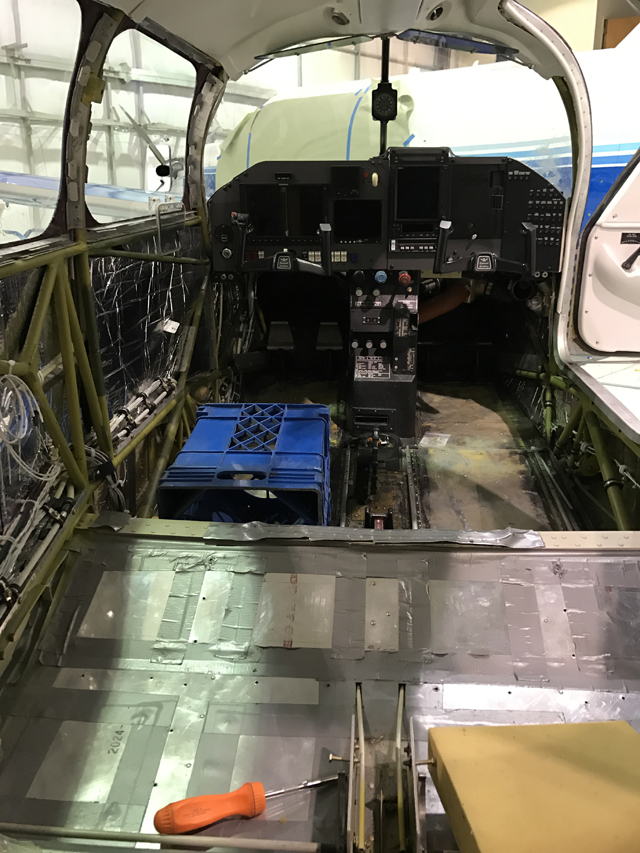
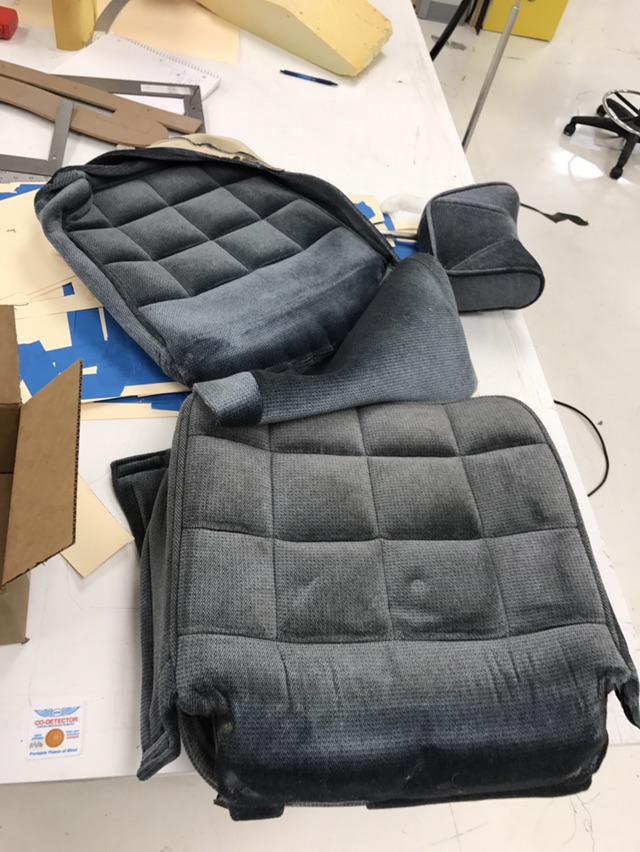
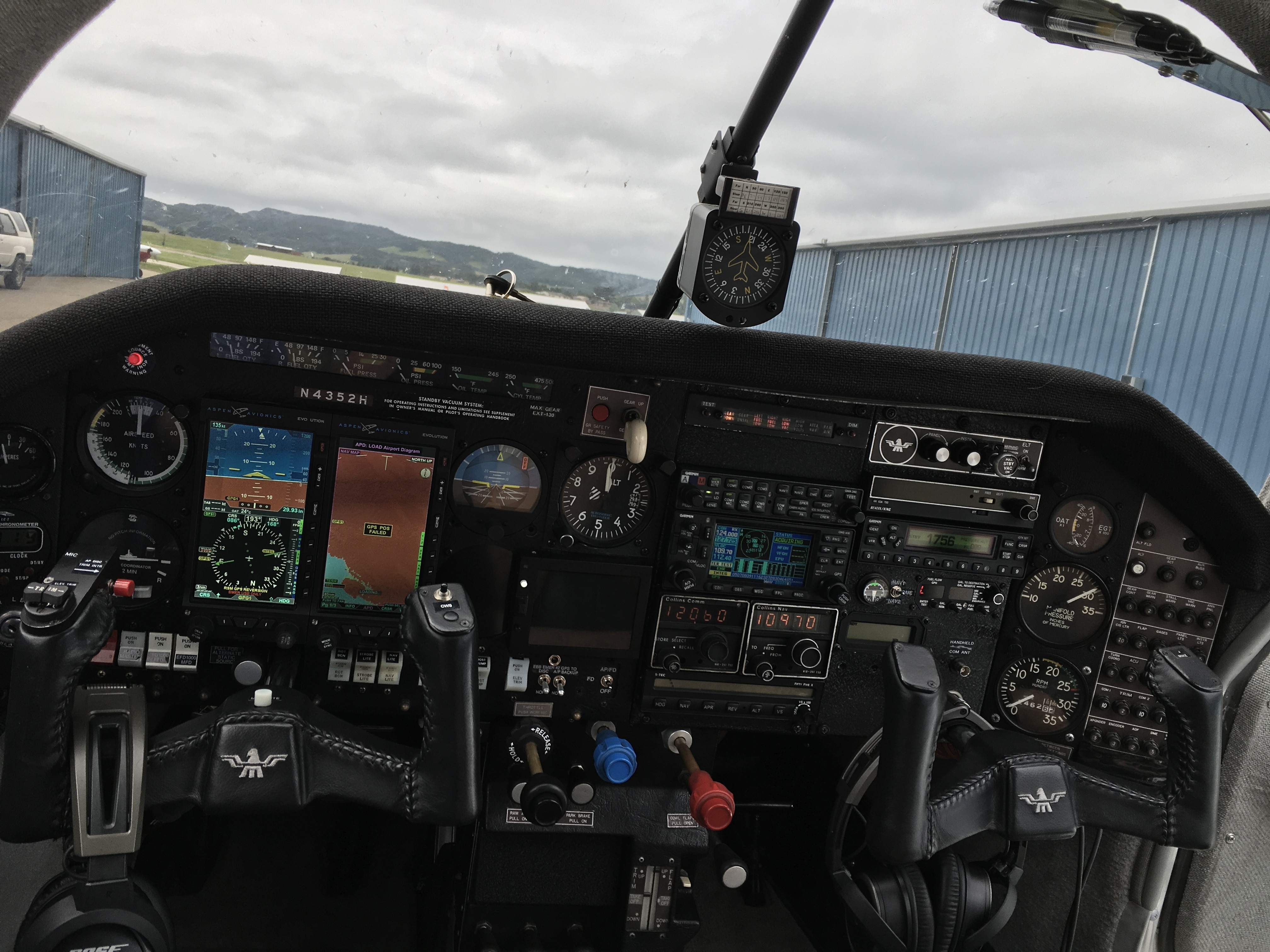
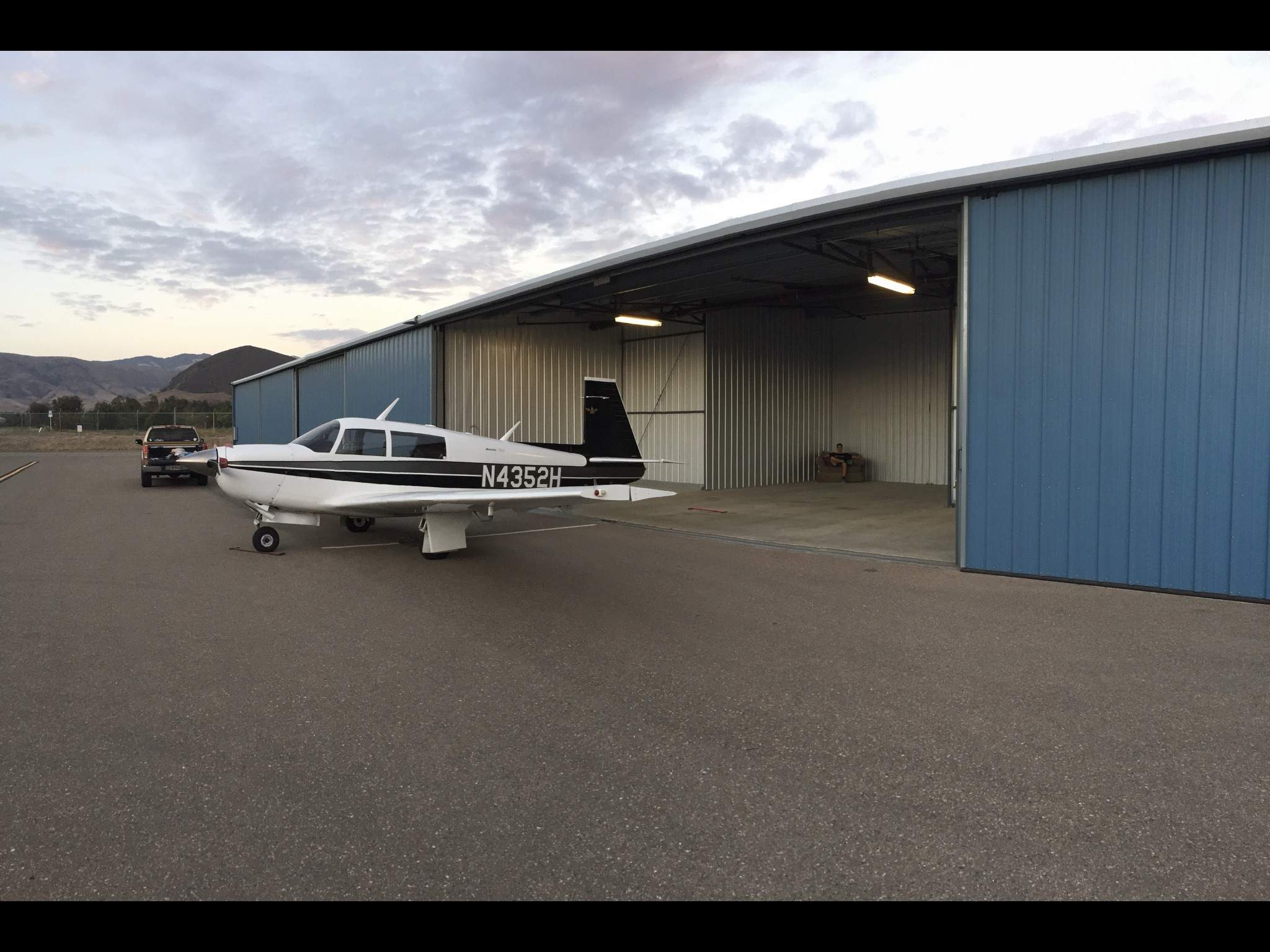
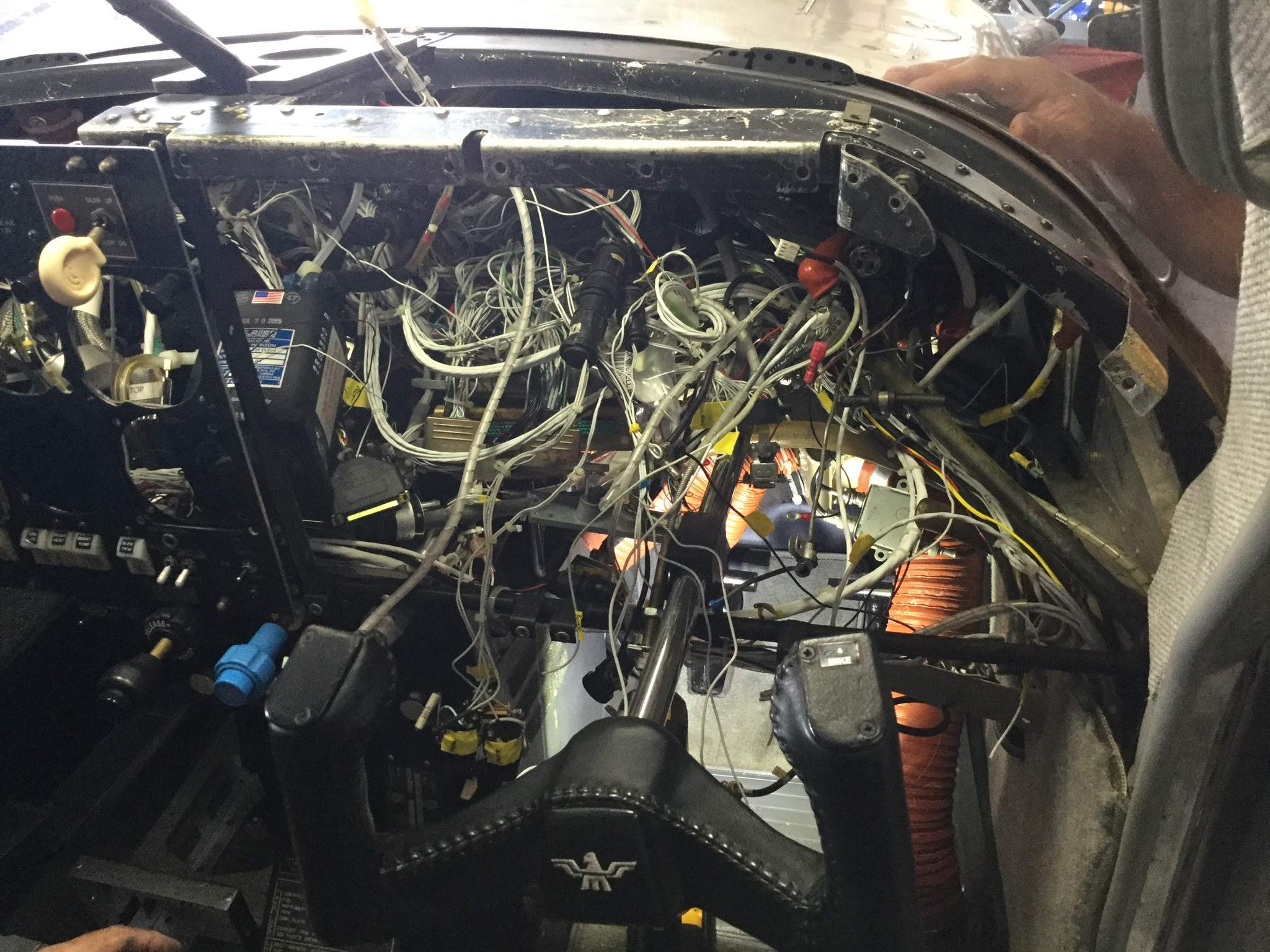
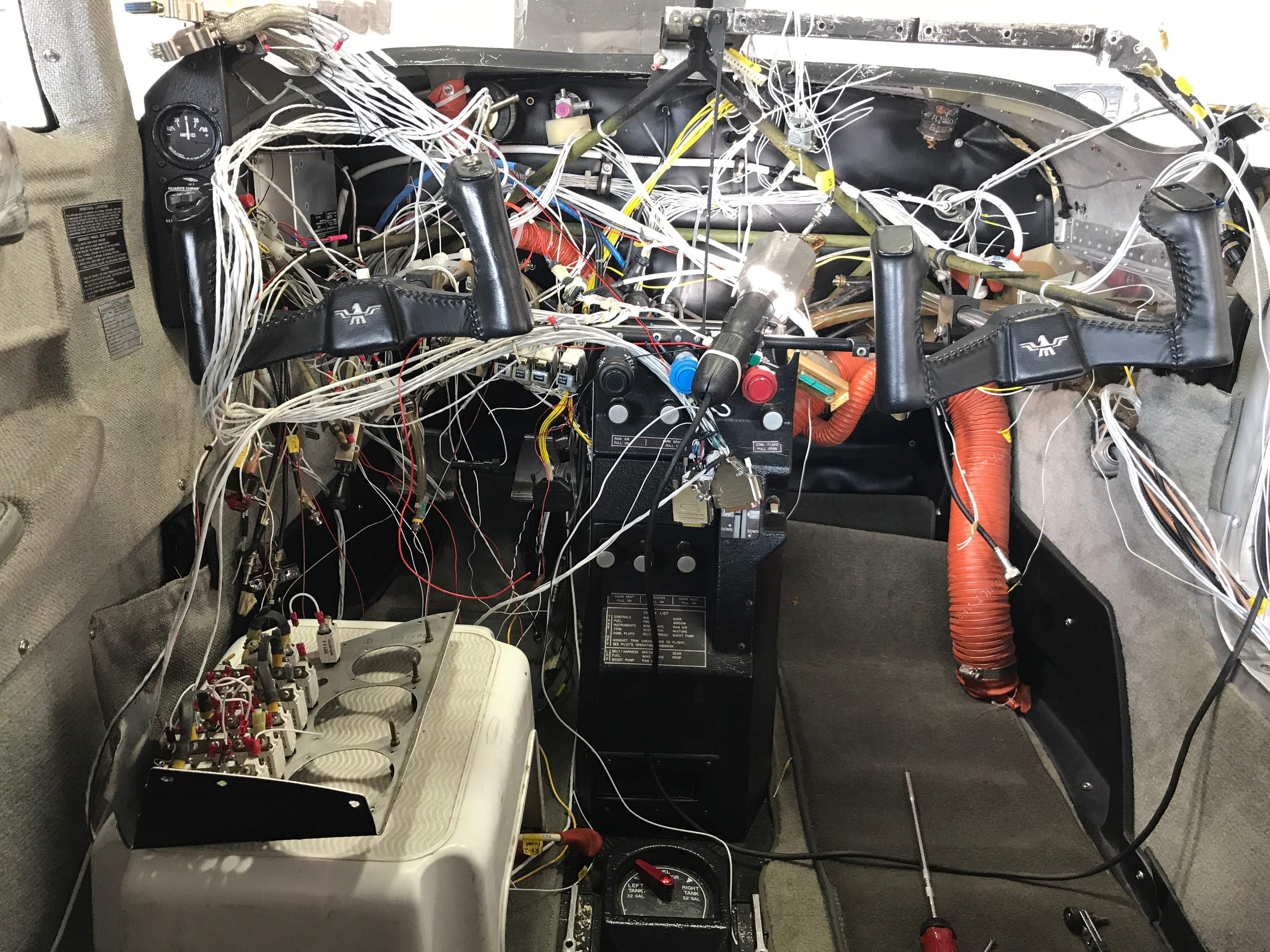
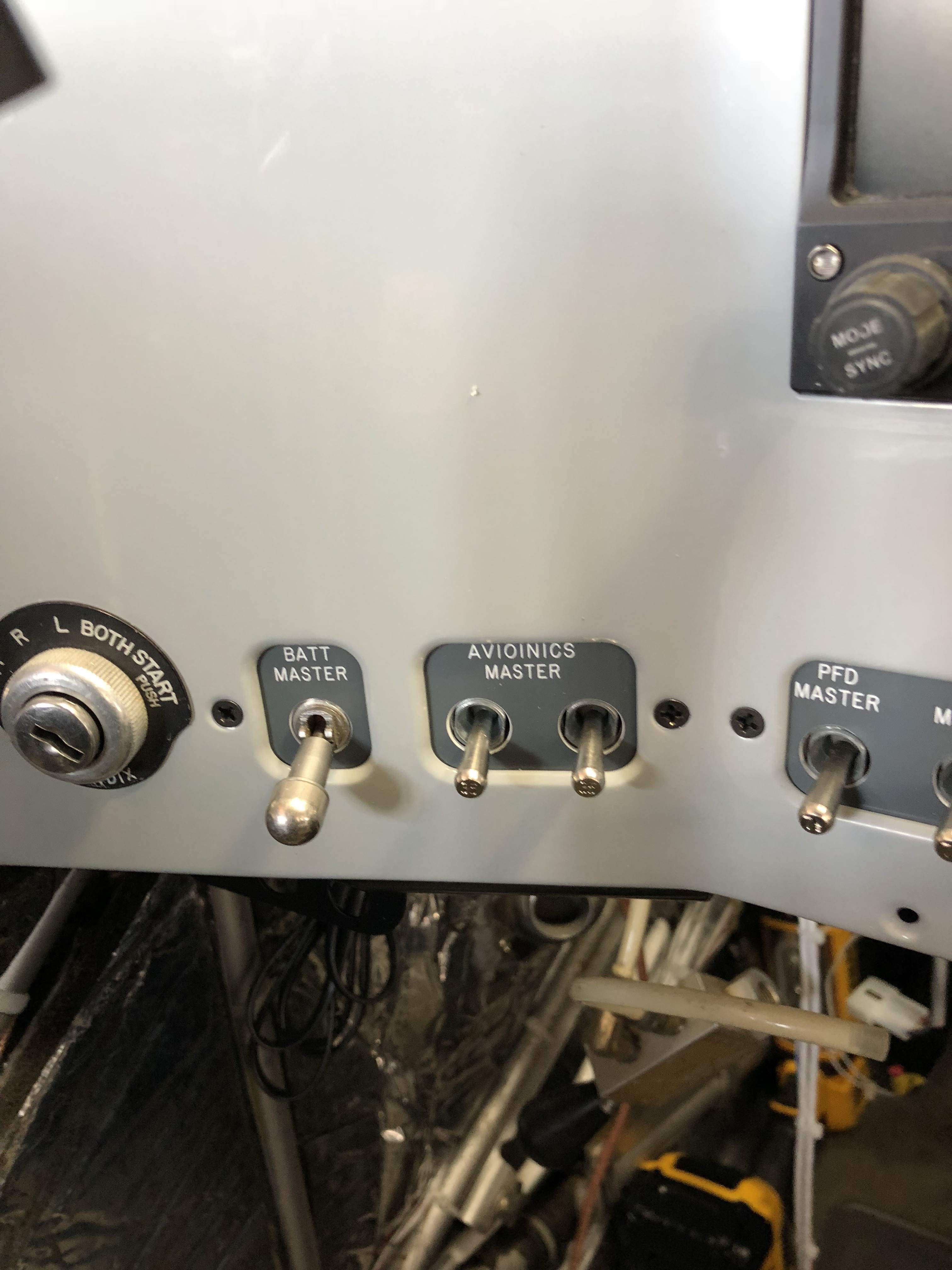
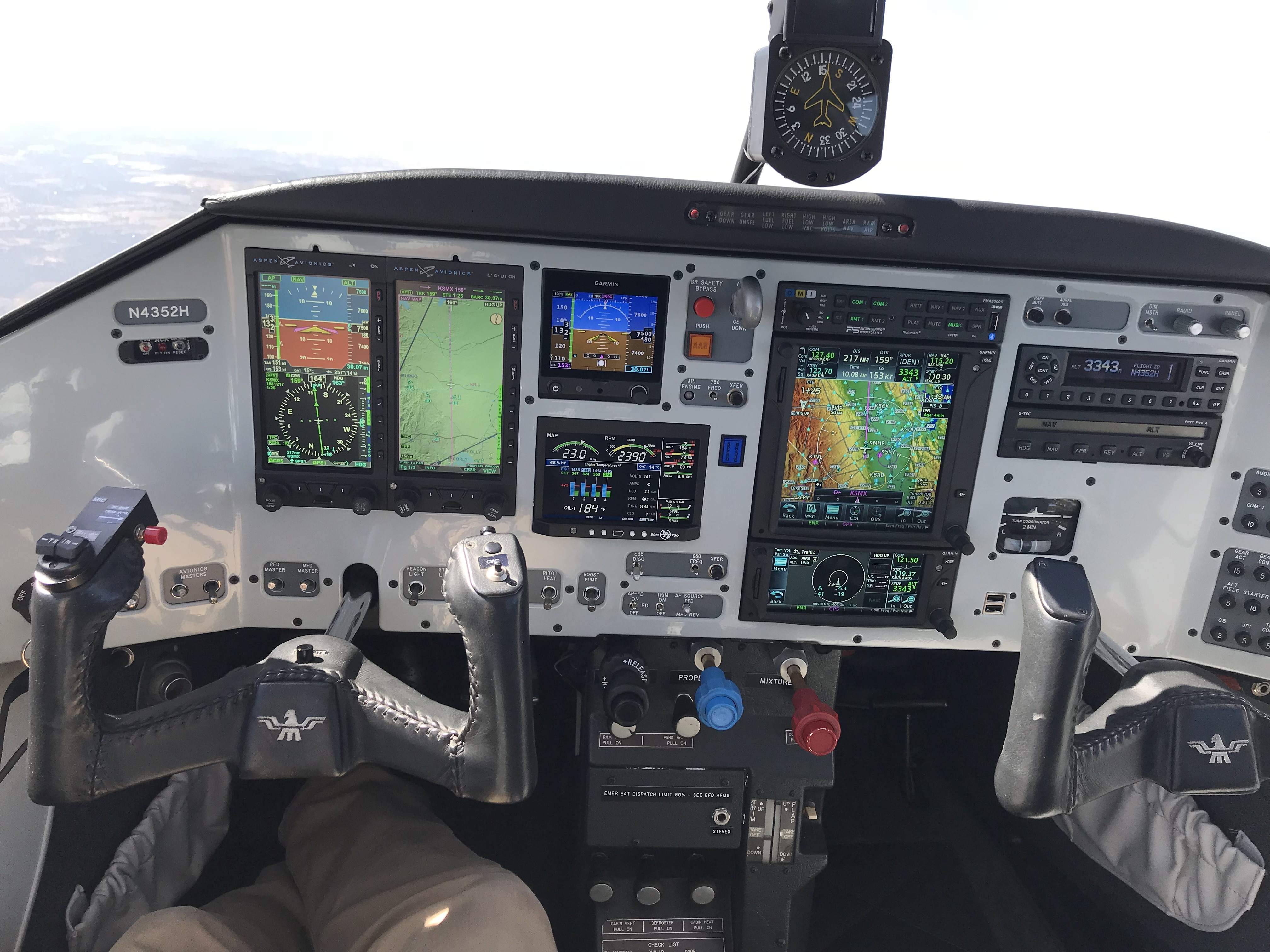
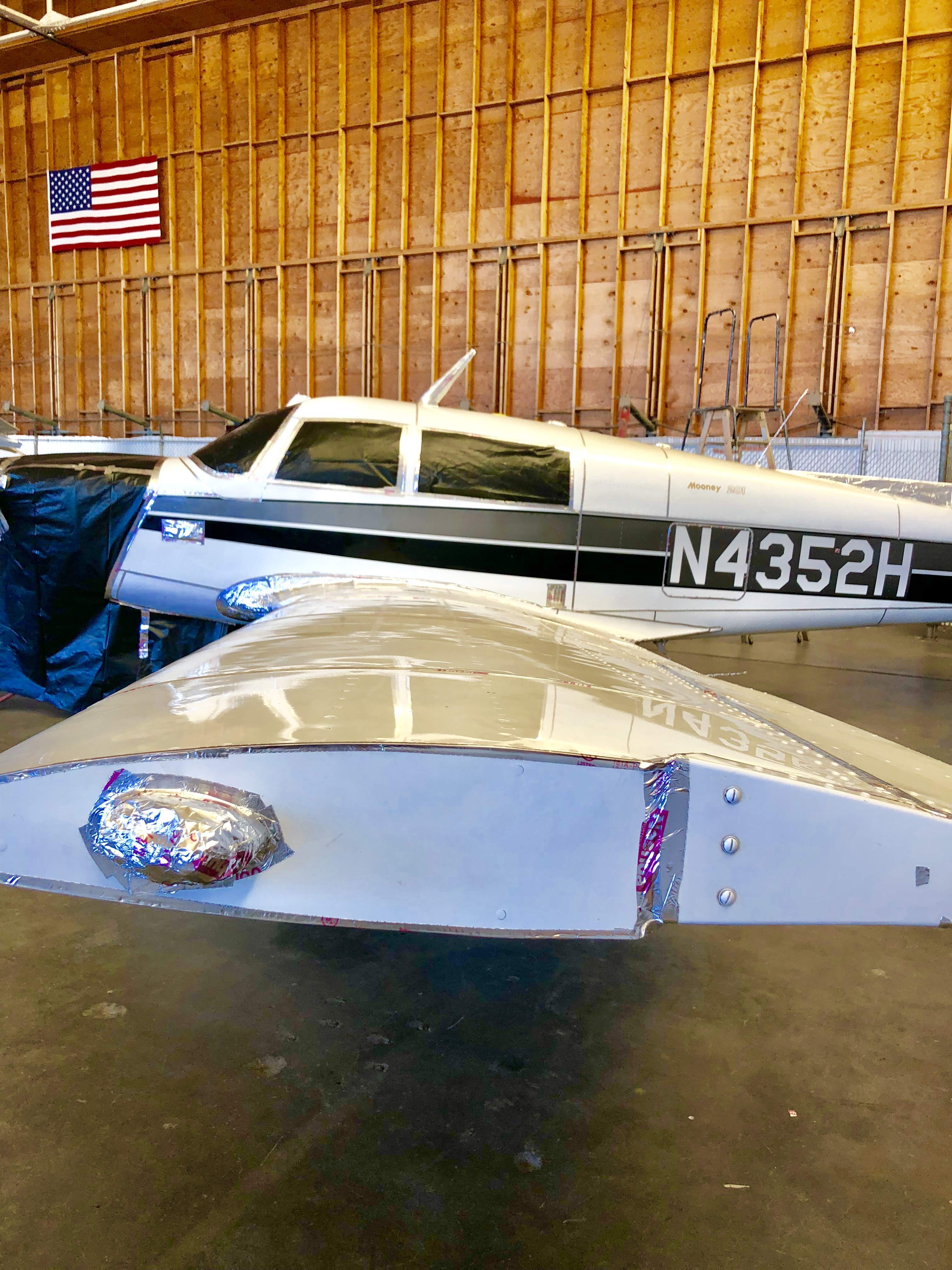
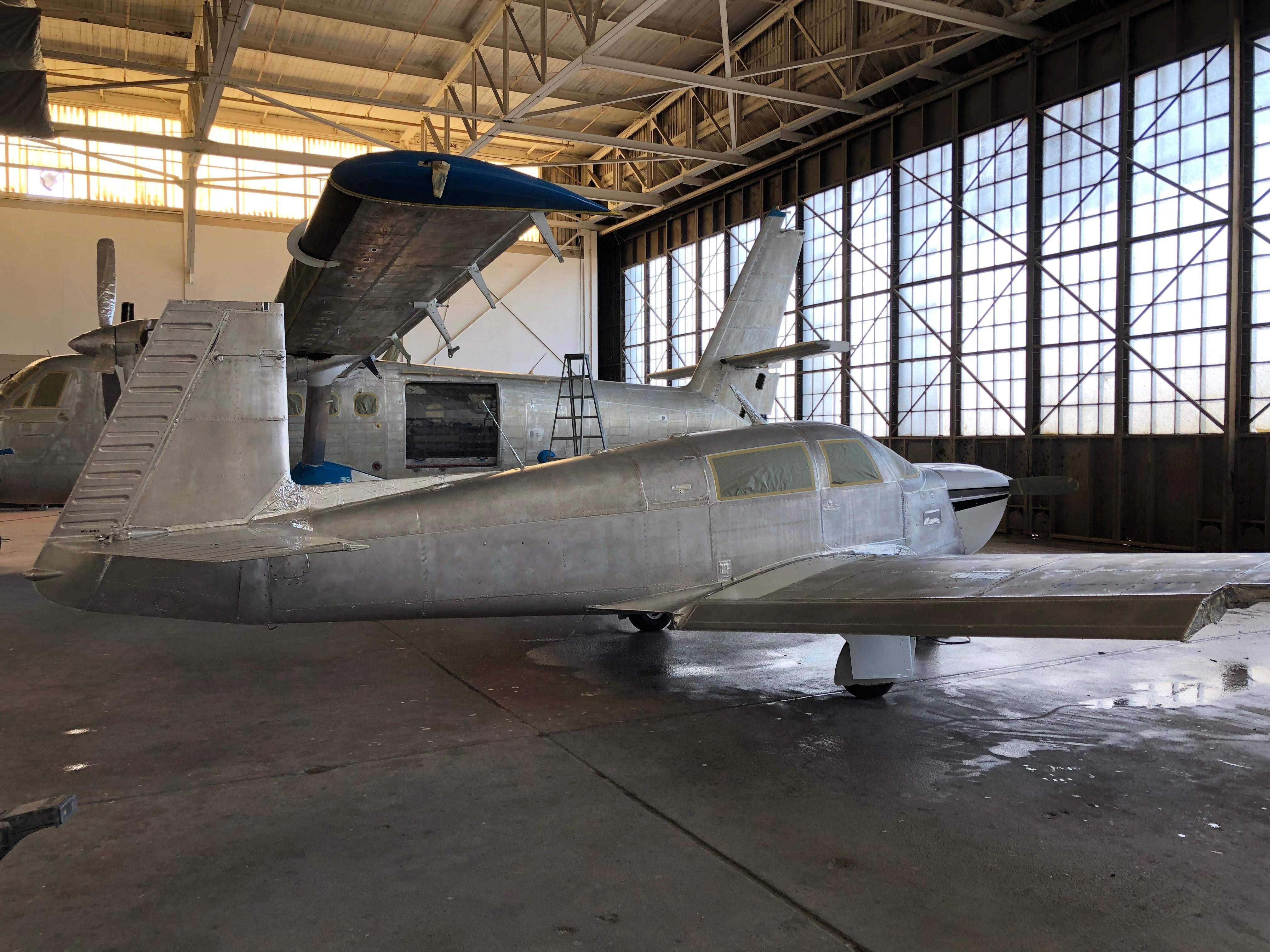
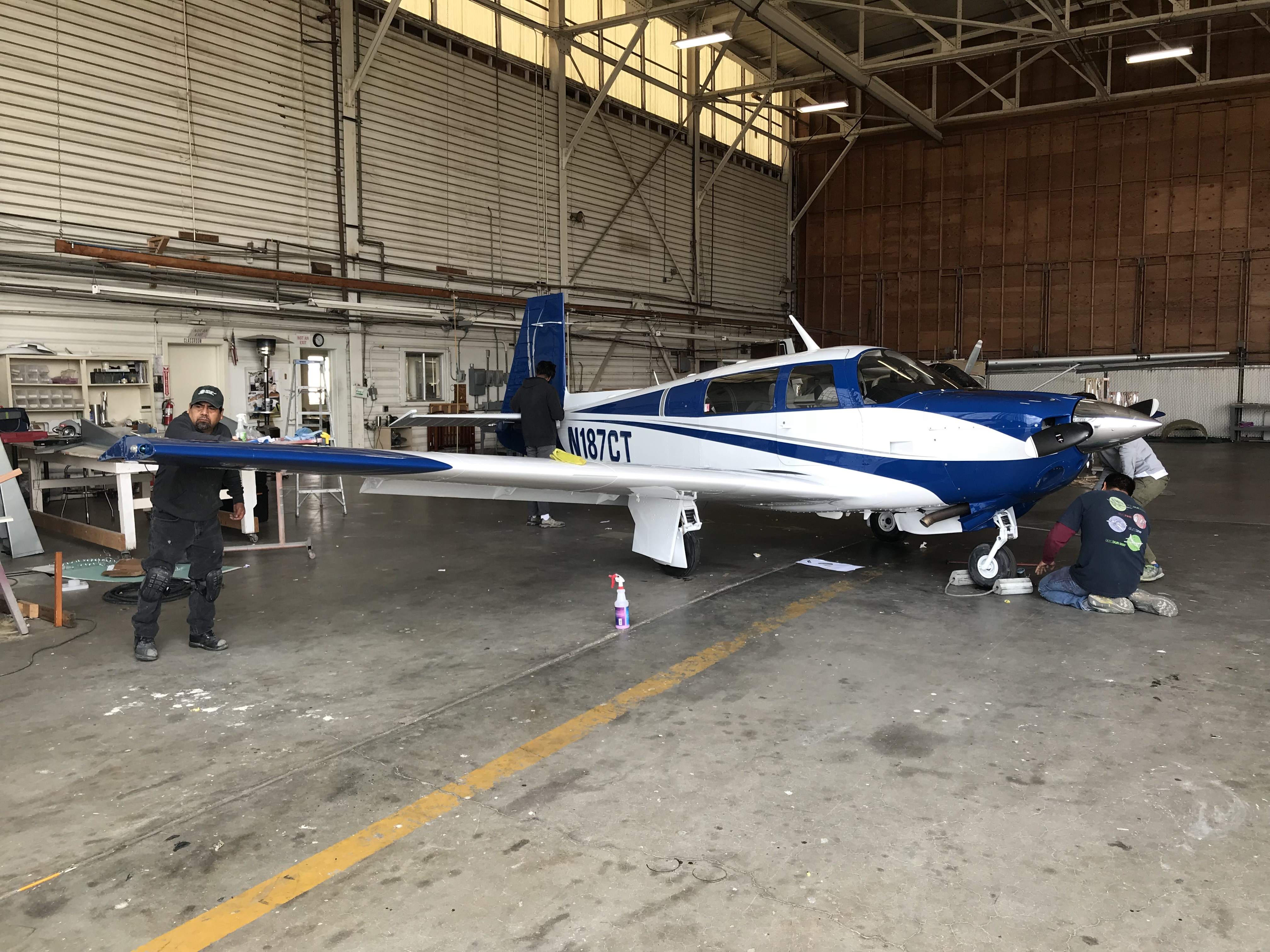
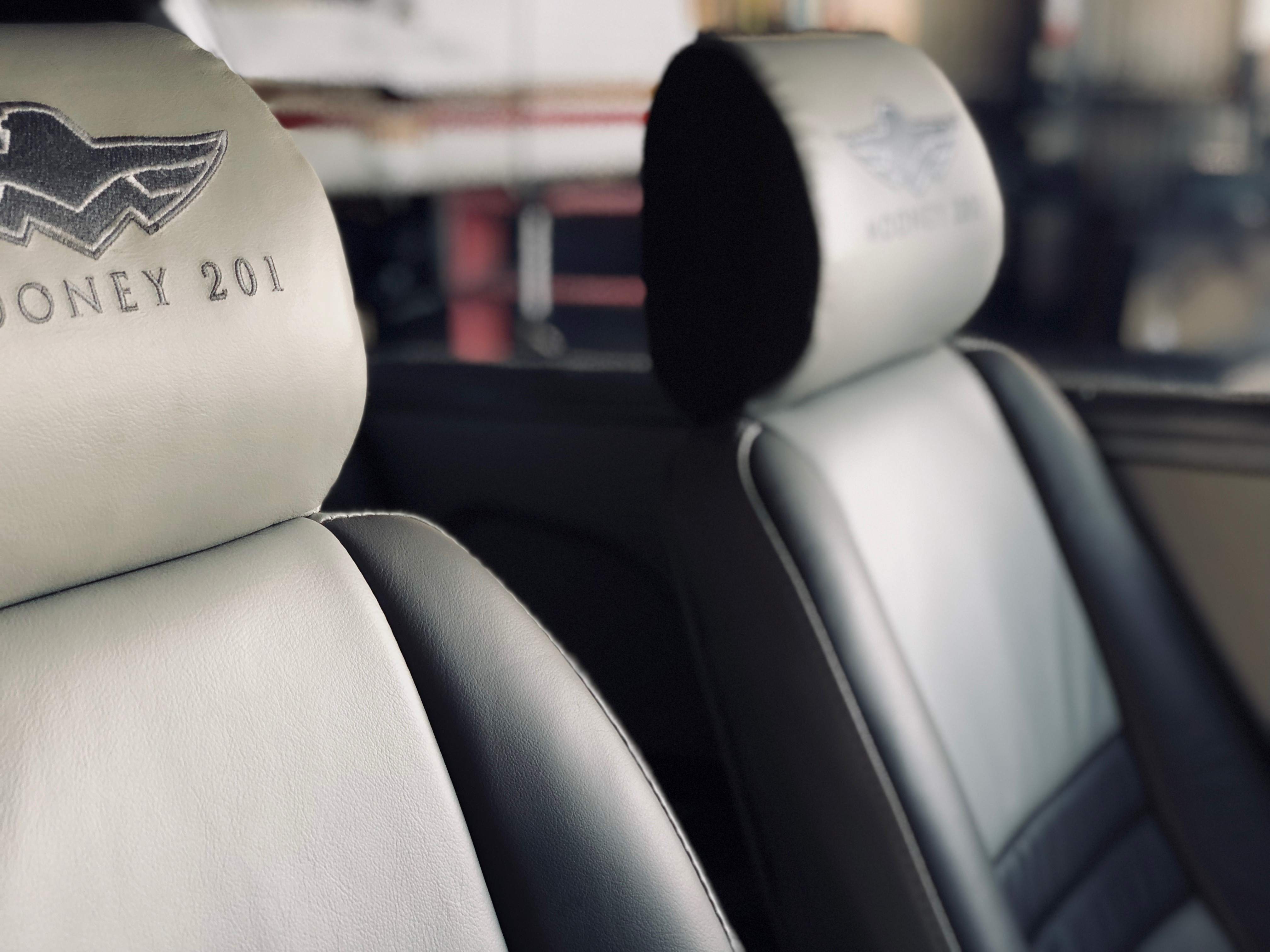
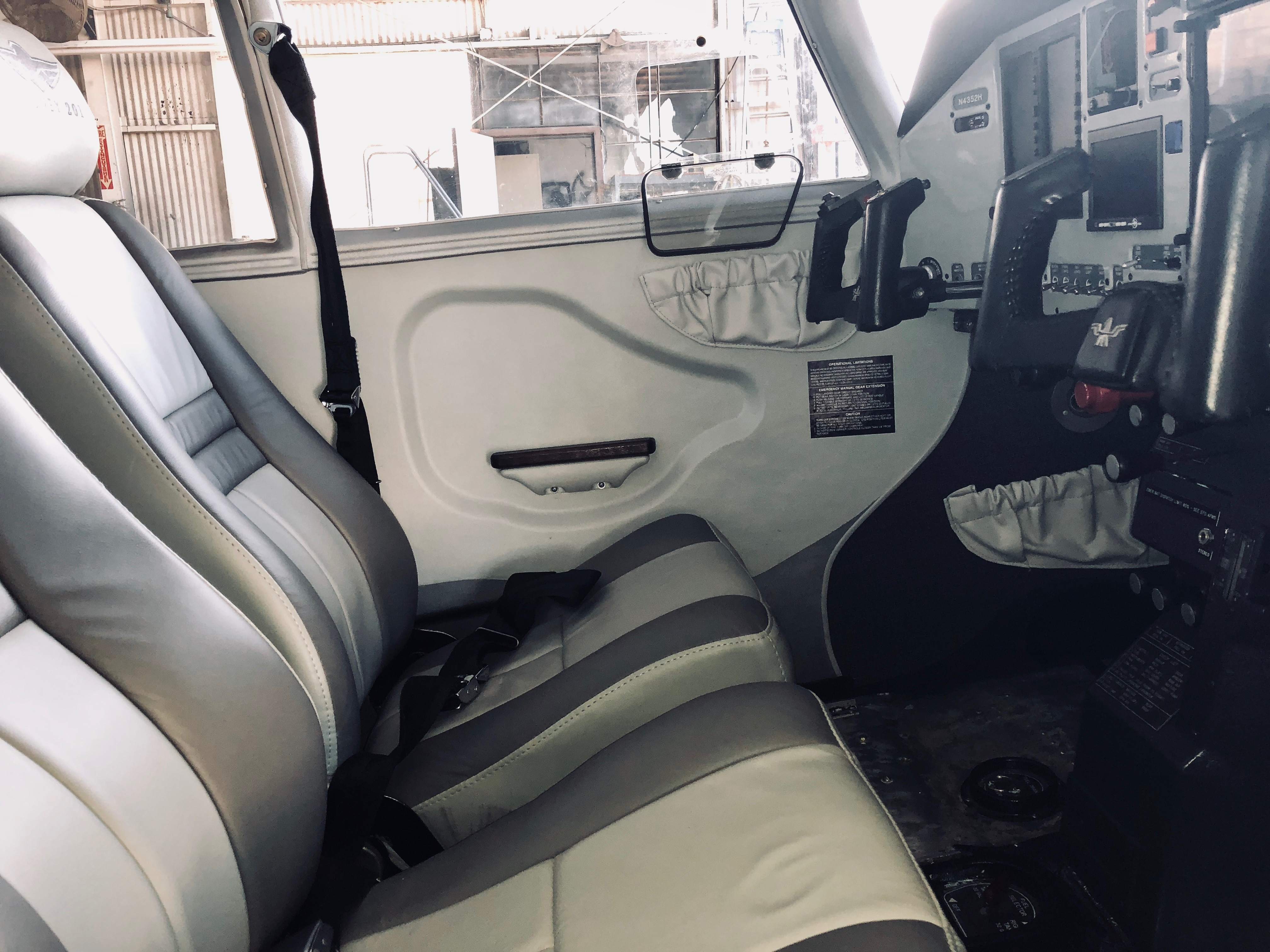
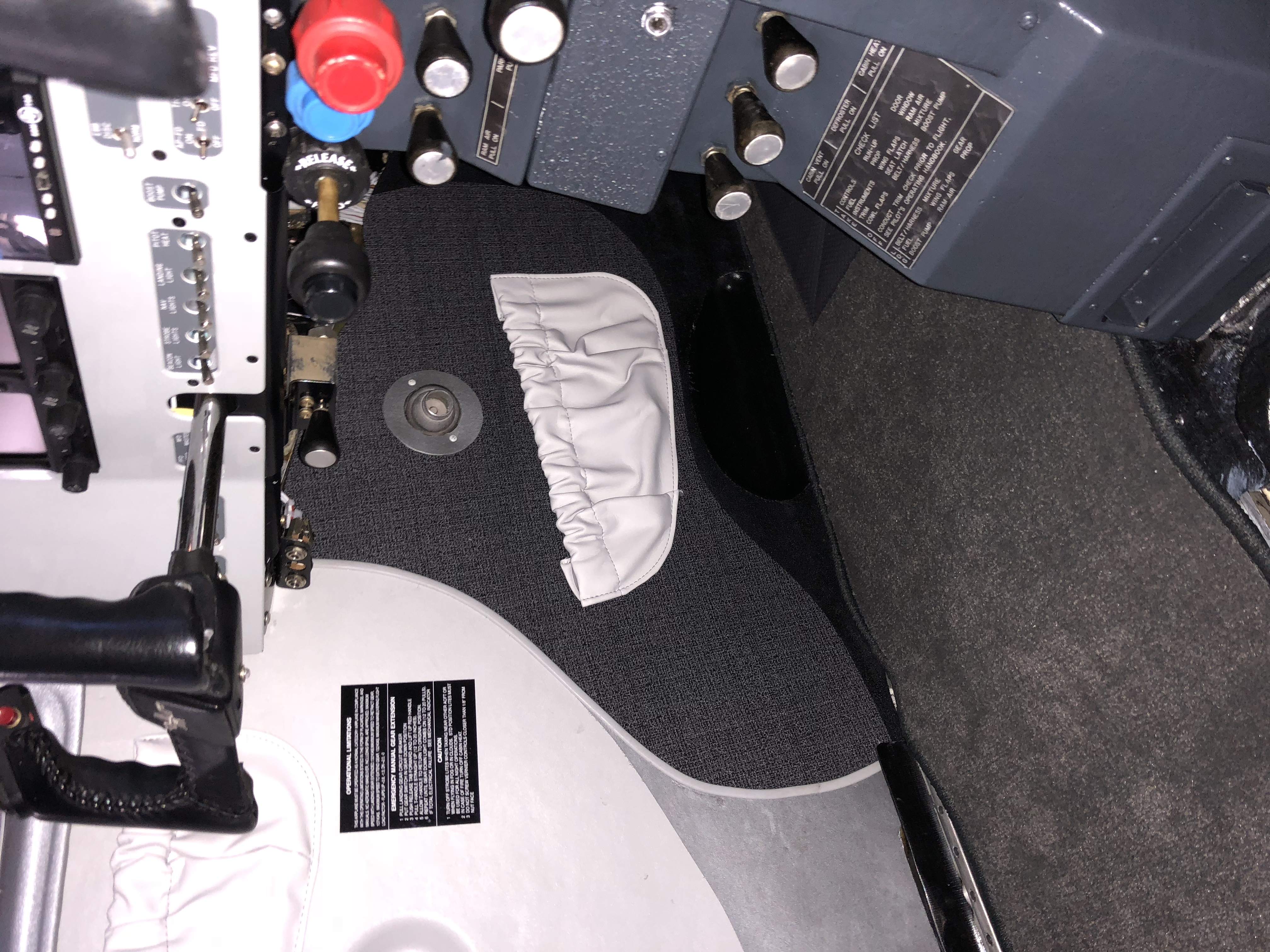
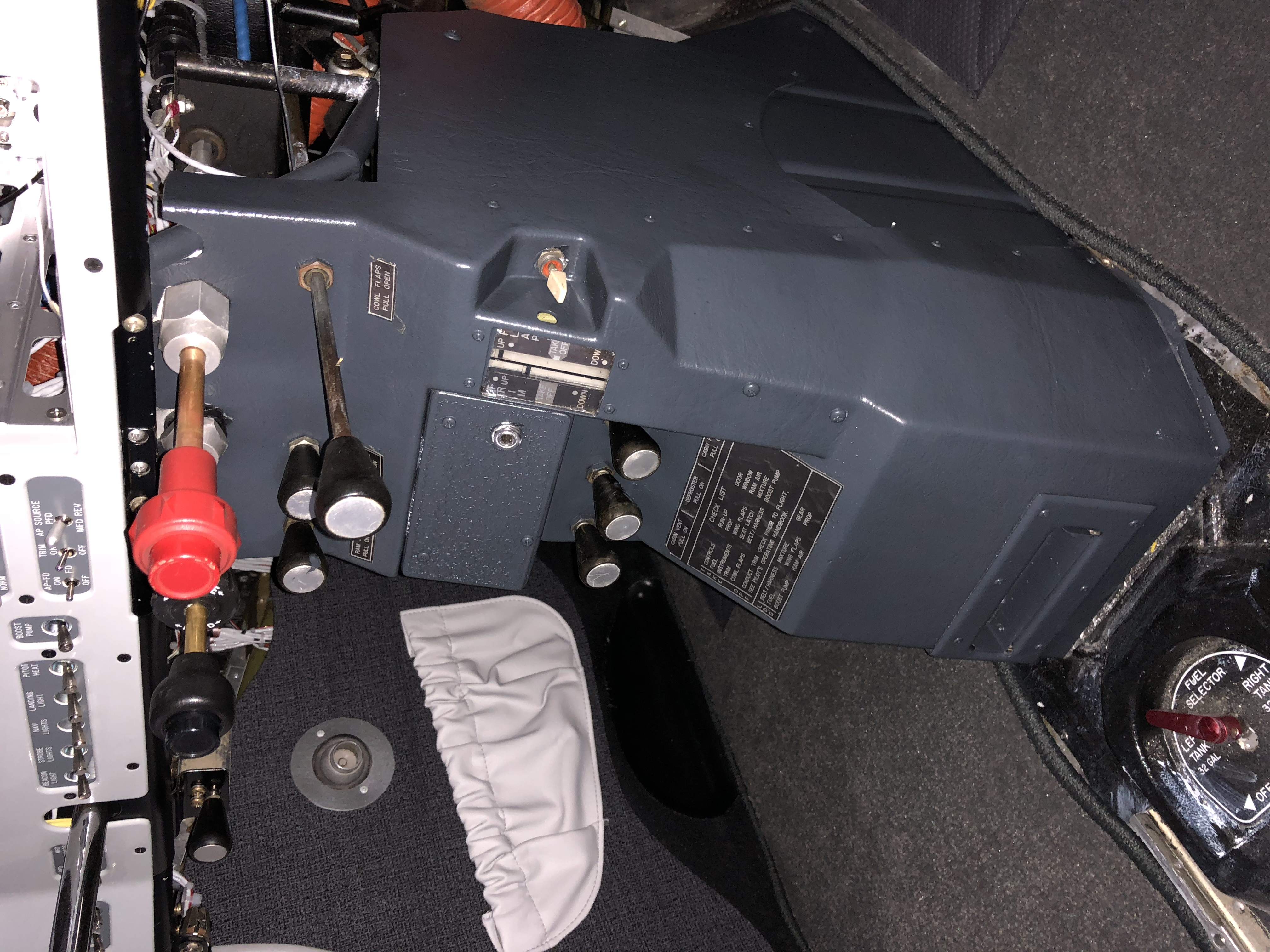
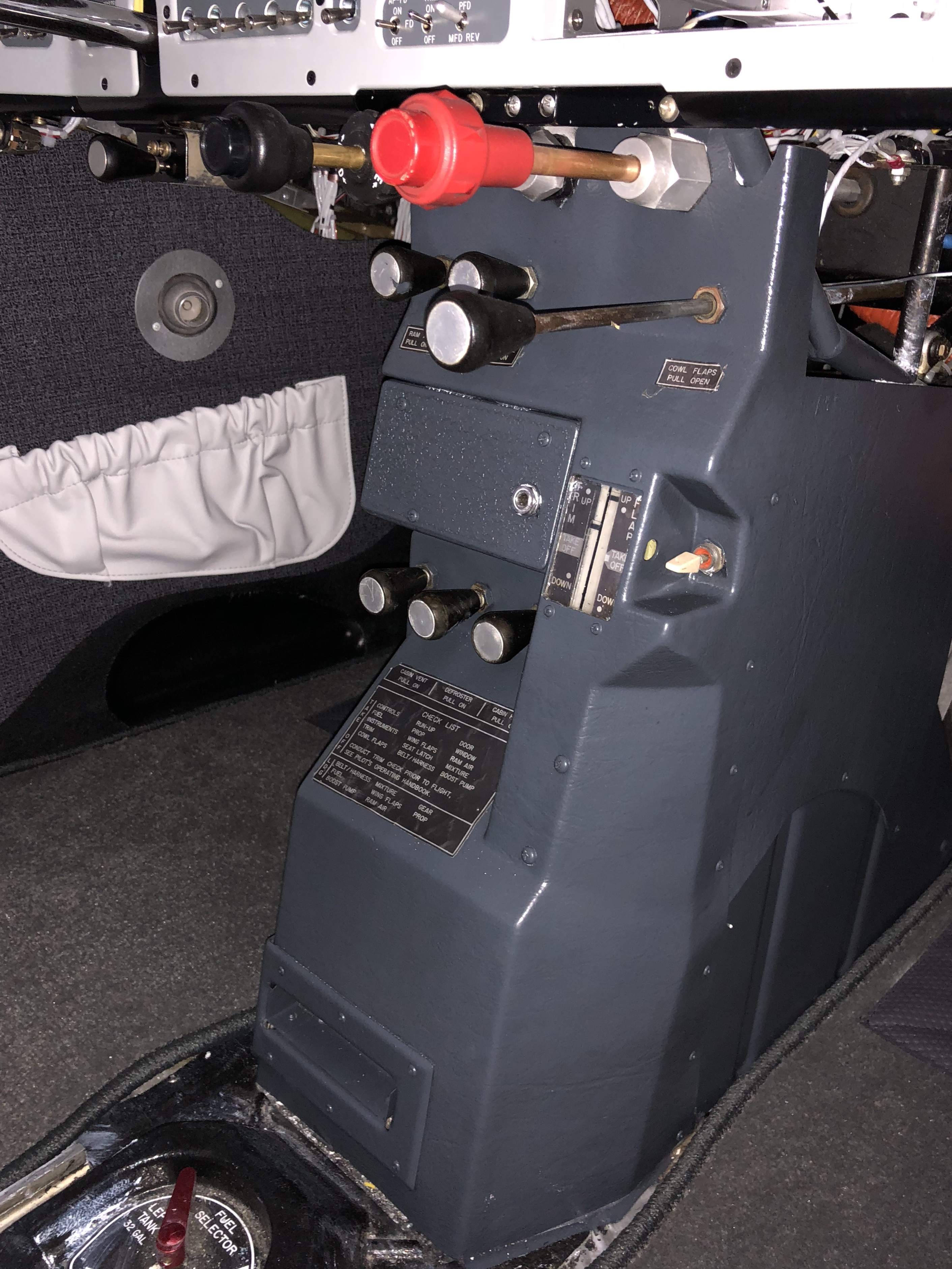
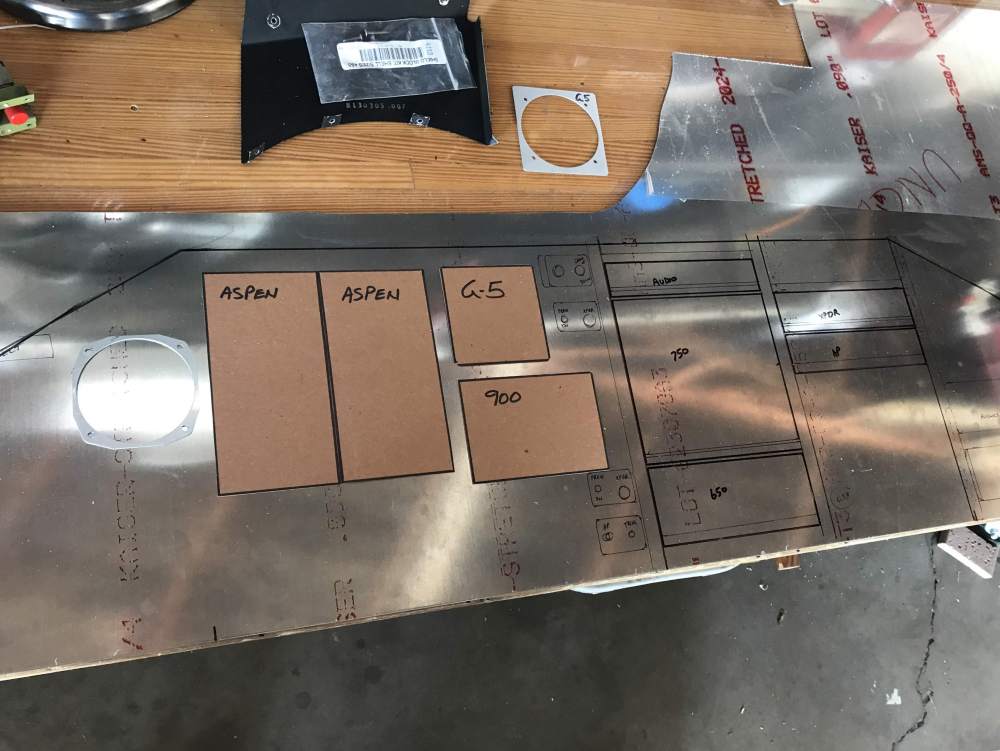
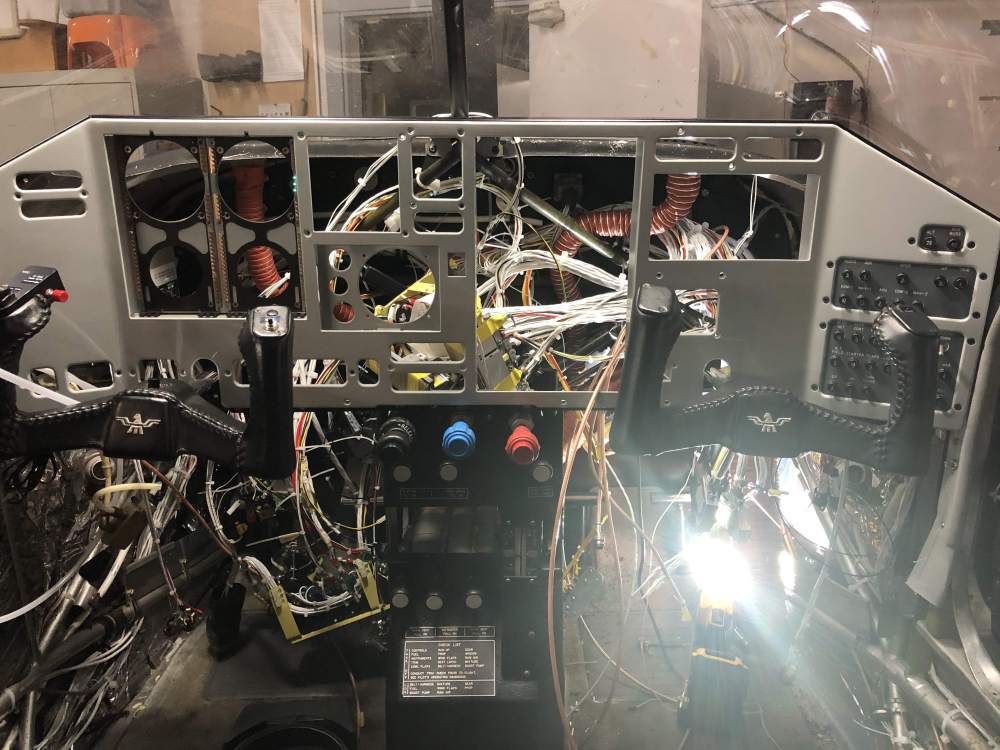
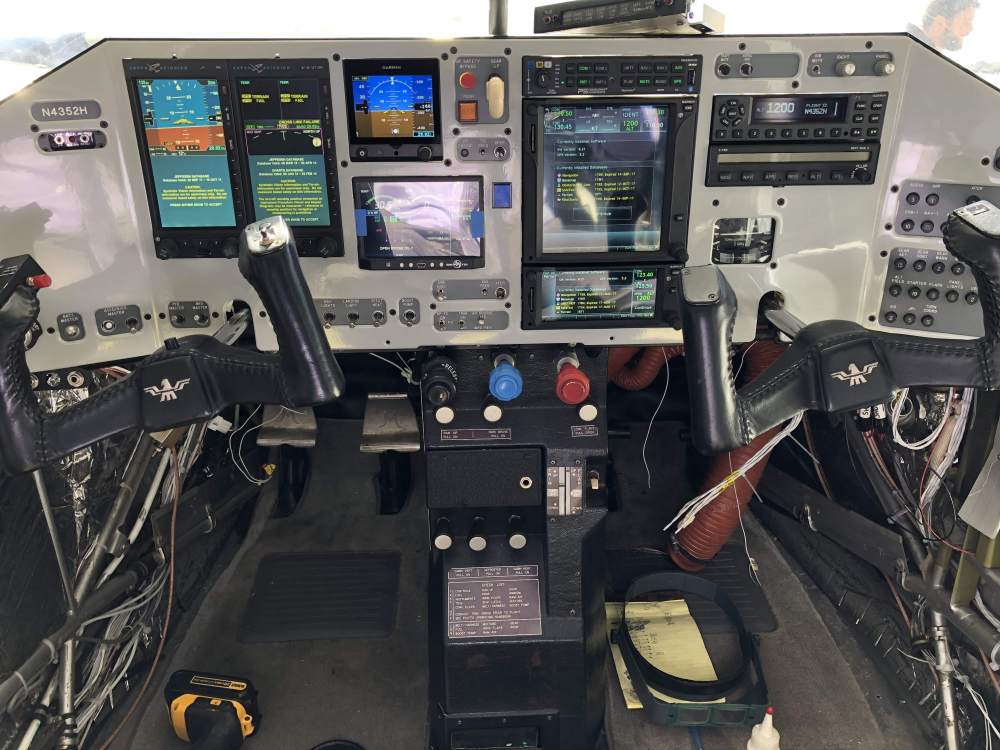
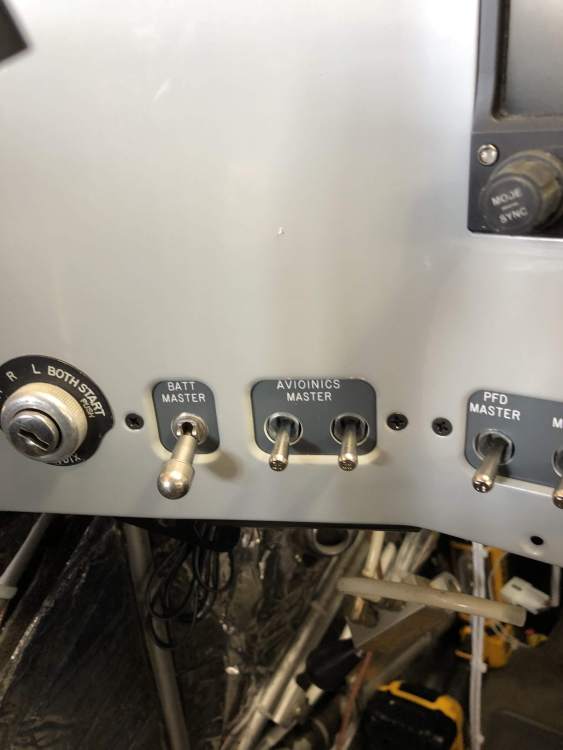
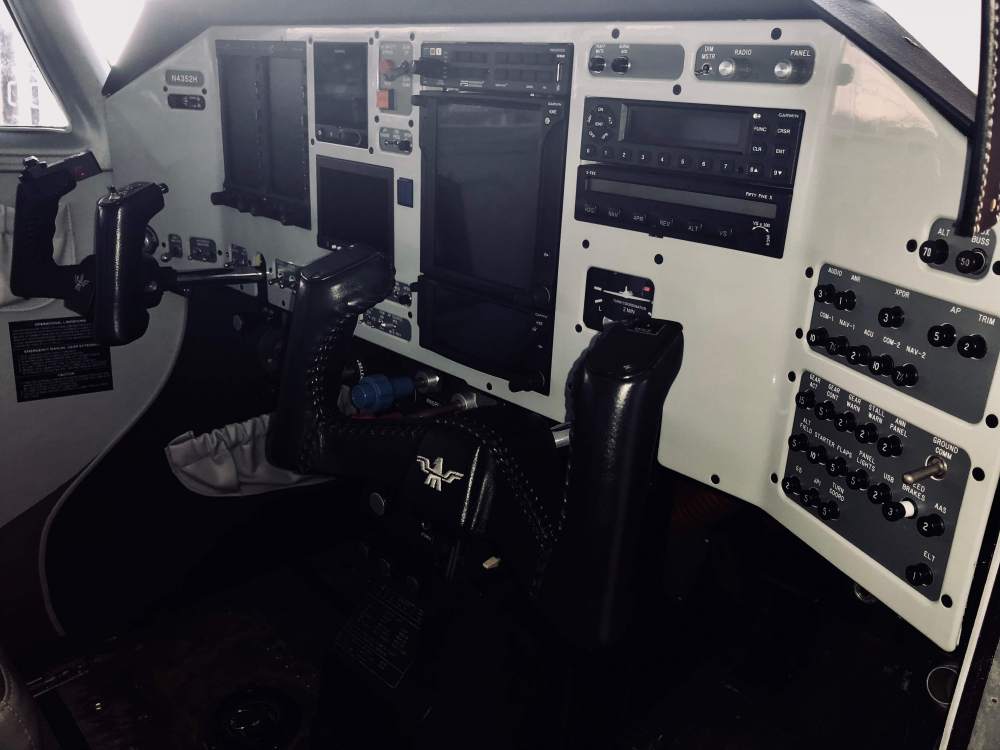
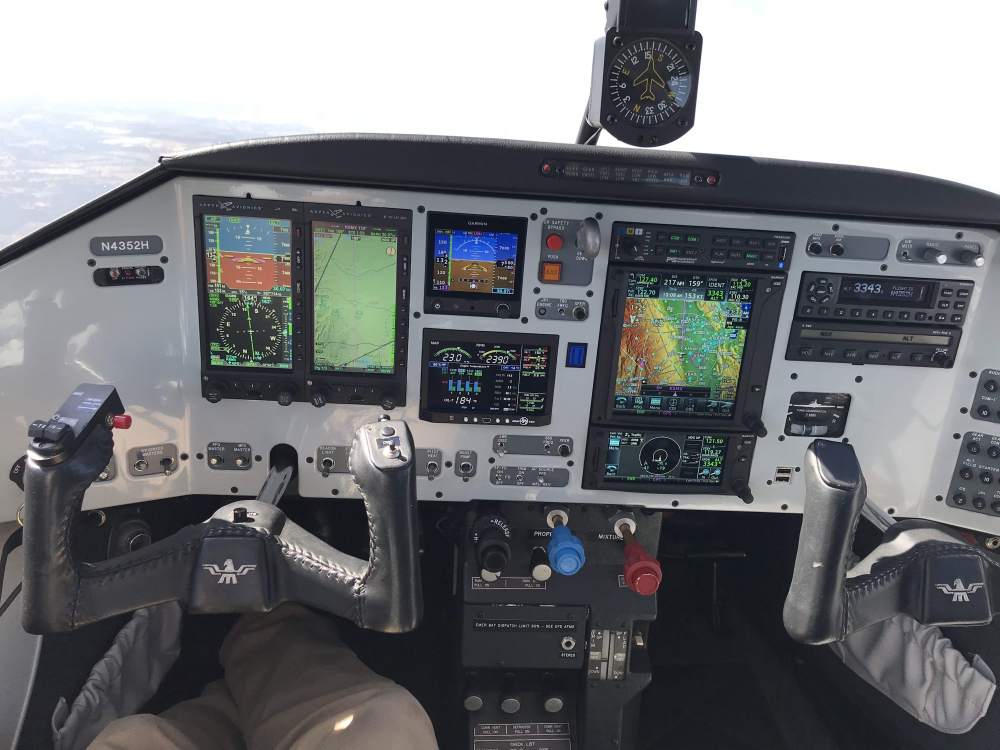
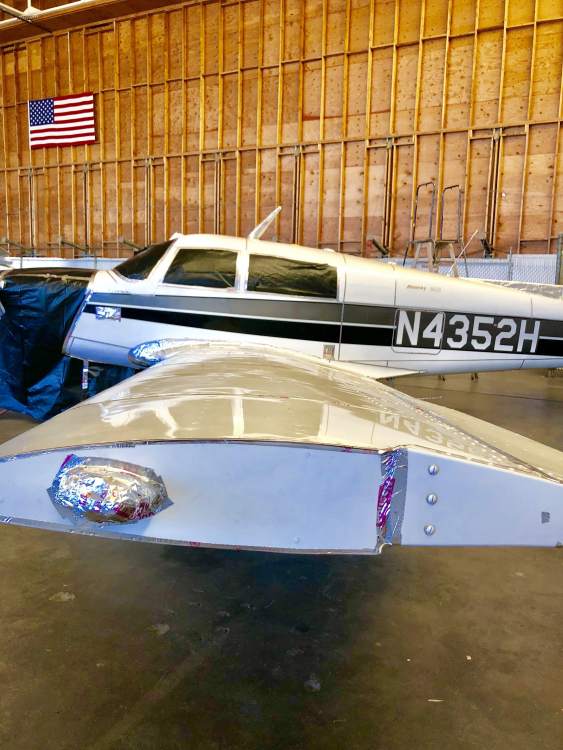
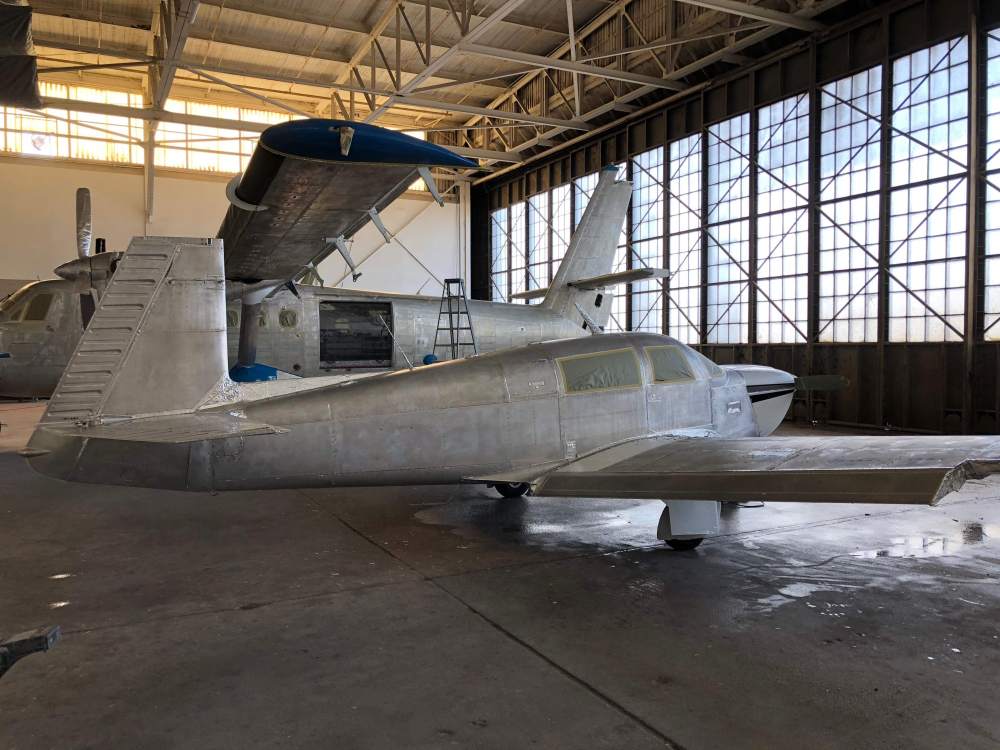
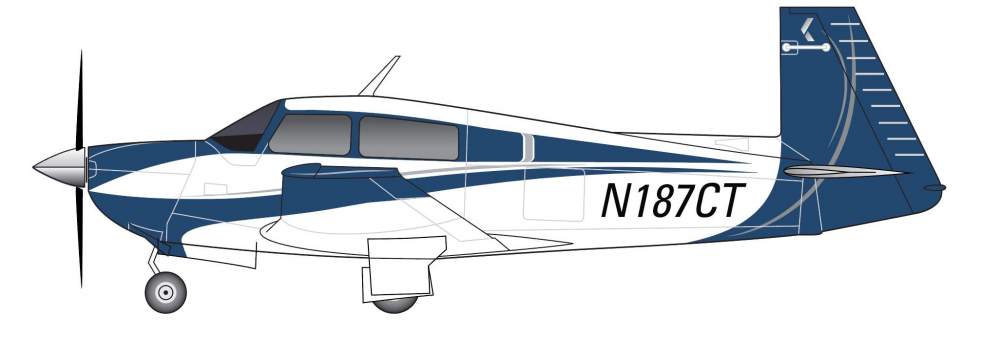
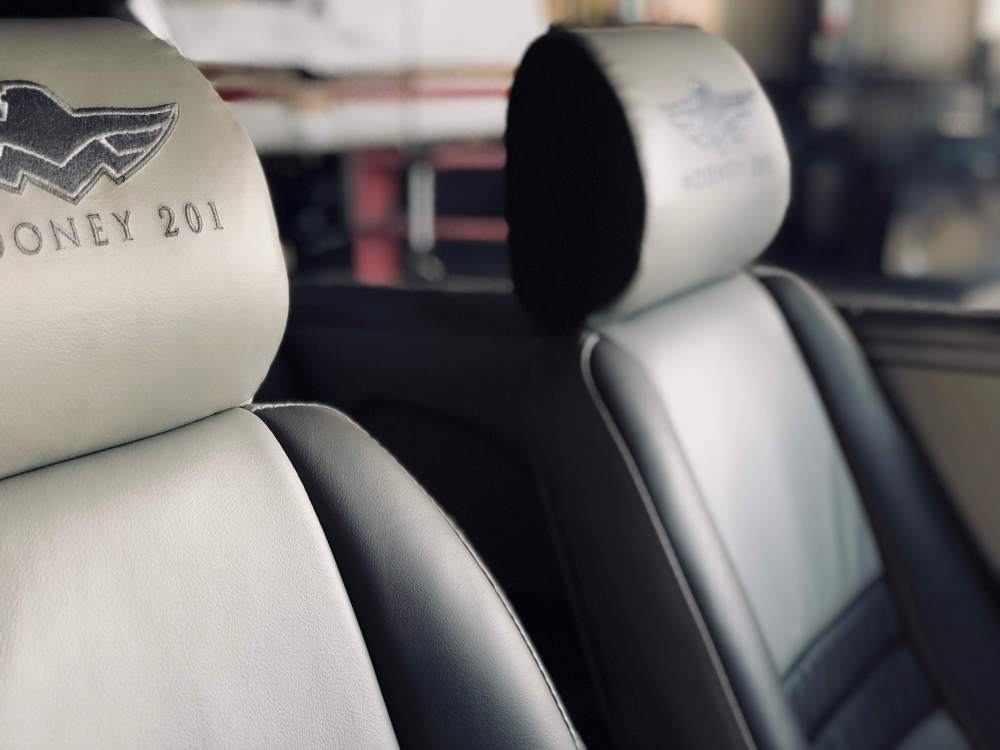
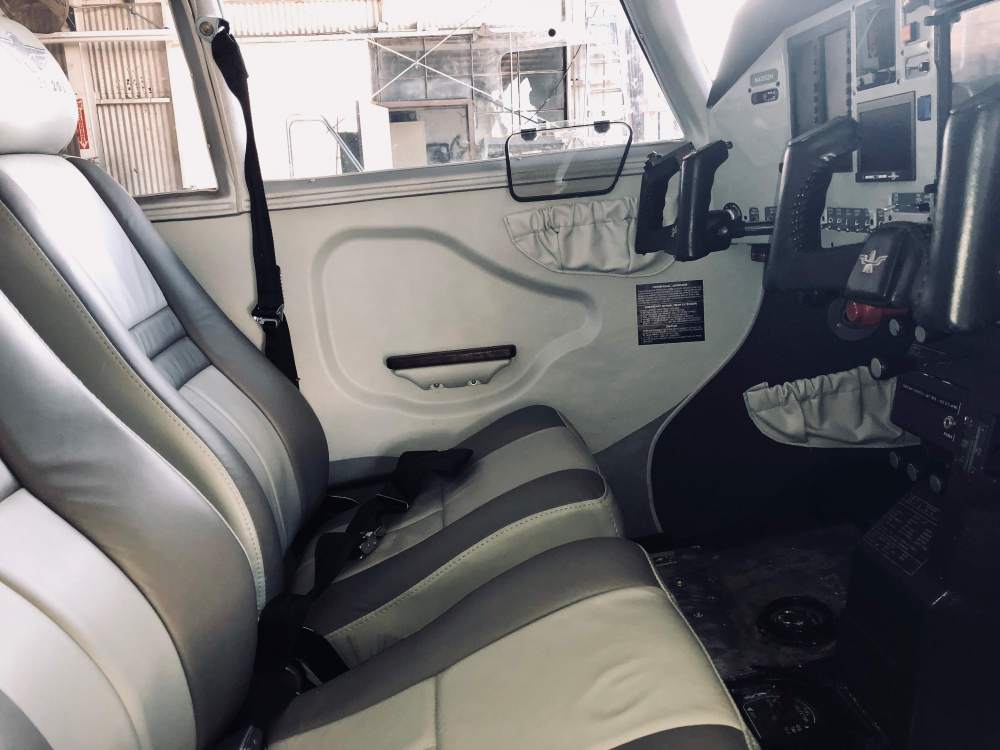
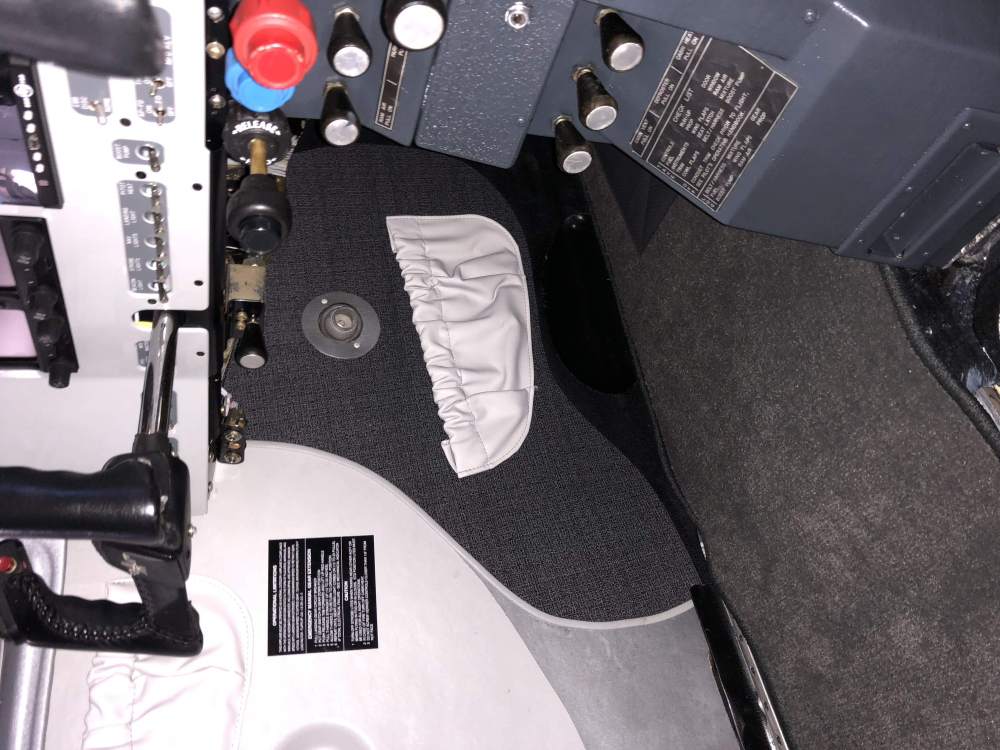
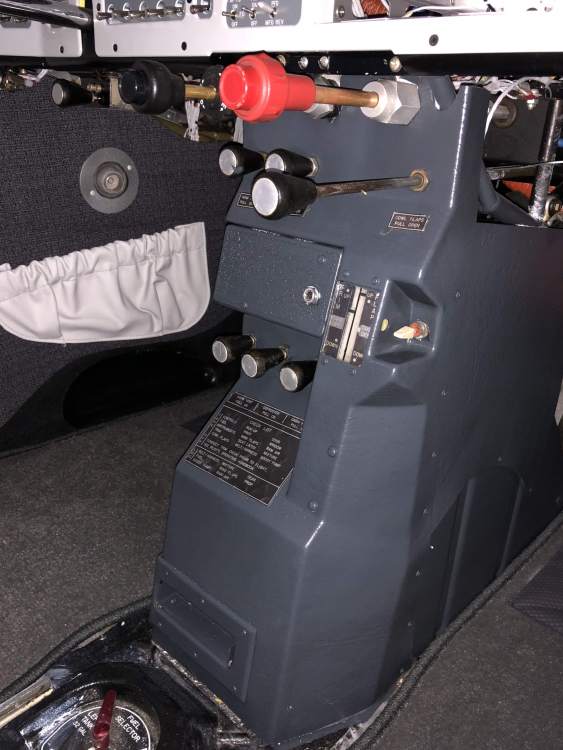
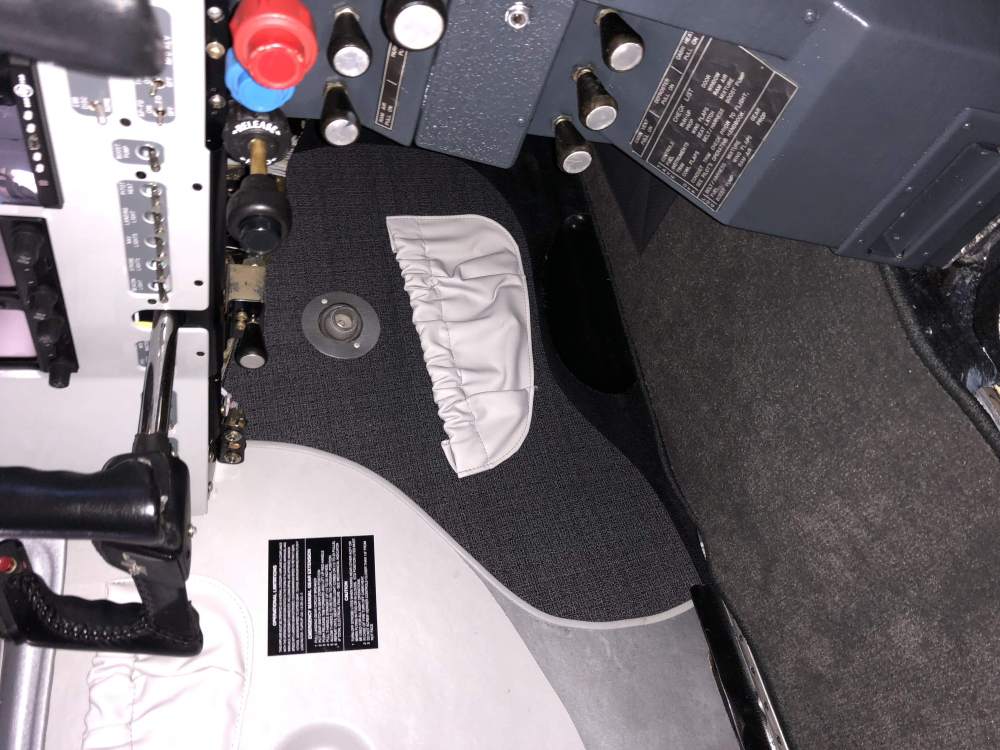
In March of 2015, we finalized the purchase agreement of N4352H, a 1979 Mooney M20J “201”. Early in 2017, we decided it was time to do a full modernization project and ensure the safest and most capable aircraft we possibly could. We figured that this project would take just shy of one year, so I dropped the airplane off one day before new hire class for my airline started. Upon purchase, the aircraft was equipped with the Aspen PFD2000 system, a single Garmin GNS-430W, the S-TEC55X autopilot, as well as the Lycoming IO-360-B3A6. With the exception of those upgrades, the airplane remained relatively original in its equipment. Her most recent coat of paint was put on in 2001 and scored as a 7/10, her interior was from 1997 and also was 7/10. Avionics: We first started the project at Airborne Electronics in Sacramento, California (KSAC), with an entire overhaul of the panel. After much debate, the decision was made for the following equipment: Aspen PFD2000, with Synthetic Vision (previously installed) JPI EDM 900 Garmin GTN 750 Garmin GTN 650 Garmin G5 standby attitude indicator PS Engineering 8000G audio panel Garmin GTX 345 transponder S-TEC55X with altitude preselect P2 audio advisory system Below is the old wiring being dealt with as we progressed through the tear out process. New wiring being installed, not a single one of the original wires were retained: The panel layout was drafted several times throughout the process and mocked up with cardboard cutouts: After harnesses were created the panel was cut and powder coated. All harnesses were assembled in a manner that lets the avionics tech remove a few screws and pull the individual components down and underneath the panel for ease of maintenance: Finally, operational testing of the equipment began, this was an exciting day for all of us: As an aside, I hated the rocker switches in the original panel, so we went with a more typical switch setup, for any CRJ drivers, you may recognize that battery master switch: The panel and glare shield once installation was complete and she was ready for her ferry flight to Auburn, California (KAUN) for annual: After annual she began her last flight as N4352H down to Santa Maria, California (KSMX) for paint art Art-Craft Paint (http://artcraftpaint.com/). Paint: I dropped the airplane off at Art-Craft and discussed our project. They were certain they could pull off the design within the 30 day window as quoted, and they delivered perfectly on time and on budget. The masking and foil process began the day I dropped her off: The paint was stripped and they kept me updated every Friday (minimum) as to her progress of becoming N187CT. The base layer was applied: And finally the picture that got me the most excited about this project, seeing the paint start to come together, taken two days before delivery day: Finally delivery day! I showed up via Uber as they were just putting the finishing touches on the aircraft: The final product. It was a mix between the Mooney Acclaim paint job, and another scheme that I preferred for the tail design: Below is the original design that we presented to them: Interior: We contacted Bruce Jaeger of Spatial Interiors (jaegeraviation.com) to come out to Sacramento to help us bring the interior into a modern age and style. Bruce spent three days in the middle of summer heat reconditioning and repairing our original 1979 plastics. The results were incredible. The attention to detail that Bruce demonstrated was second to none. He spent the time to repaint the center control stack as well to bring it inline with the rest of the aircraft stylization as well. Finally, the seats were updated to include "Mooney 201" badging. All in, the project took about 9 months, a long time to be without our beloved Mooney, however it was the best decision we felt we could have made to create our dream airplane. Kyle http://www.comstockaviation.com/
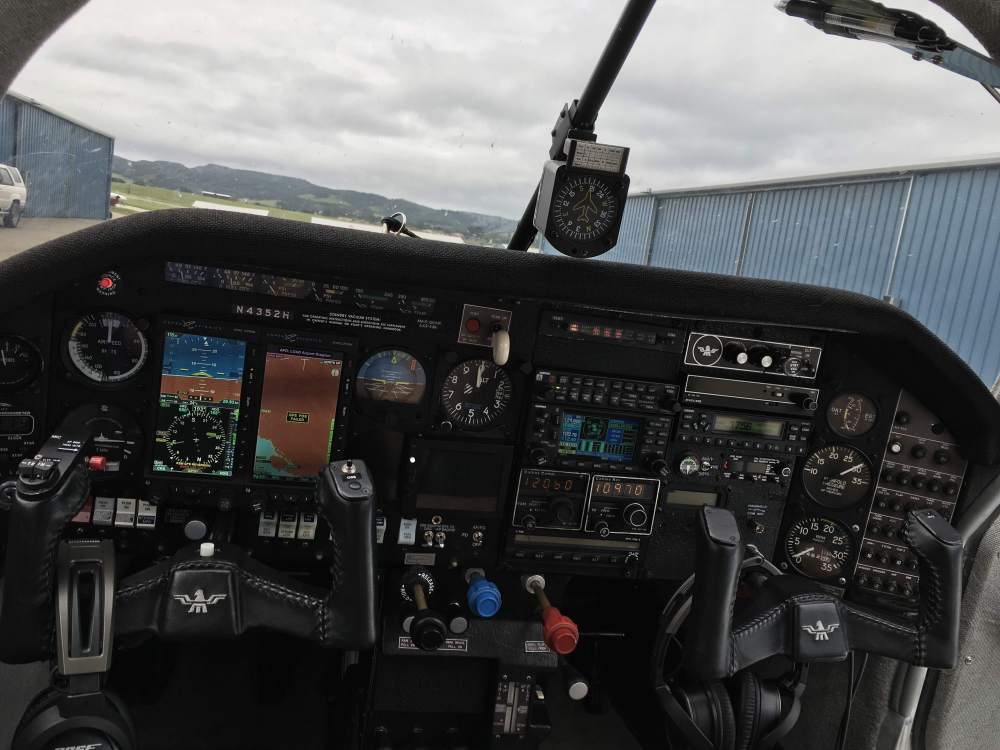
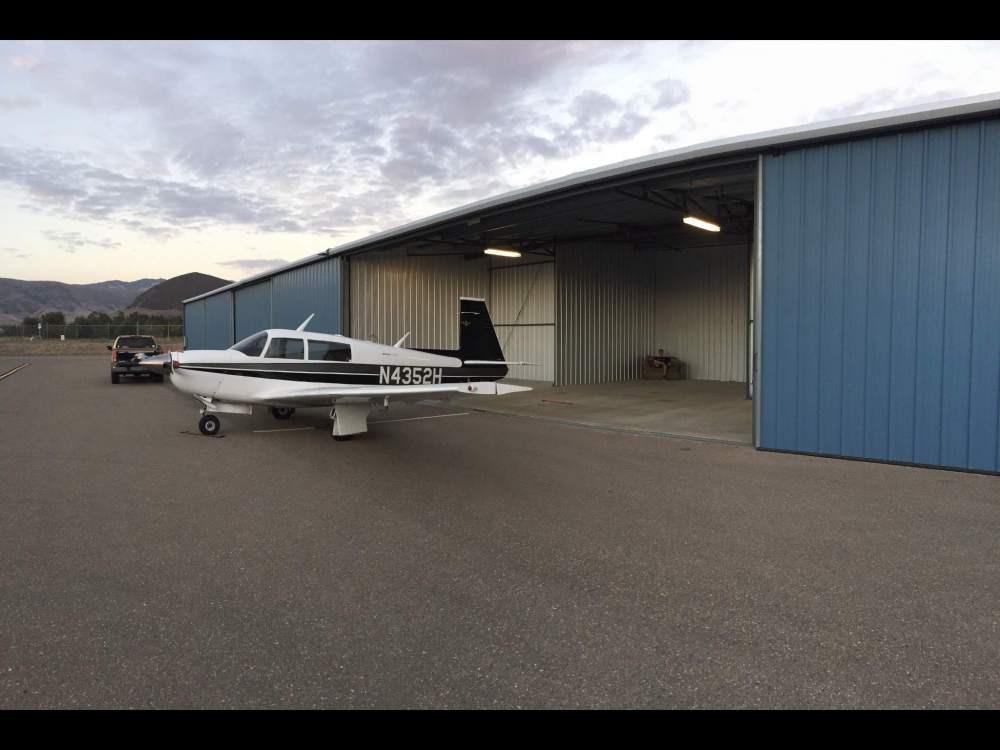
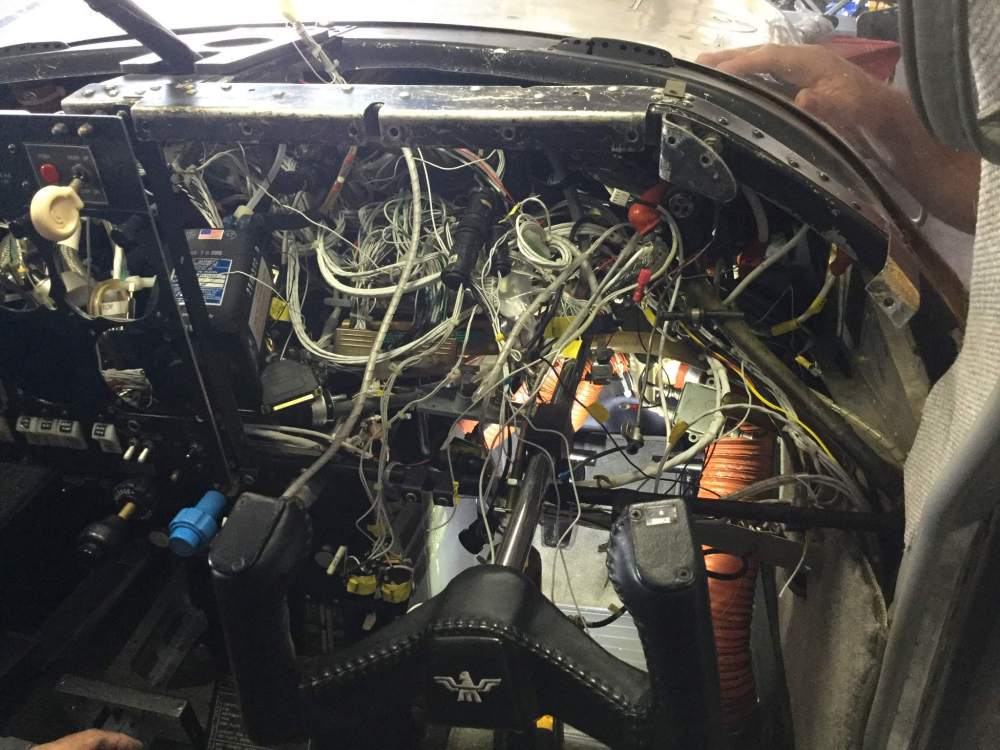
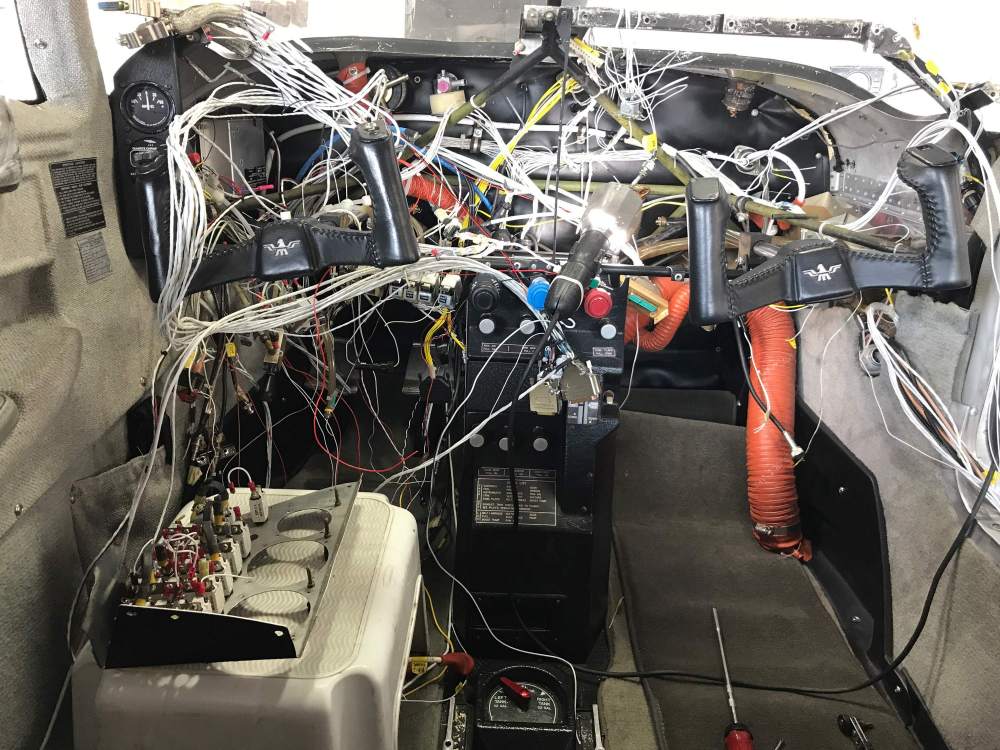

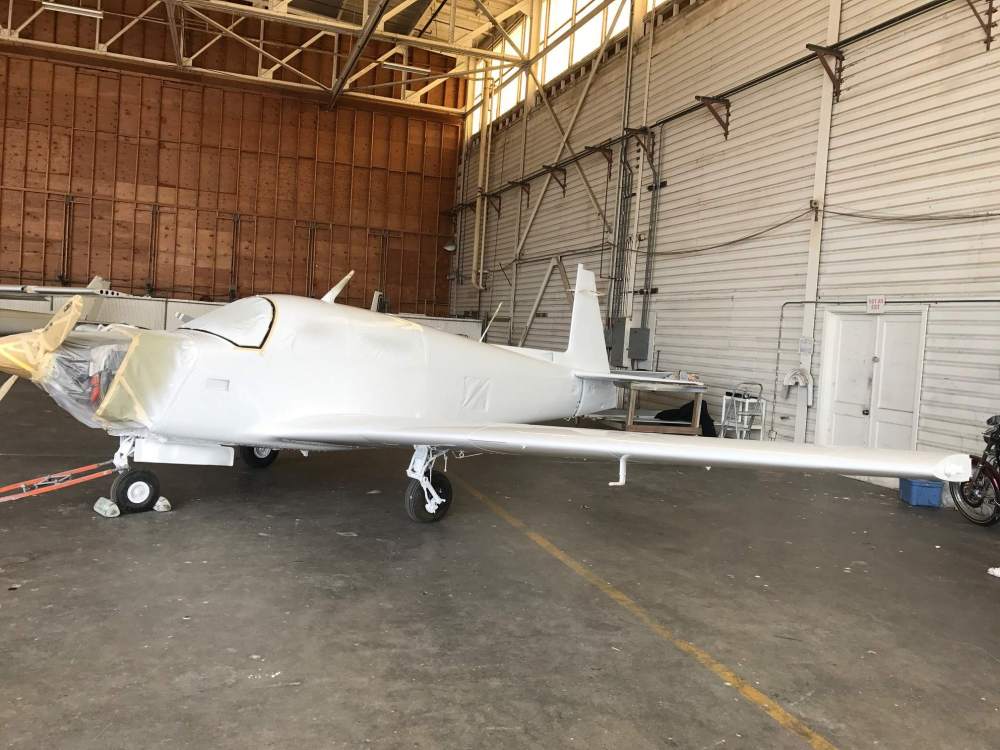
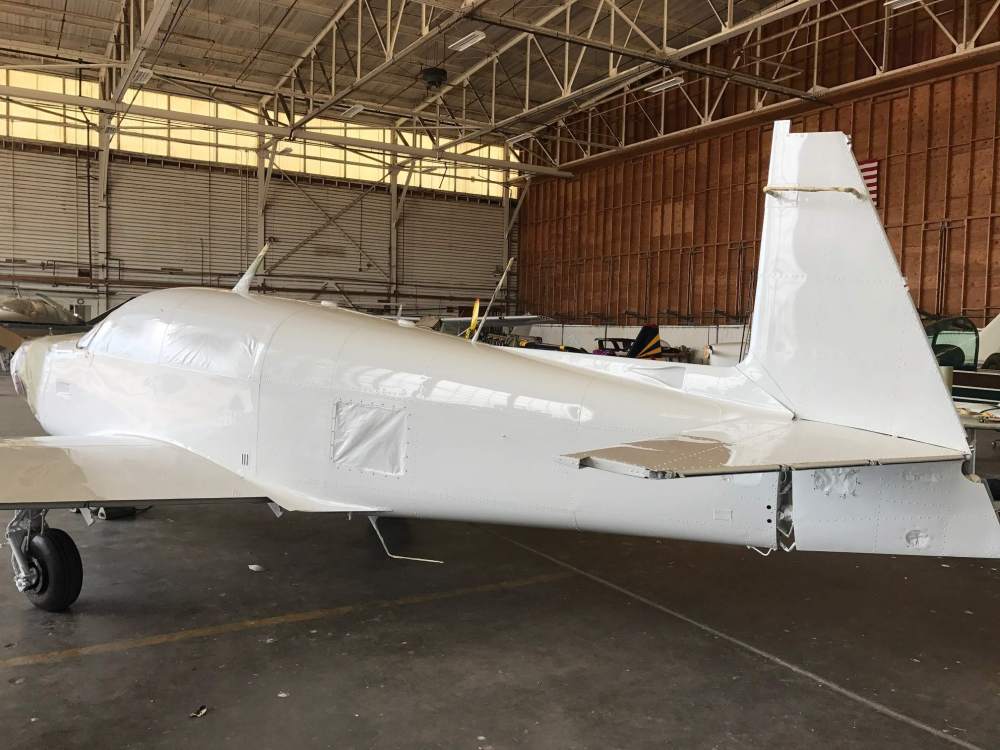
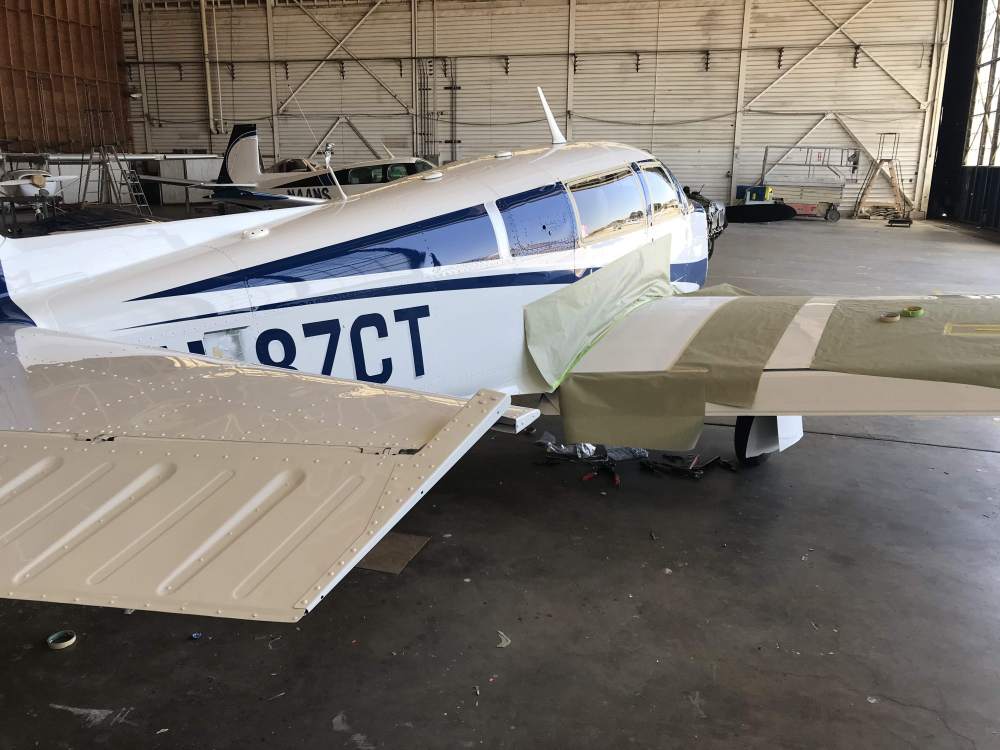


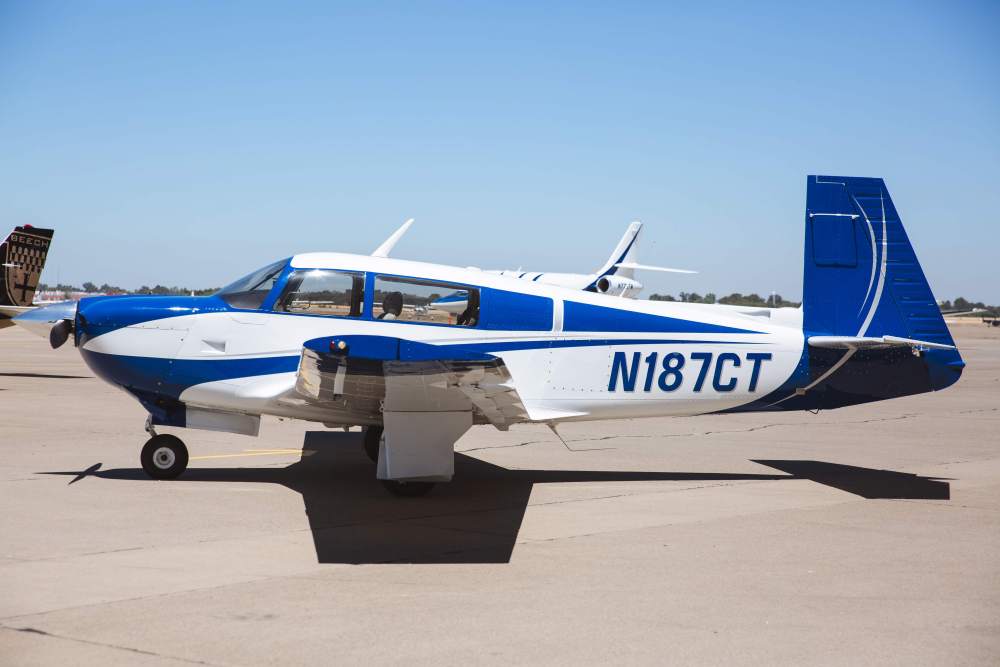

- 93 replies
-
- 23
-
-

-
A few days ago we took off and retracted gear and then in the middle of the flight the gear actuator circuit popped. The manual gear latch was closed and it popped when there was no apparent load on the motor. The breaker would not go back in. We manually dropped gear and took it to mechanic who could not find anything wrong. The breaker went back in and there have been no issues for 14+ takeoffs and landings. Then it happened again. Gear came up normally then in the middle of the flight it popped about 10 minutes after takeoff and when we landed the breaker pressed back in and stayed and it hasn’t happened again. I am wondering if it could be something to do with the gear up limit switch. Maybe the motor brings the gear up occasionally then doesn’t shut off which leads to the breaker popping. Has anyone had this happen and any ideas? Thanks!
-
 Who is worried about the future of general aviation internal combustion engine aircraft? I have concerns about what the future holds with regard to avgas burning light craft. The two biggest concerns are what will the future valuations look like if fuel prices rise dramatically and also the cost of operation. Car manufactures are pivoting to electric at a rapid pace with HUGE agendas for close to total electrification by 2030 for many. Both GM and Ford (among the other big guys ) are really rolling out the agenda. Will governments push their populations into car electrification by huge gasoline fuel prices increases with knock on effects for light aircraft? Will existing internal combustion light aircraft give way to newer electric aircraft, with an off the cliff dive of light aircraft prices as demand dries up? Interested in any informed predictions and timelines...
-
 Found a 7/16-20 hex nut on the floor about 6 inches aft of the rudder pedals on the copilot side of my 1988 M20J 205SE. The nut is 1/4 inch thick. Just a basic hex nut; not a locking nut. Brakes are only on the pilot side. I spent a good while looking up under the panel on the copilot side and at the center console area and around the copilot rudder pedals. All flight control linkages, control linkage mounting points and other hardware use substantially smaller nuts. This 7/16 inch hex nut is much larger than any others I saw being used in the cockpit area. Maybe it came off some part of the seat; I haven't checked that. Any idea where this nut fell from?
-
Since I made the conversion to an A3B6 from the A3B6D the prop control is very stiff. I can, with one hand push in the button and pull out the control, but it is extremely stiff. The governor position was changed and the governor is new (rebuilt) and is the correct part number. The cable has no kinks and the cable to governor angle seems OK. I don't recall this being an issue before the changes were made. Since the cable angle seems OK I want to check the force necessary to move the governor arm. If I were to disconnect the cable at the governor would I be able to move the governor arm by hand?
-
 Hello all. Myself and 3 partners are looking for a 5th person to join us in buying an M20J or M20K. The plane will be based out of Centennial, CO (KAPA, near Denver). Some details below: Buy In (per person): $27K ---> After legal fees for the partnership doc, an initial maintenance reserve, pre-purchase inspection, sales tax, etc. that results in a buying power of ~$117k Estimated Monthly Fixed Costs (per person): $275 Desired Avionics (buy a plane with them installed, or buy a cheaper plane and put them in): ---> Advanced Engine Monitor (JPI/Garmin/EDM) ---> Garmin WAAS GPS ---> GFC 500 ---> G5s as required to run GFC 500. If you are interested, please DM me! I hope this is the right thread for this post.
 -
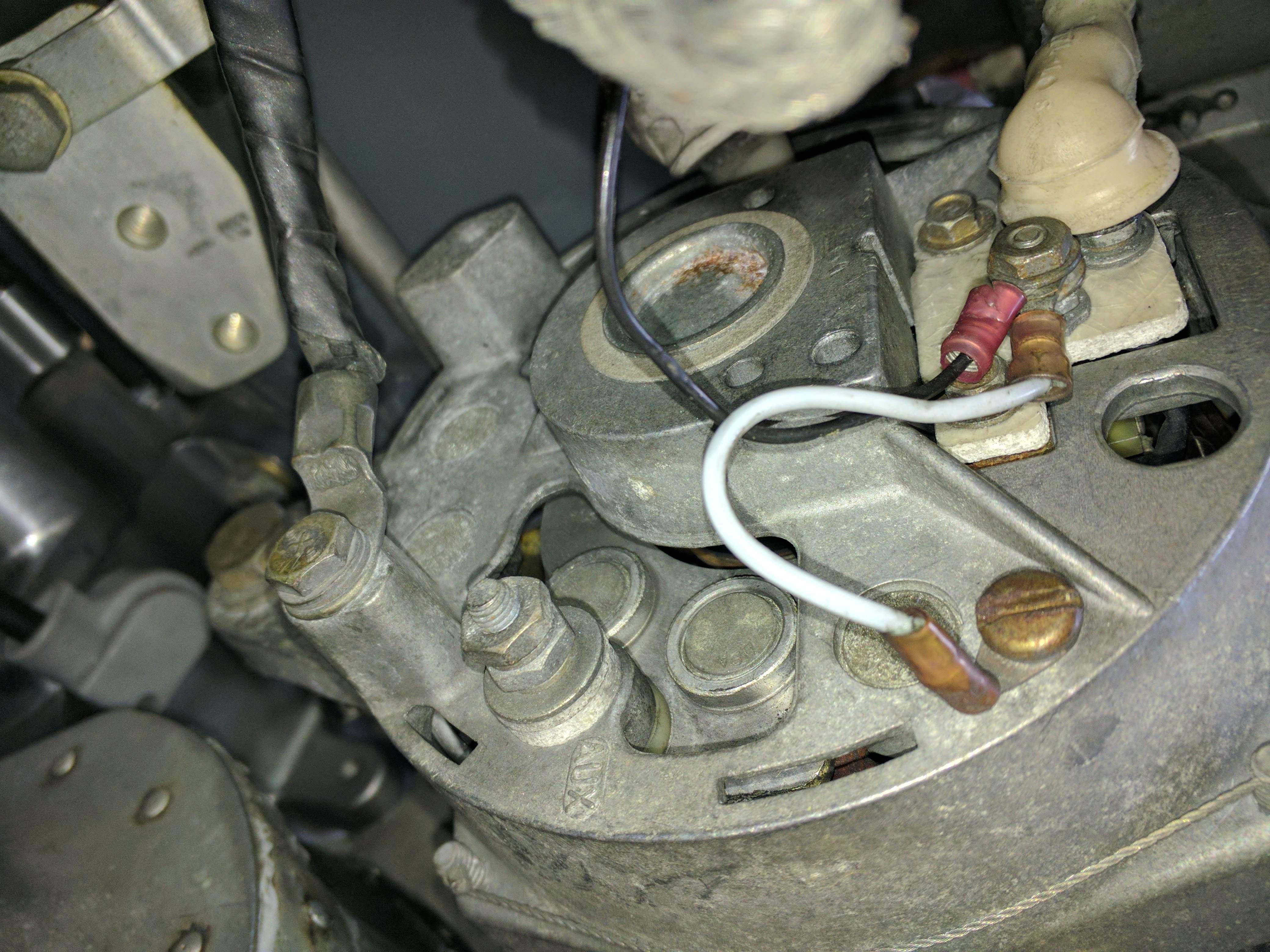
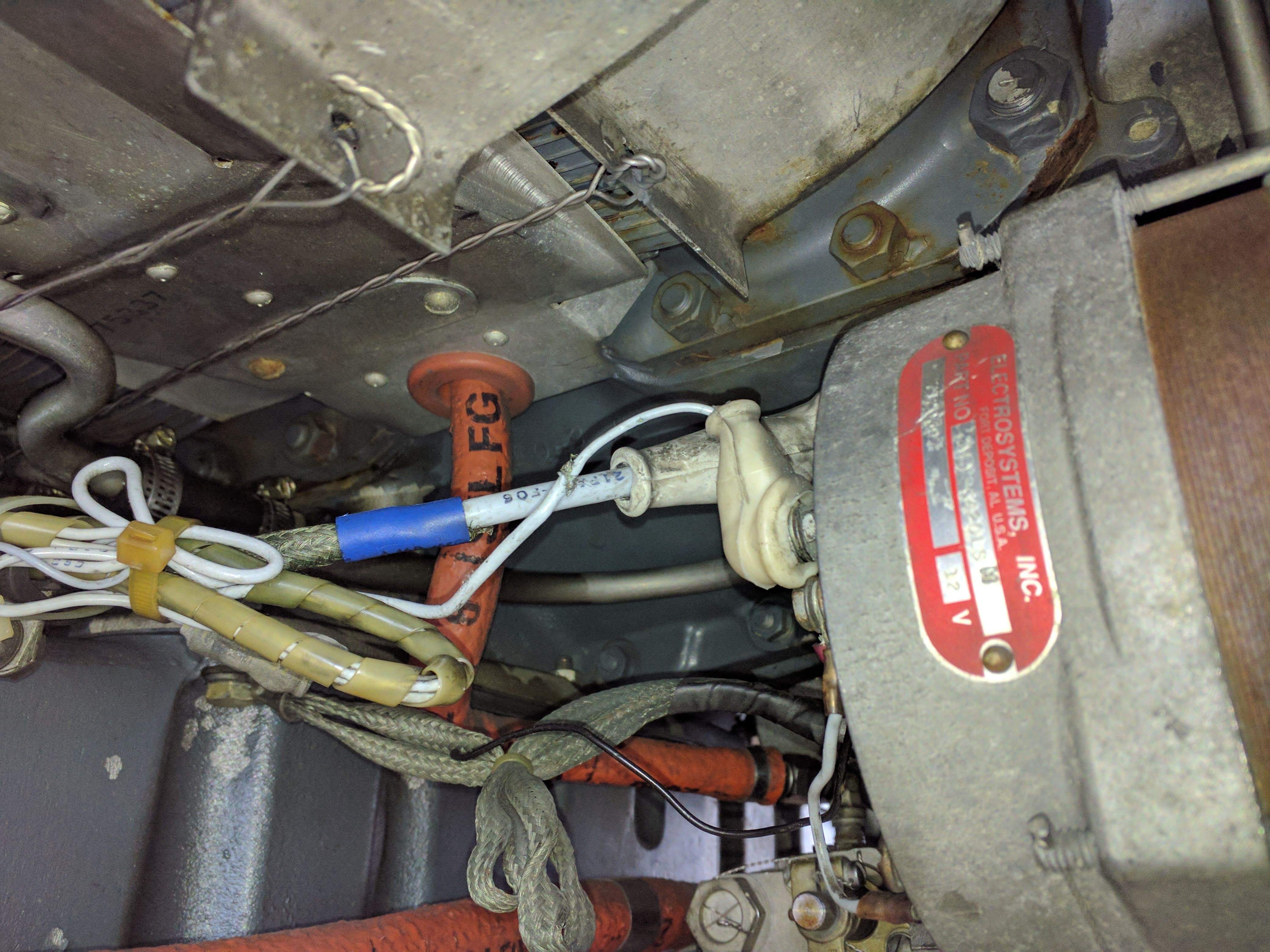
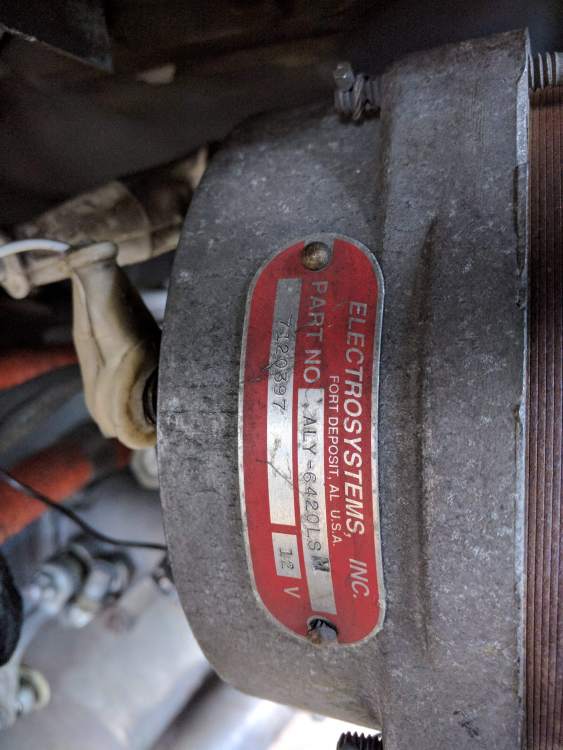
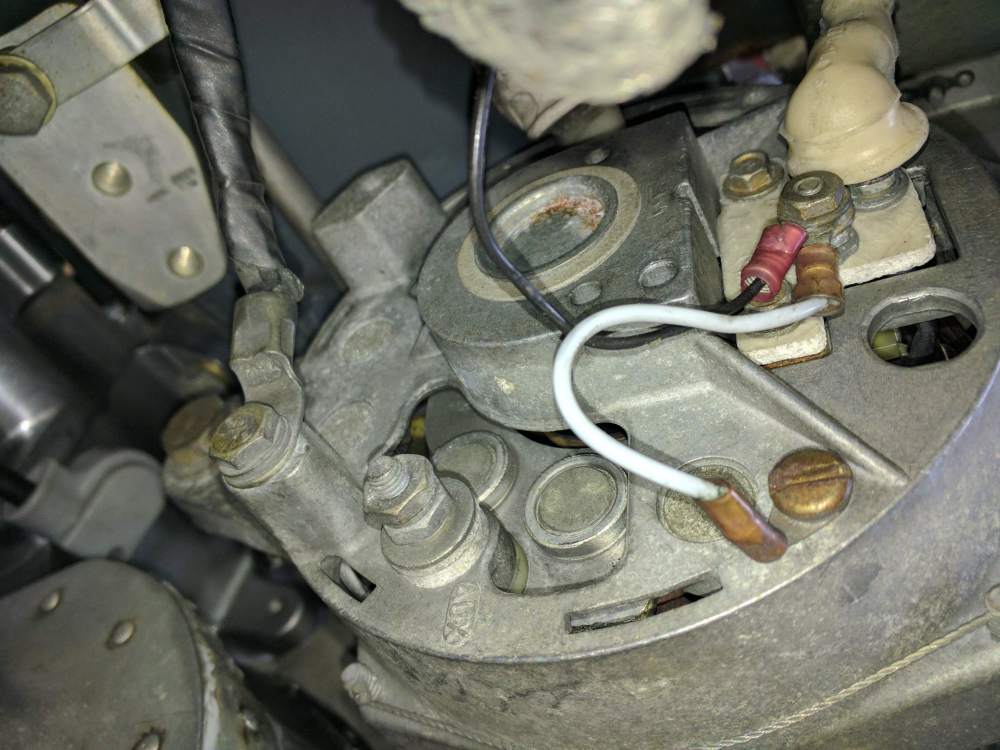
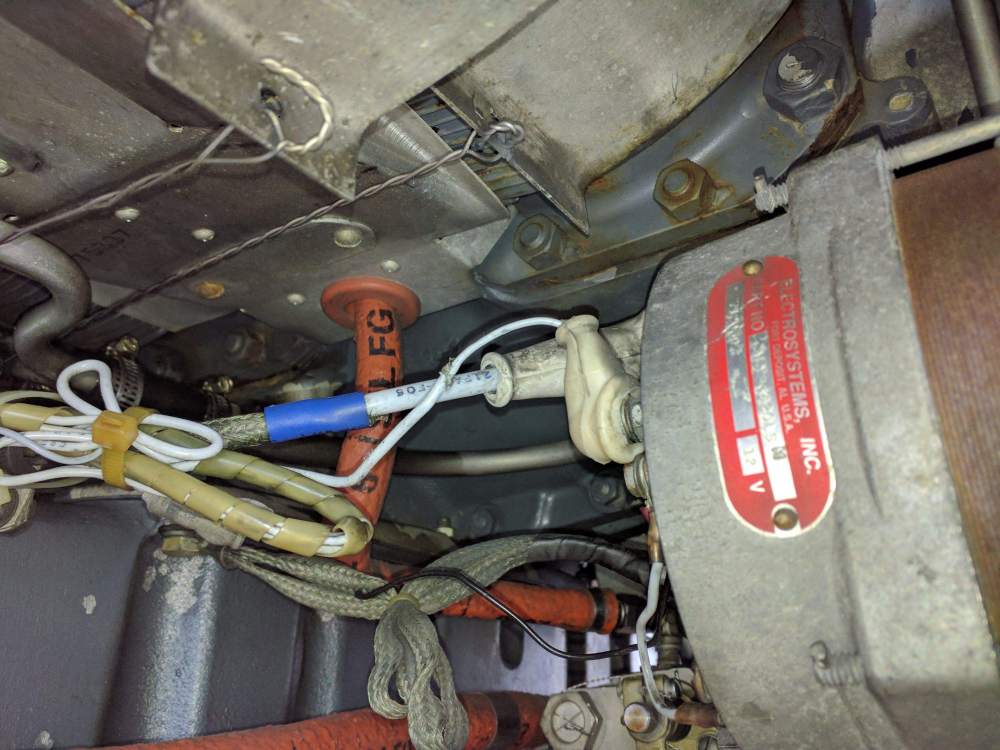
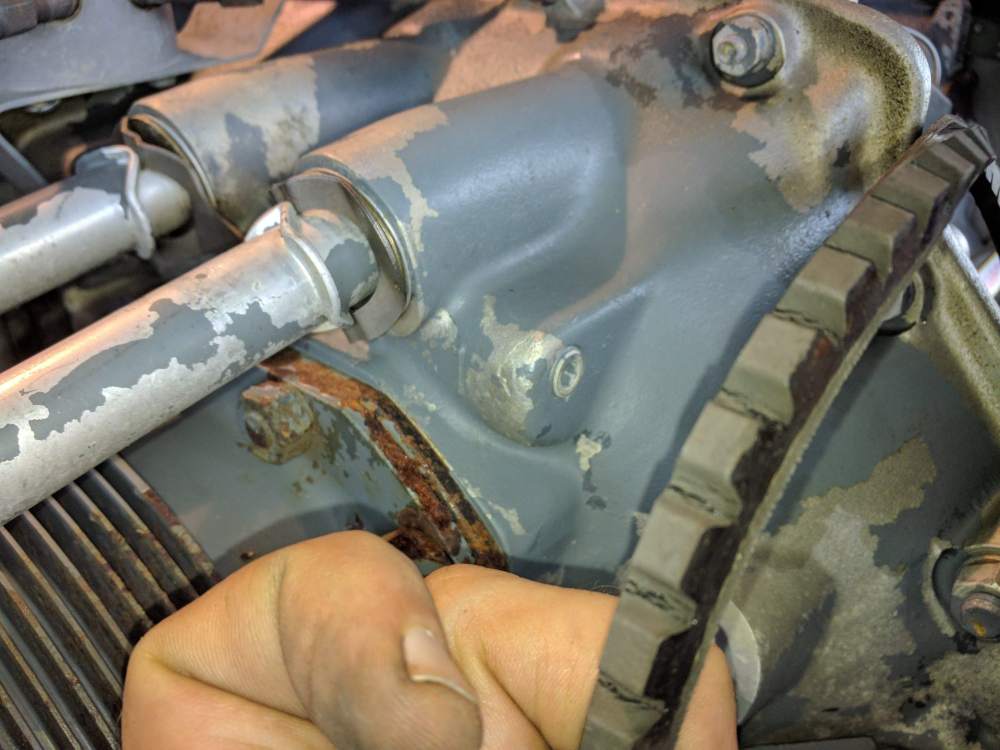
 I bought a 1982 M20J 201 back in April and I took it for my first night flight the other evening. I didn't notice anything unusual until I was in flight for several minutes, at which point the panel lights started changing intensity at a rate of perhaps 2 Hz...bright-dim-bright, a bit random. I then looked at the ammeter and the needle swings pretty wide left and right of zero in time with the panel light fluctuations. I have a JPI EDM-700 and it logs various voltages from 13.6 to 14.5. The problem is also intermittent. Most times it doesn't happen until in flight (I've made a point of checking for it every time I fly now), and it will just stop happening for many seconds or even minutes at a time, then starts up again. Sometimes it happens on taxi to runway, sometimes not. I can't yet figure out what causes it to happen.. It's also probably a long-standing issue that I only happened to notice the other night since it was the first time I'd actually flown with the panel lights turned up and visible. I downloaded the last 50 flights from the EDM-700 yesterday and as far back as it has been recording (just since June- I'm in IR training in this plane), it has been recording variable voltage like this. Nothing else seems wrong and only direct DC loads like the panel lights (and presumably the landing light) are clearly affected. I just re-tensioned the alternator belt but that didn't help. The belt is old and I got a good look at the inner surfaces between the ridges - it has some cracking and in general looks worn, but I'm not sure it could be slipping for minutes at a time and then just stop slipping for a while, etc. And it's definitely under good tension as of this evening but a test flight after that revealed no change in the behavior. I also inspected the wires on the back of the alternator. The field wire (I think it's the field wire) is a bit damaged a few inches away from where it connects to the alternator (like, the insulation was nicked or something at some point), but it doesn't seem like it is a broken connection, just some exposed conductor for about 1/8" along the wire in free space there. I decided not to disturb it since I was tensioning the belt and wanted to address one variable at a time. Anyone else ever see a problem like this?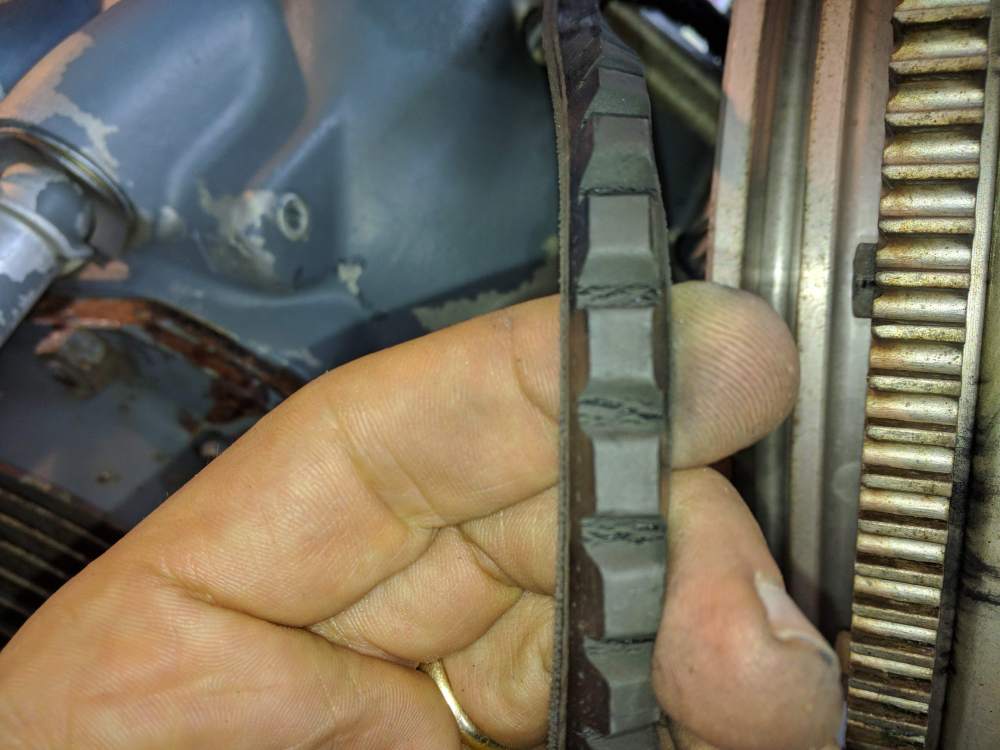
-
Anyone have any experience with the latest LED landing lights from Whelen or AeroLEDs? Since we have an M20J with a single PAR46 in the cowl, the AeroLEDs Sunspot 46LX with both landing and taxi optics is attractive. Thoughts? Anyone try the latest Whelen Parmetheus Pro PAR46 light yet?
-
From the album: 84 M20J pics
Taken a "few" years ago. -

From the album: 84 M20J pics
Angel Falls from above and below -
 MOONEY 201 SPEED MACHINE 1979 $73,777 UNBEATABLE DEAL N4665H based in Fort Myers FL (KFMY) last 17 years; Complete Log Books 3537 TT, 760 SMOH, Engine and Prop Mechanical & Avionics 10; Paint 7, interior 5 due to Age. ALL AD up to Date, Next Annual 9/17; Compressions 78+/80 Upgrade – Renovation Program- Recent UpGrades :Mag Overhaul 5/17, Ignition Harness 5/17,Break Caliper 5/17,Gill Battery 4/17, ELT Battery 4/17, New RAPCO Vacume pump 2/17, New Windscreen 10/16;New Baffles 11/16, New Doughnuts 6/16, Gear repainted 6/16; Annual ATC 50 GARMIN 300XL IFR GPS, Map, Com w/ CDI King IFR KX-170B COM/NAV KT76A Encoded Transponder KN75 Glideslope KMA20 Audio Pannel KI 203/204 Glideslope Sigtronic SPA 400 4 Place Intercom Century 41 Autopilot 3 Axis w/ AK801 Flight Director Precise Flight Stand by Vacume New Kenyon Cockpit Cover 10/16 Canvas Fuel Cap Covers Full Canvass Wing Covers All specs are thought to be accurate, sunbect to verification by purchaser, CONTACT Frank (Patrick) FLYNN , OWNER 239-297-0702 4665 H Inventory 1979 Mooney 201 GARMIN 300XL IFR GPS, Map, Com w/ CDI King IFR KX-170B COM/NAV KT76A Encoded Transponder KN75 Glideslope KMA20 Audio Pannel KI 203/204 Glideslope Sigtronic SPA 400 4 Place Intercom Century 41 Autopilot 3 Axis w/ AK801 Flight Director Precise Flight Stand by Vacume New Kenyon Cockpit Cover 10/16 Canvas Fuel Cap Covers Full Canvass Wing Covers All specs are thought to be accurate, sunbect to verification by purchaser,
 -
 My good friend and a Mooney M20J old timer has an issue with his IO360 . His engine was running rough due to low (zero) compression on one cylinder after take off from KSBP. It appears that one of the intake valves is cupped and not seating properly. Please see the pic. A sticky intake valve is the primary suspect. Has anyone seen this and has any idea what could cause it? The mechanic pulled the cylinder today and will send it out for repair. The main question is what could cause this other than a sticky valve?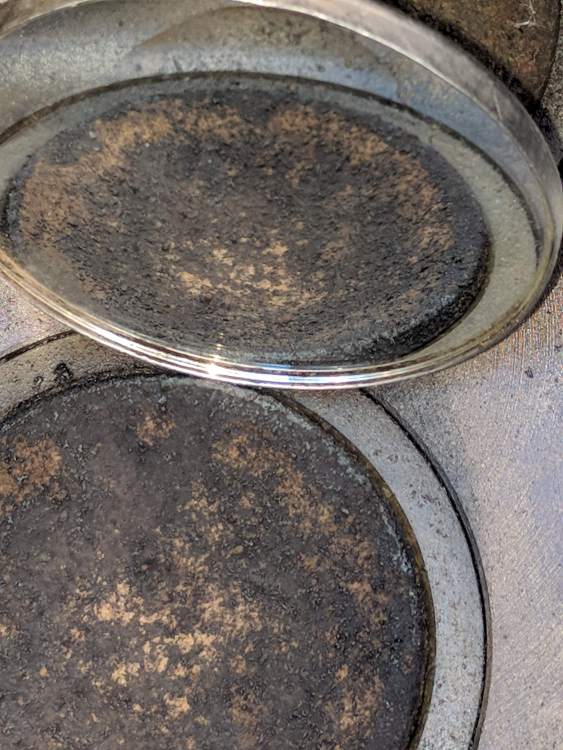
-
http://www.kathrynsreport.com/2018/02/mooney-m20j-201-n925jh-incident.html One of three Mooney landing incidents this past week, including a gear up landing and off field landing, but this one made it into the preliminary accident reports. No reported injuries thankfully. Like many of these, this Mooney was registered less than 1 year ago so lack of experience in type and perhaps lacks of transition training may have played a role. But Mooney's are not unique to porpoising incidents, just probably the most frequent airframe to see them. But here is a very brief write-up including a short video of a piper porpoising on landing to a nose gear failure. http://www.boldmethod.com/blog/2014/01/the-danger-of-porpoise-landings/ You'll often hear Mooney pilots say it was the third bounce that led to the prop strike, but I think I counted many more bounces in the short video before it was over. Be careful out there!
-
Selling our 1978 M20J 201. 2102TT Airframe, 445 SMOH. The plane has the original paint and an interior from 2002. The aircraft is fully 2020 compliant with a Lynx NGT-9000 transponder. Other avionics: Avidyne IFD-540, Garmin SL-30, Garmin GMA-240, Shadin Miniflo, Insight G1, Century IIB. Aircraft had a gear up more than 10 years ago and later has some skin replaced on the tail due to an unfortunate encounter with a hangar door. The aircraft also has speed brakes and the wingtips are modified to match later production Mooney 201s. The annual was just completed by Phil Jimenez at PJ Aircraft in Avon Park, FL - Next Due February, 2020. Currently located at FMY and flying regularly, so times will increase. You can reach me at cmb160632@gmail.com, 678-591-7478 or here on Mooneyspace. Thanks, Chris Bradshaw
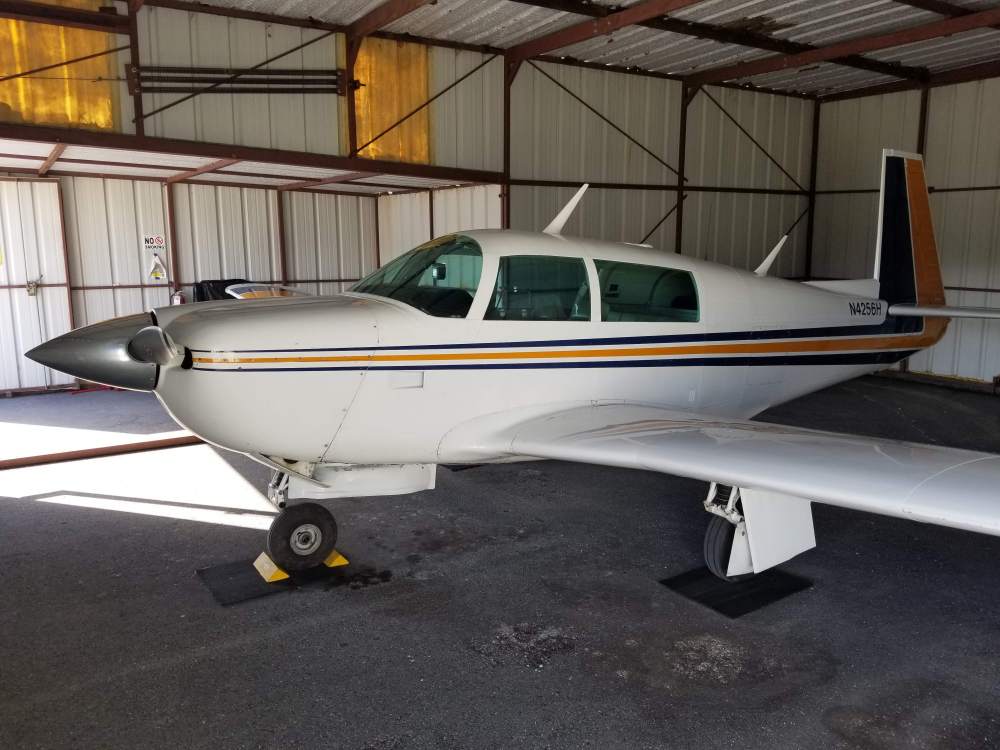
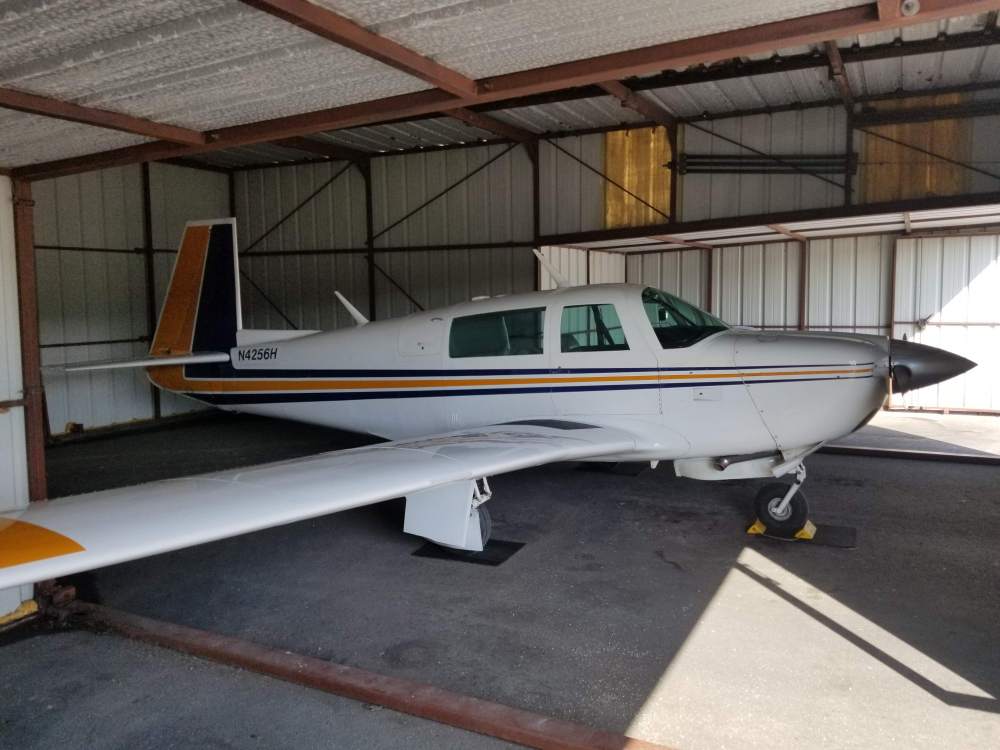

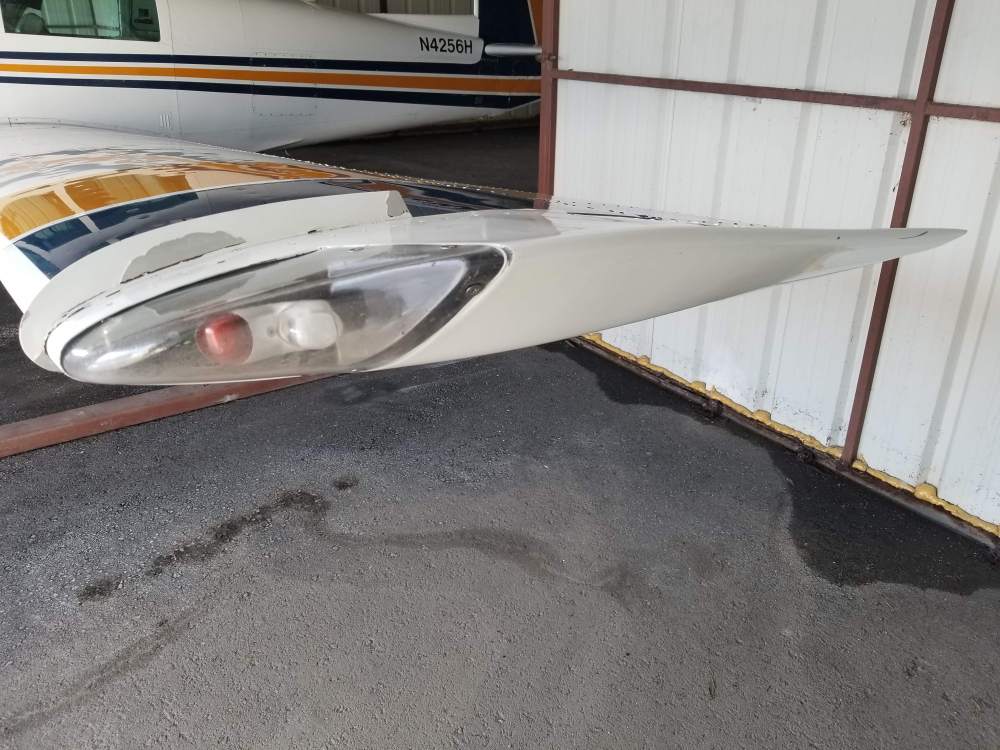

-
This Veteran's Day weekend, an M20J went down in the marsh short of the runway at Northeast Florida Regional Airport (KSGJ). Two were on board, the pilot and a nineteen year old passenger. Reports of "mechanical failure" from the pilot to first responders and the media were conveyed. The mishap occurred Sunday morning, November 10th, 2019, shortly before ten o'clock A.M. There were mild to moderate injuries to the occupants. Just a heads-up for the community and spot to add any additional information that might trickle in over the next few days... Important to learn from others misfortunes. Best wishes to pilot and passenger.
-
Hello everyone, As the title implies, I'm brand new to MS and will be looking to find an M20F (unless I pull the trigger on a J) within the next year or so. Eventually, I'll be permanently based out of Santa Barbara. I fly active duty for the Navy and have done the mil comp commercial and CFII, and I did my ATP about 6 months ago. I've been watching massive chunks of my life disappear recently to the depths of MS... thanks to everyone that contributes to this impressive website! I have a couple friends that own F's, both are in the Navy as well, and I have broken their will to live with my constant questioning. And so begins my onslaught of questions on MS I've been looking into options at Santa Barbara as far as hangar space or covered parking (I don't know if there is any besides a hangar) or simply a tie down. The city owns 24 T-hangars that it rents out to the tune of $821/month + utilities. Currently there aren't any T-hangars or tie downs available according to the city's website. 1) Is anyone based at SBA, or have up-to-date knowledge of the general aviation life there? 2) Does anyone know of a well looked after F or J that could be on the market in the next year? 3) What events are there in the central CA area where I could meet local Mooney owners as I begin this journey? Thanks for any info and thanks again for all the time taken to contribute to MS! Loner
-
I'm beginning the search for a Mooney and I thought I had narrowed the choices down to J model. However, now I'm questioning if it's really worth the premium over a well equipped late model F. Assuming a similarly equipped F with a few speed mods, can you guys help me with some pros and cons? After a fair amount of research, here are a few to start with. Pros of a J model over an F generally at least 10 years newer airframe Speed mods already built in Generally better cockpit configuration depending on year Higher VLE ('78+) Better fuel switch (not sure what year the 'off in the middle' ended) A few extra knots depending on the speed mods on an F Cons of a J model Good examples priced at least 20-30k more than similarly equipped F
-
I have replaced the original exhaust off my 1983 M20J with new. This was a proactive step as part of my preventive maintenance philosophy for a plane I intend to keep a long time. No leaks or specific problems found, but that said, the exhaust is a wear item and original, about 2400 hours and 32 years, and the price reflects this. For someone who wants to put off a new exhaust a little longer in order to coordinate with their TBO or major annual, this may be for you. Only what is seen here is included: 4 risers, muffler/collector, and tailpipe. Specifically, the heater shroud and tailpipe hardware are not included. It is drilled for EGT probes on all 4 stacks. The #2 cylinder swage fit area was repaired once as part of my pre-purchase squawks. That was over 400 hours ago. Some of you are bound to wonder, so I'll add that I went with a new Knisely exhaust. Powerflow was more than I could afford/justify during this annual, but was surely tempted. Feel free to discuss the merits of my decisions amongst yourselves. I'll add that it was only flown ROP except when it was flown LOP, unless the moon was full, in which case I used camguard. :-) $300 plus shipping costs. Or pick it up at KFUL (other SoCal airports possible if we can coordinate schedules and you buy lunch) Reply or PM with any questions. thanks, -dan


-
My 1979 M20J has a step. I am thinking of removing it. I don't need it because I fly by myself 95% of the time. I'd rather have more speed. Has anyone removed their step? How do you do it? Did it increase your speed at all and if so how much?
-
I am sure this subject has come up before, but I can't find the details needed. Many publications discuss the cost of an engine overhaul, different options, different suppliers, etc. Yet I would like to know how much more the aircraft owner has to put aside for the items typically not included. And numbers from within the last 5 or max 10 years are of course more interesting than older bills. Consider your IO-360 has lasted 30 years and never failed, and now it's time for major work. Engine accessories are almost always included or listed, but what about the following firewall forward items which aren't any younger : engine mount - inspection and repair, exhaust - new (if welding isn't economical), oil cooler, and the related cost of labor, shipping, taxes, etc. Anything one cannot simply postpone until it really requires replacement or overhaul because that would come even more expensive. Any real data / bills / experience on this very welcome. It is clear that the cost will vary a lot from case to case. Would could be a worst case ?