
Raymond J1
-
Posts
340 -
Joined
-
Last visited
Content Type
Profiles
Forums
Blogs
Gallery
Downloads
Events
Store
Everything posted by Raymond J1
-
 In order not to have to ask myself all these questions, I decided to redo everything according to the original. However, I admit that a vacuum leak on the step servo puts in difficult the directional, the artificial horizon and the positiv control. And this eventuality bothers me. I did some testing, the equivalent of 15 " of manifold pressure are sufficient for retraction with the original chrome slide. So right now I'm looking to connect this particular servo to the intake manifold directly. This would allow me to keep the initial principle of operation : automatic rise at Engine Start, descent of the retract step at reduction. WP_20180813_009.mp4
 -
For many reasons, we prefer the blown wing...
-
The original manufacturer is Garwin Carruth, who sold this branch of digital instrumentation in the 80s and still exists under the name Sigma tek. The garwin" gauge cluster " is no longer manufactured nowadays but the plug-in indicators in this cluster are still available. These are the cluster gauges reference 169 L of which here is the link. For volume gauges, they are adjustable according to the resistance of the sensors and the graduations are either interchangeable with your model or to be specified in your order of new gauges. http://www.sigmatek.com/cluster_gauges.html
-
The average French being by nature distracted, we use, at home, the name of the neighboring city where the airfield is located. This gives exotic names like "Lille tour", "Poitiers sol", "Blagnac tour". It is convenient, especially when the driver asks for "Le Touquet tour" and is in the track circuit of Calais Marck...
-
I am challenged by this post because we are forced at home to do a weighing every 5 years or every major modification (painting, equipment), that the weighing / centering sheet and the equipment list are two official documents that must be in the documents of the aircraft.
-
I have many hours of aerobatics. Some time ago, I watched a pilot do some tricks with a plane that I know very well. Since I live under the runway lap of the nearby airfield, I decided to go to him to talk to him. When I took this picture, I wanted to go and tap on the canopy so he could open it and say, "I've been watching you fly since yesterday... Please don't consider doing what you plan to do after this takeoff..." And then I did not dare ! I thought, " Who Are you to give advice ?"... So I did nothing, I watched the yak take off with its pilot and a passenger. 4 minutes later I took this other picture. They had just killed themselves after a lamentable, poorly executed barrel. Since then, I've been angry that I wasn't banging on the canopy... With my little experience: no aerobatics in M20 !
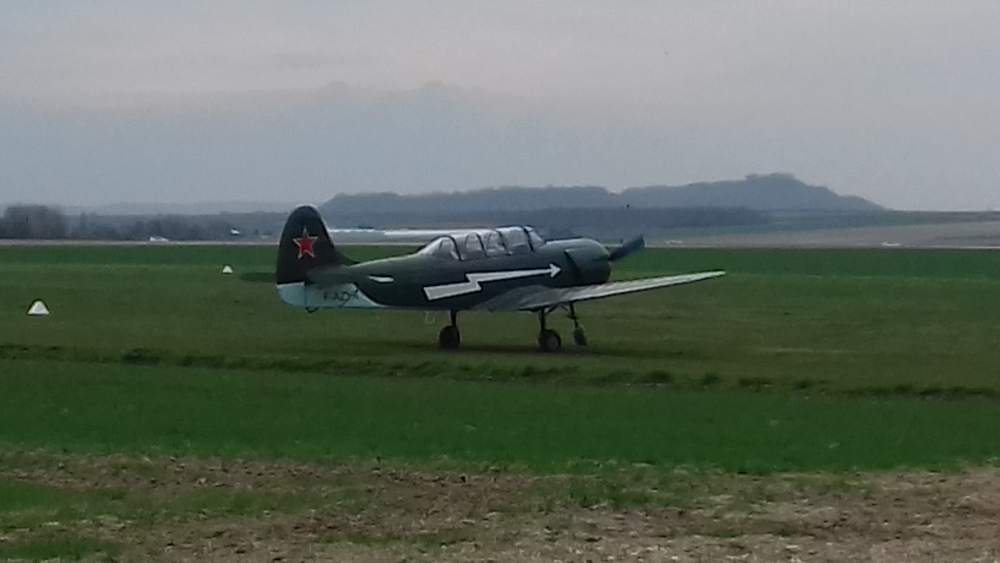
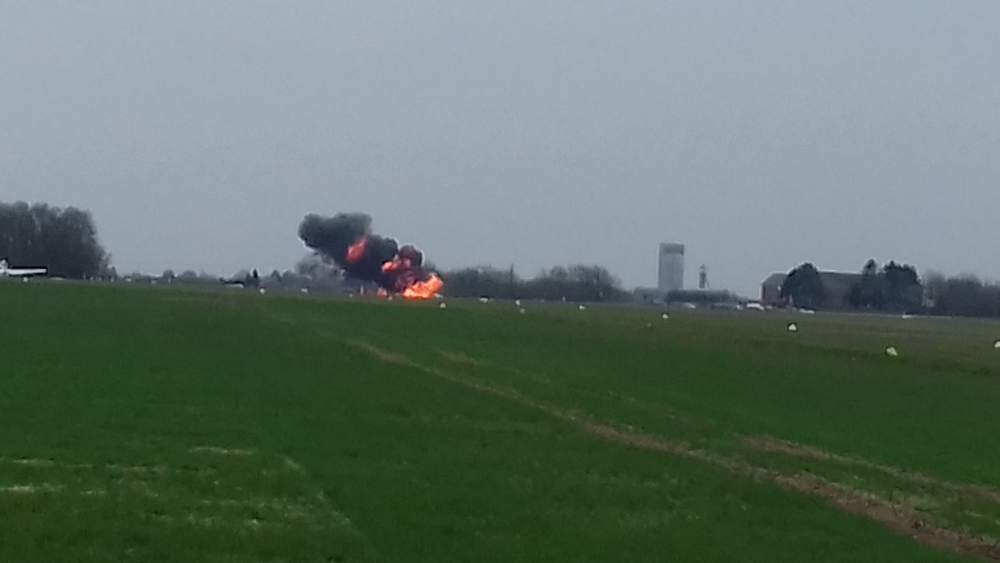
- 117 replies
-
- 10
-

-

-
Slow Flight and the Red Arc
Raymond J1 replied to Brian E.'s topic in Vintage Mooneys (pre-J models)
The red arc mainly concerns the two-blade "Hartzell" propellers, sensitive to a "brineling" of the blade feet below 2350 rpm. This is a well-known fatigue problem. Tri-blades whose harmonic rank H3 is out of resonance with the motor H3 are not affected. The "MC Cauley" two-blades have a slightly lower H3 level than the "Hartzell". -
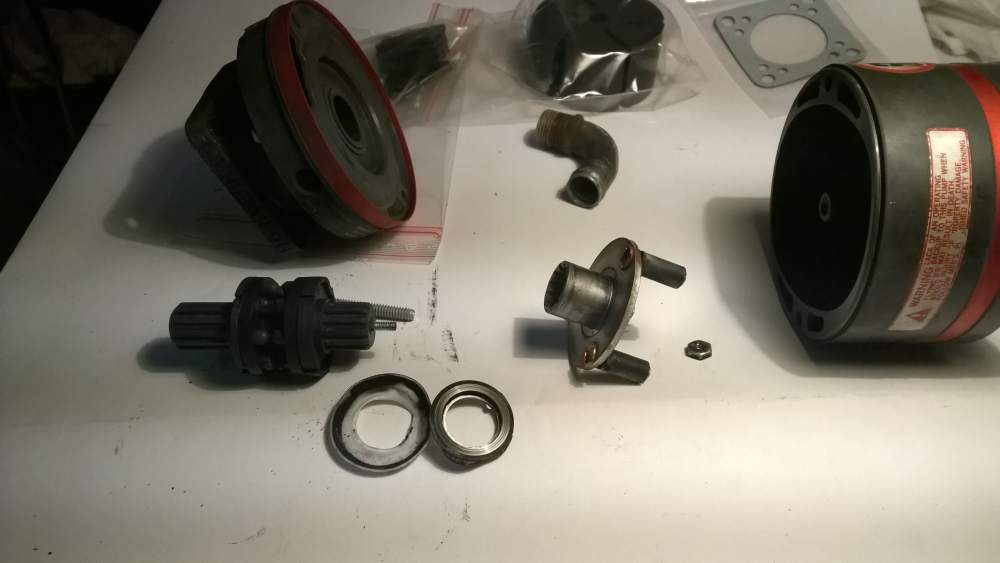
In the Classic Vacuum Pump, the first failure is the sealing gasket (white part in the photo). In practice, this corresponds to a long time to obtain the desired vacuum pressure, the AI takes time to place itself in a horizontal position on the ground. If this piece is not changed, then it degrades even more and we come to the breakdown of the hooking. The splendor of the photo of an 800 hours.
-
Leaking magnetic compass..
Raymond J1 replied to Parker_Woodruff's topic in Modern Mooney Discussion
the other solution, to keep your original Compass, is to order the membrane and then repair. The liquid to put is deodorized petroleum distillate. https://www.chiefaircraft.com/aircraft/flight-instruments/compass-repair-parts.html -
Checking compression with a multimeter
Raymond J1 replied to Skydancer2992's topic in Miscellaneous Aviation Talk
It is very well known, it is called "compressiometer", it was very used on diesel engine, compression ignition so, we put a small cardboard on the device that will draw the graph and you have the recording. The downside is that you can have good compression even with worn segmentation... Just a good oil film in the cylinders for example. The measurement of the leakage rate as it is done aims to trap all possible ways of having a leak : valve that does not close, but also broken segments, cracked piston, cracked cylinder... What a compressiometer does not see in the brief moment of its measurement. -
Why are TPMS not allowed on certified aircraft
Raymond J1 replied to Dream to fly's topic in Miscellaneous Aviation Talk
This system adds an extension to the valve and a bit of mass too. So there is a question of swinging and then holding the valve in the first moments of the touchdown and also during takeoff. And you know that our rims do not have too much inner diameter to accommodate a lot of things. -
For more information : https://www.airsafety.aero/ASSI/media/Documents/General/20151117_ALAD08_ASSI_Safety_Communication_Shaw_Aero_Devices_Fuel_Cap_Inspection_and_Maintenance_Issue_1.pdf
-
What the trick with yoke removal?
Raymond J1 replied to flyingchump's topic in Vintage Mooneys (pre-J models)
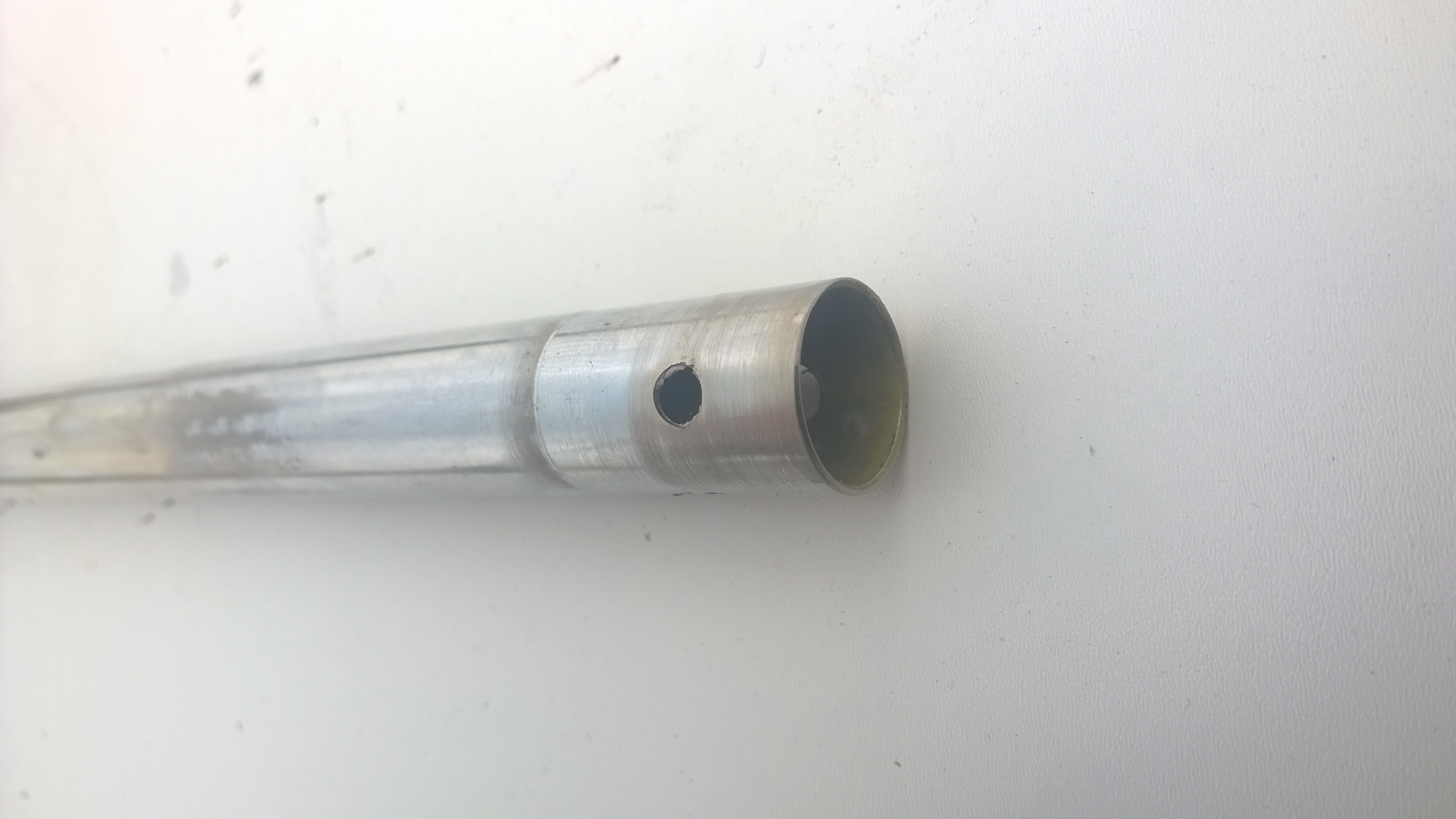
I didn't like how the control shafts were when I disassembled the yokes. I was able to restore these control shafts via the passage of a calibrated mandrel and then a check of possible cracks at the end. The most destructive for the control tube is this headless screw on the side that must be tightened with care.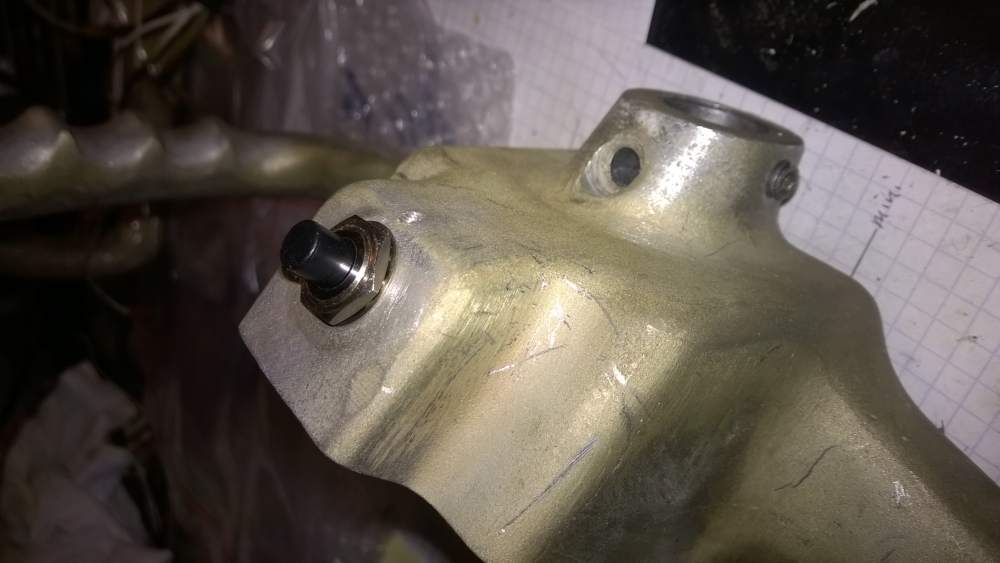
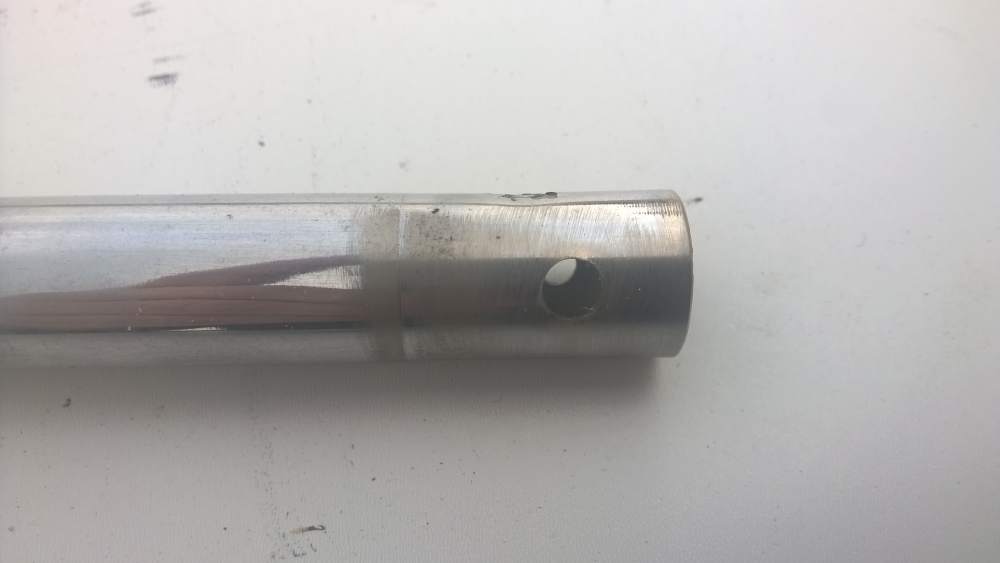
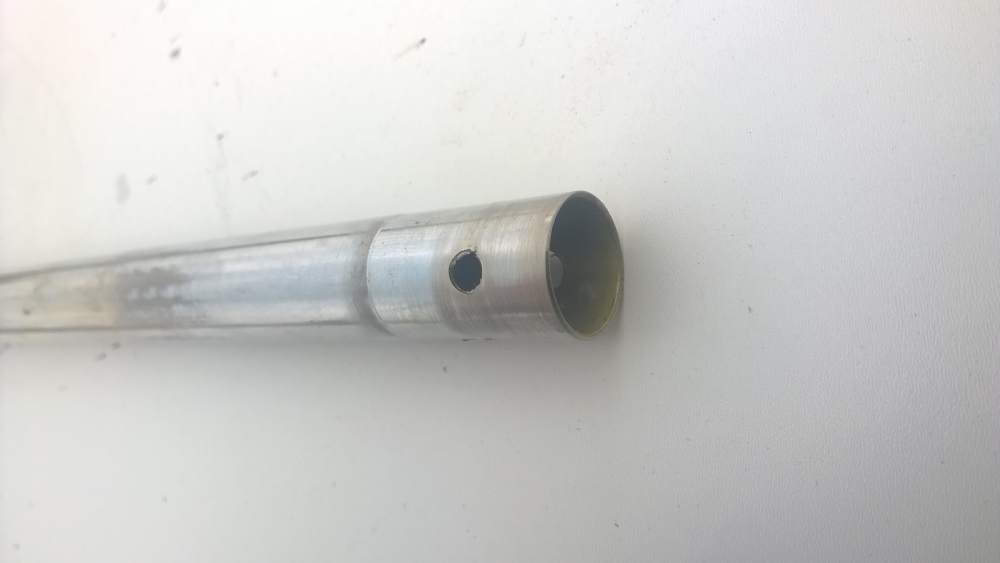
-
They are all identical on mine, straight with conical thread and with ball, but one was missing. It's actually easier to grease with the plane on its jacks.
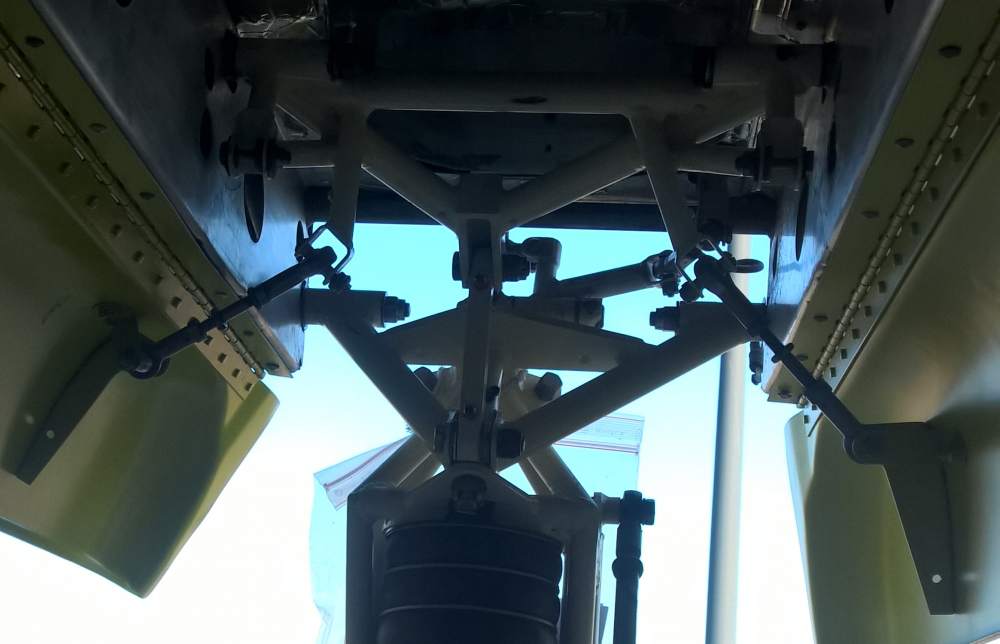
-
How NOT to Solicit Charitable Contributions - Debunked!
Raymond J1 replied to Jeff_S's topic in General Mooney Talk
Jeff, that'S because MAPA hired a former French tax official to make a friendly request for donations... You'll get used to it ! -
Hello Jonny, the best way for me to help Mooney would be to buy my parts directly on your site that would offer the online sale. In fact I would consult an online catalog and I would put in a bag the pieces that I need and that Mooney recommends for his customers. There would be tires, filters, but also ball joints, brake pads, hydraulic hoses, bulbs and why not the decals or stickers of our aircraft made in 1965, 1967, 1974, 1998... At Mooney online shop, I finding a set of shims for my wheels, the protective flames for statics (Mooney badged), see breakers or replacement klixxon contactors... Good luck from France Jonny.
-
Removing urethane efc100 fueltank coating
Raymond J1 replied to Hradec's topic in Vintage Mooneys (pre-J models)
Gary, you are right, I advocated the use of gel remover and on small areas to precisely avoid migration in the riveting folds, as well as the abundant rinsing with water after stripping. For my part, I dry the washed parts with a vacuum cleaner that can collect water. The goal, as you say, is to prevent the product from seeping into the joints. I cringe when I see paint companies stripping planes with liquid cleaner sprayer. -
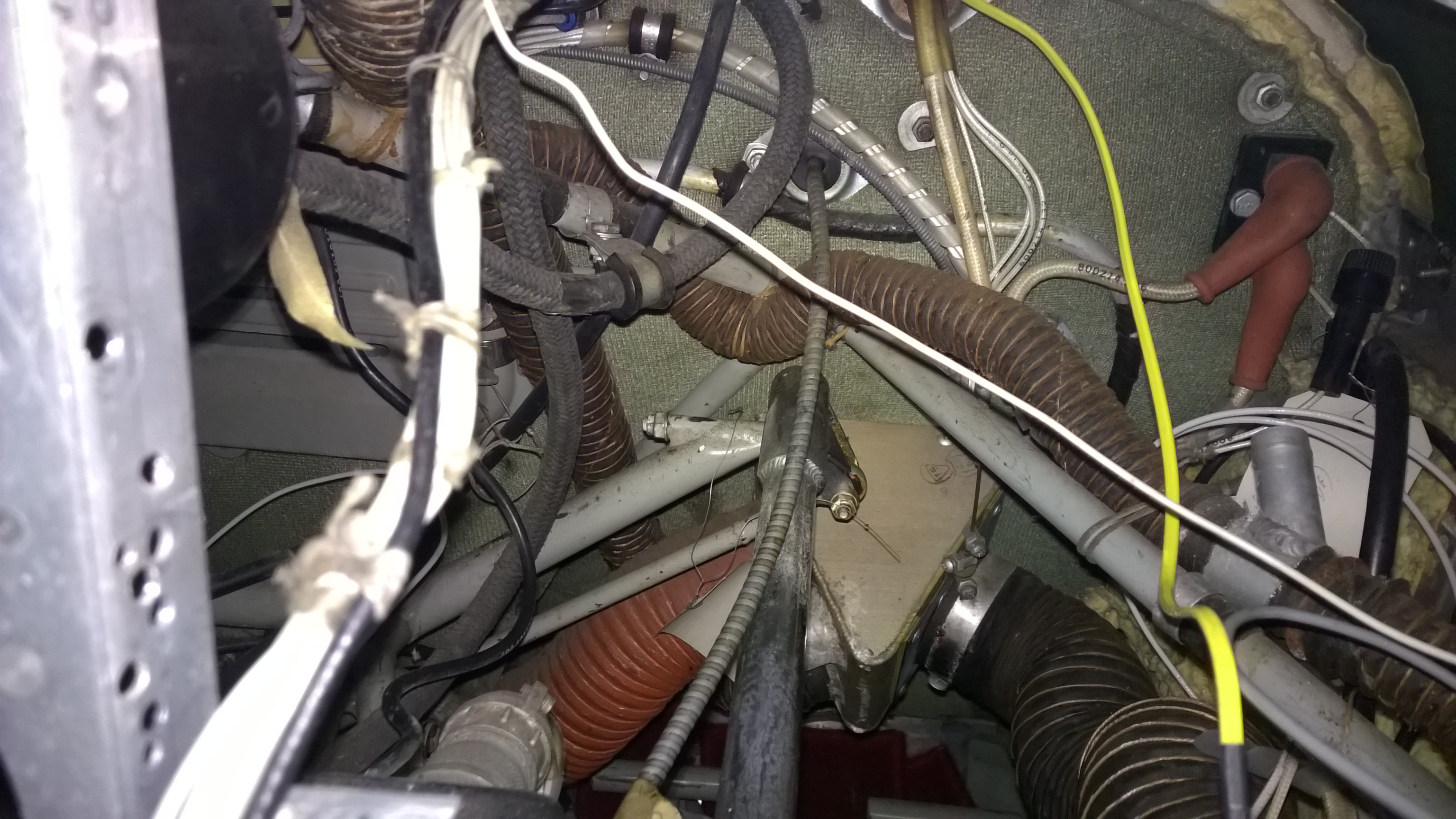
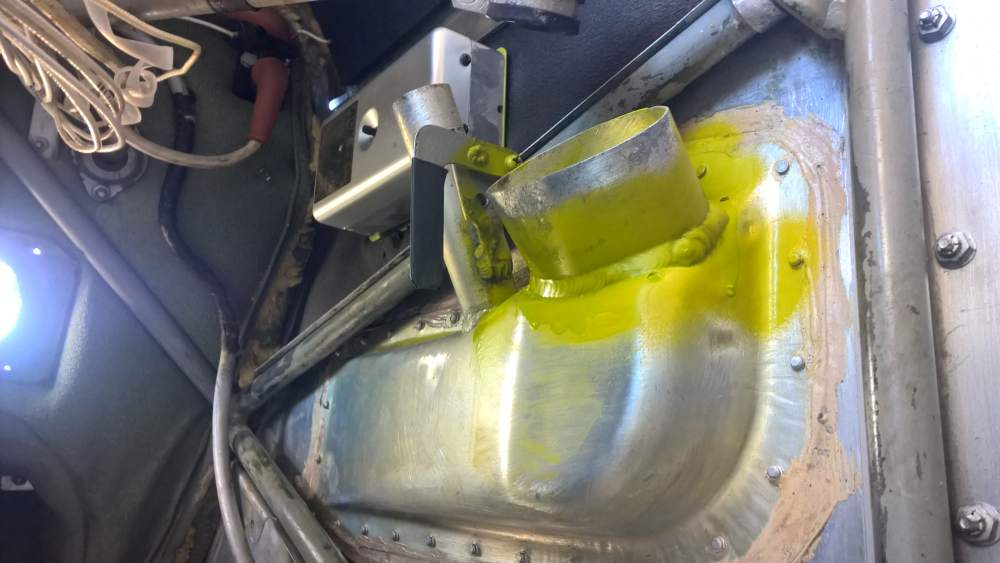
Ce petit levier contrôle l'ouverture ou la fermeture de la prise d'air pour la ventilation / refroidissement de l'avionique. In the next photo, we see better. The lever has 3 positions to adjust full, half or no fresh air. If your aircraft did not have the ADF receiver, the duct through from there and goes directly to the ventilation block on the firewall. If you had an ADF receiver, there is an air puncture on the sheath to supply the back of the receiver as well. Below is the photo of the ligation of the sheath that is very important for the passage of the steering wheel shaft (before restoration). I specify that the Brittain controller had a specific supply of fresh air, from the left side of the aircraft.
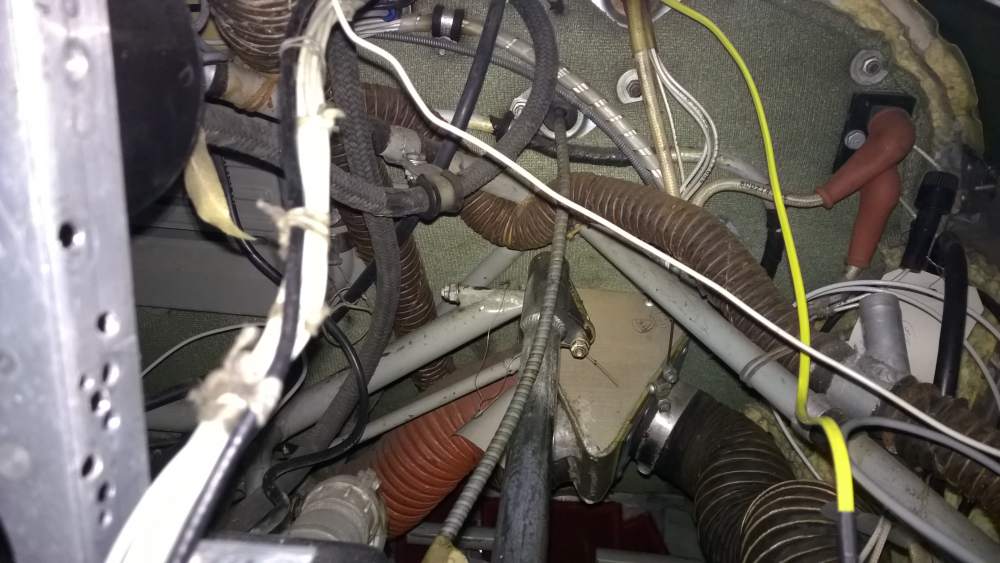
-
Co pilot brakes for 1964 M20 E
Raymond J1 replied to Pilot boy's topic in Vintage Mooneys (pre-J models)
Hummm !... I would say you have extra things on the left side. Nobody wants to stop a Mooney. -
Removing urethane efc100 fueltank coating
Raymond J1 replied to Hradec's topic in Vintage Mooneys (pre-J models)
In my wings the original PRC was repaired with its French equivalent of the brand " LJF " (the French Joint). I worked for a period at the manufacturer Dassault, assembling the Central plane of the Falcons series, I am used to the "PRC", so I keep this type of sealant for my tanks. I removed this PRC with this type of cleaner which is suitable for PU and epoxy resins. The softening is not lightning, but it is enough for a gentle mechanical stripping with a brass wire brush, put at the end of a slowly rotating drill hose. The important thing is not to mark the aluminum, so doing it gently, in a thin layer and in several passes suited me very well. I am of the opinion of mooniac 15u, it is necessary to be careful with liquid cleaners that interfere in the joints of sheet metal and can still act in time because never neutralized. Even for the stripping of the exterior paint I proceeded with gel remover, in small areas there were many washes with water. For the wing, I proceeded like Mooney by putting the piece vertically on a support made for the occasion. -
Removing urethane efc100 fueltank coating
Raymond J1 replied to Hradec's topic in Vintage Mooneys (pre-J models)
Yes, because I had the same question for my tanks and that's what guided me to the choice of a solvent. -
Removing urethane efc100 fueltank coating
Raymond J1 replied to Hradec's topic in Vintage Mooneys (pre-J models)
You can find ready-made strippers based on DMF, but you have to choose on which medium they are suitable because the concentration of DMF is variable. For example, removers for woodwork, those for metals or concrete contain the most. Depending on this concentration, they will be more or less effective. Prefer gel cleaners with at least 20% DMF, which must be applied in a thick layer after "offloading"(?, I don't the exact terme in English) the polyurethane with acetone. Work at at least 12-15°C. DMF is water soluble. Boiling point high enough, there is little danger to the product itself. On the other hand, vapors are more dangerous (for high concentrations), consider using cold lights to illuminate your work in the tank. Use rubber gloves. The DMF can be bought pure in cans or barrels, in this case it is from a professional. -
Removing urethane efc100 fueltank coating
Raymond J1 replied to Hradec's topic in Vintage Mooneys (pre-J models)
Typically, polyester urethanes are dissolved in dimethyl formamide as a 18 to 22 % b. w. solution, but dimethyl acetamide maybe used as well or dimethyl sulphoxide. To use THF will lead to lower concentrations. In any case, at ambient temperature only the hydrogen bonds are disrupted, at temperatures > 100°C allophanate or biurete groups from side reactions maybe cleaved, esp. if there are amine impurities in the solvents. Therefore, only highly purified and dried (just before use) solvents should be used. -
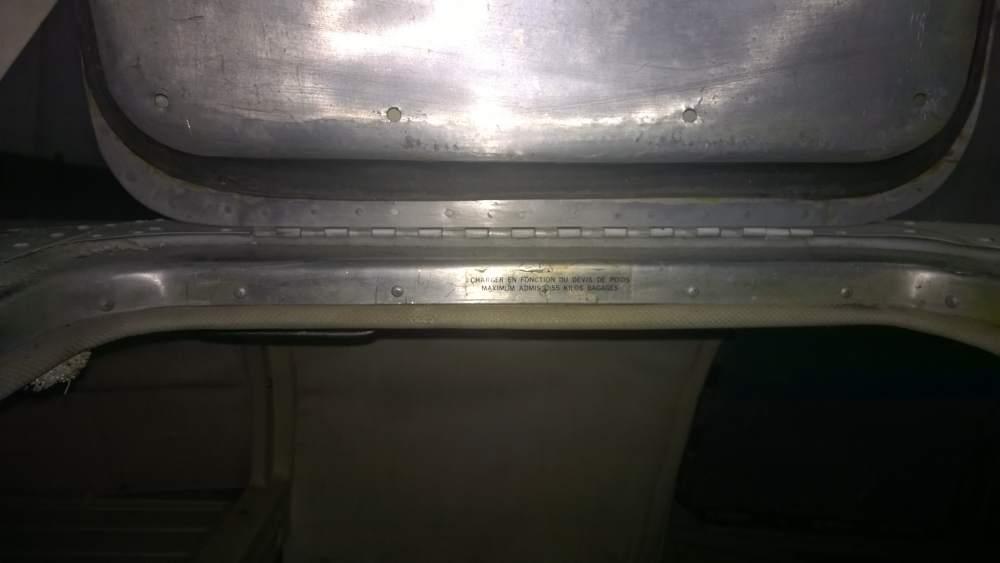
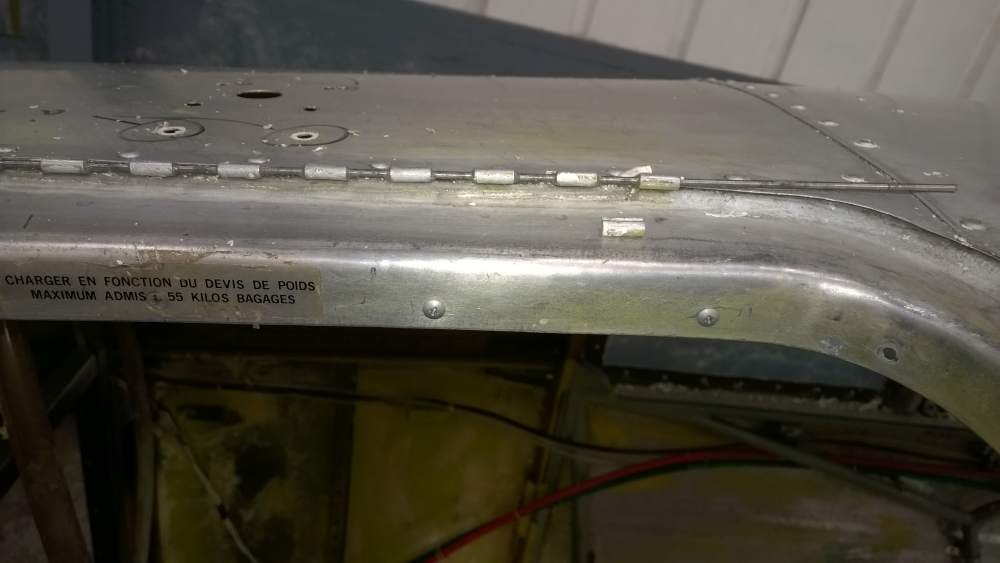
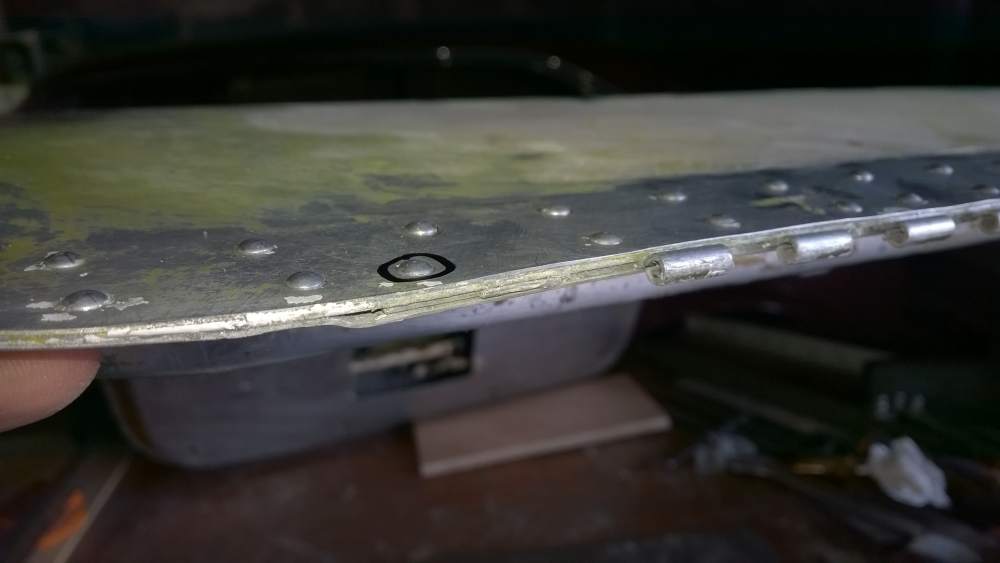
It's invisible on the picture... But in fact, at the front part, the hinge is broken. I have replaced this hinge (door side) which, for your information, is the same as the nose gear doors. Bagage door never opened in flight in 50 years... I added the visual control of this hinge to the 100 h / annual.
-
I loved restoring this part 20180828_211053.mp4 .