
Raymond J1
-
Posts
340 -
Joined
-
Last visited
Content Type
Profiles
Forums
Blogs
Gallery
Downloads
Events
Store
Everything posted by Raymond J1
-

BRITTAIN AUTOPILOT TROUBLESHOOTING - TECH SUPPORT
Raymond J1 replied to DCarlton's topic in Vintage Mooneys (pre-J models)
The "electrical circuit" takes its heading reference from the heading sensor BI 102. The role of the BI 603 controller is to amplify the signal received from the BI 102 and then modulate the voltages of the left/right outputs accordingly. This signal is sent to the servo motor of the turn coordinator which drives the pneumatic valve acting on the servos of the traditional PC system. One could replace the BI 102 by another flow valve or another cap reference, such as a directional with slider "HDG" for example. If I chose to keep this BI 102, it is because Brittain modulates the signal to obtain 2 turn rates (rate 1 and rate 1/2), that this modulation is carried out via the voltages sent to the BI 102 by the controller BI 603 (there are 3 dedicated twisted pairs in the beam BI 502, one of which concerns the turn rate 1/2). -
BRITTAIN AUTOPILOT TROUBLESHOOTING - TECH SUPPORT
Raymond J1 replied to DCarlton's topic in Vintage Mooneys (pre-J models)
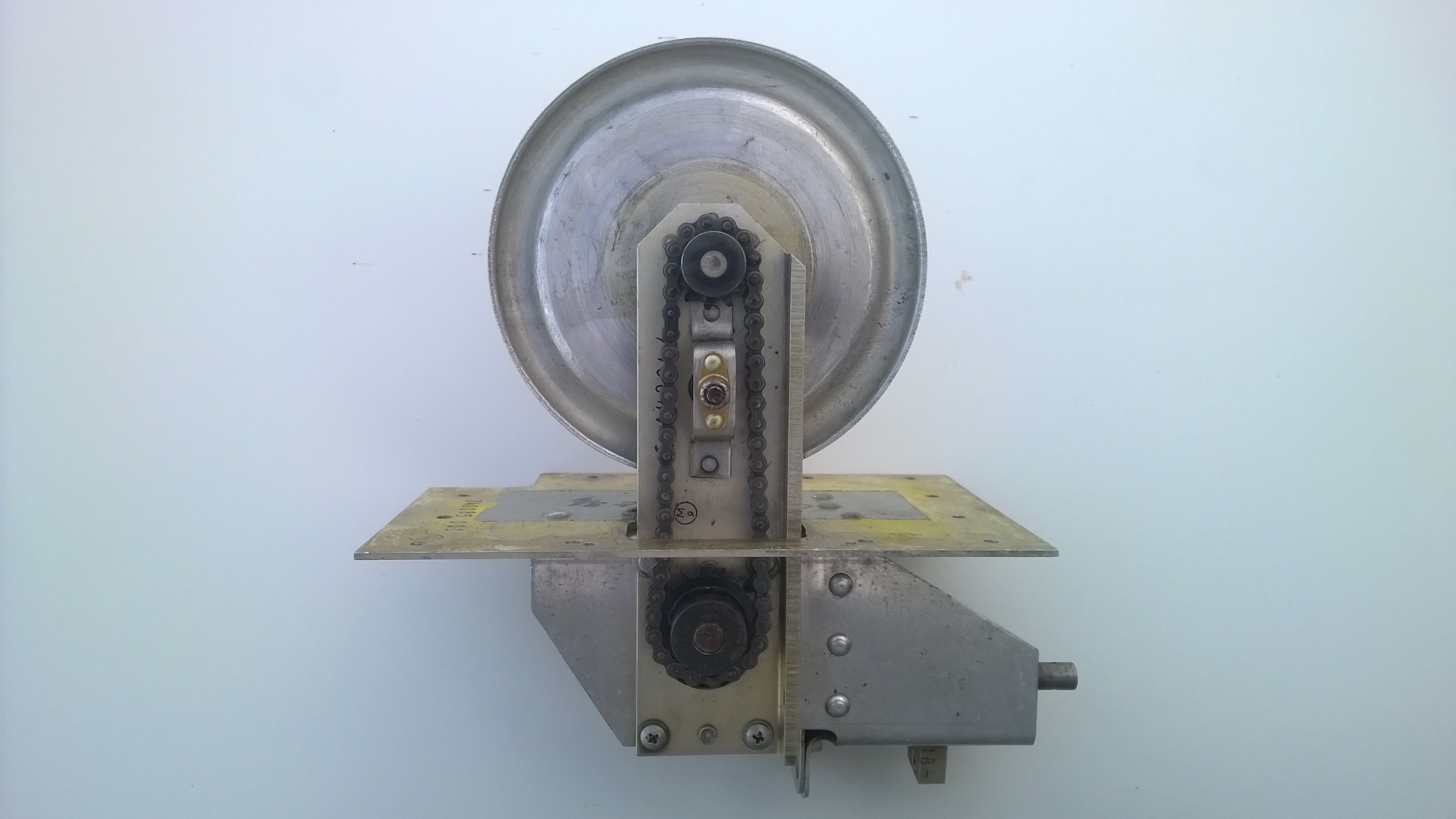
This is the servo motor at the end of turn coordinator, driven by the BI 603 controller. For the video, I simulated a capture of HDG from + to - 30 ° of the road, which makes deflected the servo motor up to the rate 1 of turn (support on the stops). -
BRITTAIN AUTOPILOT TROUBLESHOOTING - TECH SUPPORT
Raymond J1 replied to DCarlton's topic in Vintage Mooneys (pre-J models)
I wanted to publicly thank Cecilia Henderson and Kevin Westbrook for their help in restoring and return to sevice my BI 603 controller, rebuilding the BI 502 harness and overhauling the BI 102 heading sensor. Without them, the following video would have been simply impossible to do. WP_20210425_11_57_59_Pro.mp4 -
From the album: The 67 F #26, Fox Juliet November.
-
From the album: The 67 F #26, Fox Juliet November.
-
From the album: The 67 F #26, Fox Juliet November.
-

From the album: The 67 F #26, Fox Juliet November.
-
How fast can an M20F really go?
Raymond J1 replied to hmasing's topic in Vintage Mooneys (pre-J models)
I have always found mine too fast, as I like to fly it and I am always disappointed that the flight is already ending. -
1966 M20E Instrument panel post lighting
Raymond J1 replied to Arnold D's topic in Vintage Mooneys (pre-J models)
To answer your question, the Whelen PNr WHL A 350 CN part is the modern alternative to the original Grimes support. This reference uses the same GE 330 bulb, you just need to adapt the length of the bracket and its threaded fixing rod so that the mounting on the trim is possible. When ordering, you must specify the color of the filter you want (amber in our case). below are photos of the original Grimes bulb holders.

-
What is this stuff in my gascolator?
Raymond J1 replied to Vance Harral's topic in General Mooney Talk
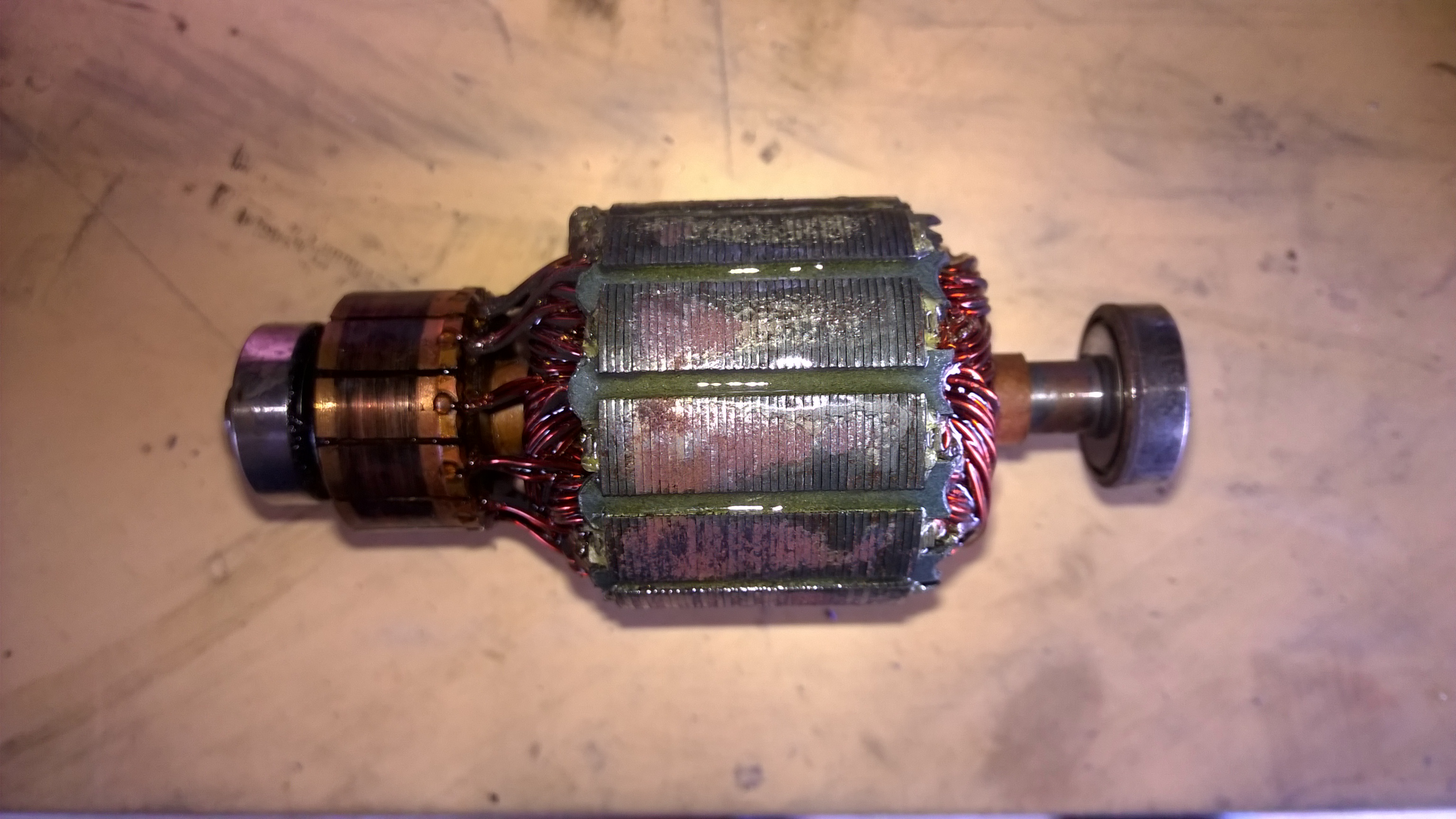
Steel cage for the bearings (Duke motor)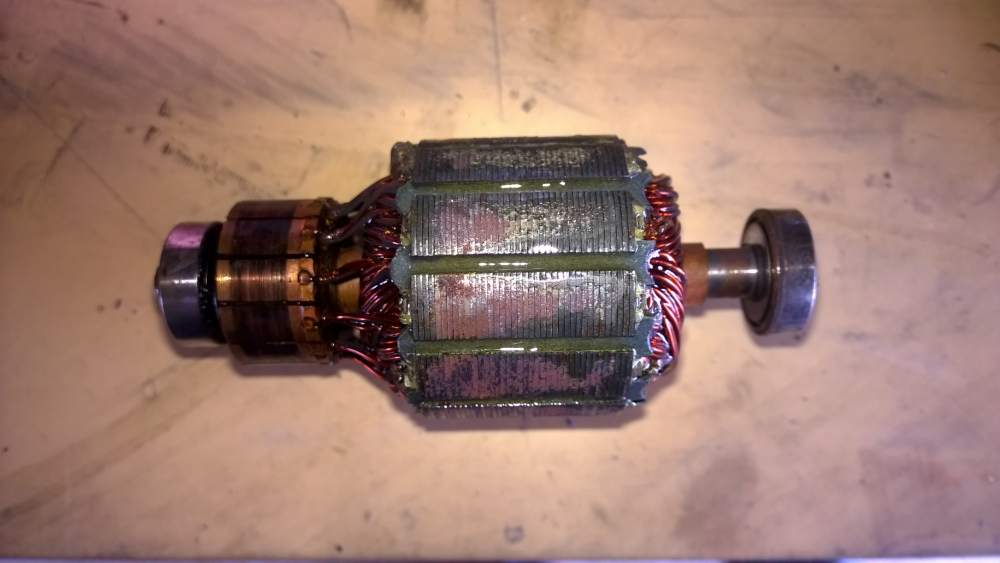
-
On an airfield, one day, my wife says: The others do not have the same tail as you, I could recognize you... So for me, the explanation is that Al thought about pilot women.
-
See SB M20 150 A (auxilliary buss bar wire for C, D, E & F).
-
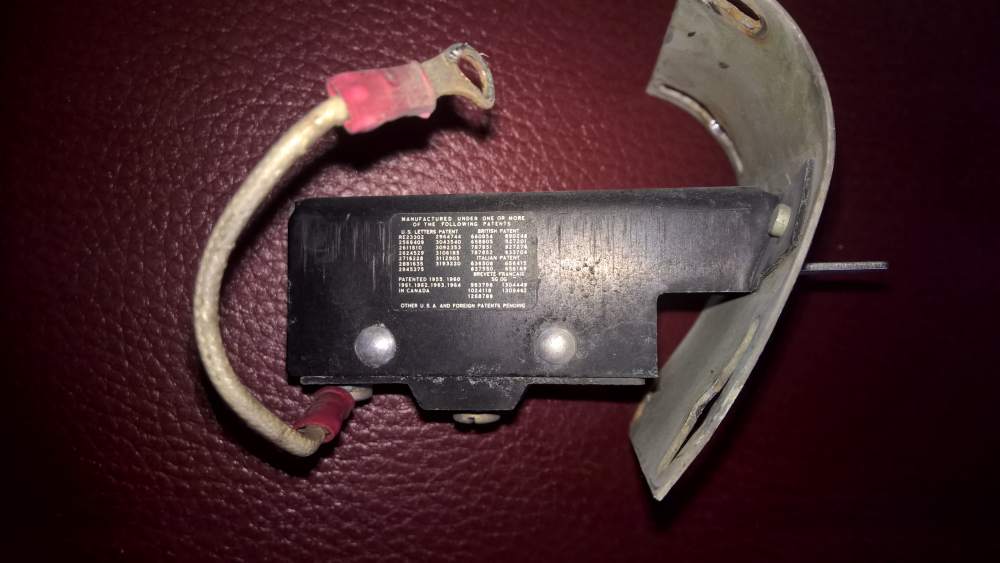
Would you like to know how to deposit this part ?

-
Electric Landing Gear Circuit Breaker ('67 M20F)
Raymond J1 replied to BWatts's topic in Vintage Mooneys (pre-J models)
I thought like you at first. Then looking at the wiring diagrams and the evolutions between 1964 and 1967, i.e. when the Dukes mounting was an option to be added to the standard harness, the limit switches, the relay coils, the leds and even the retraction safety switch are protected in 5 A. Only the power circuit (which supplies the current to the motor) is protected in 25 A. The wiring on all wires is in 18 AWG... If we were a purist, we would have to replace the wires of the "safety switch" to increase their section and make them compatible with the rest. At the refurbishment of the Dukes engine, I steamed the winding, which reduced the operating current by 5 A (it was at a peak of 23 A at the end of the ascent), When we isolate each train (dismantling the connecting rods), it is the front train that consumes the most current... -
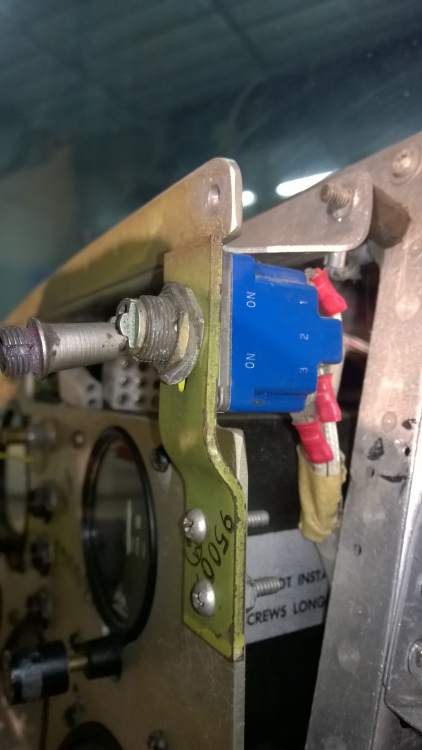
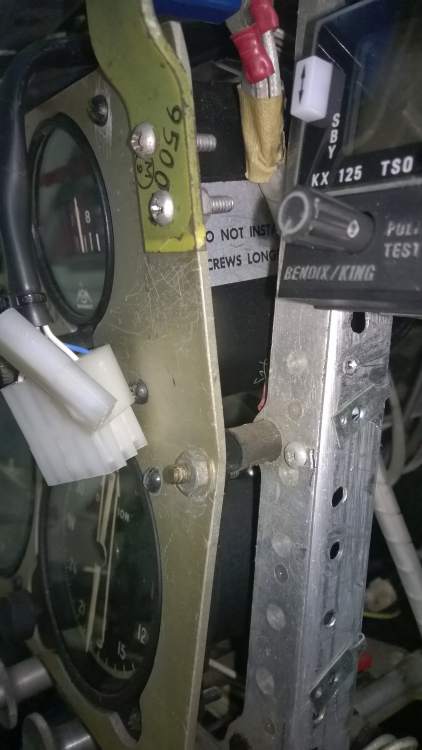
Tilt the dashboard so that the axis of the driver's average field of view is perpendicular to the plane of the panel, this to avoid parallax defects (not all digital instruments have this correction). There were exceptions, however, such as the orthogonal gyro indicators, which had to operate on a vertical plane, hence Mooney's choice to partially abandon the" T basic " and to move attitude and directional indicators on the vertical fold of the pilot. Mounting on "silentblocks" is to avoid fatigue of gyroscope bearings with vibrations. The original silent blocks are worth nothing, the fatigue resistance over time is good but it is the metal rubber adhesion that does not tolerate maintenance interventions with removal. It is possible without major changes to adopt the M5 metric standard and get approved... For those who want to keep this original montage.
.thumb.jpg.9210fc4007c076d48af40ce6dcd11fe3.jpg)
-
Electric Landing Gear Circuit Breaker ('67 M20F)
Raymond J1 replied to BWatts's topic in Vintage Mooneys (pre-J models)
The DUKES engine having a nominal of 40 A at 4200 rpm, can someone explain to me the choice of Mooney for a limitation to 25 A ?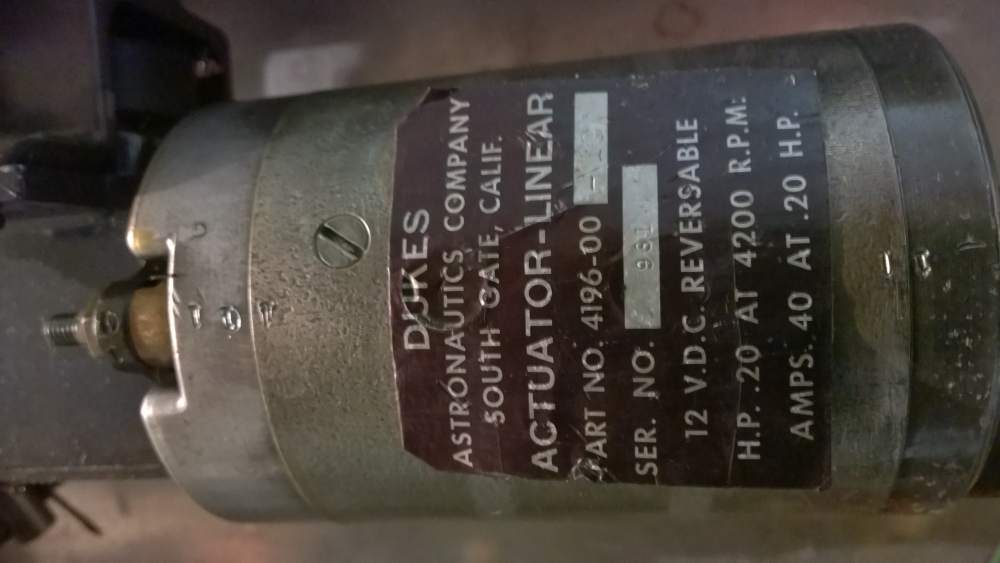
-
Electric Landing Gear Circuit Breaker ('67 M20F)
Raymond J1 replied to BWatts's topic in Vintage Mooneys (pre-J models)
In the maintenance manual, the breaker of the power circuit is 25 A while that of the control circuit is 5A. On my F, I had the unpleasant surprise to see a power breaker increased to 50 A....thumb.jpg.a45b0409a236b222e4764c53a7787dd1.jpg)
-
Emergency Gear Down Procedure - Practice
Raymond J1 replied to Mark942's topic in Vintage Mooneys (pre-J models)
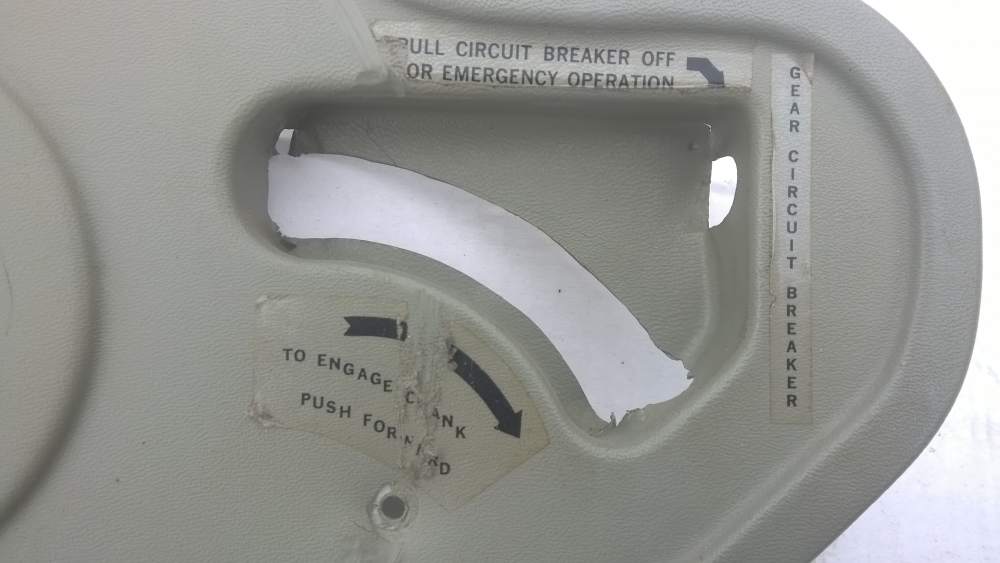
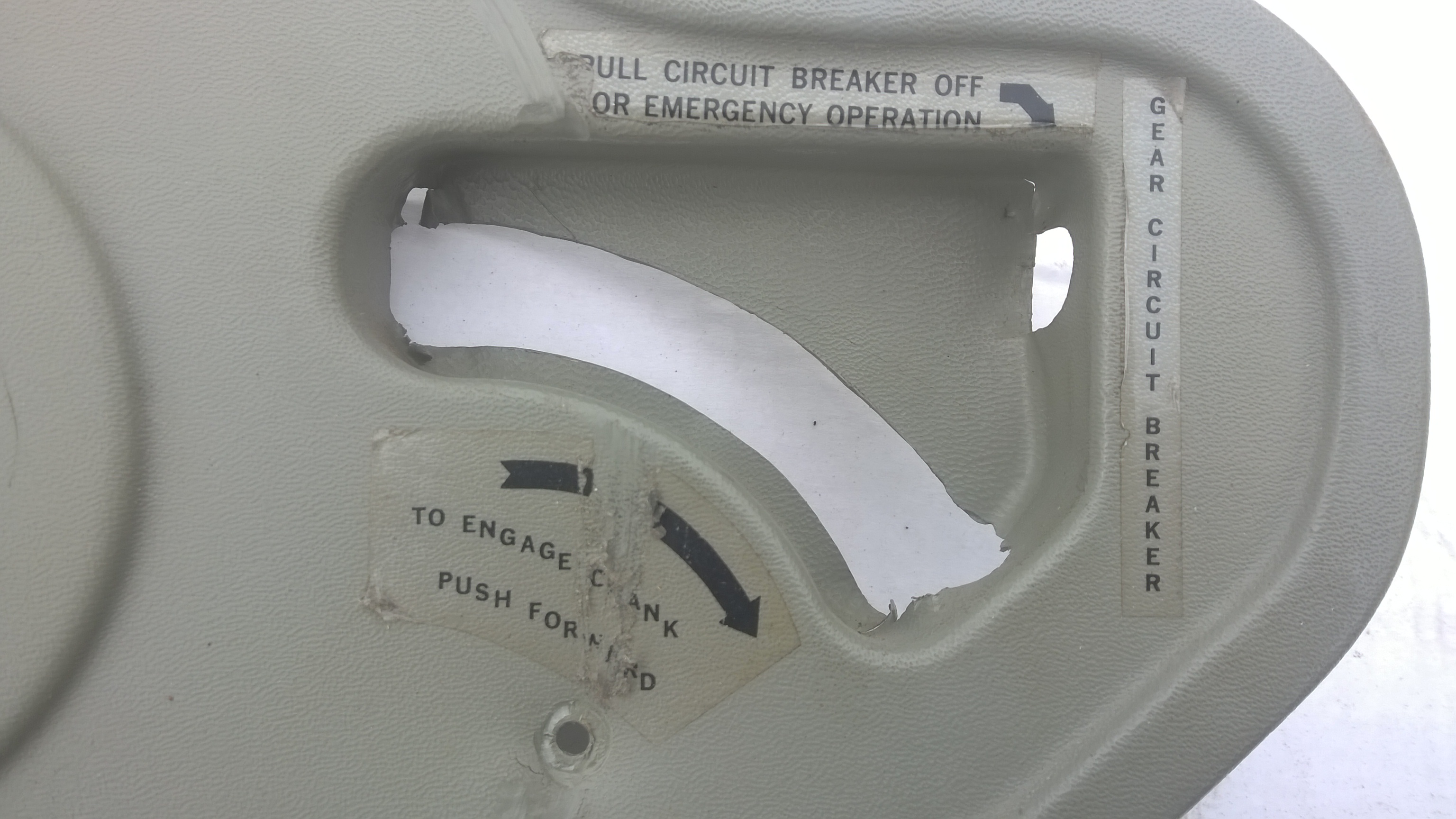
I climb this post because I had a problem with the crank cover when exercising. I specify that the original cover being very damaged, it had been changed by the model sold by "plane plastic". The following photo shows the crank and circuit breaker space of this new cover, which is not the same as the original, and access to the button is compromised. You suspect the difficulties that this generates in addition to the additional stress. I decided to rebuild the spacing of the "flat plastic" trim to eliminate this defect. Does anyone else know about this kind of problem with the "plane plastic" cover ?.thumb.jpg.108ed45abccf632d916d12aab49ddbc4.jpg)
.thumb.jpg.5a0dd2dc67897506ec83b3287322bd3b.jpg)
-
Latent M20C Gear Down Indication
Raymond J1 replied to 1352cc's topic in Vintage Mooneys (pre-J models)
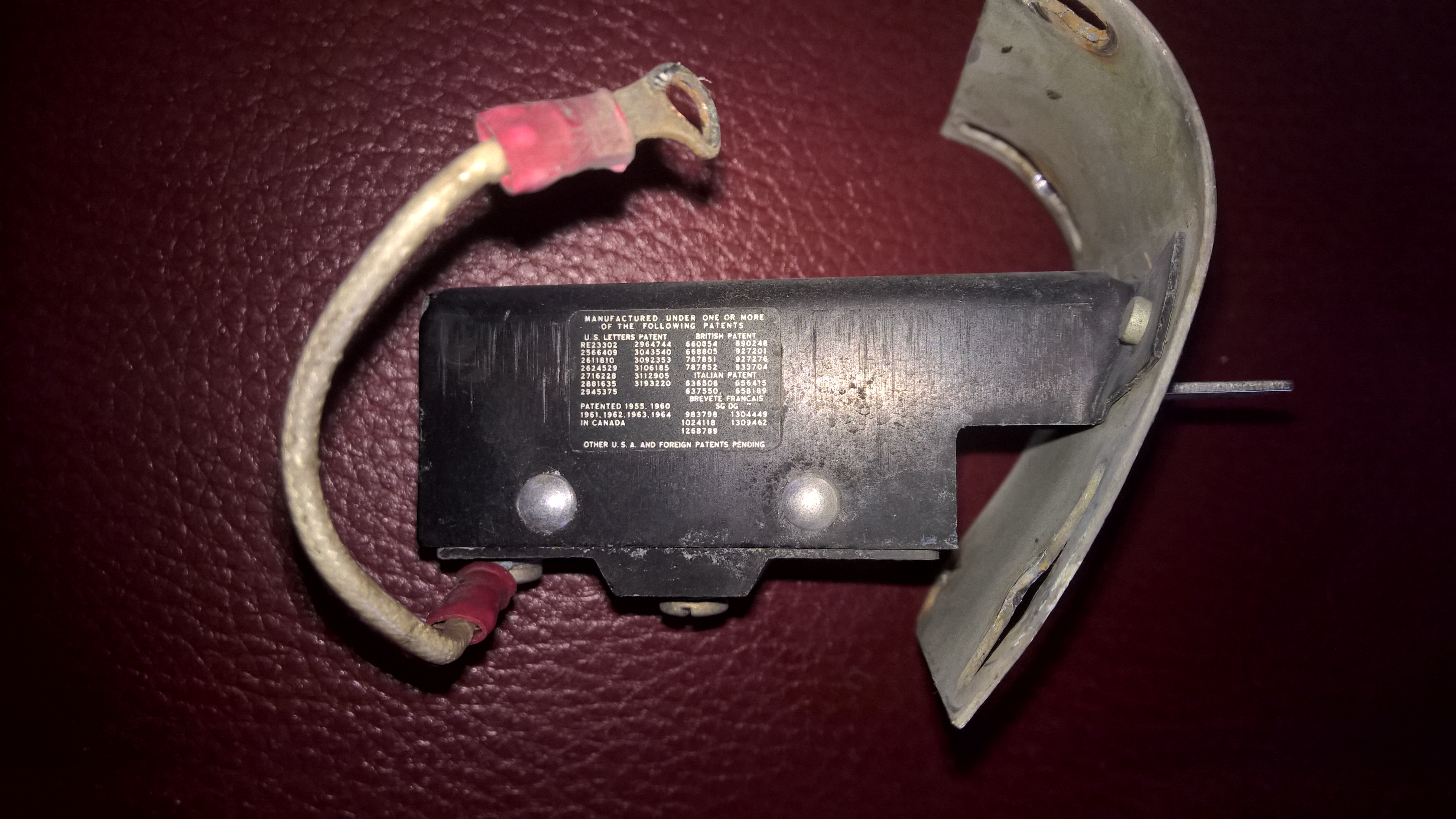
The longevity of the lubricant film the microswitch pusher depends on several factors : - The nature of the lubricant ; - The operating frequencies ; - The temperatures - humidity levels encountered in the working environment ; - The level of mechanical wear of this system ; - The presence or absence of the protective bellows of the pusher. In the case of moderate use of the aircraft, in "severe" environment (humidity - heat - great cold), it is advisable lubricants called "dry", that is to say containing little solvent and whose soap is not miscible or sensitive to water. Currently, on the market, "dielectric" lubricants based on teflon(R) are preferred. If you use your mooney every week, a "sewing machine" oil greasing every 50 hours is enough. Your local MSC can very well advise you for this. -
Latent M20C Gear Down Indication
Raymond J1 replied to 1352cc's topic in Vintage Mooneys (pre-J models)
On my 67F (I don't no for the C), the gear down switch is mounted into an pushing rod box with return spring. With the time, it necessary to lubricate the pushing rod. Otherwise, the return spring is not strong enough and the switch does not immediately deliver the information.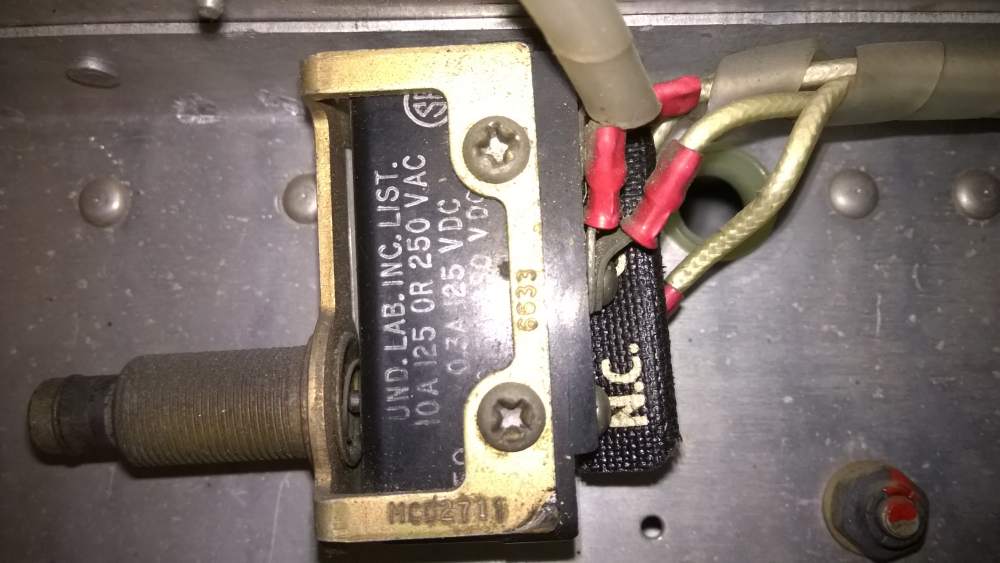
-
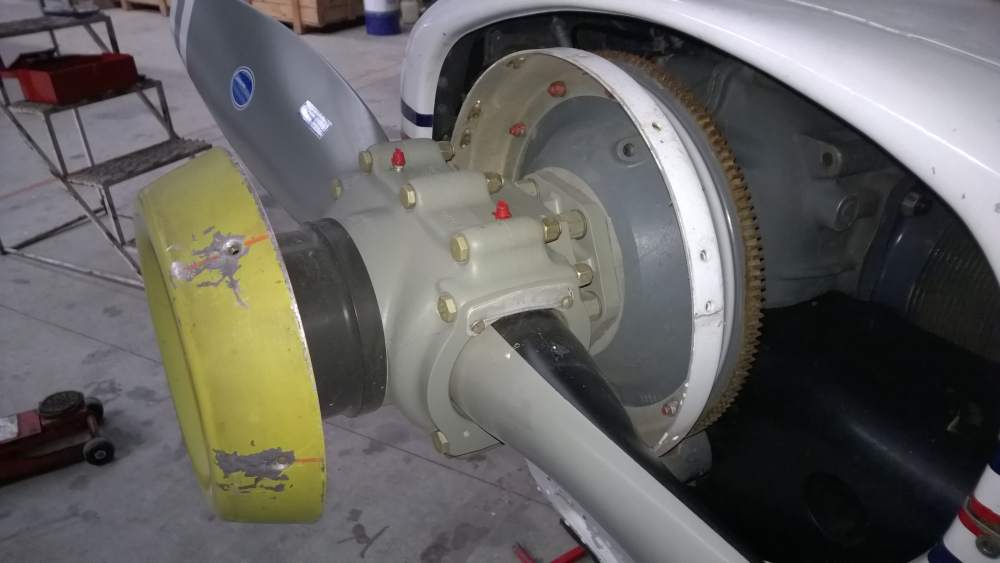
In fact, no matter which engine this propeller means is mounted on, it turn that the Hartzell Type HC two-blade means ages badly with blades operating under large pitch, high torque and consequent diameter. This is typically the case with the 360 cu.inch operating at less than 2400 rpm on fast aircraft. The control by "penetrant" is indeed an alternative to that by induction as mentioned by Carusoam. The AD clearly specifies what brand and type of hub it is. Note that the same type of hub, in 3-blade version, offering a higher fullness to the propeller, is not concerned. Some" E "and" F " also use the Hartzell propeller and this offending hub.
-
M20C elevator trim rolling forward in flight
Raymond J1 replied to dk580's topic in Vintage Mooneys (pre-J models)
I think the generalization of this solution on all models un 1965 (C, D, E & F). -
M20C elevator trim rolling forward in flight
Raymond J1 replied to dk580's topic in Vintage Mooneys (pre-J models)
small screw under the sprocket to rotate to increase friction on the wheel.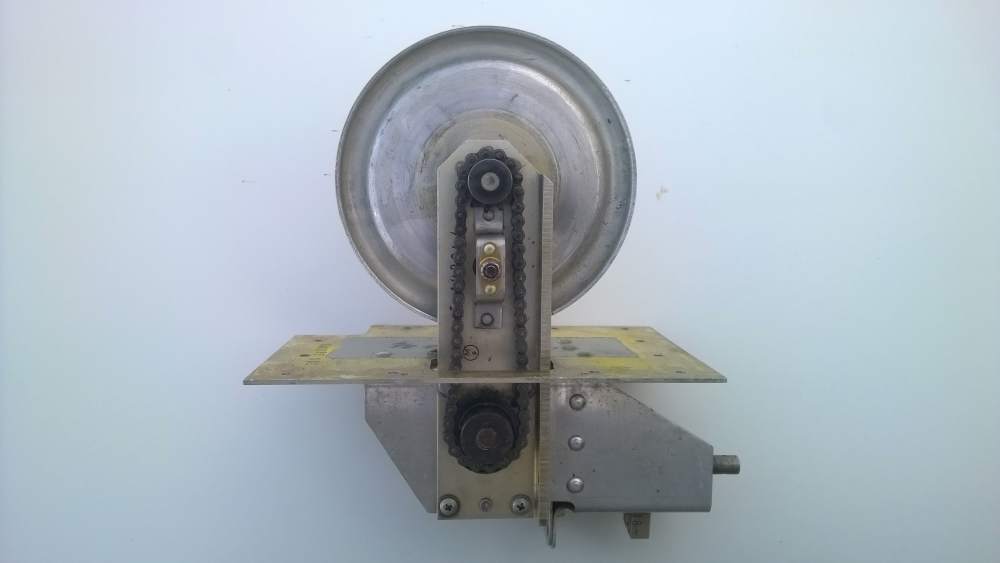
-
Today "Molykote 7", demolding agent.
-
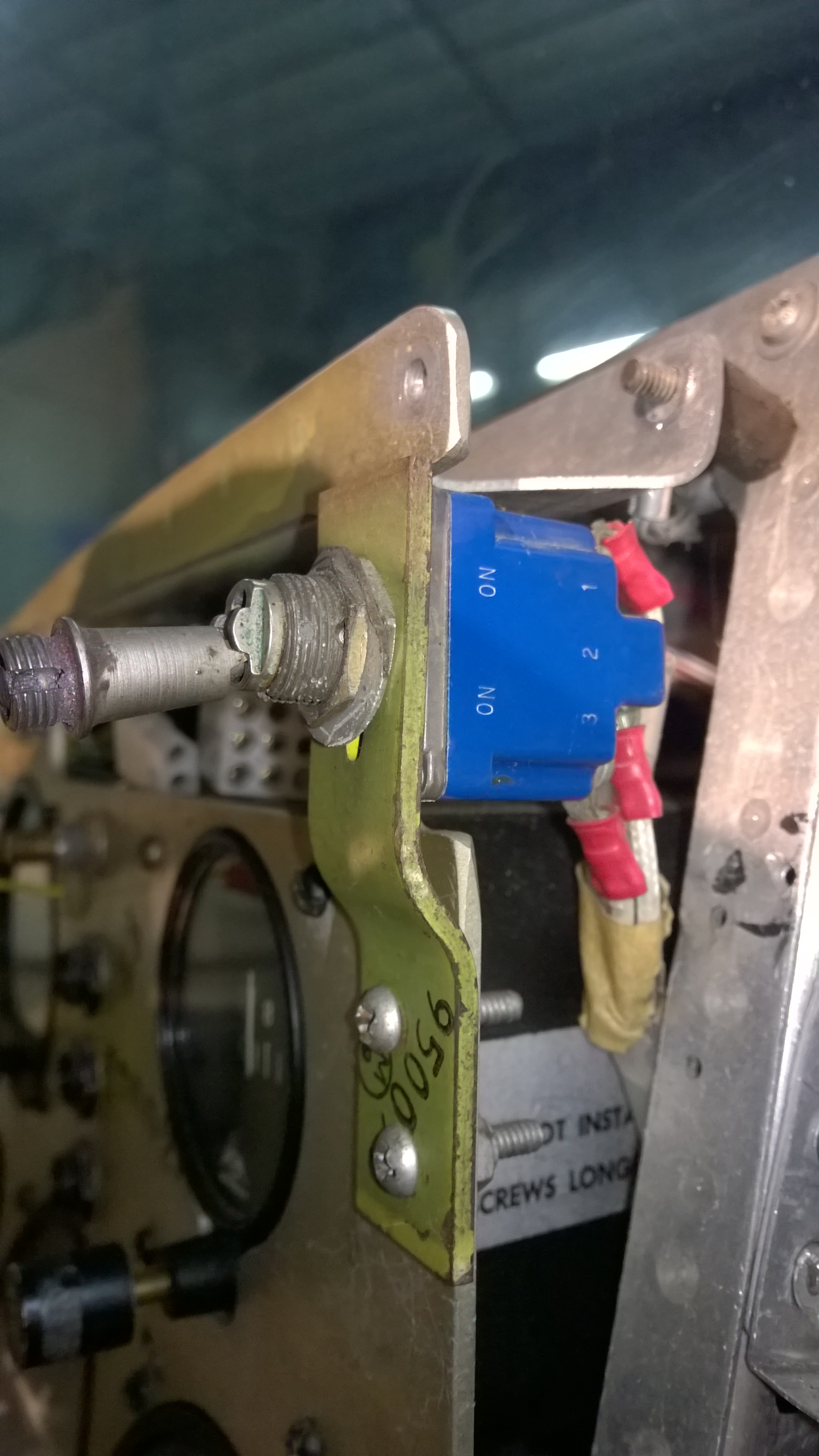
Directional, attitude indicator and turn coordinator are instruments mounted in "open" vacuum circuit, that is to say having at the other end an intake filter with a flow rate and a regulated vacuum. For them, the vacuum is associated with a large air flow, in fact the failure of the hoses can lead to a degradation of the power but also the mixing ratio, this is what motivates the use of a suitable auxiliary pump. The "step retract" is an exception in that it is a closed system, like your intake manifold pressure gauge or the modulator of your old GM automatic gearbox on a car. Once the vacuum pressure is established and the step retracted, there is no more airflow. The servo step hose is a 1/4 "ID Polyflo, but the intake manifold can be small in diameter, calibrated to not interfere with the metering of the carbured mixture and carried out on a spacer mounted between the intake manifold and the Bendix RSAD fuel metering unit. There, the 4 cylinders are concerned and the failure hose can be corrected by the mixture control. At the moment, everything is a minor amendment submitted to the authority, which is unlikely to be approved because, as in your case, the bureaucrats do not take into account the technique. And of course, out of the question for me to question the certificate of my F.






.jpg.402fcf77cb1eaaa3c3e8255a04d01eab.jpg)

.jpg.1d7a673f1c58b01dc1877bbb20a64844.jpg)
.jpg.1e7855c4dca59087f5d24de37a0537b9.jpg)
.jpg.7f02d62a961e8621a930326762238ea4.jpg)