Warren
-
Posts
256 -
Joined
-
Last visited
Content Type
Profiles
Forums
Blogs
Gallery
Downloads
Events
Store
Everything posted by Warren
-
Good luck. Maybe you will be lucky enough to just need a piece of SCAT tubing.
-
Sorry. I took pictures and completely forgot to post them. First picture is the cooling line from the baffle to the alternator. Second picture is the inlet for the hose from the front side. Third picture is the hose connection to the cooling shroud on the air inlet for the alternator.


-
There should be a scat hose from the rear baffle to a plastic cover on the alternator that directs fresh air from the upper plenum to the alternator. My 1985 M20k has this line, his 1979 M20K has the fitting on the baffle and the plastic cover on the alternator but no line connected. Hope that helps. If you Still have questions, PM me and I will take a picture tomorrow.
-
Helping a friend troubleshoot a similar issue in a 231. Recent engine rebuild and alternator rebuild. We found the cooling line was not reinstalled and are hoping the intermittent issues are heat related. Next step is to reinstall cooling line.
-
Static system is plumbed to two static ports in the sides of the fuselage. The static system drain is under the main fuselage, just aft of the wings (the pitot system drain is under the wing root and not part of the static system). Autopilot pitch is controlled by the attitude indicator (electronic signal for pitch and roll reference) and altitude reference (static pressure). When you transition to the “wild ride” can you look to see if the attitude indicator leads or causes this? Not likely, but something to check. Not likely if your attitude indicator seems to be working and the autopilot is stable at lower altitudes. The altitude is referenced to the static system - as you suspect, this seems to be the most likely issue. The Alt Static source is sealed by a couple of small o-rings that get old and cracked effectively defeating the alt static source selector (sometimes you can feel this if the alt static source is hard to move or doesn’t feel smooth when moved). Theoretically, a change in attitude could cause a change in cabin pressure and a resulting change in the static pressure reference leading to oscillations. A static system check can quickly determine if your static system is tight and eliminate or confirm this possibility. The lack of change in the system pressure when you open or close the alt static source is a pretty clear indicator that you have a significant static system leak somewhere. It does seems odd that it is attitude and altitude sensitive but all I can think is to start by eliminating the two potential causes above.
-
Happy to help as well - based at KBJC. Have done 3 years of owner assisted annuals and have a few tools. Jack stands, gear swing, landing gear torque tool, compression test, bore scope,... Not an A&P. Maybe in conjunction with @Vance Harral and @gsxrpilot we can provide some guidance -- at least a pre-screen for major issues.
-
Calculated fuel on board versus indicated fuel on board
Warren replied to MooneyMark's topic in Modern Mooney Discussion
I run a tank dry multiple times a year on longer flights. There is a significant difference between running a tank dry LOP vs. ROP. When ROP, the FF reduces and the engine starts to surge - change tanks and in less than 10 sec everything is back to normal. LOP is a whole different story. Already lean means that any reduction in FF causes the fire to go out. Switch tanks and it will recover but it is more dramatic and takes longer to get going again - 20-30 seconds which is a long time to wait for a restart. I have never had to use the boost pump to get a restart and have not attempted this above FL180. In general things are much smoother when ROP. I regularly operate lean but when my low fuel light goes on I know I have about 15 mins of fuel and I switch to ROP until I have switched tanks. If you are doing this at altitude, make sure you are familiar with the restart procedure in case you have trouble. If the turbo spins down and the MP is much lower, you will be very rich — probably too rich for a restart. Read the restart procedure, but the main focus is leaning the fuel flow to an ignitable fuel ratio. I also make sure I am within gliding distance of an airport — just in case the worst happens. Warren -
Ok. I had a chance to fly yesterday and confirm that the KFC150 will capture and fly the visual approach (I had never thought to even try it before). 1. The current software for the GTN is 6.7 so this is not your issue. 2. You can capture and fly an ILS approach so there should not be a wiring issue. In the attached diagram, you can see that there is an additional GPS connection to some autopilots but the KFC 150 uses ILS signal line for both the GPS and ILS approaches. There are only 7 wires. This does not agree with what Don states from his technician and I am hoping it is confusion as to which type of autopilot and the associated differences in wiring. 3. For an ILS approach, you set the GPS to CDI mode and select the Approach mode on the KFC 150. For a GPS approach, you need to make sure the GTN is in GPS mode and the KFC 150 is in approach mode. If this still does not work, I would assume it is a setup in the GTN software. Good luck with your troubleshooting.

-
I re-read your problem but am still not clear on your setup or performance. Here is my feedback for what it is worth. ***Edit—the comments below apply to a KI 209A, but you are using the KI 525A so disregard this section 1. Software configurations. Can you capture and fly an ILS or LPV on autopilot with your setup? If so, the wiring to the autopilot is complete and providing lateral and vertical guidance. I would look at software configs to resolve. 2. Wiring. There are not separate wires to the autopilot for GPS or ILS guidance — 7 wires total: 2 wires for lateral guidance, 2 wires for GS flag, 2 wires for vertical guidance and 1 wire for ILS energize (there are two additional wires to the indicator for the lateral flag). The same signals that drive the indicator for GS flag and GS are tied to the autopilot. If your indicator is giving vertical guidance, your autopilot should be as well - assuming no broken or missing wires. Easy for a tech to check as there are not many wires to look at. Good luck
-
Any Garmin 175 GPS pireps? Install time?
Warren replied to Immelman's topic in Avionics/Panel Discussion
You can get the 175 and a KX radio to feed the same indicator. Use an RS-08 switch ( I am sure there are other options as well) to select between Nav/com or GPS being fed to the indicator. The RS-08 is a relatively simple install as it is only one connector. You will likely be able to reuse the switch used for the Loran and KX as the same signals will be coming from the GPS 175 to feed the indicator. -
can I move my transponder to the center stack?
Warren replied to rbridges's topic in Avionics/Panel Discussion
Best way to confirm is to remove the panel above the audio panel and check for space. The audio panel has a shorter tray and has a chamfered top so will likely fit the best by moving it up and putting the transponder between it and the GPS. -
Yep. That was my first thought. How can you possibly co trip the depth that accurately on a panel that will never be perfectly flat. Solution: use a cutter that uses the panel surface as a guide for depth. Works amazingly well. Here is a picture of text done this way.
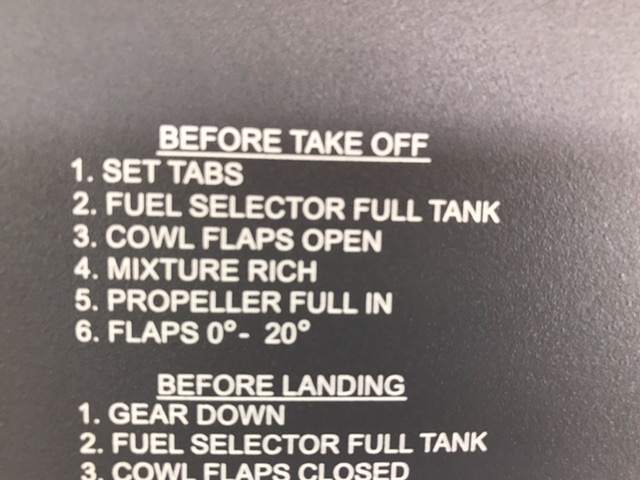
-
Some powder coat a white base, second layer with a colored powder coat and mill the letters to expose the white.
-
Here is a picture of the dual light. Strobe light around perimeter and Nav light in the center. Second picture is the strobe power supply mounted to the access panel in the fuselage. if yours had a strobe power supply and the strobe lights there should at least be screw holes and evidence of removal.
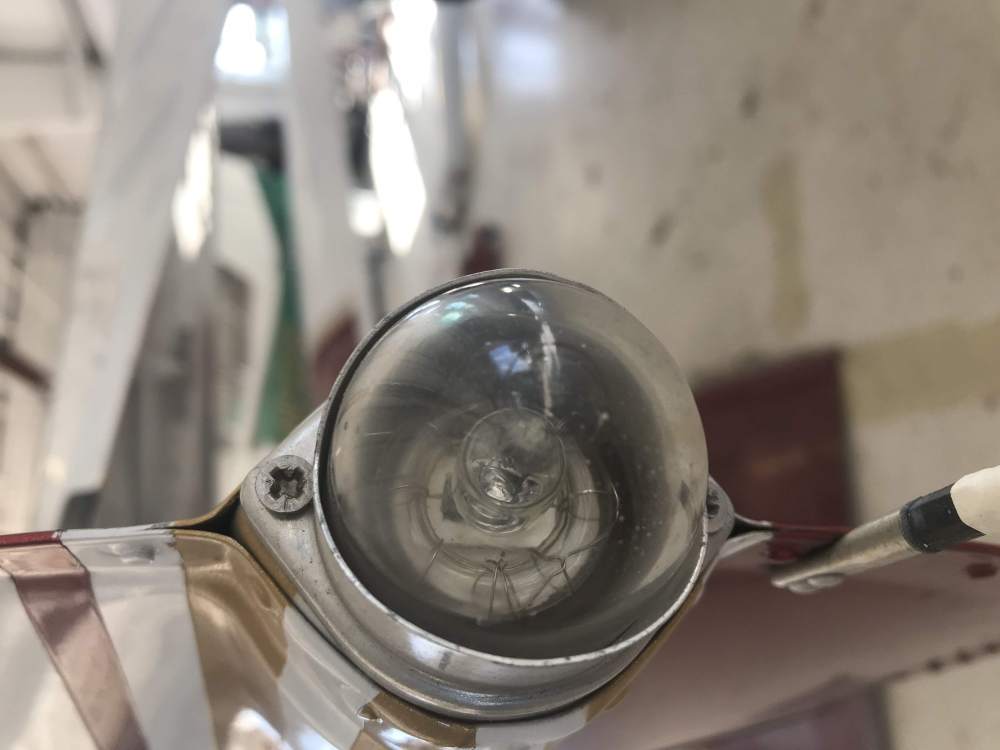
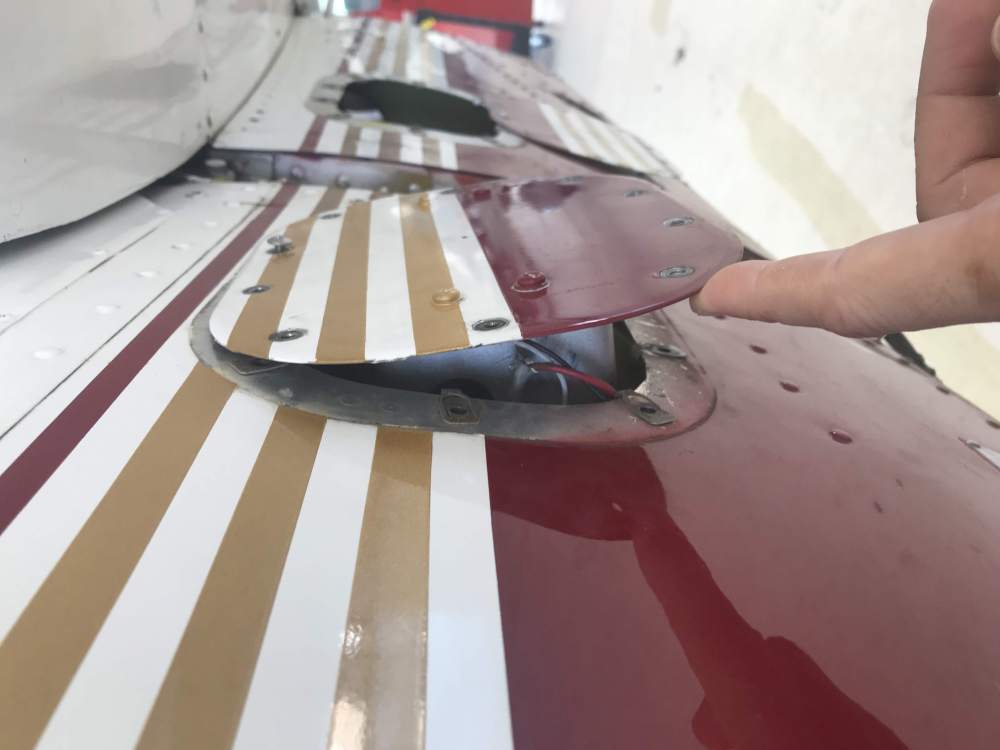
-
My 231 - 1985 model - If I recall correctly, there is a white nav light and a strobe bulb. In the parts manual it is called out as a nav/strobe assembly. I will be at the airport tomorrow and verify if it has a white and strobe light. I know there is a strobe power supply mounted to a side access panel at the rear of the fuselage as mentioned above. According to the parts manual, the aft wingtip lights started with the 252 series. That would imply you do not have this and would require a rear white nav light. My 231 does not have rear wingtip lights.
-
1986 and the 252 were the first factory intercoolers.
-
Front Range Flight School does their own maintenance as well as work for others. They were very helpful with a quick flat repair for me earlier this year. Contact Information: Brian Eaton Front Range Flight School 720-982-7263
-
PS Engineering seems to be the general consensus. Paul has the 450 and I couldn't believe how nice it was to listen to ATIS and traffic at the same time. With the audio being split left to right you can choose where to focus. I have the 8000BT. Probably about 1k lower cost and still a great unit. Has bluetooth but no USB and hard to distinguish more than one audio source at a time. I am also at BJC if you want to see and hear what it sounds like. It all comes down to money. The 450 is a great unit, has more features and costs more money. One may be in my future but not at the top of the list for my next steps.
-
I made the decision to buy a 231 based on the price being lower than a 252. Here are a few thoughts and some of the differences I think are most important. Nothing about avionics listed as there are many other sources for this information. 1. Intercooler and Merlyn Upper Deck Pressure controller. With the upgrades to add an intercooler and an upper deck pressure controller you significantly close the gap to a 252. Still have to manage boost pressure manually (becomes second nature after a few flights). I know intercoolers are still available for about 10k, not sure about the Merlyn controllers if you buy one without these. I believe both of these should be mandatory upgrades on a 231. 2. Encore Upgrade. The 231 doesn’t have the option to upgrade to the Encore. Mine is partially upgraded to glass, has the backup vacuum removed, went to a MT prop (15lb lighter) and has a useful load of 920 lb. Knowing the Encore is rated almost 200 lb heavier with the same wing and 10 additional hp gives me comfort loading up to max gross weight with no concerns. 3. LB Engine. As stated above…the GB engine is less ideal than the LB and requires more conservative operation. There are also some 231’s that have been upgraded to the MB engine which effectively makes them a 252 with a 12V system. 4. 231’s are all 12V and 252’s are 24V – many, if not all of the 252’s, have backup alternators while the 231’s need an aftermarket add-on if you want this. There is some safety redundancy here. 5. The removable rear seats in the later 231’s (guessing approx. 1982 forward) is a huge convenience. I can put two road bikes or two mountain bikes in my plane with the rear seats out. It takes about 2 mins to remove the rear seats. Good luck with your search. If you can afford a 252 or Encore they offer more performance for more money. You will have to determine what you can afford and the best “bang for the buck” tradeoff’s.
-
I don't recall exactly where my critical altitude is -- mine has the Merlyn upper deck pressure controller and intercooler upgrades. I think it is about 20,000. I don't play much above that level because I am not a fan of the oxygen masks -- it takes a really good wind to make it worth it. Most of my time is FL190 or lower and I can still easily make full power at these altitudes. Guys like @gsxrpilot have more experience at higher altitudes. Maybe he can add some here -- he also as the 252 vs my 231.
-
Do you have a older JPI? They install a warning light in the pilots view. That is pretty close to where my light is for my JPI 700.
-
Its a shame it doesn't have a little more horsepower for takeoff. My M20k would be pretty lethargic taking of at full weight with only 75% power. The gross weight might have to be decreased to meet the climb performance requirements. Especially at my airport with an elevation of 5673. However, it should have more torque and that, with a more aggressive prop might still work. The range would be amazing with the extended range tanks and the cost to fly would be significantly reduced as long as the engine is priced reasonably. I can't wait to see how this goes and what you find for climb performance.
-
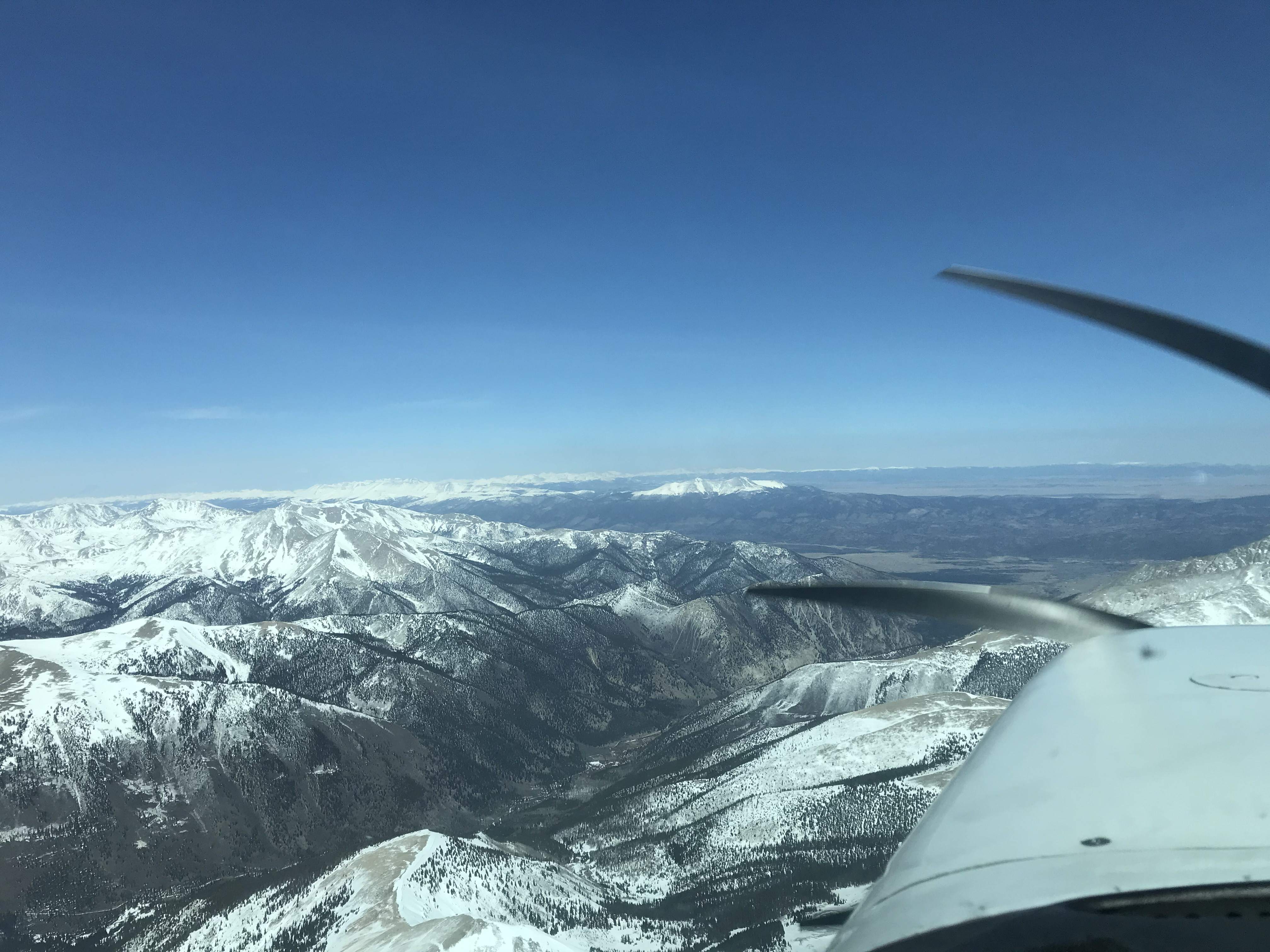
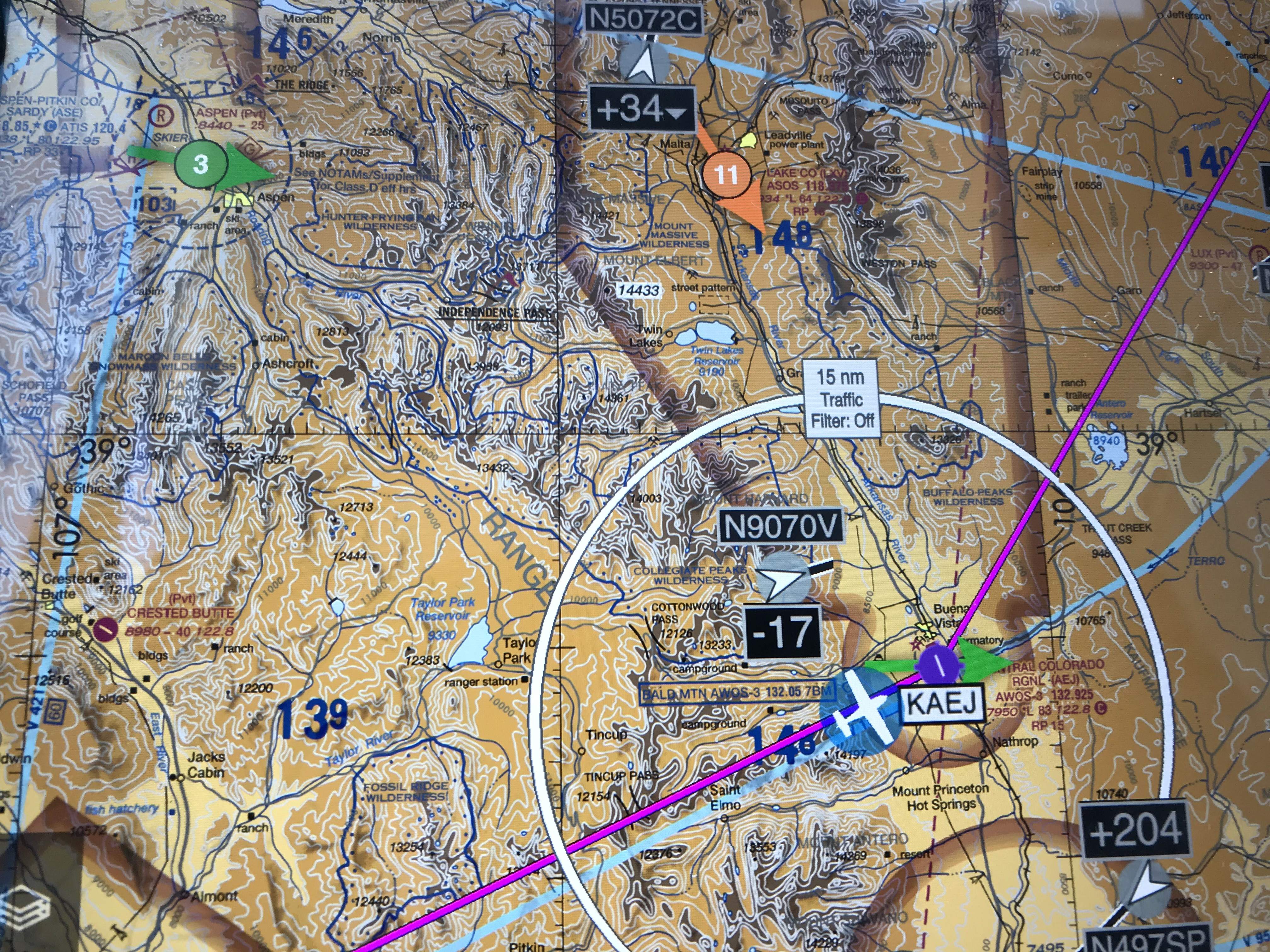
Did and Angel Flight with medical supplies today. It was great to have a good excuse to go flying. And, I got some unplanned exercise. Apparently they don't bother to plow the snow in all the areas of the airport during a shutdown -- this is at KBJC, a class D airport! I had to move some drifted snow and clear about a 50' path to thinner snow that I could taxi over. Beautiful blue skies with a little wind and few bumps. More snow in the Denver area than in Gunnision. Flew home near Leadville (Lake County) airport. It is about 25 miles up the valley from image 1958 (pretty close to center of picture). I have already checked that one off the bucket list so continued home.

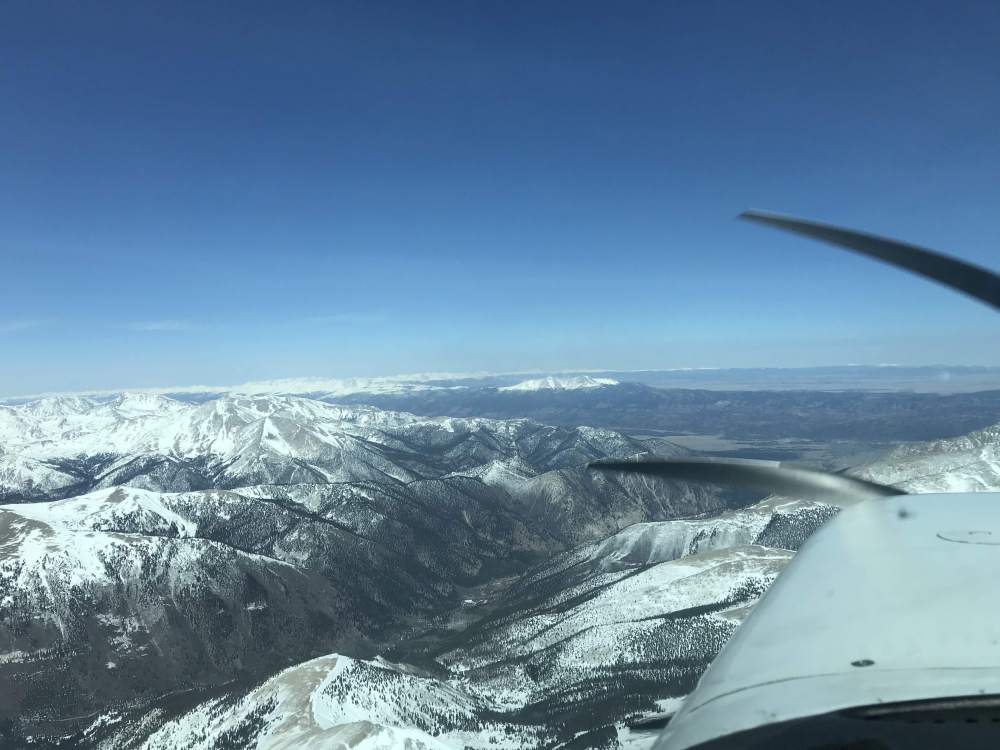
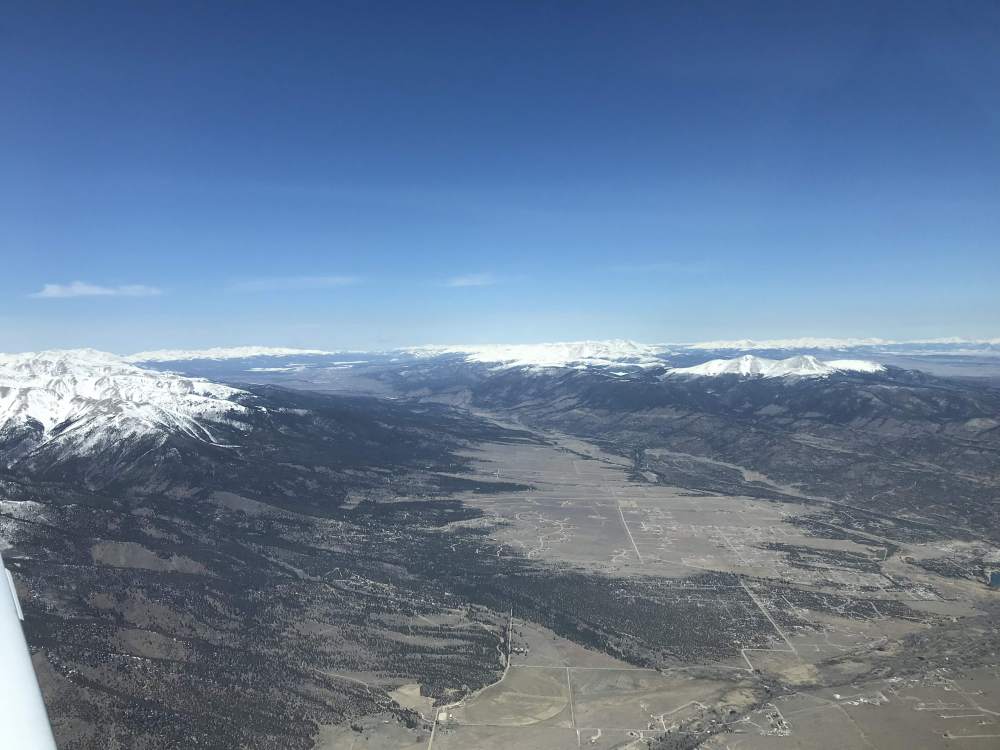
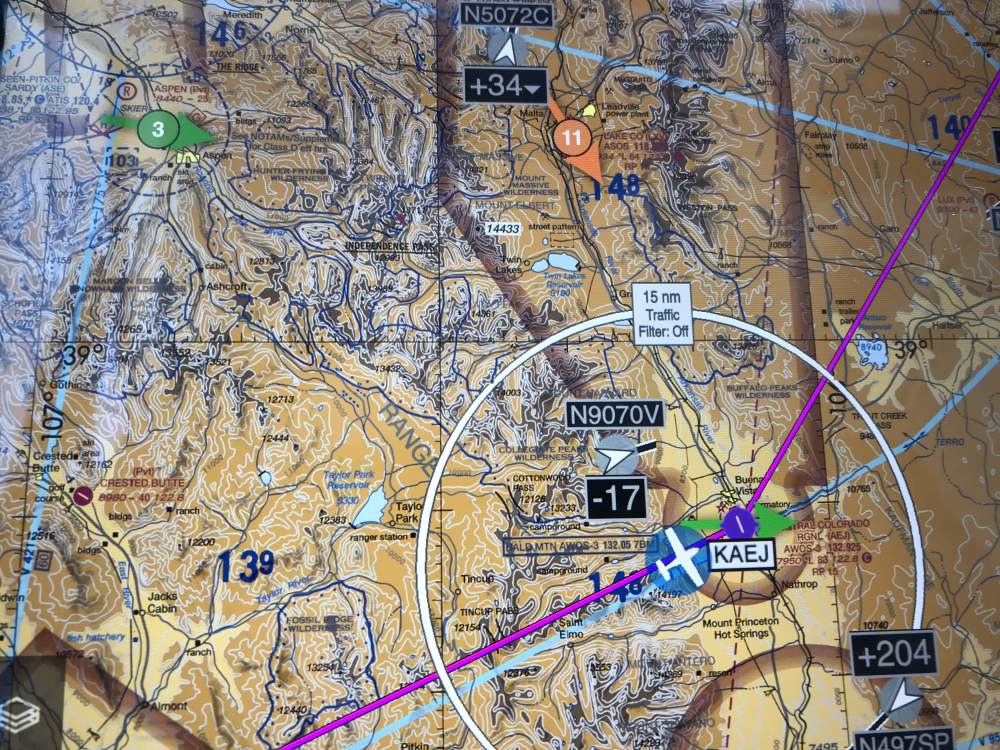
- 633 replies
-
- 11
-

-
Should not be related as the light bulbs are not part of the sonalert circuit. And, the lights are wired directly to the battery and not through a breaker panel so they are available then the master is off. Here is a bigger picture of the wiring diagram showing the lights in the ceiling panel as well. The ground from the gear horn is used for the ground from the lights and the power is supplied from the battery through the same feed as the clock. The autopilot sonalerts have no connection and should not be affected but this circuit. Especially if only the bulbs were removed from the lights and the wiring was left in place. Access to the bulbs is from the light covers and not related to the sonalerts.
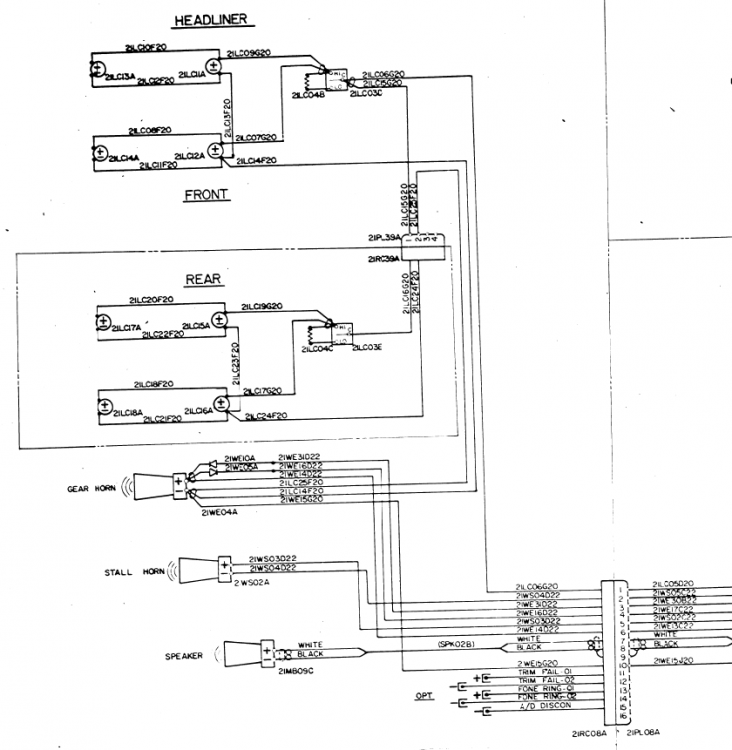
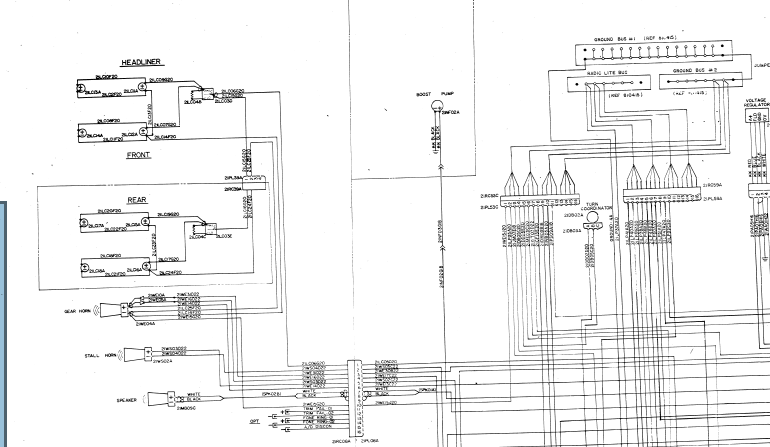
-
Wow. That's an awesome paint job. Enjoy