
HXG
-
Posts
171 -
Joined
-
Last visited
-
Days Won
1
Content Type
Profiles
Forums
Blogs
Gallery
Downloads
Events
Store
Everything posted by HXG
-
It depends on the situation. Best/ Max forward speed KIAS in Bravo VFR: I won’t verbalize a commitment to more than 150 to FAF, at FAF (by 5NM final) speed brakes to 140 then Gear Down, slow (+- speed brakes) to 110 by 2NM final then flaps & slow to land normally. IMC to near minimums: 140 slowing to 120 at GS intercept, Gear Down then 110 kias & 1st notch flaps, stabilized and configured by FAF at 110 to 2NM final then slow.
-
The Hartzell prop is great, but I don’t believe it’s available for the Bravo. I am switching to the 4 blade MT for my Bravo this spring. I believe there will be an improvement in climb performance and a welcome 10 pound weight reduction.
-
I agree with the KAPA recommendation. Everything you could possibly need is there including an excellent Mooney Service center at Arapahoe Aero. KCOS is good. Not a big fan of KFLY- it’s just okay.
-
I got my ATP several years ago as a challenge to myself to become a better pilot and learn to fly more like a pro. Although I am tempted at times, I doubt I will actually make a career change. Kudos to those who do though.
-
Another recommendation for Sheppard Air! Most efficient for cramming and a good ATP written test score. Got a 99% using them.
-
TIO-540-AF1B Reman, Rebuild, or Factory New?
HXG replied to WorldWiseTrade's topic in Mooney Bravo Owners
Quotes are engine only. I plan on another $10-15k for R &R, hoses, baffling etc. -
TIO-540-AF1B Reman, Rebuild, or Factory New?
HXG replied to WorldWiseTrade's topic in Mooney Bravo Owners
So after almost 5 years are you still pleased with your decision from central cylinder? $36k for an overhaul sounds great with what I’ve seen lately. Potential new bravo owner and trying to do my homework. Thanks! The quote I received from Central Cylinder was $58,000 a few weeks ago. But, I rarely seem to come close to a lot of the better deals that others sometimes report on forums when it comes to aviation costs. Western skyways was $56,000- others were $58-66,000 for a major overhaul. I’m going with a Factory Remanufactured ( $66,000 ) for my Bravo in a few months. -
Mooney down in Jefferson county, West Virginia
HXG replied to Nick Pilotte's topic in Mooney Safety & Accident Discussion
Interesting video that may help keep pilots safer. Stall prevention is key. But, when an imminent stall happens low to the ground, or worse yet on takeoff with engine loss, we have to be preprogrammed to immediately lower the nose as discussed in the video- although I don’t believe we need to really go into negative Gs. Many pilots who have successfully dealt with engine loss shortly after takeoff will tell you that the immediate pitch down site picture staring at the ground can be alarming, but necessary when close to stall speed. This is why I like a little speed buffer at and immediately after rotation. In piston twins, it’s at least Vmc + 5 knots for rotation because speed decays quickly with engine loss on takeoff. Briefing every takeoff with the expectation of an engine failure is a great idea. Even better is to have a preset plan for what you’re going to do with an engine failure at various altitudes and positions on takeoff and climb out. Glider pilots are immediately taught to call out 200 or 300 feet AGL as a decision point for turning back or landing straight ahead in the event of a rope break or towplane engine failure. I Know the engine out landing options at the ends of each runway at familiar local airports, but I could definitely do a better job at studying my options at unfamiliar airports some of which require choosing the best of lousy choices for an off field landing. Flying in the Rockies, I try to frequently play the what if I lost an engine here? where would I go? game. Being ready for the unexpected may make all the difference some day. -
I’m biased, but I would go turbo/ Bravo based on flying the western mountains. If mostly flying below FLs and East of the Rockies, than an Ovation would be a great choice. I think most turbo pilots who fly over the Rockies and Sierras are pretty happy they have a turbo.
-
Slam dunked into the ILS funnel
HXG replied to Browncbr1's topic in Mooney Safety & Accident Discussion
The situation sounds like it got you a little behind the airplane. I get slowed down early when preparing for a possible slam dunk or tight vector approach in IMC if ATC is not giving me what I want. As you stated, it’s okay to ask ATC for what you want or say “unable”. For me in the Mooney, it’s Gear down, flaps down at 1/2-1 dot below GS, but I would also already have initial flaps in earlier in the Baron (higher Vfe). You want to be configured and stabilized by the FAF. At 700 feet above GS over the FAF and 500 overcast, I probably would have gone missed. -
TIO-540-AF1B current data on Reman, Rebuild, or Factory New?
HXG replied to TEX's topic in Mooney Bravo Owners

-
Curious to hear what others recommend. I’m also considering the factory remanufactured zero time engine or reputable shop Overhaul for my Bravo during the next year. I’ve not seen such low quotes. The range I’ve seen from major shops is $58,000 at Western Skyways to $66-71,000 at Victor Aviation, which has rave reviews particularly on the Beechtalk forum. Factory remanufactured is $66,000. New is obviously out at an obscene $106,000.
-
Congrats! You will always be learning. Make sure you use that IFR rating. File and fly IFR often even if it’s a beautiful VFR day. Stay current and proficient. Work your way toward lower minimums and don’t hesitate to fly with a CFII to gain more actual IMC experience.
-
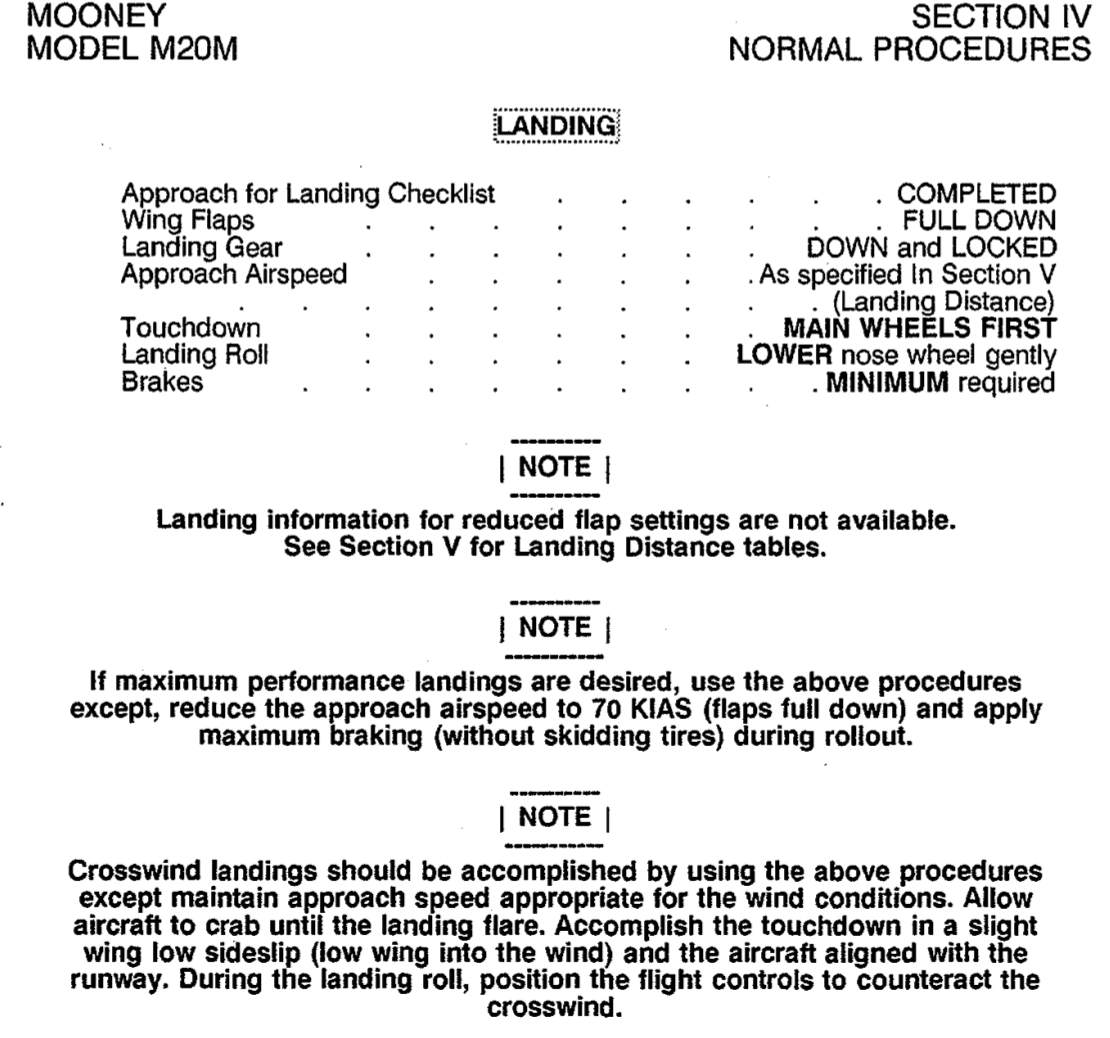
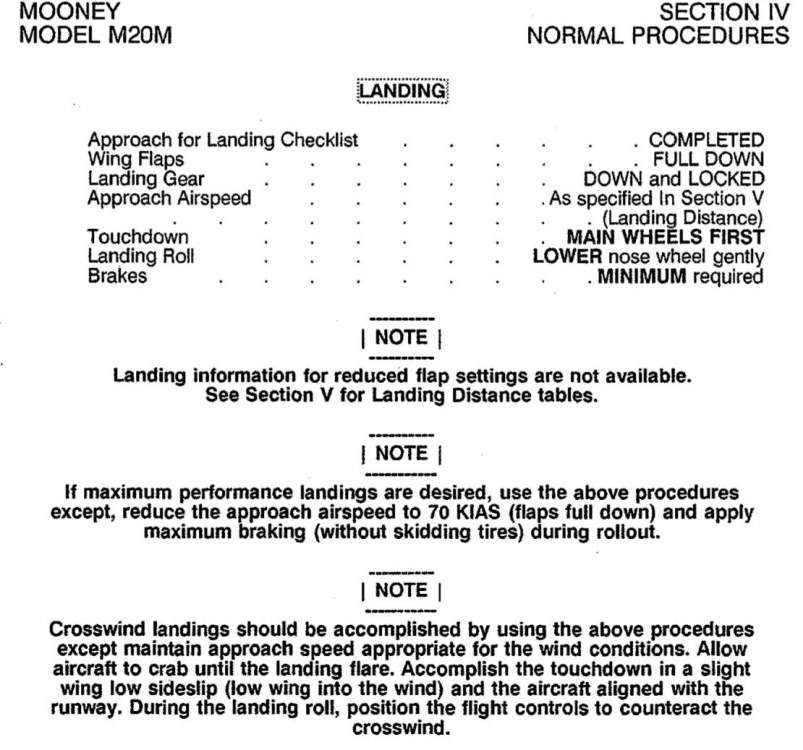
As many experienced pilots have already stated, they advise against slipping in the long body Mooneys. I don’t disagree and I am certainly not recommending slips, but I have done forward slips and side slips in Bravos and Acclaims with adequate airspeed, altitude, and safety margins with no problems. I don’t use them for landing other than an occasional slight slip with a last second crab kick out to align with the runway in a stiff crosswind (see POH reference below). I’ve got about a thousand hours tailwheel experience and former glider experience so I’m very comfortable with slips, but still maintain caution since the Mooney and other airplanes have differing flying characteristics. I would use a slip if needed for an emergency descent and landing, but not to save a poor approach. There is a very real danger in getting slow (below 80-85 knots as was previously stated) in a slip on final.
-
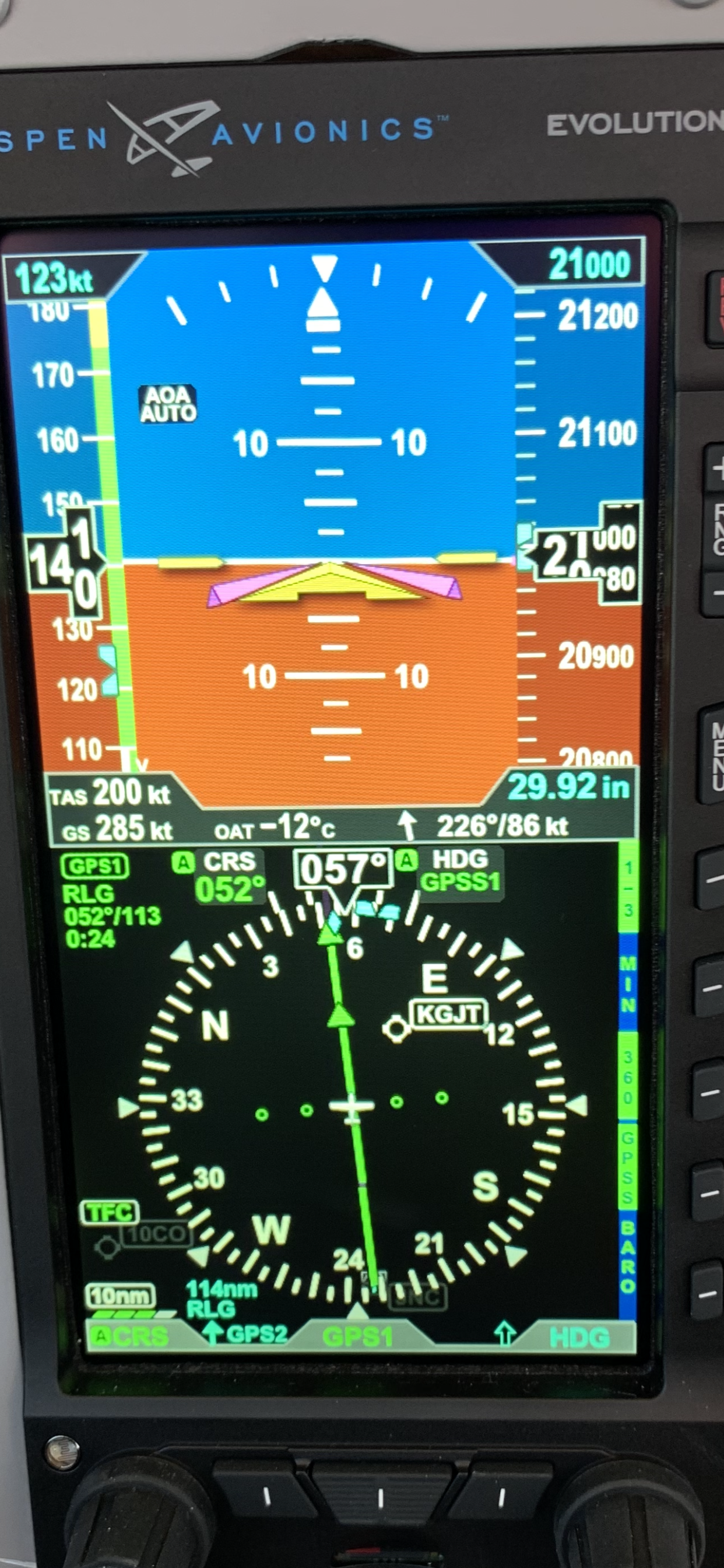
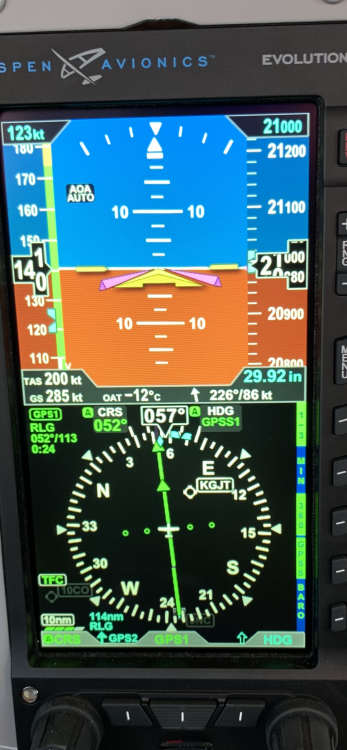
Agree with going south before heading southwest. I’m also a fan of early morning flying in general. There have been a couple of days of nasty mountain associated turbulence the past 2 weeks along the Colorado front range. Seasonal thunderstorms seem to be done. There have also been a few days with strong westerly winds that we usually don’t see until closer to winter with the jet stream shifting south. Coming back from Moab, UT a week ago I had an 80-90 knot tailwind (shown below). Smooth in the FLs, but a no go day for mountain flying lower. As always, keep a close eye on the weather as your trip approaches.
-
Yes, it always feels that way, LOL.
-
Agree that this often works. But, I’m quick to go at least half throttle or more with mixture idle cut off to begin with. This is my go to 100% success for hot and warm Lycoming engine starts whether or not you hit the boost pump for a couple of seconds. I like the KISS (keep it simple stupid) warm/hot Lycoming start. Throttle in significantly, mixture ICO, crank starter, mixture in, throttle back as engine starts and adjust mixture and throttle smoothly. This is the only method that has consistently worked for me on every warm/hot Lycoming start.
-
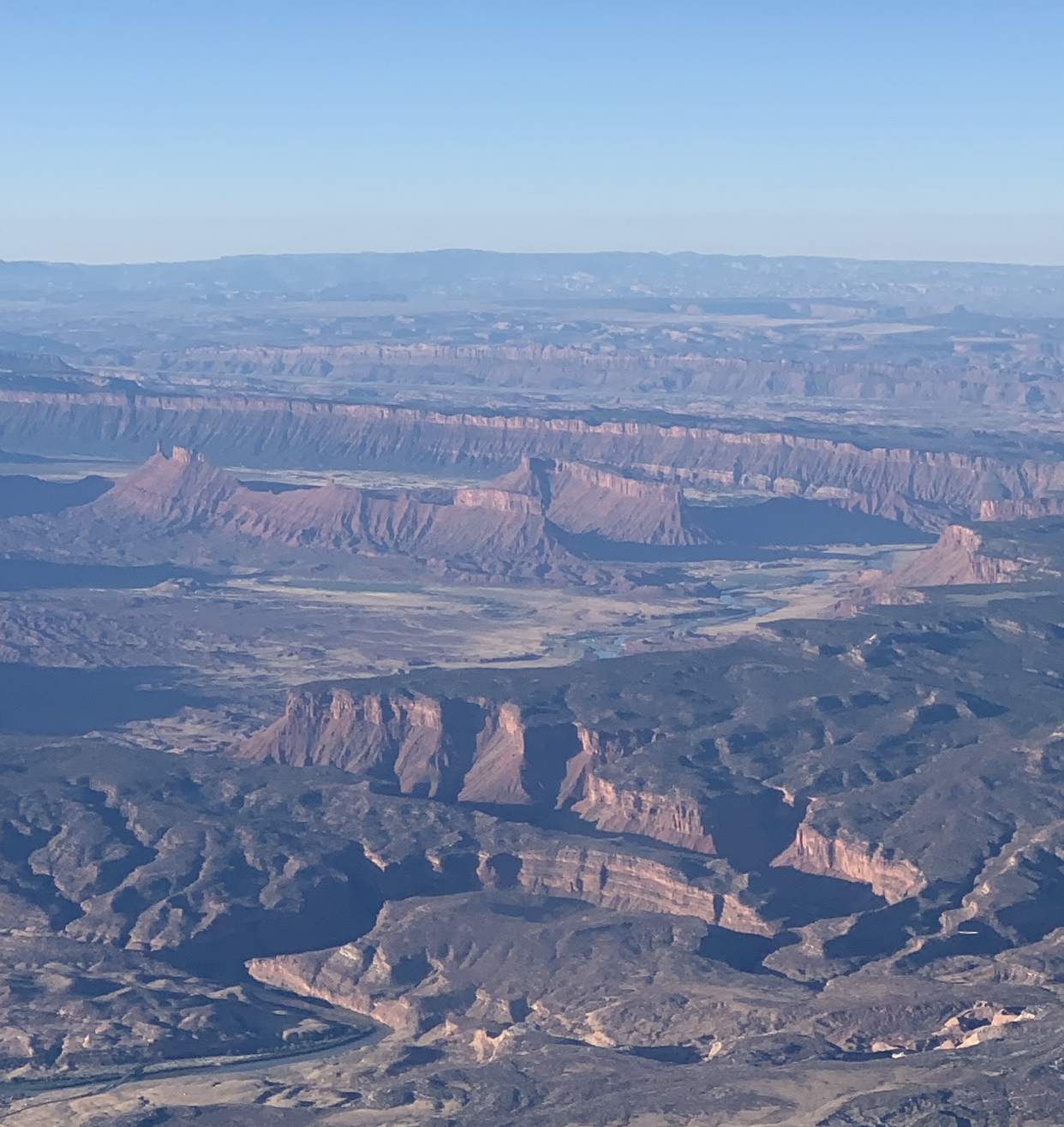
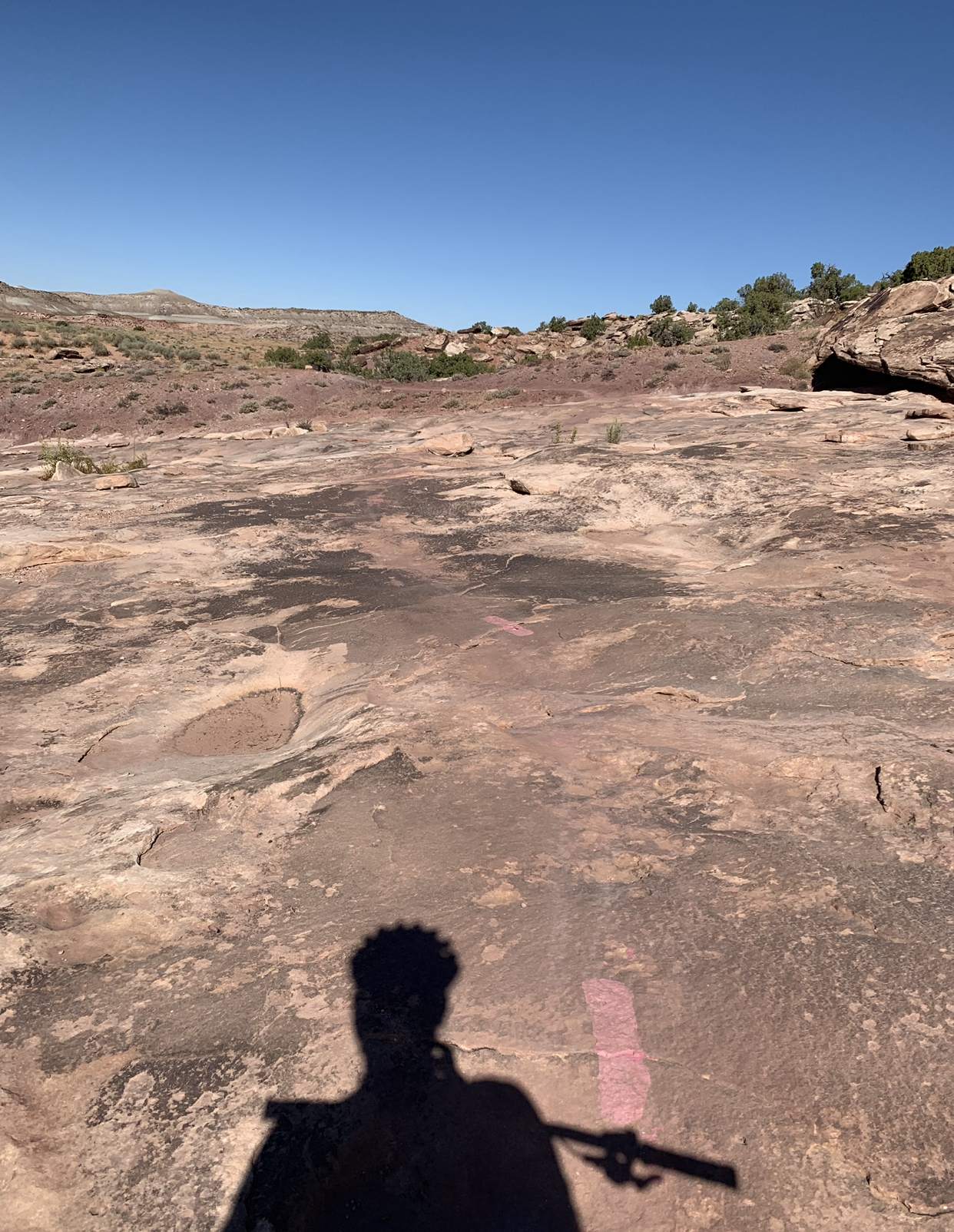
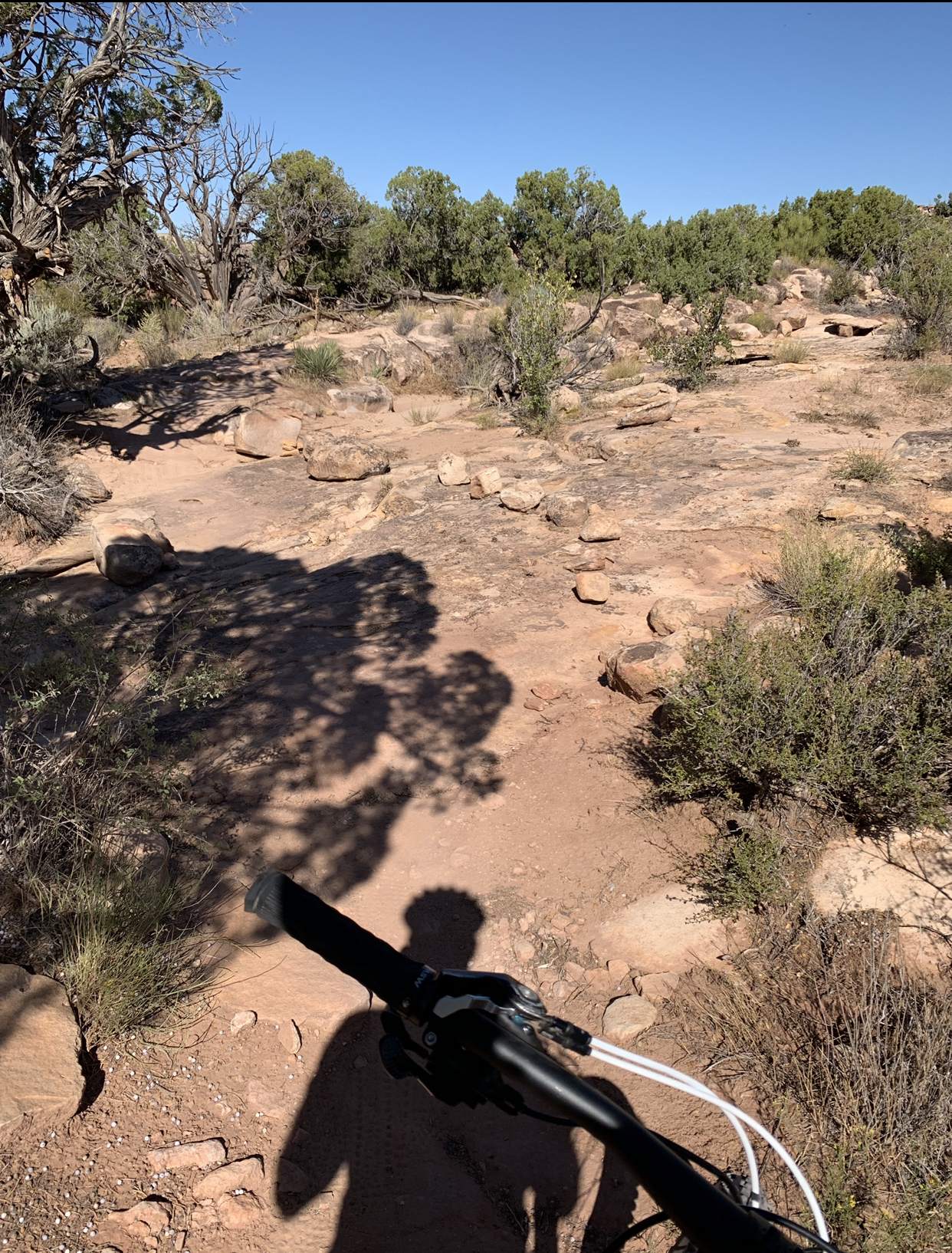
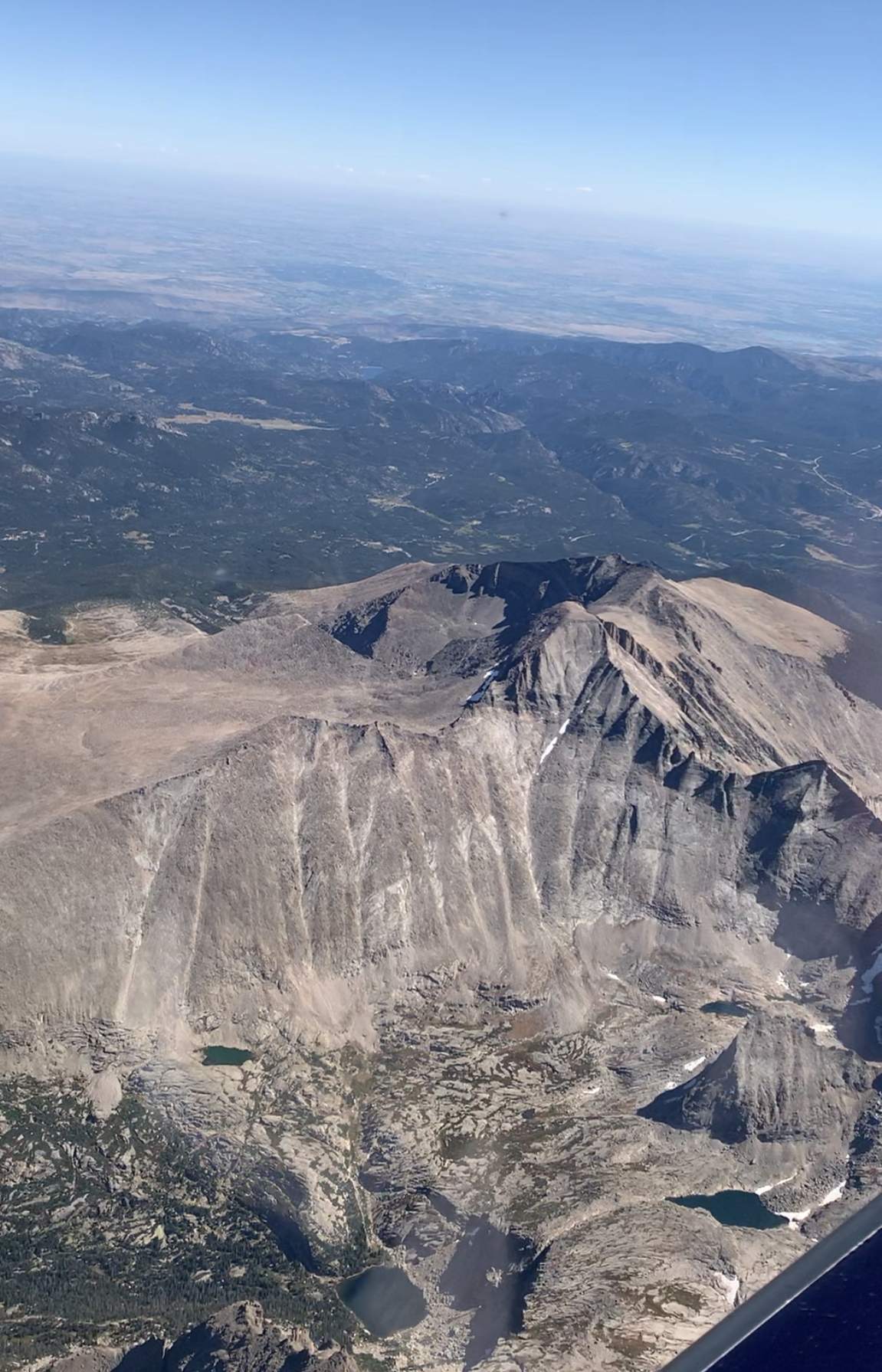
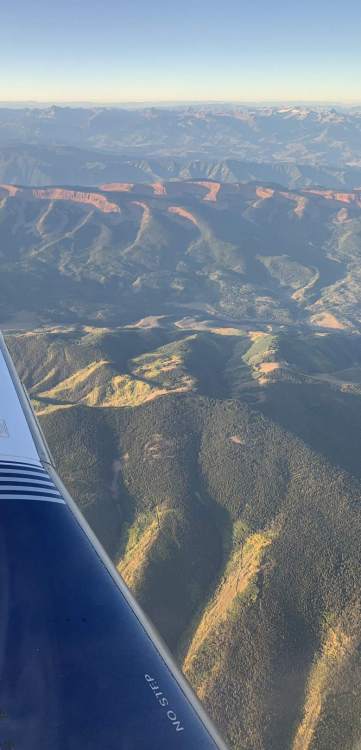
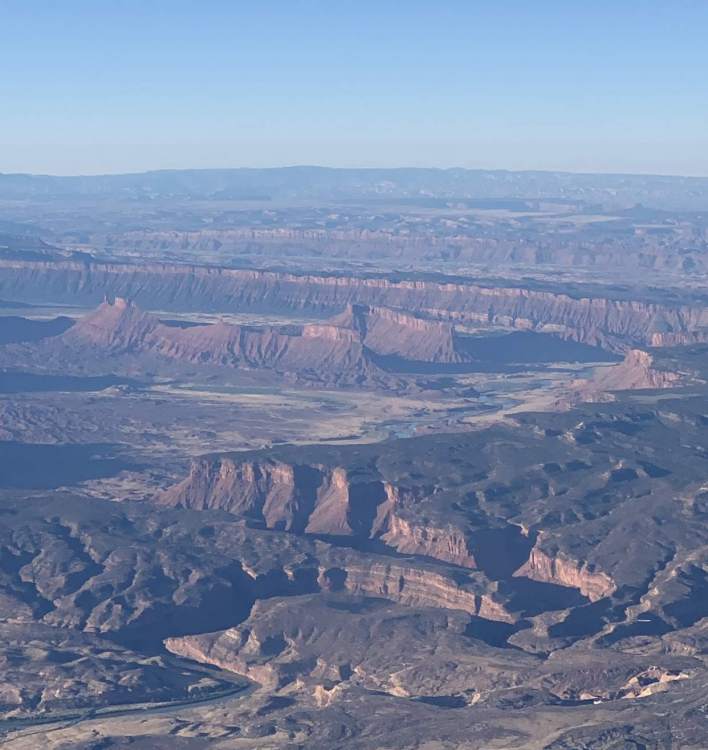
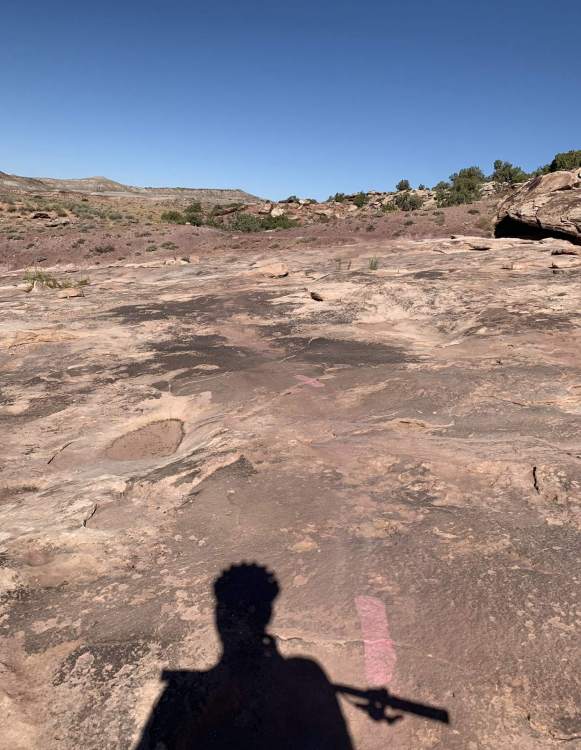
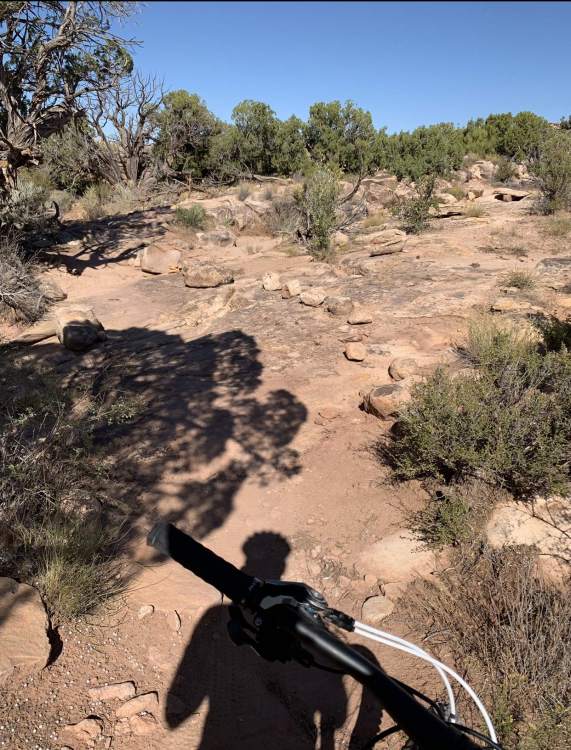
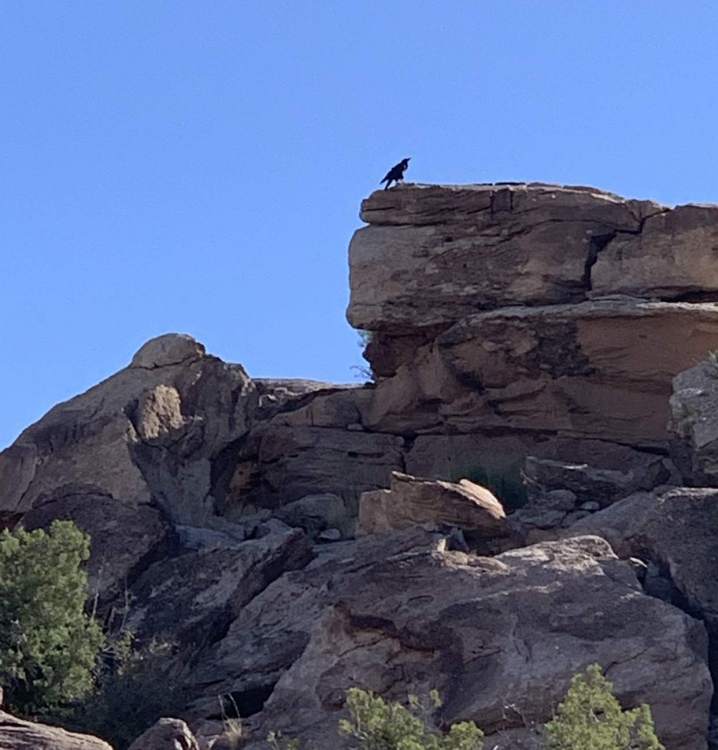
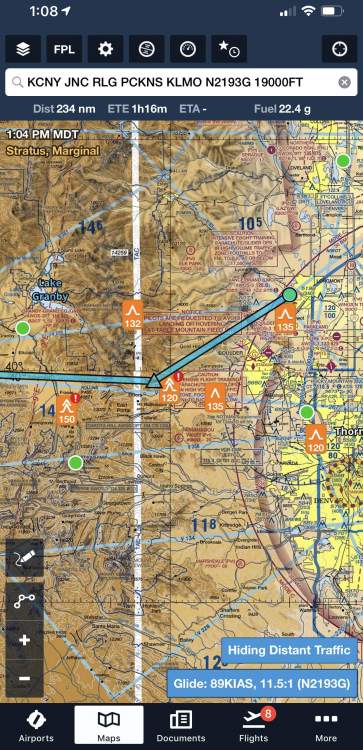
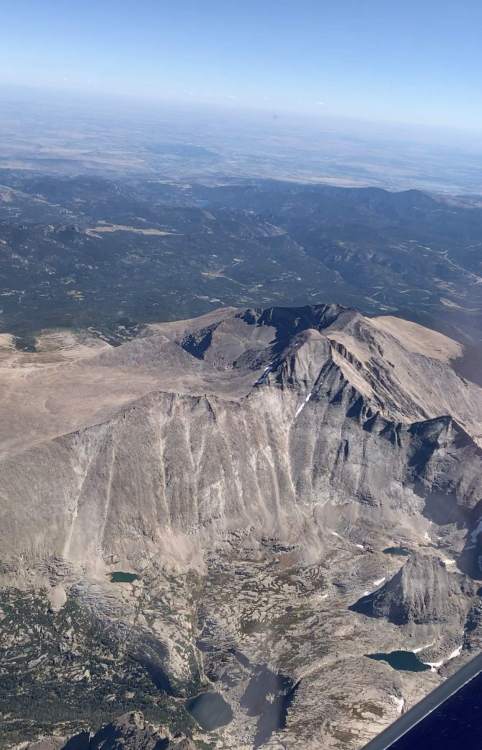
Quick flight KLMO- KCNY for a little mountain biking in Moab this morning. Photos: Rockies (leaves starting to change), Moab, Dino Flow trail, fellow aviator, Turbulence PIREPS below 16,000 so I changed from flight following to IFR (already had a filed IFR flight plan just in case) at FL 190- smooth, Longs Peak.


-
A different approach to accidents/incidents
HXG replied to ilovecornfields's topic in Mooney Safety & Accident Discussion
I pay close attention to aviation accidents because there is always something to be learned. Going public and discussing our faults can’t be easy especially in a higher profile airplane accident. I’m sure many of us have experienced that inner voice that hints to us that something’s not quite right. It’s important that we listen and error on the side of caution no matter how much we want to fly on. He commented that the downwind aspect of the plane was compressed due to the heavy crosswind. You can see the upwind wing raised high on taxi and the initial takeoff roll. I’m sure his full aileron controls into the wind couldn’t overcome that wing lift. I’m reminded of my own foolishness landing my newly purchased super decathlon in a 38 knot 70 degree crosswind gusting to 45 knots. Fortunately, the landing was one of my best and exhilarating. But, the taxi to the avionics shop was stressful and difficult with the stall horn often blaring. I had to make a call to get a couple of guys in the avionics shop to come hold down the plane so I could exit. They seemed impressed with my landing, but should have been thinking “what an idiot”. -
I can’t disagree with your reasons for not providing instruction to private pilot candidates, but this speaks to the demise of general aviation in this country. There’s a lot of older experienced pilots who would make good cfis for the next generation and unfortunately, they’re sitting on the sidelines due to perceived (or real) liability issues. If we can’t solve this through insurance or by limiting liability, we will continue to see a decline in pilots while also losing lots of good experience from older cfis. Unfortunately, liability is a real concern for CFI’s. Although I use to instruct pilots of all levels in many different single and multiengine airplanes, tailwheel airplanes, and gliders, I rarely instruct these days due to liability concerns and limited time. I already work in a high liability profession, so while I really enjoyed part time instructing, it just doesn’t make a lot of sense for me to place me or my family at financial risk. CFIs don’t share the same protections as DPEs. While I was fortunate to have universally good experiences with my clients, it’s foolish to think bad things can’t happen to you no matter how good a pilot or instructor you are or think you are.
-
That has not been the case in the past. If you find that to be true though Garmin or Foreflight, let us know.
-
Early with little known, but seems like a strange takeoff accident. Short field or not I never “pull” a piston plane off the ground at a rotation speed. I let it fly off with gentle back pressure. Was trim not reset for takeoff? Was gear retracted too early? Gusty low level wind shear? Or just poor technique trying to make a perfectly good airplane fly before it was ready? I’m curious. Glad no one was hurt. Sucks for those involved.
-
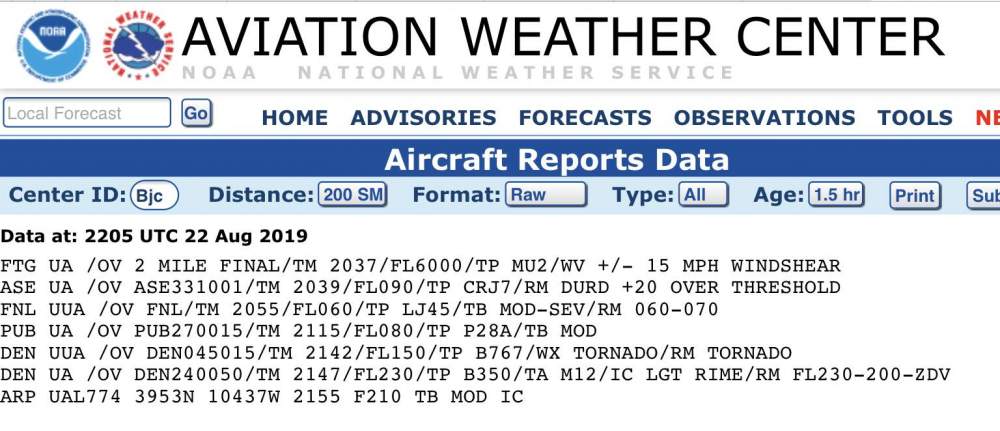
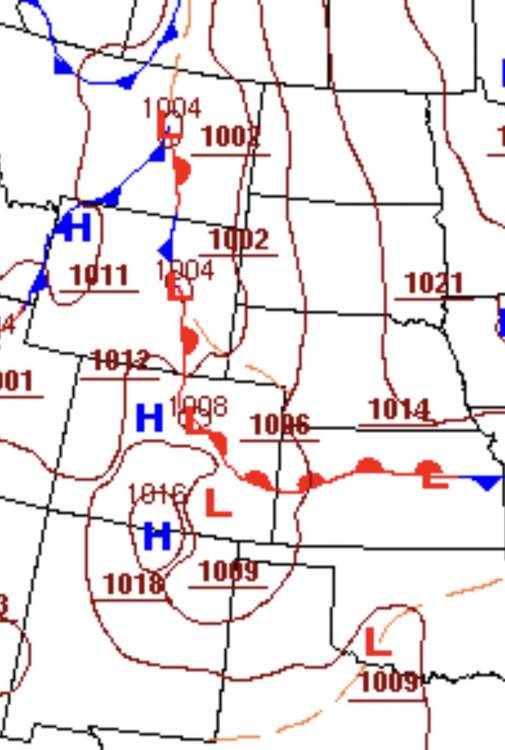
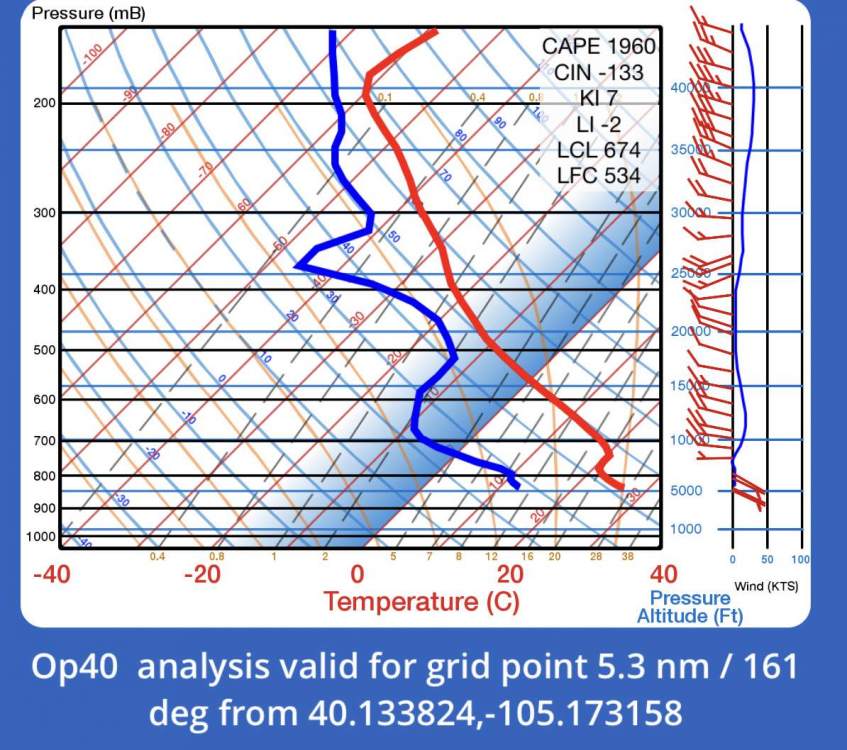
Yeah, thunderstorm activity seems pretty active throughout a lot of the country this summer. Lots of worse weather to be found. We get some 70 mph winds and severe turbulence related to the Rockies without thunderstorms in the front range at times throughout the year. We also have gotten afternoon thunderstorms nearly everyday this summer, but you can clearly see those coming. My post was kind of meant as a heads up that what looks like a great day to do a local flight based on ground observations (nearly clear blue sky with calm winds), calm METARS & TAFS 4 hours before any thunderstorms are forecast may actually be a bumpy day with wind shear. The only way you would know is by looking more thoroughly into the weather and checking (and hopefully making) PIREPS. At the very least, you can find an excuse for a crappy landing or unpleasant passenger experience that way.
-
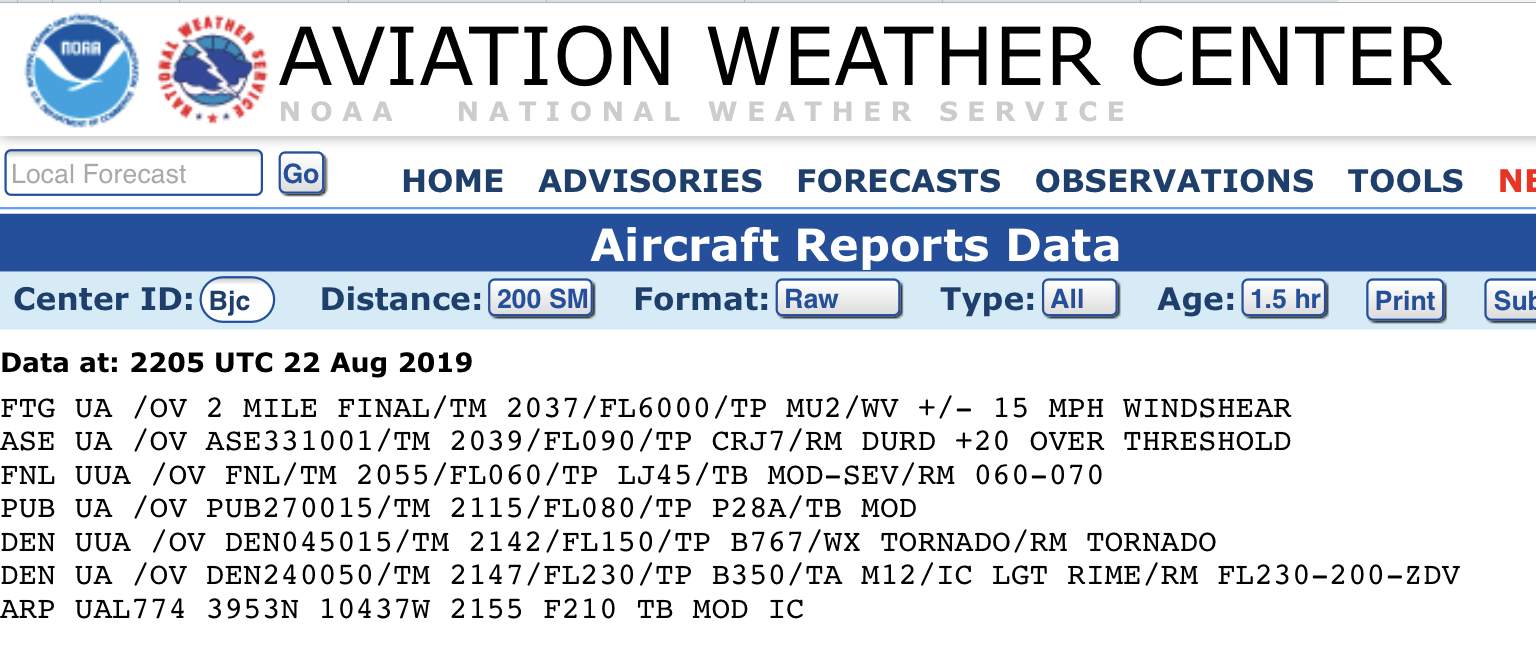
A little Squirrelly earlier flying today in the Denver front range area. Nothing too bad or unusual a few hours ago, but you could tell it was going to get a little worse well before any thunderstorm activity. Looked beautiful from the ground. The skew T log P showed an inversion layer 5,000- 7,000 ft with a near 180 degree wind shift above the inversion. Also, a lingering warm front in the area with mostly clear blue sky. For fun, I checked the PIREPS 2 hours after I landed. I’ve seen worse PIREPS, but it’s always interesting to see a Tornado in a PIREP.
-
The non-WAAS G1000 Bravos are still outstanding, very capable airplanes, but personally WAAS accuracy and advantages are important to me when I’m spending that kind of money on an airplane. As far as “don’t need WAAS”, I don’t need an airplane either, but I like having the most capable airplane for my missions and budget. Resale should also be considered when purchasing any airplane.