Bob E
-
Posts
213 -
Joined
-
Last visited
-
Days Won
1
Content Type
Profiles
Forums
Blogs
Gallery
Downloads
Events
Store
Everything posted by Bob E
-

General Thoughts and Guidance on Aircraft Partnerships
Bob E replied to ValkyrieRider's topic in General Mooney Talk
I like Vance Harral's thoughtful answers. As an attorney I've done quite a few aircraft partering agreements, and all of them were single-aircraft LLCs. Unless you want to form a genuine flying club where every owner basically rents an aircraft when they fly it, I don't recommend multi-aircraft LLCs. The individual pride of ownership and the resultant attention to detail when it comes to care and maintenance always seem to disappear when your aircraft becomes a fungible part of a rental fleet. Worse, when a person contributes their personal aircraft to a co-owned fleet, they still get angry if they feel that someone else mistreated "their" plane. It leads to arguments, bad blood, and frequent exits from the arrangement. On the other hand, if you have just two or three co-owners of one aircraft, that's a small enough group that each person will give it loving care. Such an arrangement is well-suited to people like you who want to continue to be able to fly their aircraft but who are willing to lower their fixed costs by sharing it. Several items are, in my opinion, crucial to the success of a 2 or 3 person co-ownership LLC: First, and most important, if your potential partners aren't already long-term friends, some due diligence is in order! Meet with them and their families. Watch whether they use checklists or cut corners. Listen to how they talk to ATC and how courteous they are to other pilots in the pattern. Make sure you are comfortable giving them a set of keys. Second, make sure the LLC operating agreement is purpose-drafted for an aircraft co-ownership LLC, and that its provisions - as well as a set of rules and regulations for aircraft use - cover allocation of all types of expenses, scheduling, and "what-if" scenarios. (See Vance Harral's comments above!) Good operating agreements are the best way of ensuring that co-owner friendships will endure. -
My brother and I scattered my dad's ashes from my Mooney at his request. They were in a metal container not unlike a large loose tea box. We slow-flighted over the designated wilderness area, opened the cabin door (which is possible to open about 6" in slow flight), and he held the container out past the door with both hands, and opened it. The contents disappeared in a second or two. We dropped the metal container out as well. (Yes, I know.) It was easy but sad and poignant.
-
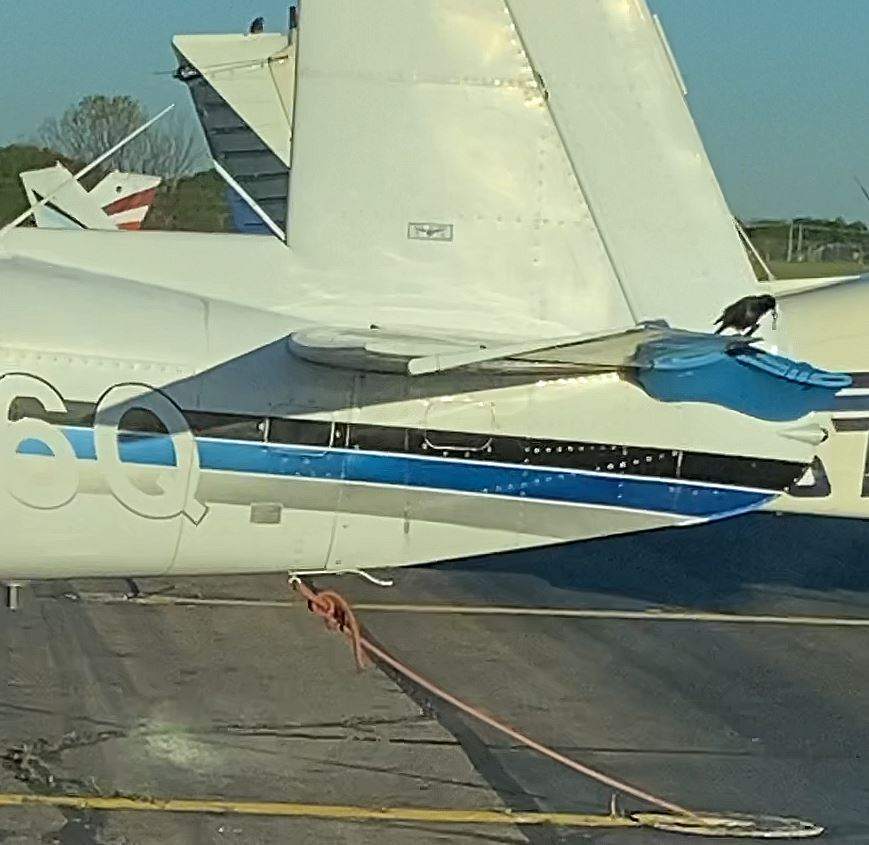
You can get them at Walmart for 15 bucks and cut them to size. https://www.walmart.com/ip/Ozark-Trail-Closed-Cell-Foam-Blue-Camp-Sleeping-Pad/634956813?from=%2Fsearch Any closed-cell foam product will do. Here's another photo:
-
For the other parts of the empennage where birds love to enter, the best bird plugs I've found can be made out of those plastic foam camping rolls -- they're like foam rubber but don't absorb water. Cut them to shape and stuff them in. They can be re-used forever and don' t mess up the paint. Don't forget the gaps under the wing roots.
-
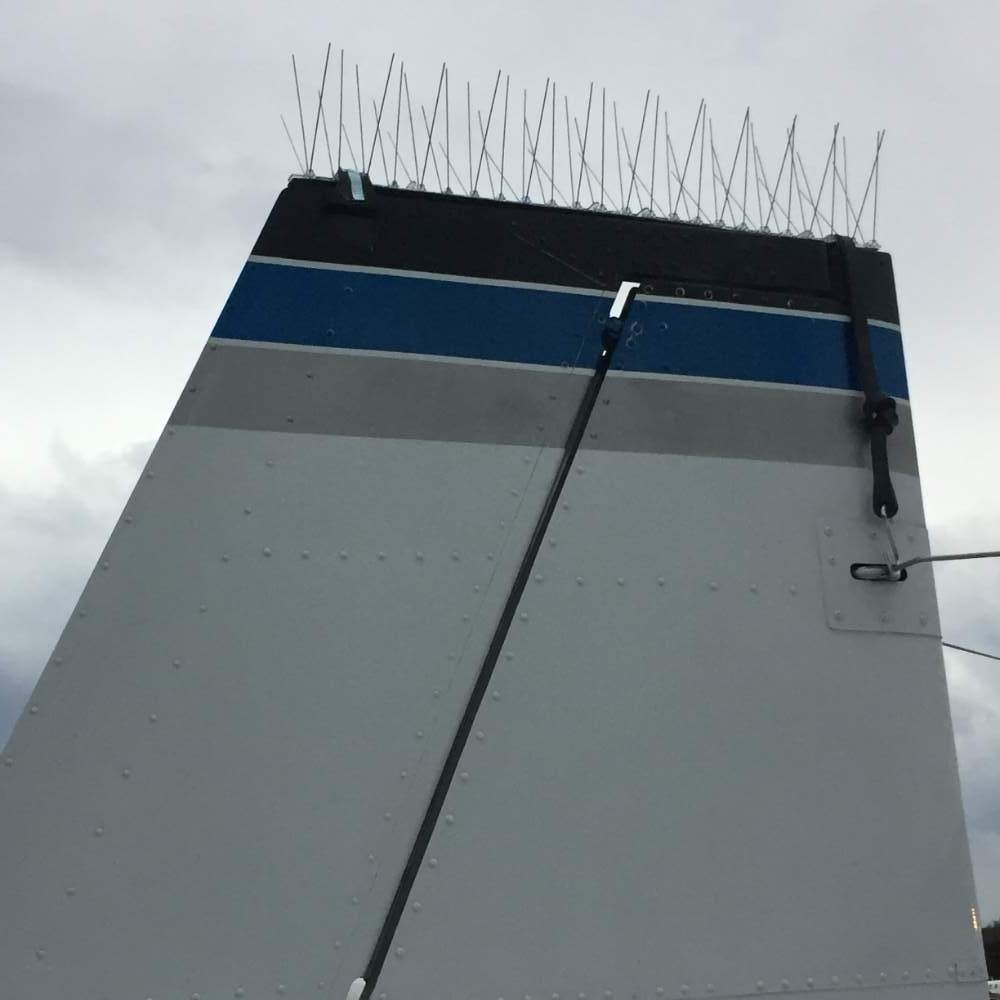
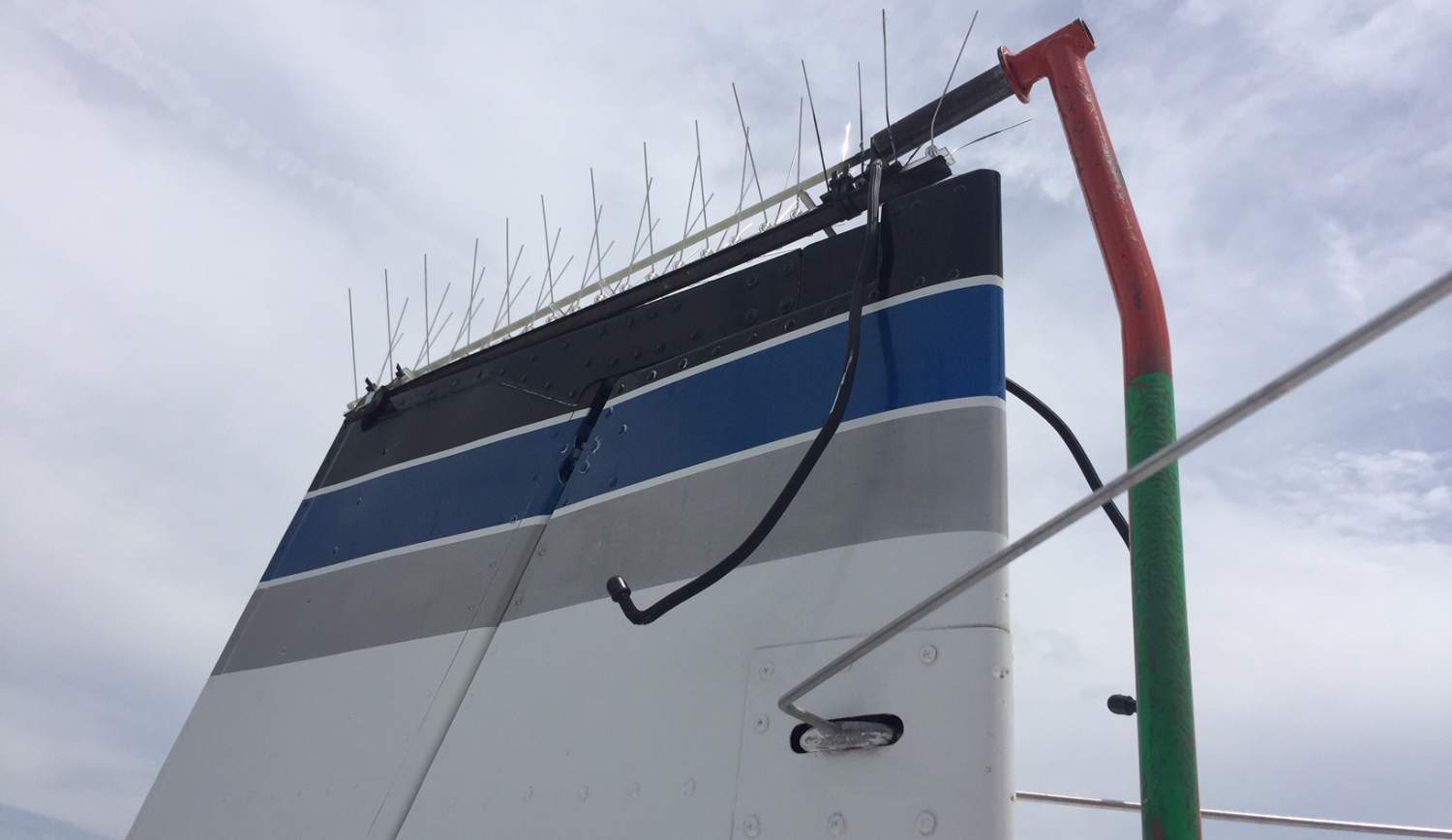
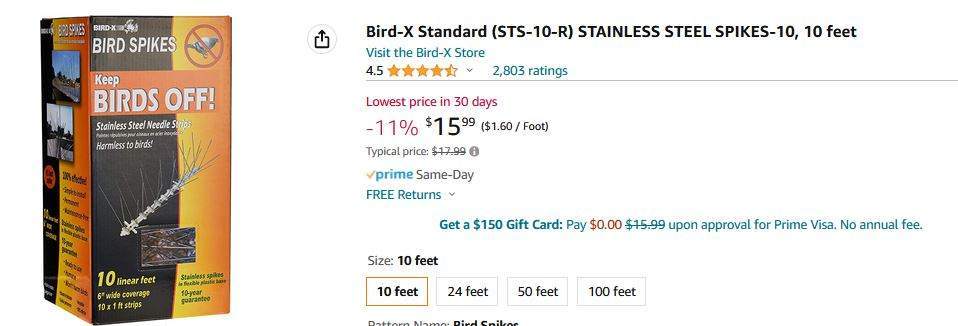
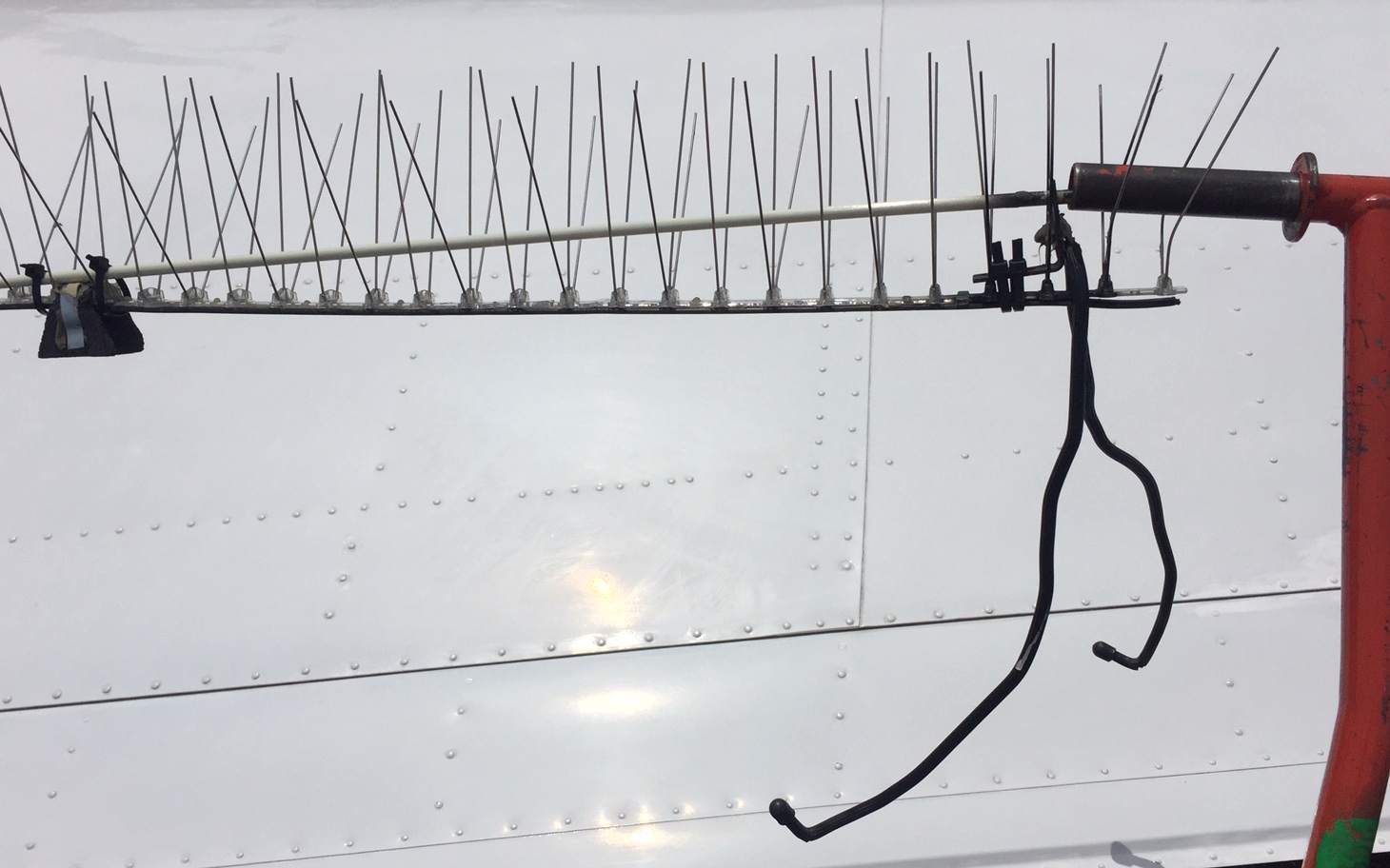
What worked for me during all those years before I could afford a hangar: Bird spike kit from Amazon. Glue a strip of felt to the bottom. Add a plastic rod (to enable placement and removal by using the tow bar) by using an angle bracket on one end and a simple clip on the other (for positioning). Add a large flexible metal, rubber-covered tie cord or a bungee cord. (Note: the first photo is before I added the plastic rod. I used a ladder to position the spikes until I got the bright idea of using the towbar+plastic rod.) Requires that you have the old-style glideslope antenna. Otherwise you'll need a different front anchor. The rear clip just sits on top of the rudder and doesn't clamp onto anything; it merely prevents the spike strip from blowing sideways. Actually, I no longer need mine. If you (or anyone) would like it, DM me.
-
Since artificial intelligence seems to be taking over the world, I though I'd see what AI has to say about the C, so I asked ChatGPT: "What are the advantages of the M20C?" I didn't mention the word aircraft or anything else. Here's the response I got, in about 3 seconds: -------------------- The Mooney M20C is a single-engine, four-seat aircraft that has been popular among pilots for many years. Here are some advantages of the M20C: 1. Speed: The M20C is known for being a fast aircraft, with a cruise speed of around 150 knots. 2. Fuel Efficiency: The M20C has a reputation for being fuel-efficient, which can save you money in the long run. 3. Range: With a range of around 800 nautical miles, the M20C is great for longer trips. 4. Easy to Fly: The M20C is known for being easy to fly and handle, which makes it a great choice for both experienced and novice pilots. 5. Sleek Design: The M20C has a sleek and stylish design, which many pilots find appealing. 6. Good Visibility: The M20C has large windows which provide excellent visibility for pilots, which is important for safety while flying. Overall, the Mooney M20C is a great aircraft for pilots who are looking for speed, fuel efficiency, range, ease of handling, and good visibility. ------------------- Then I asked: "What are the disadvantages of the M20C?" The response: 1. Limited Passenger/Cargo Space: The Mooney M20C has a small cabin, which may not be suitable for tall or larger passengers. The baggage compartment is also limited in size, making it difficult to carry large items. 2. High Landing Speed: The Mooney M20C has a high landing speed, which can make it difficult to land on short runways or in gusty conditions. 3. Maintenance Costs: Some owners have reported high maintenance costs for the Mooney M20C due to the complexity of its systems and the specialized knowledge required for repairs. 4. Fuel Burn: The Mooney M20C burns a lot of fuel, especially at high speeds, which can be expensive and limit its range. 5. Noise: The Mooney M20C is a relatively noisy aircraft, which can make communication difficult and cause discomfort for passengers on long flights. ------------------ The responses on the topic of fuel are interesting; clearly machine-generated. I tried asking about my tail number but it didn't have any info. Phew.
-
Unknown electrical switch in M20C 1967.
Bob E replied to pilot-as14's topic in Vintage Mooneys (pre-J models)
First ever reference to a Giftzwerg in Mooneyspace! -
BEACON: Attached is my logbook entry for a Whelen LED beacon that replaced my coffee grinder back in 2016. It's not a strobe; the light gets bright and dim to emulate rotation. It's extremely bright and the rotation emulation is distinctive enough that my family can always tell which plane is mine when looking up at night. I've had zero problems with it. No radio interference. POSITION LIGHTS: You mention that you've looked through prior posts, so I assume you saw this long thread from 2019: https://mooneyspace.com/topic/26045-nav-light-replacement-bulb/. I long ago replaced my position lights with LEDs, and they are gorgeous -- intense color and bright. No interference (and I have a magnetometer). In my view, replacing an incandescent position light with an LED is just a bulb replacement and has nothing to do with a TSO. My comment in the 2019 thread explains why; it's on page 5 about halfway down.

-
FWIW, wiring one or more LEDs in parallel to one or more existing incandescents will work -- the existing rheostat will dim all the lights just as though they were all incandescent. I did this several years ago and I have really nice cabin lighting, directed exactly where I want. I posted on the recent thread "Pirep on Uma Light bezels?"
-
Do you mean the area at the tip that looks like an end cap? I had forgotten about this- at full brightness the LEDs were a bit too bright for my taste, so I cut some tiny strips of gray-shaded plastic and attached them to the end with another wire tie. I'm attaching another photo of what the panel looks like when lit with the LEDs augmenting the OEM incandescents. This is at a fairly bright setting but the point is you can get any level of light you want to preserve your night vision, directed at any areas of the cabin.

-
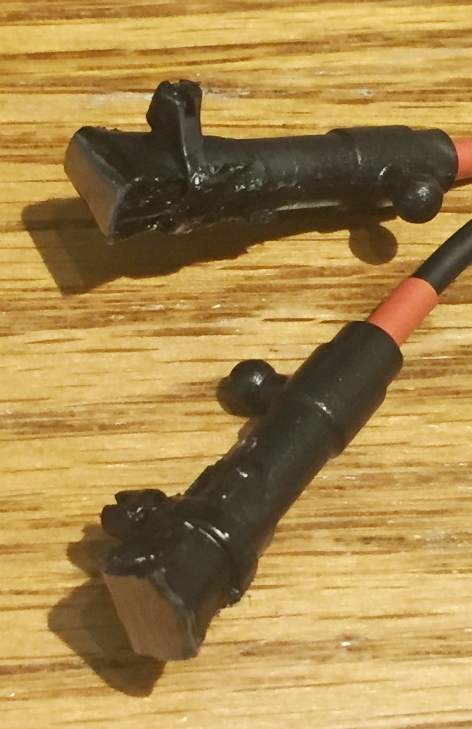
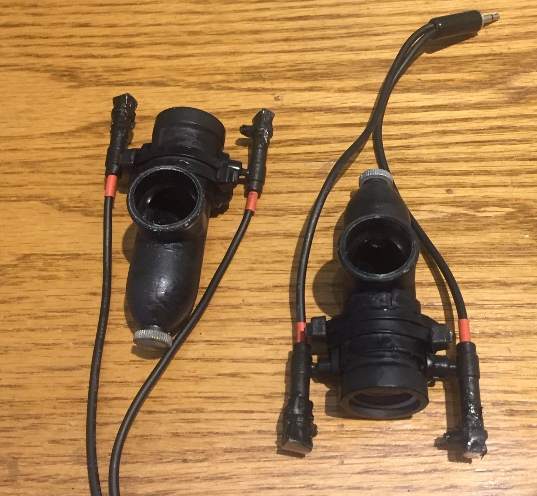
https://www.frightprops.com/lighting/led-lighting-darklight/nano-spot-mini-spotlights.html These little red 12v LED spots are the perfect addition to the existing overhead lights. Keep the existing overhead lights - the rheostat needs the resistance of the incandescents to dim properly - and simply tap into the wire going into one of them. The LEDs dim along with the incandescents. They are adjustable so you can point them anywhere such as the flap and trim indicator, or places on the panel that the main overheads don't cover well. I've had two of these little spots for about five years now and they put controlled light EVERYWHERE I need it. I started out with four (photo) but that was overkill. Two are plenty. I added them to the existing bezels with wire ties (on top of a bit of insulation since the bezels get hot from the incandescents). This is a minor alteration at most. See https://www.aopa.org/news-and-media/all-news/2018/september/24/aircraft-maintenance-cockpit-lighting-repair-and-improvement and AC 43-210A, figures 3-1 and 3-2. They make night flying much safer.
-
All these years I've owned my '65 M20C and I still don't know all its secrets. Only recently did I realize that the very small mesh-covered round opening just above the air filter was for cooling the now non-existent generator. Now I have a question about another round opening. What's this one for?

-
It was a Narco Mark 12 nav/com with vacuum tubes! Yep, 90 com channels. It worked in 1986 but I removed it shortly thereafter.
-
That is an amazing specimen of an aircraft that (with the exception of the center radio stack) hasn't been modified in any way since it left the factory! You have to assume that the engine has to be overhauled, avionics and instrumentation replaced, interior redone, donuts replaced, fuel tanks sealed. There are probably a bunch of ADs such as the Dukes fuel pump and engine mounts that need to be complied with. Prop might be ok, who knows. Price it accordingly. On the good side, the airframe and interior plastic appear to be in good shape. If that's true, then the aircraft has all the makings of being a straightforward, predictable upgrade project rather than a nightmare where you're dealing with corrosion. Definitely would be worth doing. The sheet metal and what little I can see from the underside looks pristine. The yellow color was apparently repainted or touched up at some point (note the overspray in the engine photo), but the rest of the paint looks original to me. Attaching for reference are photos of my '65 C in 1986, just after I purchased it. It had the original paint and a mostly-original panel.


-
From the article What to Do When Your iPad is Getting Hot: "Don't use iPad while charging. Charging your iPad can raise the temperature a good amount, especially if it's in use while charging." https://www.lifewire.com/fix-ipad-getting-hot-4582410 On long cross-country trips you can certainly run a few hours without the charger, especially during the time when the sun is most direct. Obviously plug in the charger when you have to - use the air vent and the slap-on sunshade to keep direct sunlight off the screen, and that will probably suffice to keep it cool enough.
-
Have a prebuy done by someone knowledgeable about the M20C and can make sure all ADs are complied with. BKlott has a pretty good list above. Landing gear donuts are important because if they are neglected they won't provide a proper cushion and instead will transmit landing stresses to the fuel tanks, causing leaks. I can add the following: Nosewheel gear: does it have a lot of play left-to-right (shimmy on landing)? If so, you'll need a bushing kit from Lasar to fix it. Fuel tank selector and gascolator. Often overlooked but must work properly and have no leaks. Prop governor: When last overhauled? It's expensive. Instrument and overhead lights and rheostat: Also easy to overlook; do they all work properly?
-
PeteMc is absolutely right. No need for fancy or expensive solutions. I use two iPad minis, pilot and copilot, bluetooth paired to the panel, running ForeFlight, full bright. (On the type of sunny day that will overheat an iPad, less than full bright usually isn't an option.) Here's a checklist to keep an iPad from overheating: Remove the iPad from its case if any. Don't plug in the charger cord. Charge the iPad before flight and let it run on its own battery. (Charging generates a lot of heat) Point the vent at your left knee up toward the iPad. Use a slap-on sunshade to keep direct sunlight off the iPad. Never store an iPad in the aircraft.
-
I'm surprised this isn't on everyone's list. Mooneys have one door handle, held in place by a pin. Sooner or later that pin will break from ordinary wear, the door handle will fall off in your hand, and you'll be trapped in your aircraft, looking at end of the door latch spindle. A small vise-grip suffices as a substitute door handle. I've been flying the same M20C for 35 years now, and the little vise-grip saved the day all three times it happened. Otherwise, the likelihood of being able to use whatever tools you bring with you to fix your (properly maintained) aircraft at some distant airport is pretty low. The only other tools I've found useful to have along are a couple of screwdrivers. For long trips bring an oil fill funnel, an air pump that plugs into the cigarette lighter, a bottle jack, and spare nose and main tubes.
-
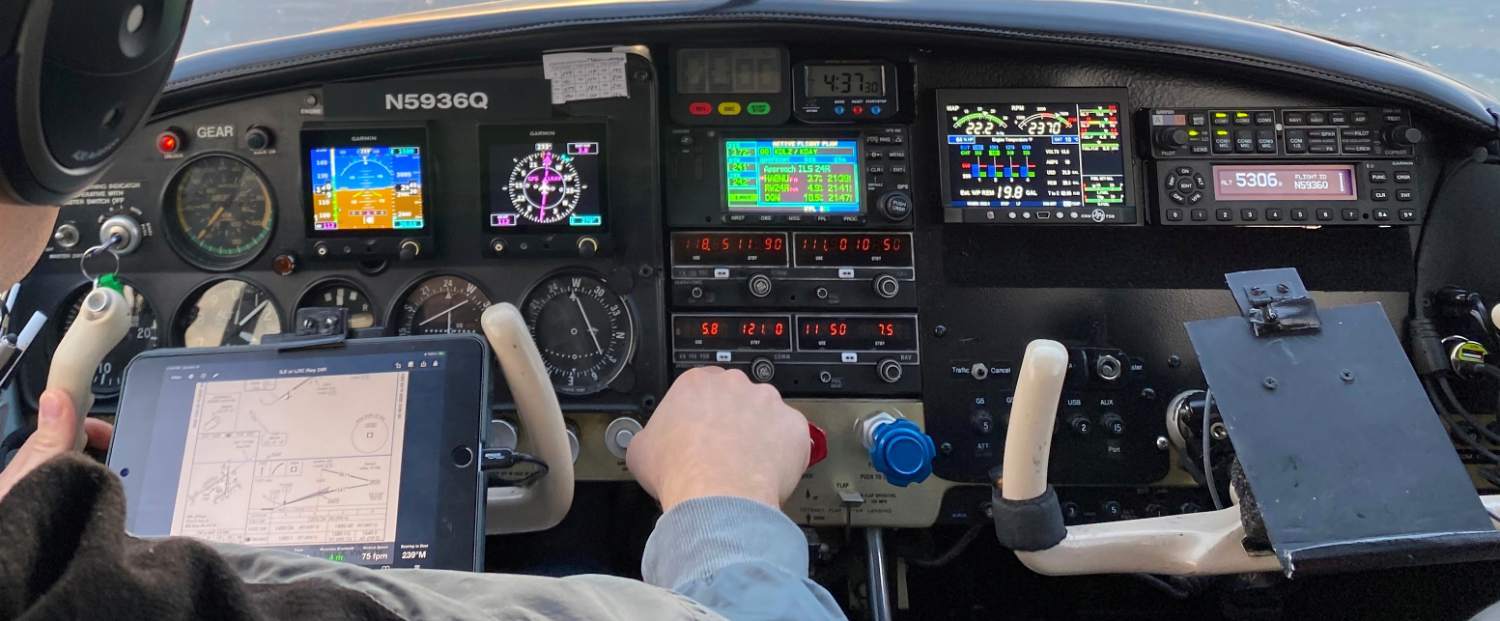
Since a Foreflight app license is good for two devices plus desktop access via the web, I mount twin iPad minis on the pilot and copilot yokes, kept fully charged by two built-in USB ports in the panel. They both synch with the Garmin GPS via bluetooth (FlightStream 210). I've used this setup for several years now. The only concern is that on a hot day in direct sun, they have to be taken out of their cases or they will overheat. Mounting a mini on the yoke doesn't block the view of any instruments if it's low enough. Attached is a photo showing the pilot iPad mini in use and the copilot mount for it. I fashioned them out of two old GPS yoke mounts, sheet metal, and spring clamps covered with duct tape to prevent scratches. (Any creative solution has to involve duct tape!)

-
Exactly my experience with my '65 C. Replaced both with stainless steel 15 years ago and they've looked like new since.
-
I'm basically insuring for a survivable accident: $1m liability cap per accident in flight or on ground (but only $100k bodily injury per person) / $60k hull value insurance $0 deductible in-motion or not-in-motion, excluding flight / $3k medical expenses per occupant. Hangared aircraft, 2 pilots (my son and me), claim-free, 30+ years owned same aircraft, AOPA/EAA member. $1203 annual premium. This suits my needs; it may not suit yours.
-
I'm 72. AVEMCO has insured me for several years now with normal liability coverage for aircraft-in-motion, no hull insurance for in-flight events, and lowball-hull-value coverage for anything that happens on the ground whether or not in motion. It's a reasonable compromise and the cost is bearable. If I survive an off-field landing or other accident, I'll own the wreckage and will probably sell what I can for salvage and either find another aircraft or retire from flying.
-
I think my original instructions disappeared but the photos are mostly there and are self-explanatory. Ignore the photo labeled "finished product" - not my photo; no idea what it's doing there. To drill holes in the seat back for the headrest tubes, it's ok to use a long flat wood drill bit; it works fine on the aluminum. If you need more specifics let me know.
-
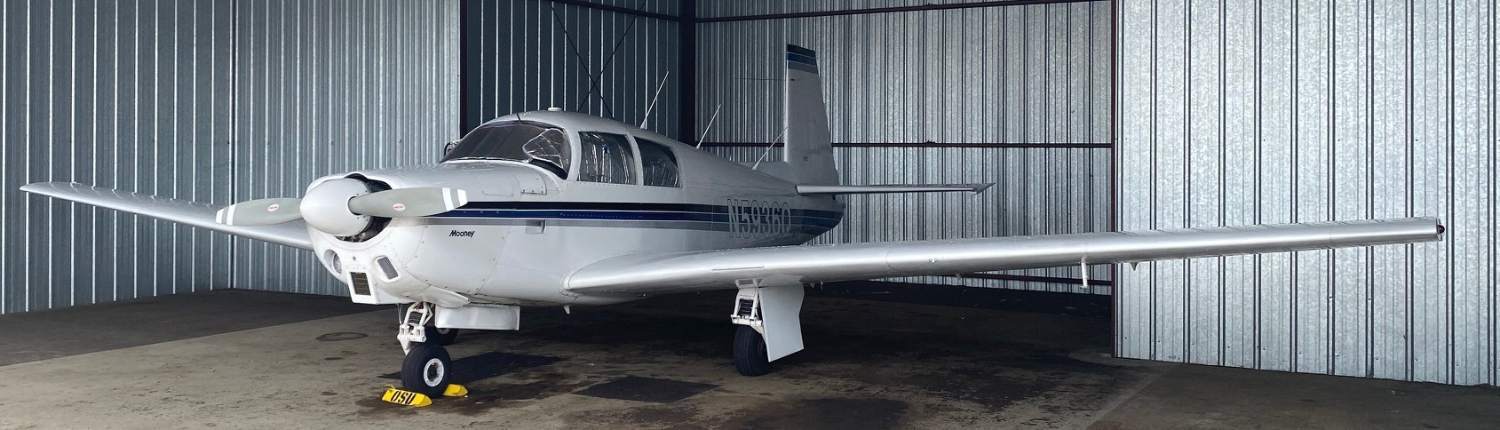
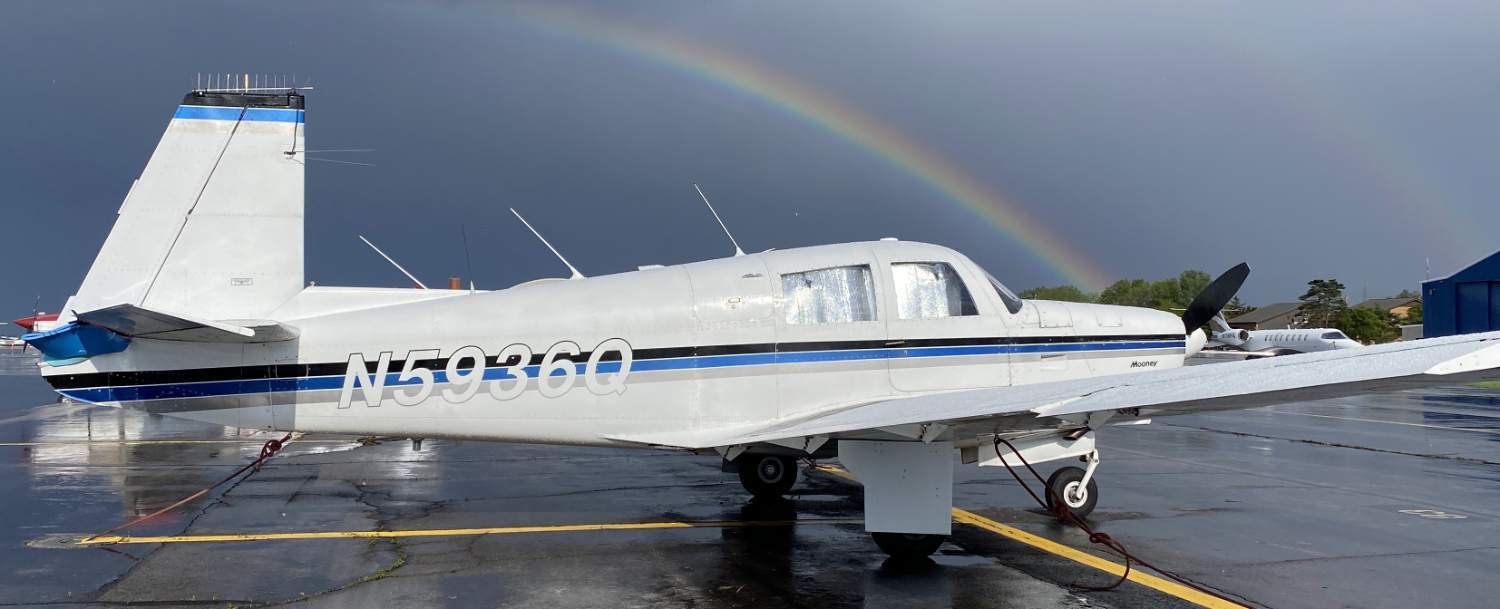
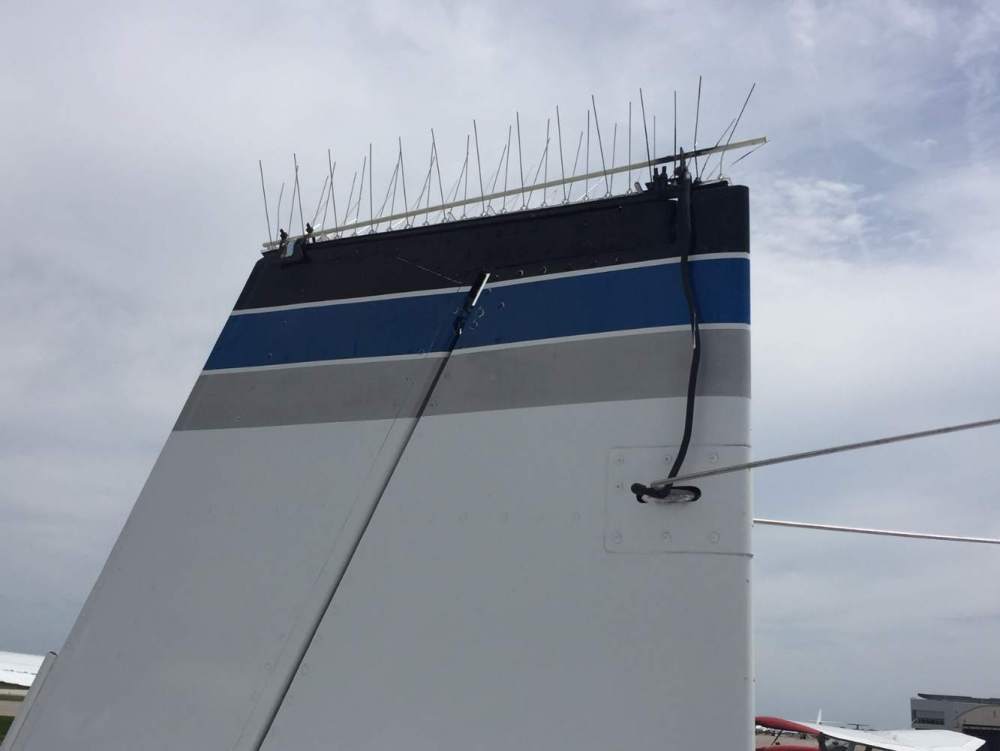
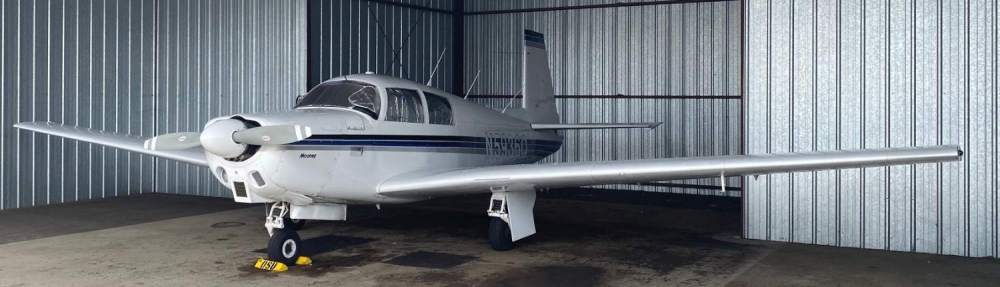
Before I finally got off the waitlist and into a hangar this year, my '65 M20C had spent its entire life as a ramp airplane. I bought it in 1986 and a hangar was out of the question for economic reasons, so for 35 years it was tied down at OSU airport in Ohio. In 1994 I had it painted with Imron and 1998 I replaced the windows; both paint and windows look great to this day. Photos below. (The hangar photo was taken on its first day as a hangared aircraft, earlier this year.) My tips for preserving a tied-down Mooney: Every spring and every fall, clean the exterior of the aircraft with a mild cleaner/degreaser such as "Awesome," power wash it, and "wax" it with a good non-wax polymer auto polish such as Nu-Finish. (You don't need to polish the underside of the wings since they aren't exposed to the sun.) The new ceramic coatings might work too; not sure. In between full cleanings, degrease the landing gear area and underside on occasion. Regularly touch up nicks and paint defects (rivets seem to be the first to shed paint). Get 3 sets of those automotive reflective sun-shades, cut them down to fit inside the aircraft, and put them in place whenever you're tied down. That protects the avionics and upholstery. Less bulky than trying to use a cover, and there's no dust build-up. Get one of those half-inch thick camping sleep pads made of non-absorbing foam and make it into bird plugs. About 4-6 pieces in the right shapes will plug all the holes in the tail. Two more places on the underside of the wing where the flaps meet the fuselage. I never needed to plug the engine opening (too wide for birds if you have a guppy-mouthed Mooney) or the landing gear openings. You can also use a section of anti-bird spike strip and fashion a piece that sits on top of the tail. (See photo). When parked, the prop can be kept vertical and then cover the top spinner opening. Check for ice in the spinner if temperatures are freezing. Don't allow the slightest bit of rust. At every single annual, make sure the entire aircraft is well-coated inside with zinc chromate or one of the newer compounds. If hail is forecast, pay to store the aircraft in a hangar overnight. BTW a hangar is a godsend but if you can't afford it, a tiedown won't destroy your aircraft if you take steps such as those outlined above.

-
Assuming this is your first aircraft purchase: To buy an aircraft with an over-TBO engine is to buy an aircraft that will need a new engine or major overhaul soon. (Somewhat the same with a high-time prop and prop governor.) You simply can't assume otherwise, and no matter how good the pre-buy is (checking how many hours are on the mags or vaccuum pump), it can't uncover every potential failure. So either it will be a project plane - requiring lots of time and AMUs to upgrade the avionics, overhaul the engine, comply with ADs, renew the interior, etc., with correspondent downtime -- or it will be a plane that you purchase and plan to fly with minimal downtime. Most people who are buying their first aircraft prefer the latter, but if the aircraft is priced for the former, then plan accordingly. If you're buying someone else's problems (aircraft wasn't tended to or flown much before the sale), it's probably better to upgrade to new radios, avionics, etc. as opposed to trying to fix the old stuff. Just my opinion. BTW I wouldn't worry about old damage history such as a gear-up. If the aircraft has been flown for, say, a hundred hours or more after the damage was repaired, that shouldn't affect airworthiness or safety. But pay attention to whether the current engine was installed when then damage occurred.