
Bob Weber
-
Posts
185 -
Joined
-
Last visited
Content Type
Profiles
Forums
Blogs
Gallery
Downloads
Events
Store
Everything posted by Bob Weber
-
My Dermatologist was very stern when asking about all the scars on my hands.. Tywraps and airplanes was my response, I'm not on suicide watch.
-
Early in my career I worked at a resistor manufacturer as a service tech on the production equipment, one of the tasks was to troubleshoot a failing Double Calvin Ratio Bridge panel. As I evaluated the issue I found a very simple fix that the resident EE refused to accept. There were 23 stations of these bridges inop and out of production. I spent an hour a shift for 6 weeks verifying that my trim potentiometers were as stable and far more efficient to keep the bridges in spec while testing the parts headed to the space shuttles and cruise missiles. He did not react well when his hind quarters were handed to him. Some of the most talented minds, and some of the most positively planted heads.... I chased a very abrupt pitch up issue in a 425 Cessna for literally years, I finally found an over crimped (at the factory) socket at the rear pressure bulkhead that was arcing for years, it was the power to the pitch servo and a 1000 series ARC autopilot does not react well to this. They did not teach me to look for that in my factory training classes. Crimps are wonderful until your bit by a bad one.
-
Spend a few decades inside an old FCS 810 computer with its 26ga stranded wire soldered into the thru holes of a bunch of 1960 vintage boards. I have chewed up engineers for years by the way, my favorite memory was a guy Roswell W Ard, a mechanical engineer, I was performing a service bulletin on his KAP 140 in a single Cessna for him when he challenged me about the way I was removing the pilots seat. He was telling me how I was doing it wrong by not completely disassembling the roller assemblies, he clammed up when that seat was on the floor quicker than he could tell me what I was doing wrong. My engineering abilities and capabilities have been honed since I was 6, I have built hundreds of engines including race winners, restored several fixed and rotor wing aircraft, boats, cars, houses, I'm sick of someone telling me they are an "engineer". The most gratifying experience with an Engineer was with a Filipino I am working with thru an interpreter, about three translated answers into the conversation, the universal response of OOHHH was heard on the call, after 15 minutes he was dancing with what he just learned.
-
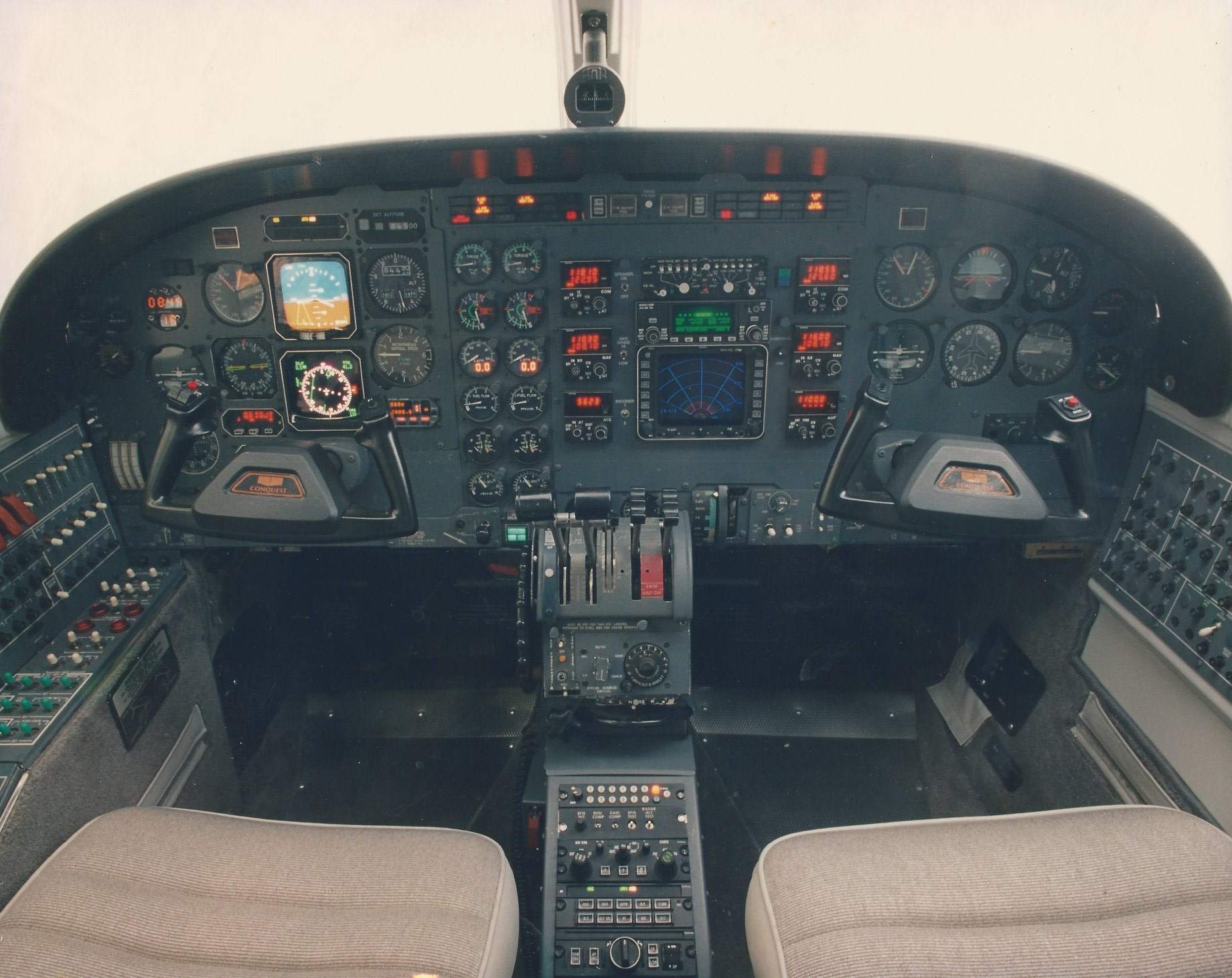
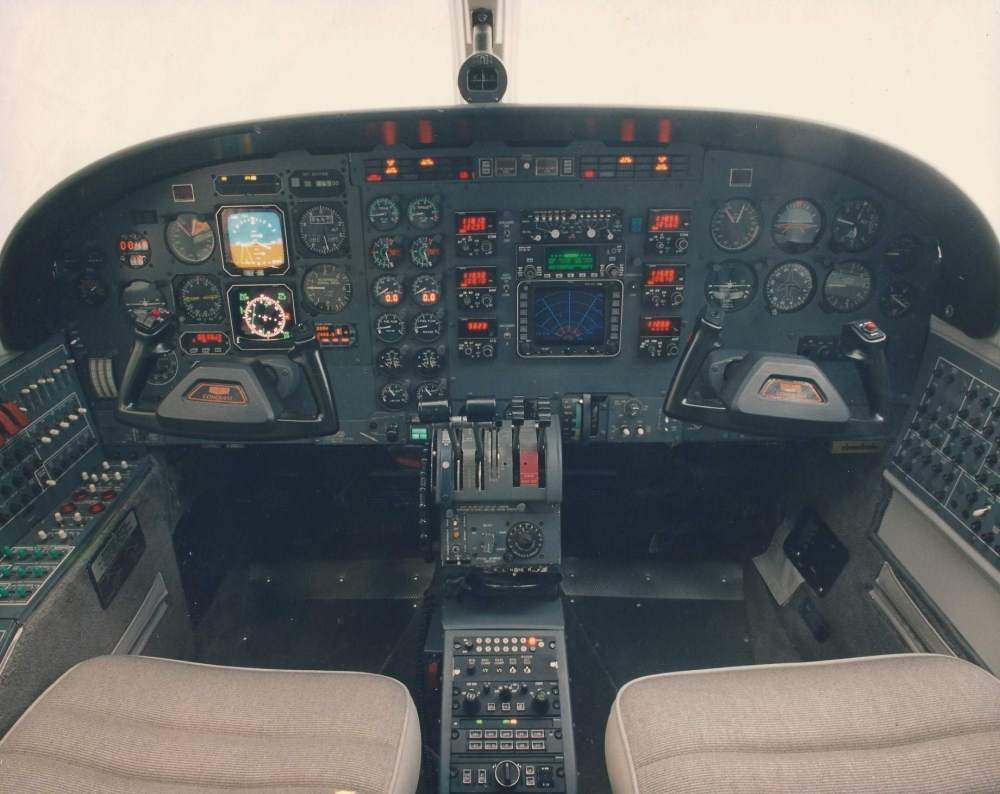
When we transitioned from the KMA 20's and KX 170's to the 24's and 155's I was in heaven with the crimped connectors, far quicker and of course, more repeatably reliable with the correct tools. I have also found a factory crimped socket in a 425 Cessna that spent the better part of three decades trying to kill its occupants. None of this is childproof and must be held to the absolute highest standard. All of this should be embraced as methods to be used where they can best serve the task. At least try to stagger your crimps to avoid the wad, something I don't need to worry about due to the greatly diminished mass and weight. Here's a pic of 4000 connections I made and then walked thru the STC process in 1991ish. I cut, broke, painted, and riveted pretty much everything you see as well. Then I flew right seat to Wichita for certification where we were done before lunch, with modification, spinning the feds mind.
-
I would love to contribute my little pocket full of experience. I work with pilots and maintenance people all over the world, attempting to "put into plain language" the very technical concepts of their autoflight systems. By doing so it enables us to find and correct the root problems, and enlightens the awareness of future issues. webairconsulting.com
-
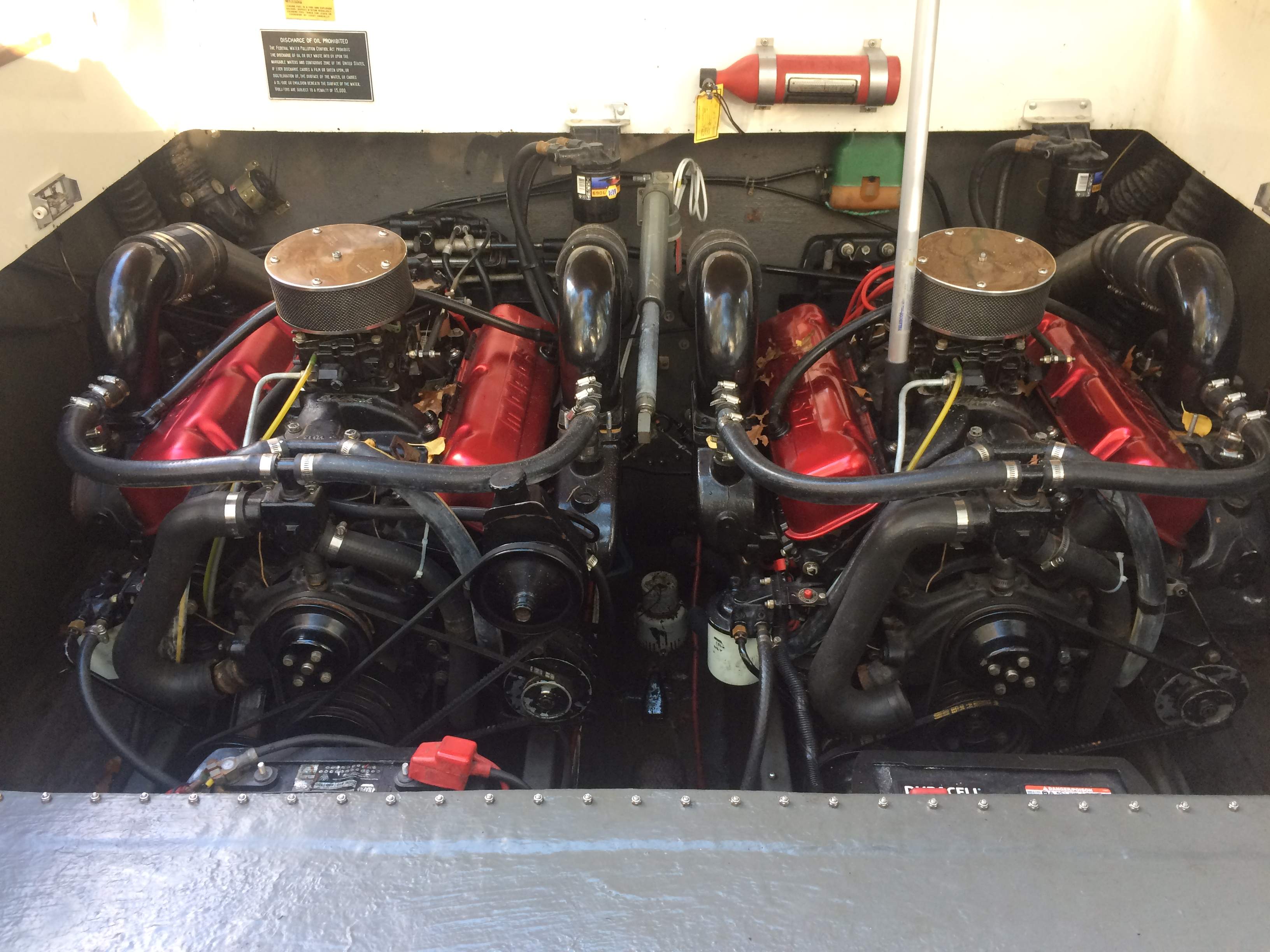
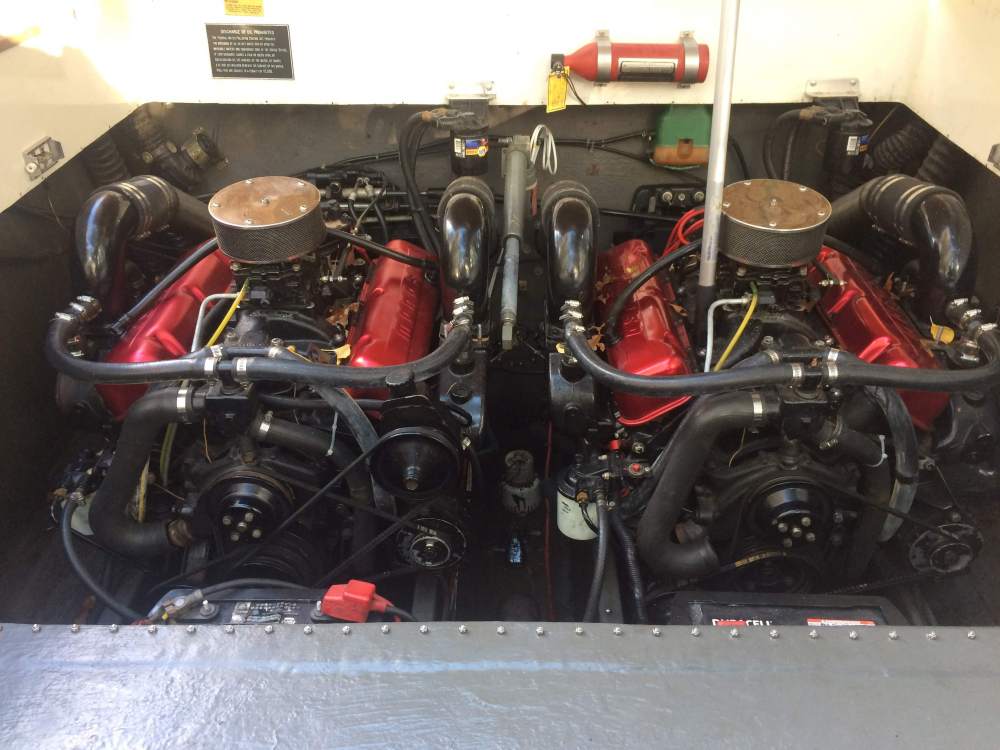
I always like your responses Skip, The real trick to soldering is speed, the longer you dwell on the wire, the farther the solder wicks into it. My connection is less than a quarter inch long, the solder is only massed at the connection and by the technique, minimizes this as well. I run a 700° iron and use a choreboy style cleaning pad. My offshore boat was rewired over ten years ago and these connections are everywhere in both engine systems as well as the custom panel that was installed. "to internal combustion and wind in the face"


-
Growing up in Fraser MI, my folks were at wits end with me for destroying every toy they gave me. Finally, when I was 6, they figured out giving me kits to build was the way to go. I caught my Father and Sister with the burglar alarm experiment of my Heathkit Junior 36. I was forbidden to run that experiment again.
-
Very early in my aviation career I was "educated" about this, I have been fighting it ever since. In college, in a shop processes class, the "professor" showed us a soldering course film from the military in the fifties. I quickly went to a friend and got a bunch of cull electrical equipment, brought it to class, and showed the class real life. https://www.google.com/search?q=western+union+splice&client=firefox-b-1-d&sxsrf=ACYBGNR6BgK01AwA8G0IzJALCRMFg0OQ6g:1582039203731&tbm=isch&source=iu&ictx=1&fir=PiXVPFBnMdOLrM%3A%2CzKQGGCVxPzvR9M%2C_&vet=1&usg=AI4_-kTBSKgdk7nqJiRKl8u3ore0-5VLZg&sa=X&ved=2ahUKEwjPhomms9vnAhX2Ap0JHQo2DUwQ_h0wHHoECAoQCw#imgrc=PiXVPFBnMdOLrM:
-
After 50+ years of soldering I can assure you this is really a waste of time, no more conductivity, no more structural integrity, just more work initially and even more if you need to service the repair.
-
You might want to have a chat with your mechanic, he can replace the wire, route it where it won't get damaged, and learn from the experience. Under warranty.
-
If this a simple length of wire to replace, by all means replace it. If not this would be a repair I would consider permanent. That being said I would like to see the joint you end up with.
-
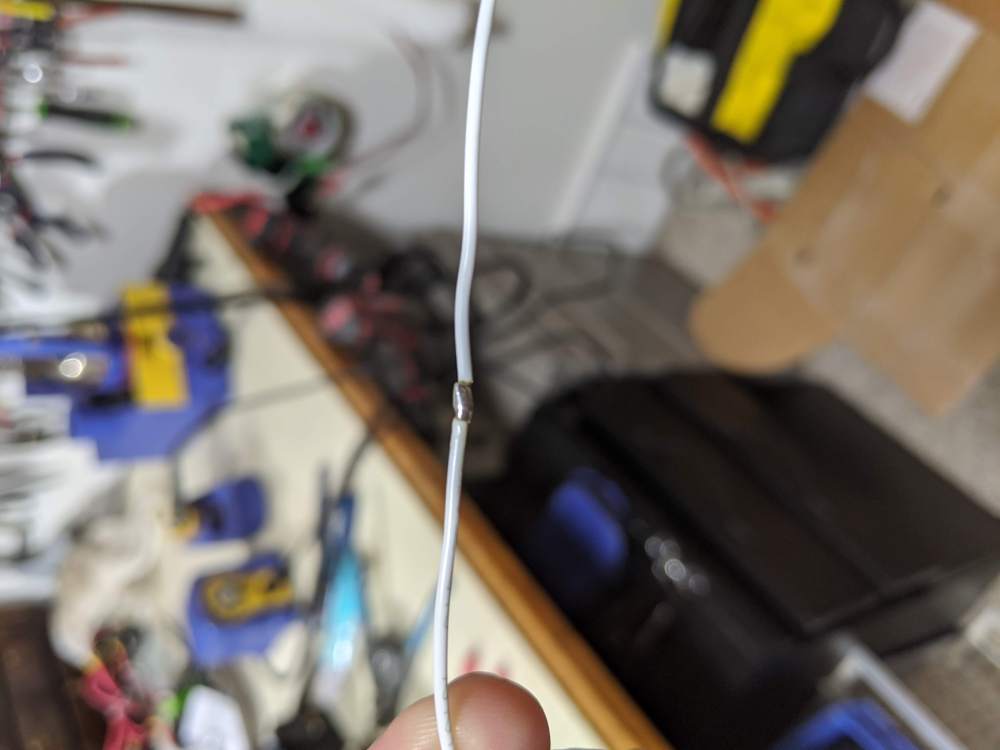
30% is beyond acceptance, I would still treat it as a safety issue. If I were standing there I would cut it at the abrasion sight, clean and strip the wire to expose an 1/8th of an inch of clean copper, quickly "tin" each one with a good, hot, clean soldering iron. at this point I would slide an appropriately sized length of shrink tubing on one of the wires, then, with a fresh ball of solder on a clean iron, I would make the connection waving the iron in order to create the connection and carry off any excess solder to make the joint as small as you can with a good shiny connection.
-
Is this a P lead? That's safety related and needs to be right. Unlike what they seem to be teaching the kids at school today, a properly executed solder joint will go a lot further, be less bulk, and consequentially more trouble free. Granted, they're not child proof, I routinely revisit installations and repairs I have accomplished over the last 5 decades now, and see the durability of the different methods.
-
The best first question here would be what are you splicing. If you can solder proficiently, I would recommend it. There are crimp connectors that are sufficient, I always attempted to stagger them in order to minimize the "wad" that always seemed to be where the problems were.
-
Ron I would be more than happy to answer a couple questions and give a bit of insight, 616 822 1999 eastern 8am-8pm. A very simple ground check will tell us the attitude source in minutes.
-

Garmin G5, Century 21 wild rolling autopilot stumper
Bob Weber replied to jkarch's topic in Modern Mooney Discussion
Your system would be easy to troubleshoot, I can certainly help with it as well. Century Flight Systems was the first factory school I attended nearly 30 yrs ago and I still talk to my old instructor from time to time. -
Garmin G5, Century 21 wild rolling autopilot stumper
Bob Weber replied to jkarch's topic in Modern Mooney Discussion
Hence the few questions... -
Garmin G5, Century 21 wild rolling autopilot stumper
Bob Weber replied to jkarch's topic in Modern Mooney Discussion
Think of it this way, I believe it may help. That system must be set up to form a balance between the attitude signal and the roll mode signal. Old school training taught us "10° of HDG should equal 10° of bank". There is a flight adjust procedure that should have been done on an initial flight after the upgrade. I can help you thru the flight adjust, but I have a few questions that may help first. Bob Weber webairconsulting.com 616 822 1999 -
For less than the price of fuel, or an erroneous guess at which box is bad, I can guide you or your local tech to the actual problem quickly. I've spent the last 4 decades at an avionics facility, with factory training, performing component level repairs on the bench, helping people all over the world like this. If any repairs of components are needed, I now work directly with the technician we would go to before and during the repair. You will also learn things about your system that will help you operate it, and diagnose any issues that may crop up in the future. webairconsulting.com
-
When it fails again, if you can access a couple points in the system with a voltmeter, I can help you trace the problem rather quickly. Bob Weber webairconsulting.com 616 822 1999 eastern time
-
Lino there is a fader circuit that is supposed to inhibit servo drive until the AP is engaged. I can help you here, webairconsulting.com
-
This whole thread reminds me of a video I saw back in the 80's of a radio conversation between a Lear(if memory serves) and a Florida ATC(if memory serves) about penetration, or lack thereof, into thunderstorms. At the time I was tasked to install a WX 10 in the lobby of the FBO where I was employed, their intention was to demonstrate the concept and usefulness of instantaneous indications of any convective, and sometimes clear air turbulence. It worked very well despite the fact Grand Junction Colorado boasts 330 days of VFR a year! Keep the 900 unless you opt for a WX 500 that, I believe, will display on the Garmin equipment. End game. As asked earlier, what is the long term goal, an important consideration. You will not find a more advanced autopilot than Garmins, hands down. Granted, the professionals with more than my 45 years of flying, and nearly 40 years of heavy modifications of every thing from a Gulfstream to a Luscombe, seem to disagree with what my experiences have proven to me. Your end game needs to start with the autopilot, it is the most integrated system in the aircraft. In today's software driven world, everything from the audiopanel to the autopilot is digitally connected and needing to communicate. Having observed the struggle to get multiple manufacturers software to "cooperate" during the initial power up and play stage, often over the course of days, I recommend gravitating towards one manufacturer. Gary and Minn had a great vision when departing King Radio all those years ago, I would run their entire suit. Think of sitting in KATL and deciding to update some software while waiting on a passenger, then finding yourself sitting there a week later trying to figure out what just happened. All you get now is manufactures pointing to each other for the blame. G5 or TXI, GTN's and most certainly the GFC for your aircraft.
-
My probably equally fuzzy memory recalls this: The 140 and 225 were early "digital" autopilots, I believe they were on the list in the Garmin manual that required it to be configured to prompt you to "Enable Approach Output". I flew so few of them for certification that they would catch me off guard. I'm thinking it prompts you when it transitions from TERM to LPV, this is when the navigator throws an approach enable command to the autopilot among other things. Multiple things happen at this point to both the navigator, as well as the autopilot. In APPCH mode, the autopilot begins a regiment of intercept, capture, and track functions. These differ from NAV mode by changing intercept angles, limiting bank angles, and enabling vertical guidance. I found over the years that the last item has always made people nervous, and rightly so. I have a feeling this was the reason for the requirement. Hopefully this sheds a bit more light. Fly safe, Bob Weber
-
Regretfully this is all too familiar. I can help with this, there are some simple checks that may point to the culprit quickly. One of the most critical components of that system is the wiring and all associated components, switches, connectors, etc.. A thorough understanding of what the computer is looking for and what will cause the fail will go a long way here. email some panel pictures to me if you would like, bobweber@webairconsulting.com I think I can help you fairly quickly figure it out with a voltmeter, rather than more unnecessary spending or time wasted. Bob
-
It would be easy to measure the angle of the upper and lower skins and divide it in half to find the center line, them measure from there. But it might be easier to switch the elevators back to the correct positions than to try re bend the trailing edge. Bingo, been waiting to hear this.. We used to say you were becoming a test pilot when swapping parts like that on an aircraft.