
Rick Junkin
-
Posts
1,427 -
Joined
-
Last visited
-
Days Won
8
Content Type
Profiles
Forums
Blogs
Gallery
Downloads
Events
Store
Everything posted by Rick Junkin
-
 Registration is open for Mooney Summit VIII !!! Go to www.mooneysummit.com to register and get the latest information on what is planned for this year's event, from roundtable discussions to stage presentations to social activities. I'll be updating our list of raffle prizes and silent auction auction items as sponsors continue to send support. A link for block hotel reservations will be provided in your registration confirmation email. Feel free to contact me with questions either here through Mooneyspace or directly at rick.junkin@mooneysummit.com or by text or voice at (314) 283-5718. You may need to leave a message, but I'll call you right back. Cheers, Rick
 -
This is a teaser for registration for this year's Mooney Summit, which will be opening in the next few days. This year’s Summit is September 18-19 2022 at Peter O Knight Airport (KTPF) and the Tampa Theatre. Some exciting changes this year: 1. New venue! Enjoy Tampa and the historic Tampa Theatre this year. 2. Online Silent Auction! The Silent Auction will be open to all, not just those in attendance. Watch here on MooneySpace for details on what's up for auction and how to bid. 3. Online raffle - no more tickets to keep track of! Raffle will still be for registered attendees only. Things that haven't changed: 1. World class subject matter expert presentations 2. Roundtable discussions of all your favorite topics in the hangar on Airport Day 3. Social events on both days with all of the friends we haven't seen for a couple of years. I'm tying up the last few loose ends for the online registration page and will have it live very soon. Stay tuned! Cheers, Rick
-
- 3
-

-
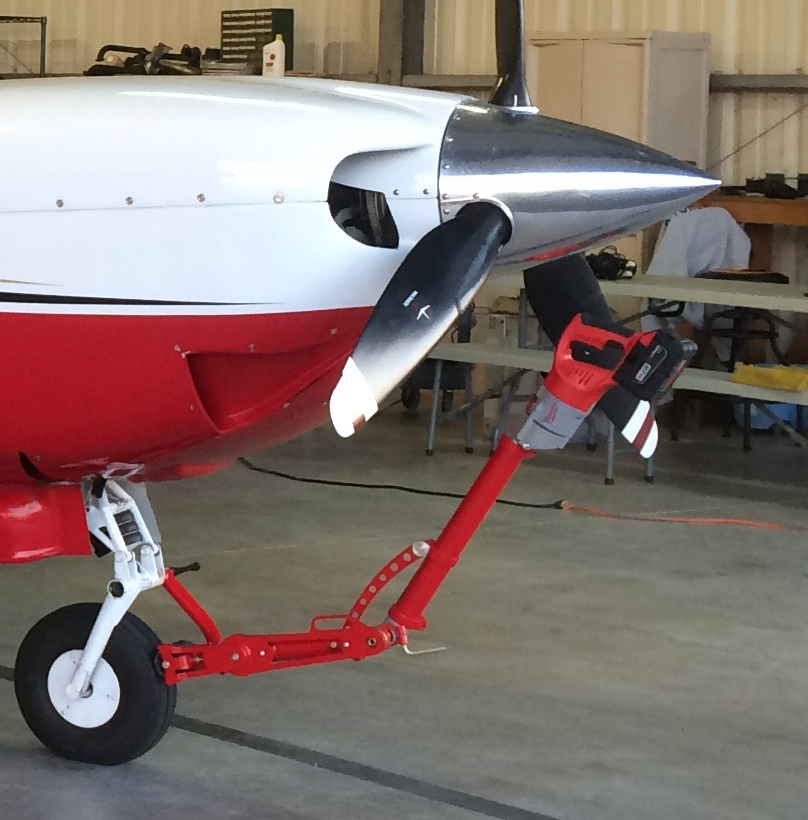
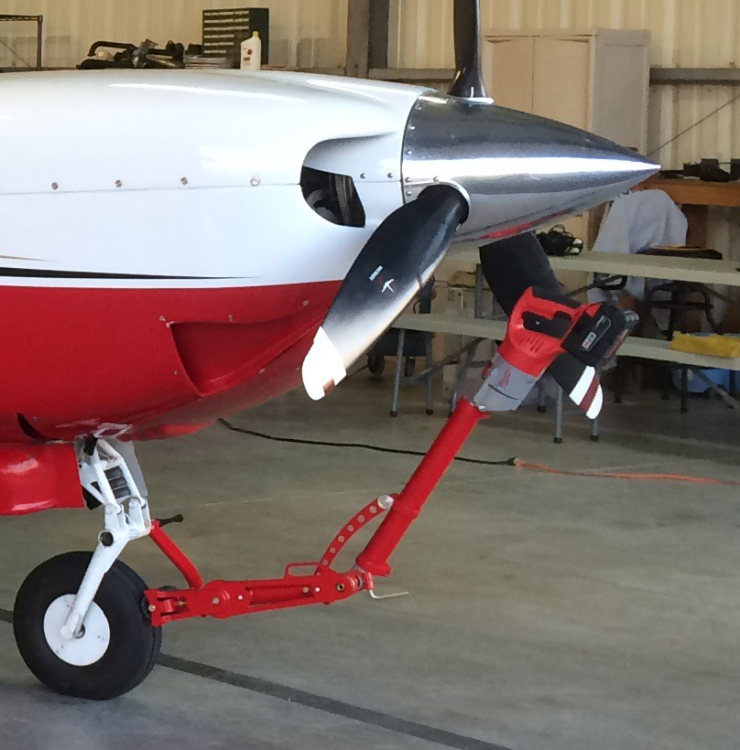
Here's a pic of my Sidewinder on my Bravo. I leave it there when the airplane is in the hangar, serves a dual purpose of helping to visually catch low nose tire pressure. Cheers, Rick
-
HA! Fortunately that soon passes as you immerse yourself in learning your new airplane. Sounds like you are well on your way in that regard. Welcome to the club, and yes, reserve a special place in your wallet labeled "Mooney Pass-Through Money" and prepare for it to be mostly empty most of the time. You're gonna love it. Cheers, Rick
-
On behalf of your Mooney Summit Board of Directors I am happy to announce we have scheduled Mooney Summit VIII for September 18-19 2022. We will base the event at Peter O. Knight Airport (KTPF) in Tampa FL. Airport Day is Sunday the 18th, and stage seminars will be held Monday the 19th followed by the presentation dinner Monday evening. We are finalizing the contracts for our hotel blocks and will open Summit registration as soon as those contracts are in place. We have secured a unique venue for this year’s event that we think you’ll enjoy. Take a look here! We've shifted the event to Sunday-Monday to adjust to venue availability. We have opted for a two day format this year featuring presentations organized in a “PAVE” theme that will appeal to all, as well as Mooney-specific presentations on operations and maintenance. I’m really looking forward to seeing everyone again as we hear from some of the best in aviation, socialize and share our collective experiences in pursuit of “Bettering the Breed”. Registration will open soon. Watch for updates here! Cheers, Rick
-
@M20 Ogler Take a close look at your elevators. Are they symmetrical? I don't trust the picture, but if you were 100% square on when yo took it then the right elevator appears to be deflected up with respect to the left elevator, which would induce a right roll. You can easily measure this with a digital level, just make sure the elevator doesn't move between measuring the left and the right. If it's bad enough you may be able to eyeball it. Mine were out of symmetry by about a degree and gave me a roll rate of about 2-3 degrees per second. It went away when I had them adjusted. Let us know what you find! Cheers, Rick
-
It's always interesting when this comes up. The M20M POH and the Lycoming Operator's Manual for TIO-540 series engines differ on both starting and shutdown procedures. The POH is "binding" from a regulatory standpoint, but that doesn't preclude us from using better procedures for engine operation learned over time and codified in the engine manufacturer's documentation. Case in point is the POH cruise settings for the M20M - no one uses them anymore because of the learning that occurred through operating at those settings. Starting: Mooney POH says to idle at 700-750 RPM for warm-up Lycoming says to idle at 1000-1200 RPM for warm-up The starting procedure itself is different between the two as well - the POH has you cranking with the mixture full rich, Lycoming has you start cranking at idle/cut off and advance the mixture as the engine starts. I've used both with varying degrees of success and ultimately found what works best for me and my engine, which not surprisingly ended up being a combination of the two. I warm up at 900-1000 RPM with a leaned mixture and proceed once the oil is above 100 and the CHTs are at 250. Shut down: Mooney POH includes a CAUTION that states you need to operate the engine at idle (below 1000RPM) for 5 minutes to allow for turbocharger cool-down. Taxi time can be included in that 5 minutes. Lycoming says to "idle until there is a decided decrease in cylinder head temperature" So which one is right? Personally I'm past that question. My practice is low power on approach and in the pattern, idle at round-out and into the flair, rarely add much power for taxi, and do my post-flight mag and grounding check at 1000RPM when I reach the chocks. Then I shut down. The intent is to allow things to cool down and this practice accomplishes that. My suggestion is use the documentation as guidance, understand the intent, and execute in a way that works and is easily repeatable every time you fly. When you learn something new, see if it makes sense to you and if it does, incorporate your learning to improve your practices. But don't skip the "does it make sense" step and make sure what you've heard/learned applies to you and your airplane. Cheers, Rick
-
Does the CDI center and the autopilot accurately correct for the winds in VLOC? As Anthony @carusoam said the HSI should be getting the same nav signal from the 530W whether you have VLOC or GPS selected on the 530W so if there is a difference in the way the KAP150 acts in in GPS and VLOC I see your reasoning for questioning the 530W soft config. I sent you a PM with some tech data that may help. For clarification, is your A/P giving you steering to parallel the magenta line, or is the autopilot steering diverging from the magenta line? This is a Master of the Obvious thing maybe, but the KAP150 will initially steer you to the uncorrected course you have selected on the HSI, and then add in a wind correction once it starts sensing drift from the desired course. I don't think this is what you're seeing from what you've described but wanted to throw it out there anyway. There is also an adjustment on the KAP150 to center up the CDI, but if your A/P ILS steering is centered I wouldn't mess with it. The adjustment requires a long thin flat head screwdriver is reached through a hole on the front left side of the A/P computer faceplate. Again, if you're seeing a stabilized diverging drift away from the course set on the HSI this adjustment isn't appropriate. However, if the CDI isn't centered properly when you're on the magenta line this could be the adjustment you need. Cheers, Rick
-
I see about 2gph fuel flow at 800RPM while leaned for taxi. The engine stumbles at ~950RPM if I don't enrich the mixture. I run Tempest fine wire plugs URHB32S and standard Slick mags. With proper priming my engine starts like a car, never more than a few blades. Cheers, Rick
-
WTB: Compass Deviation ring for Long Body compass
Rick Junkin replied to Rick Junkin's topic in Avionics / Parts Classifieds
Thanks Anthony, I'll give them a call. Their website is lacking any parts listing or ordering capability, and all of the prices for what they do have on the site are $0.00. It looks like they aren't maintaining the site, I got a message that they can't accept online orders right now and to contact them directly. Phone number is (314) 739-8117. Cheers, Rick -
The info in this article may help - it amplifies @Brandt's recommendation. There are recommended procedures for both Continentals and Lycomings - I've used the recommendations on my TIO-540 and they work well. https://www.aviationconsumer.com/maintenance/hot-starting-science-and-art/ Cheers, Rick
-
Anybody have one of these they can part with? Cheers, Rick

-
Here's an Option 3+. Add an Engine Saver to the mix to keep the relative humidity inside the engine low enough to prevent condensation. It's my personal year round over-kill solution, especially when I know I won't be flying for a few weeks. I hook it up and leave it on all of the time, and dry the desiccant every few weeks or so. If you defeat internal condensation then the heater cycling with a timer becomes executable and practical if you don't want to leave it on all of the time. It's a compromise solution for your unique situation. An engine dehydrator is also recommended for 24/7 preheating by Mike Busch in the last two paragraphs of this article: https://www.aopa.org/news-and-media/all-news/2019/april/pilot/savvy-maintenance-crimes-and-misdemeanors Here's a link to the Engine Saver at Aircraft Spruce: https://www.aircraftspruce.com/catalog/eppages/engsaver.php And here's an Aviation Consumer article discussing the effectiveness of engine dehydrators: https://www.aviationconsumer.com/maintenance/engine-dehydrators-engine-saver-prevails/ That link may be a subscriber-only link for Aviation Consumer, so let me know if you can't get to it and I'll get it to you another way. Cheers, Rick

-
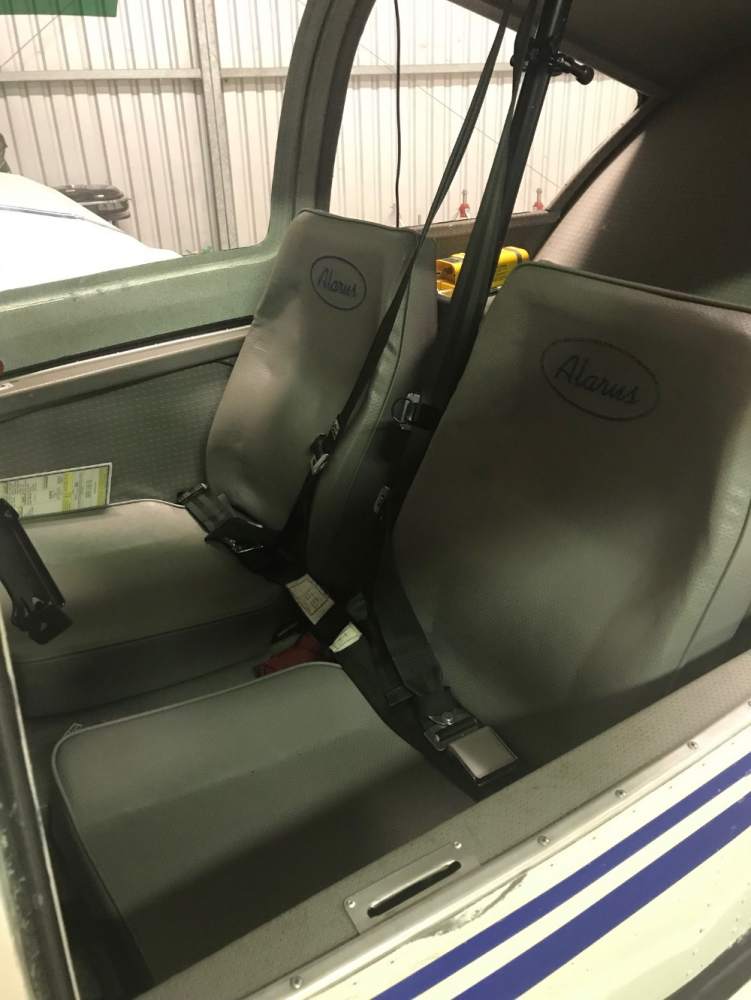
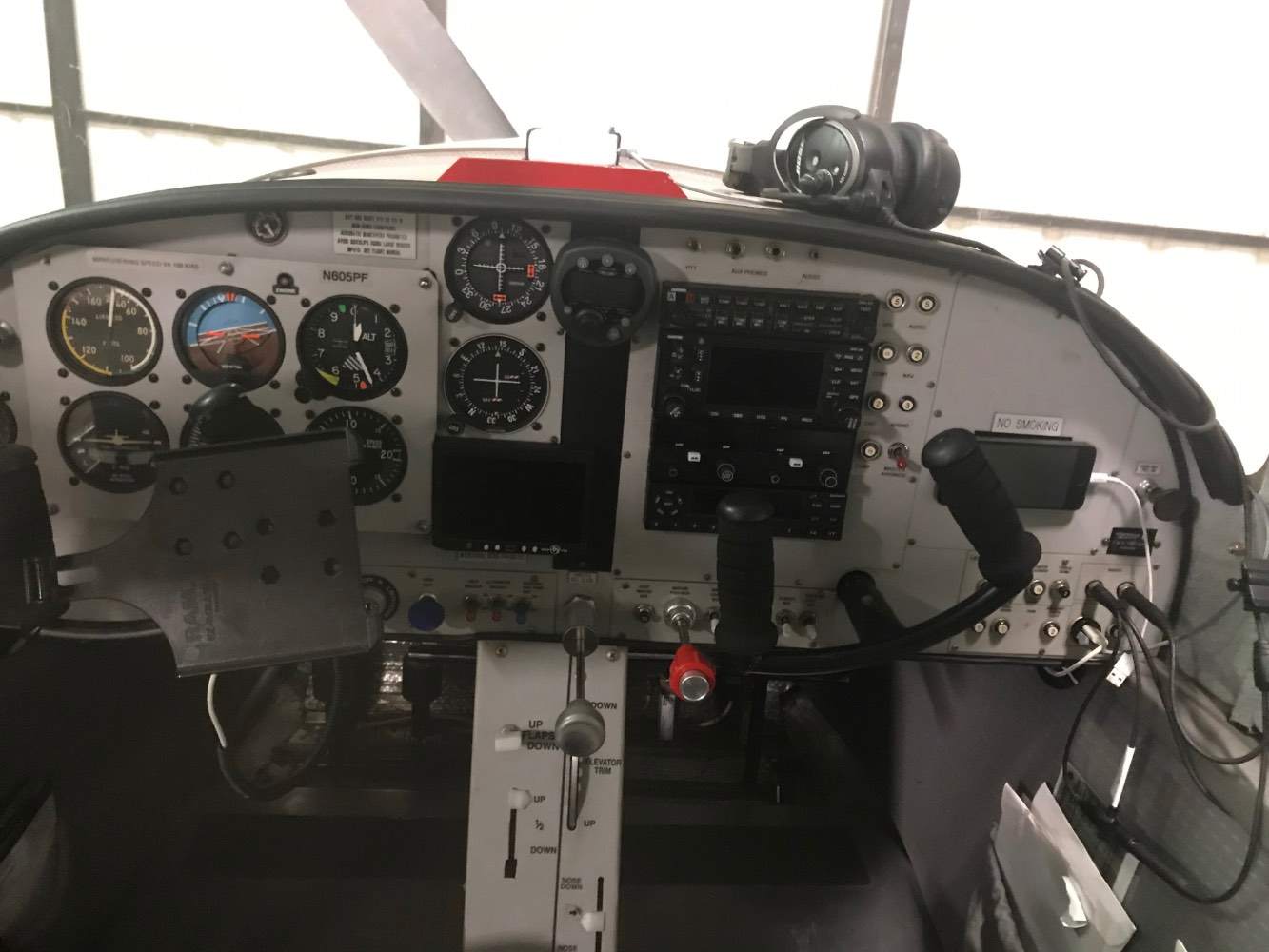
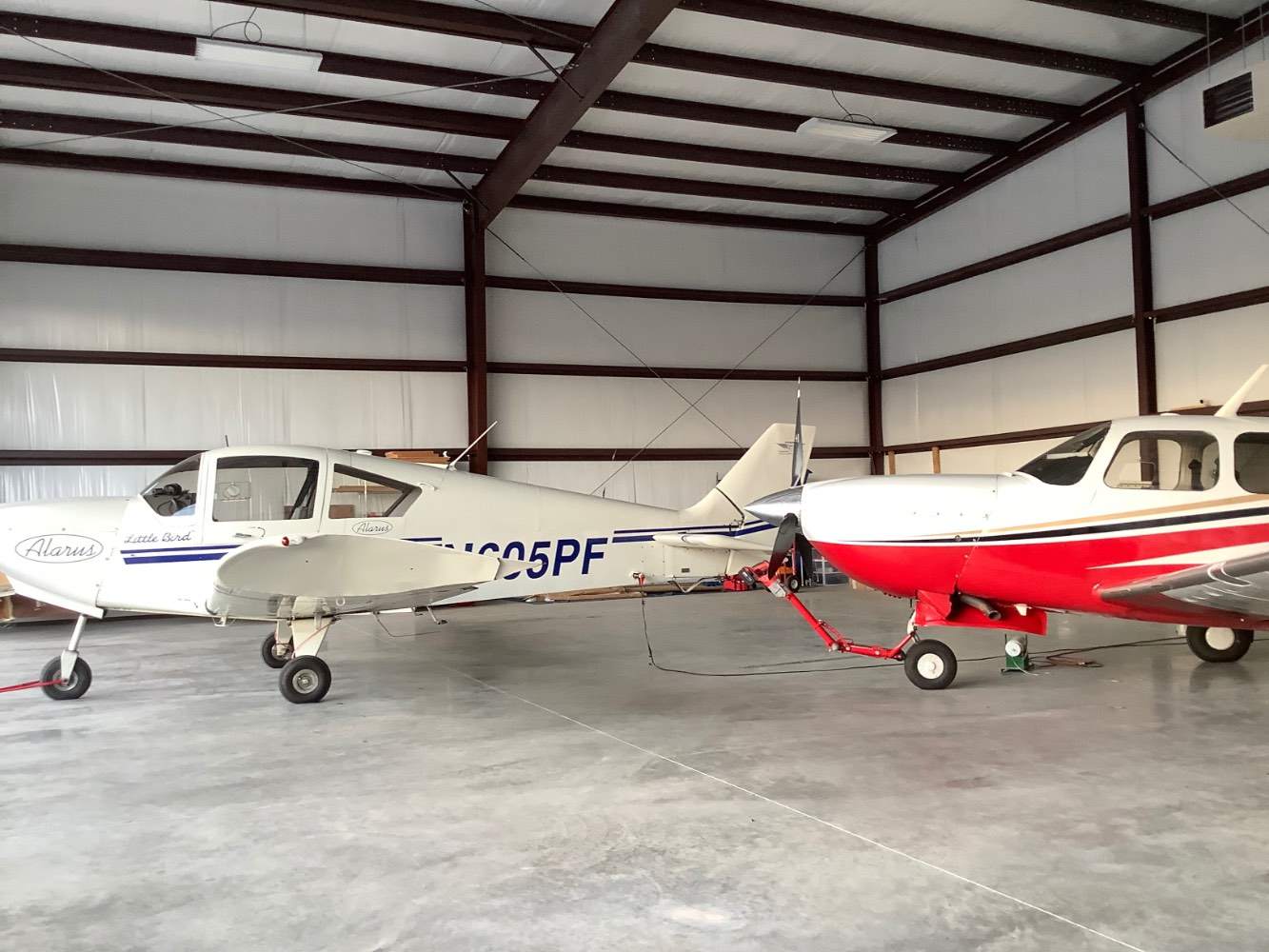
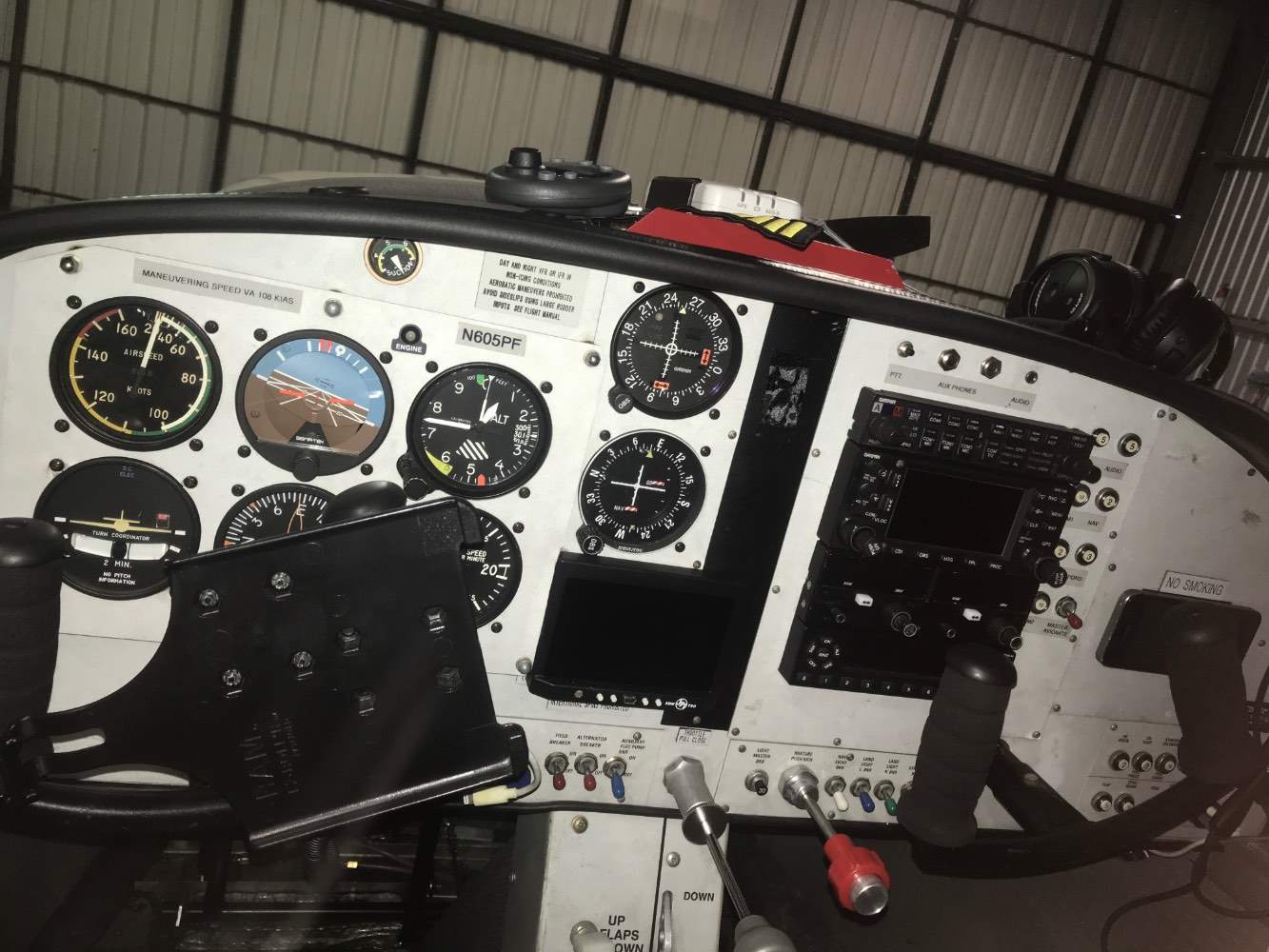
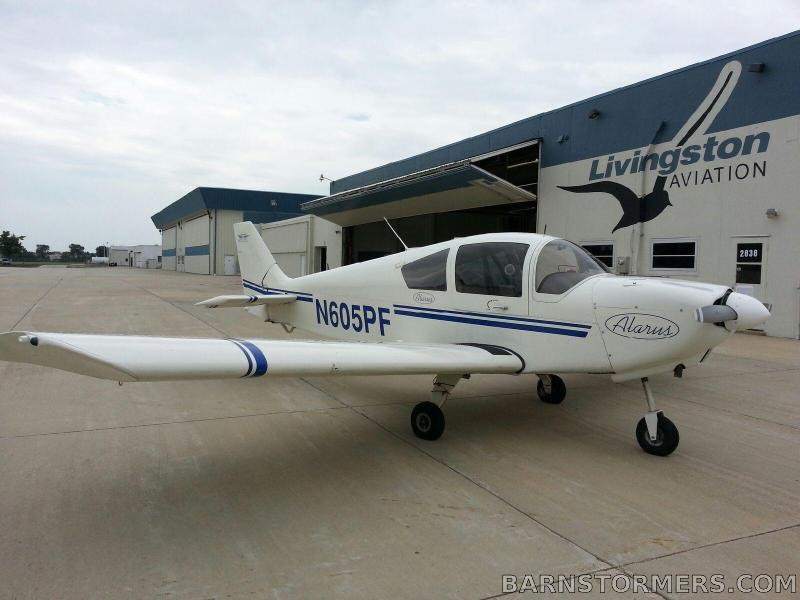
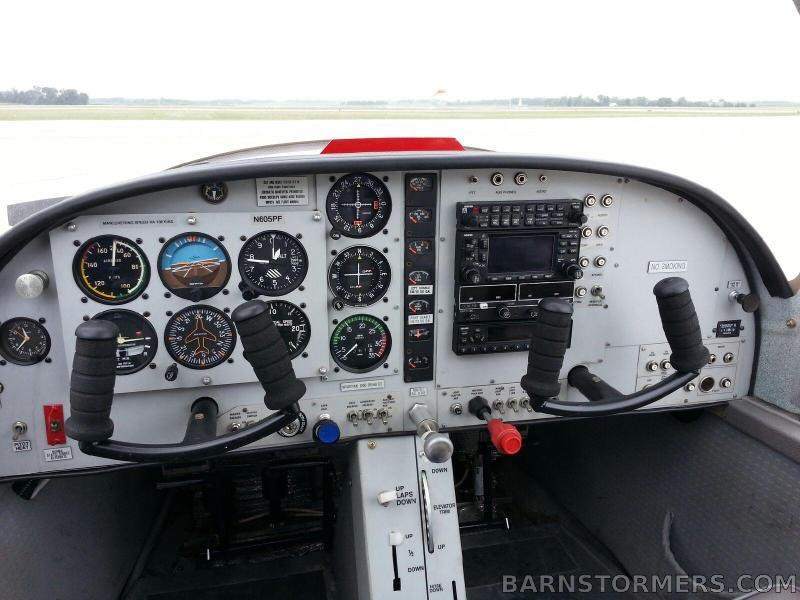
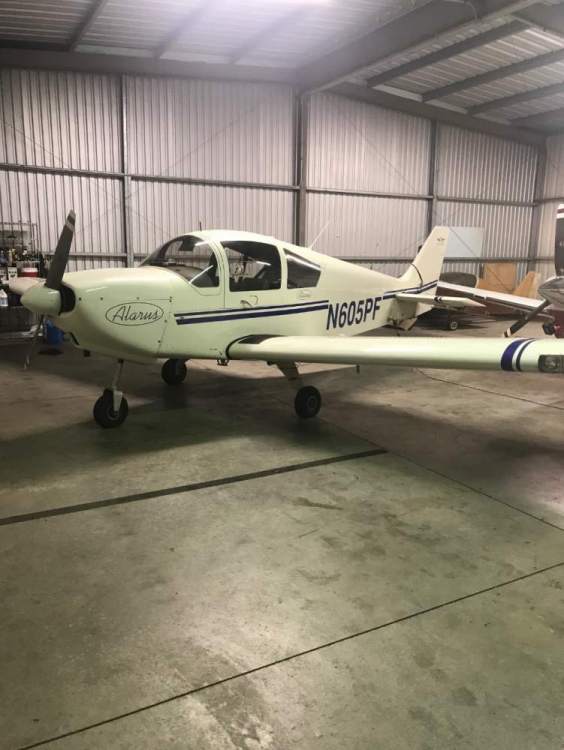
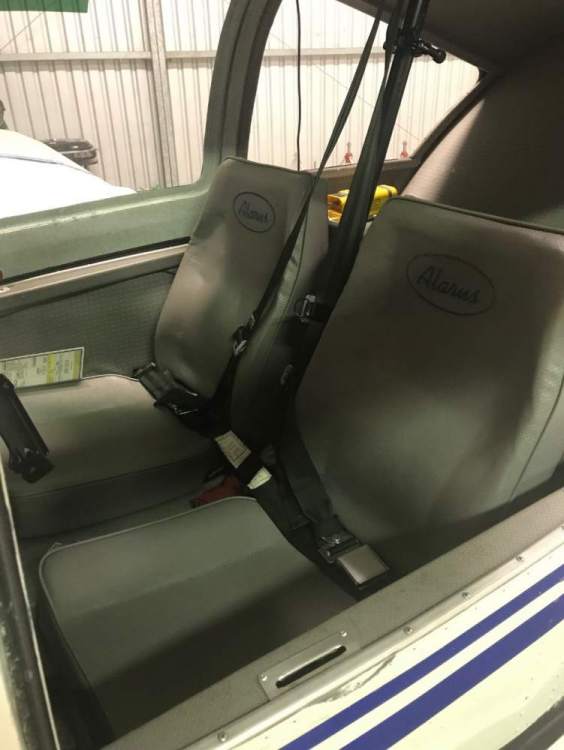
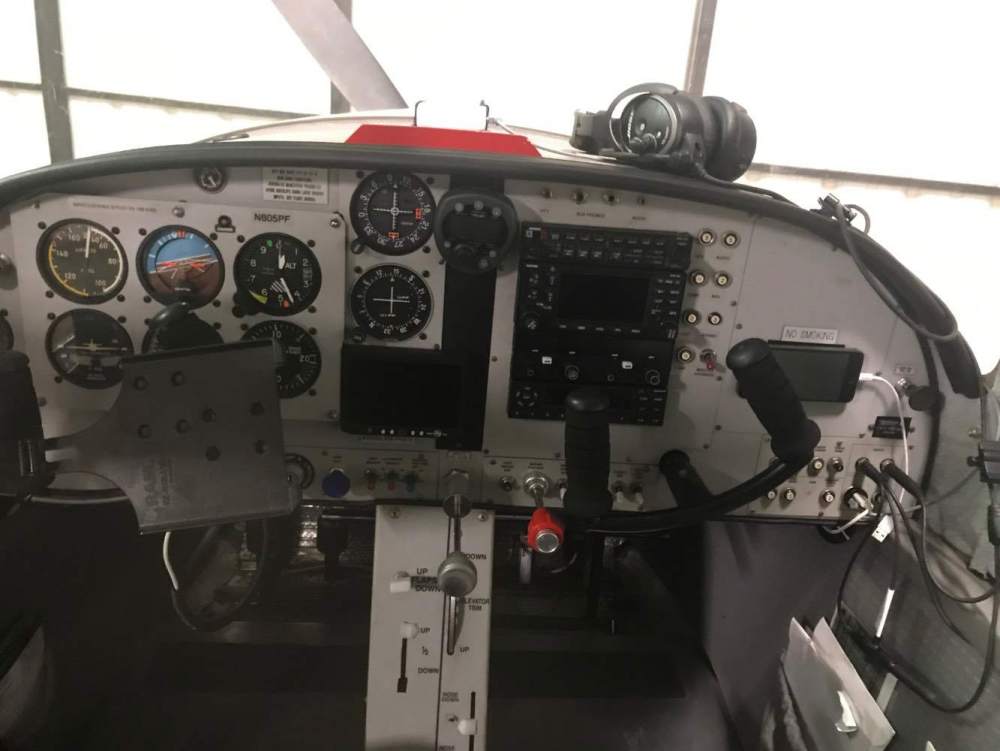
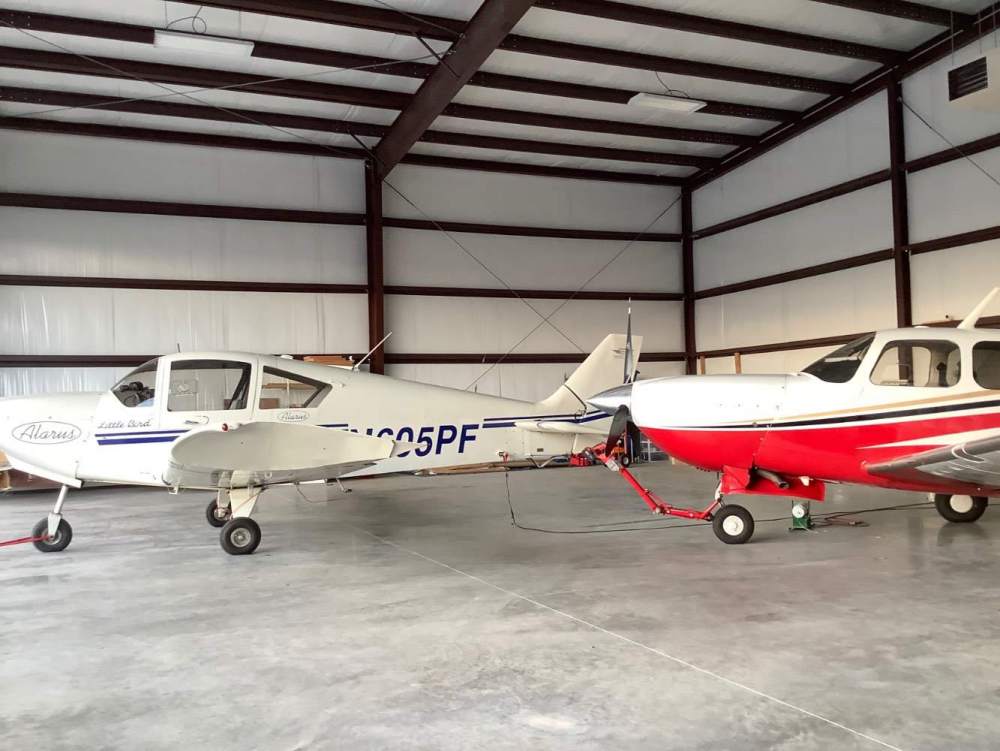
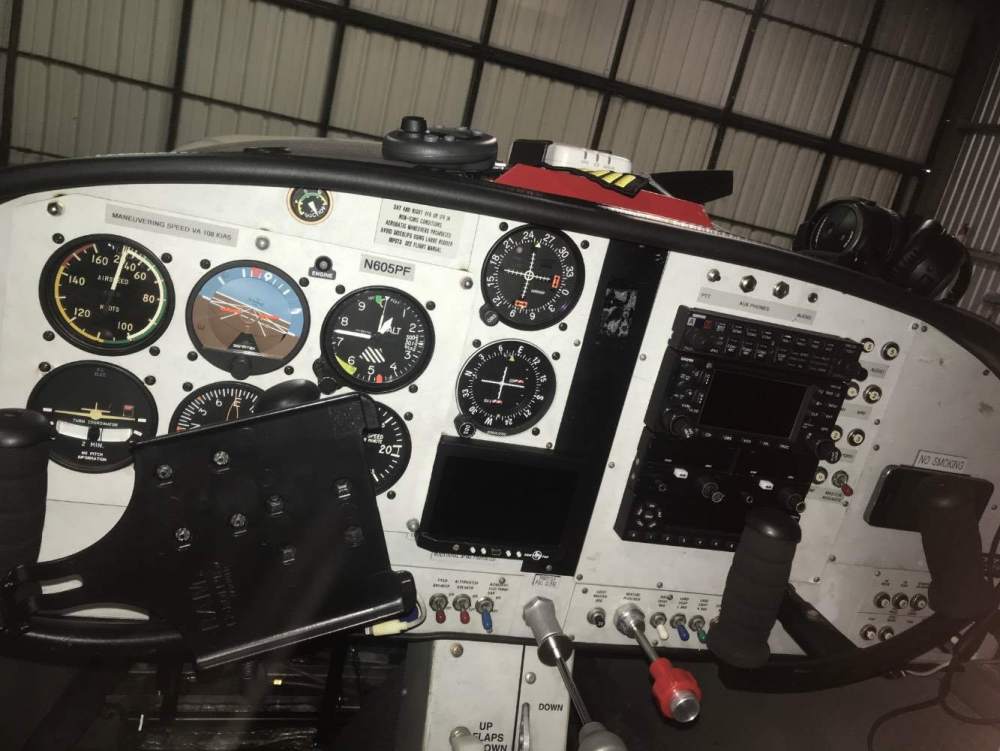
I've had several people here ask about our CH2000, usually something like "what the heck is a CH2000", and one person thought other folks would be interested and recommended I post the info. So here it is. The CH2000 was derived from the Zenith CH640 homebuilt and was produced by Aircraft Manufacturing and Development (AMD) as a normal category certified airplane for a number of years, ending around 2006 when the economy tanked. It is still supported by Zenair our of Canada. The airplane is pretty much a low wing C152 with better performance and a much bigger and better equipped cockpit with excellent visibility. It’s a decent primary and instrument trainer but it’s very sensitive in pitch trim in that small movement of the trim wheel imparts a much larger pitch trim change than a Cessna. It’s fine once a new pilot gets used to it. Pretty low wing loading so it does require full time attention. Ours is the Alarus configuration and is equipped for instrument training. No autopilot and not a good hands-off flyer so using it for instrument training encourages a good instrument crosscheck and excellent preflight preparation/cockpit organization to minimize heads down time. It has well-behaved stall characteristics with the fat wing. Vs is 48KIAS and Vso is 30KIAS with full flaps, but I typically use half flaps and 40KIAS. The split flaps are more effectively drag devices than lift devices and I don't use more than half flaps for normal ops, but can be 2,000’ AGL on less than 1 mile final and put it on the numbers on speed with full flaps if needed. No flaps for takeoff, using flaps increases the takeoff roll. It climbs Vy of 65KIAS and ~750fpm at full gross and 1,000’DA and and cruises 90KIAS @2600RPM and 6.5gph. I plan for 105KTAS for cruise at 6,000MSL. Redline is 2800RPM. I haven’t taken anyone through primary training yet but have done quite a number of introductory flights for friends and their kids and they’ve all done well with it. I’ve used it to conduct a few flight reviews and the guys who flew it liked it too. It's a very simple and fun to fly airplane. Ours is a 2004 and was owned by a flight school most of its life so took some abuse for its first 1400 hours or so, but the airplane is still solid. I'll qualify solid a bit - it has a homebuilt feel to it. That isn't a bad thing at all, just different. It's lighter on the controls and feels more responsive than other typical trainers, and the interior appointments are very simple and basic. The engine was IRAN'd for sudden stoppage at about 1250 hours (not your typical prop strike, a student ran it into a snow bank) and the cylinders were overhauled and chromed right before we bought it. We upgraded the GNS430W and added a GTX335 and a JPI900 with all the sensors for use in teaching good engine management in primary training. We have the best instrumented O-235 around. :-) For those interested more info can be found at www.newplane.com. Cheers, Rick Original panel configuration New panel configuration with JPI EDM900 Lots of shoulder room and easy in and out with the gull wing doors Size relative to my Bravo.
-
First time I declared an emergency…
Rick Junkin replied to Candy man's topic in Mooney Safety & Accident Discussion
I agree with @toto - Good assessment of the situation, you considered the risks, had a plan to mitigate risk and deal with potential outcomes with the opportunity to complete your mission with a risk level acceptable to you. Another pilot may have done it differently as there is more than one right answer with varying risk tolerances. You executed your well considered plan to a successful outcome. Well done. The only thing I suggest is remembering to squawk 7600 in the event you do go NORDO and your telephone plan doesn't work. I had a similar situation and even with very low battery power with everything else turned off my transponder worked and alerted the tower to give me light gun signals. I'd file an ASRS/ NASA report https://asrs.arc.nasa.gov/report/caveat.html?formType=general but you don't need to file anything with the FAA unless the FAA contacts you and requests one. There are some good threads here on what happens when an emergency is declared and what paperwork it generates and for whom. The tower folks will probably be filing something as other traffic was delayed/impacted although I don't recall if that only applies if scheduled air traffic is affected. Added: I have this handheld https://www.sportys.com/pj2-handheld-com-radio.html, the PJ2 from Sporty's. Its bulkier than other radios but is inexpensive and dirt simple to operate. You plug your headset directly into it. I keep it readily accessible in the right seat back pocket. Range will be limited with a handheld but you can certainly talk to tower or broadcast on CTAF. Here's an article from AVweb you may find useful https://www.avweb.com/avionics/avionics-bootcamp-handheld-transceivers/. Cheers, Rick -
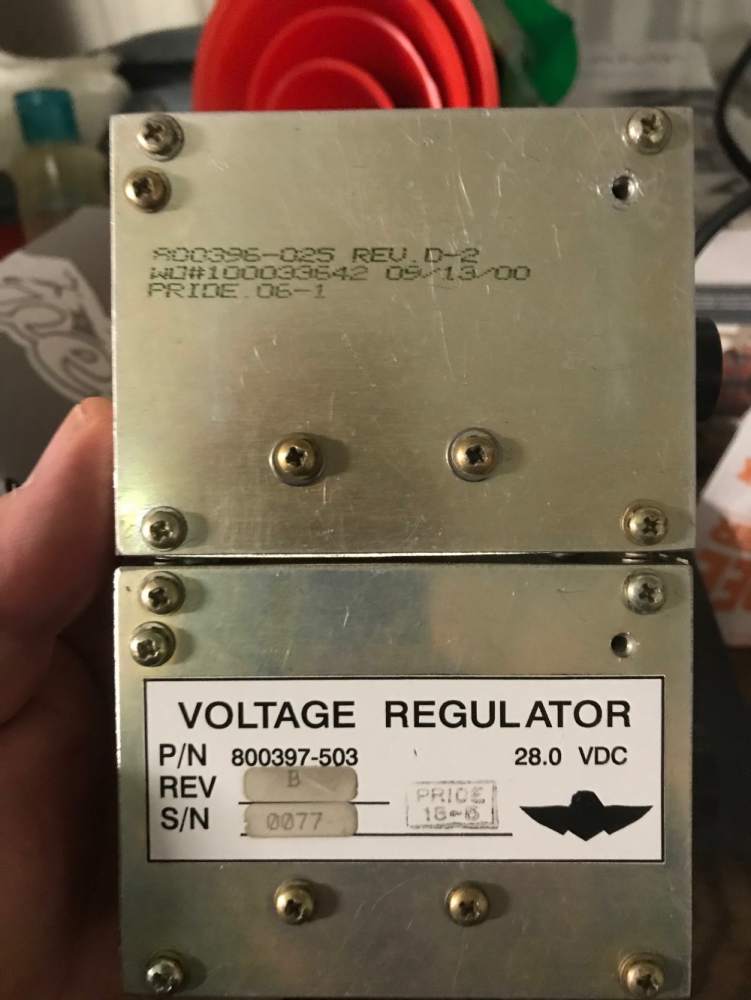
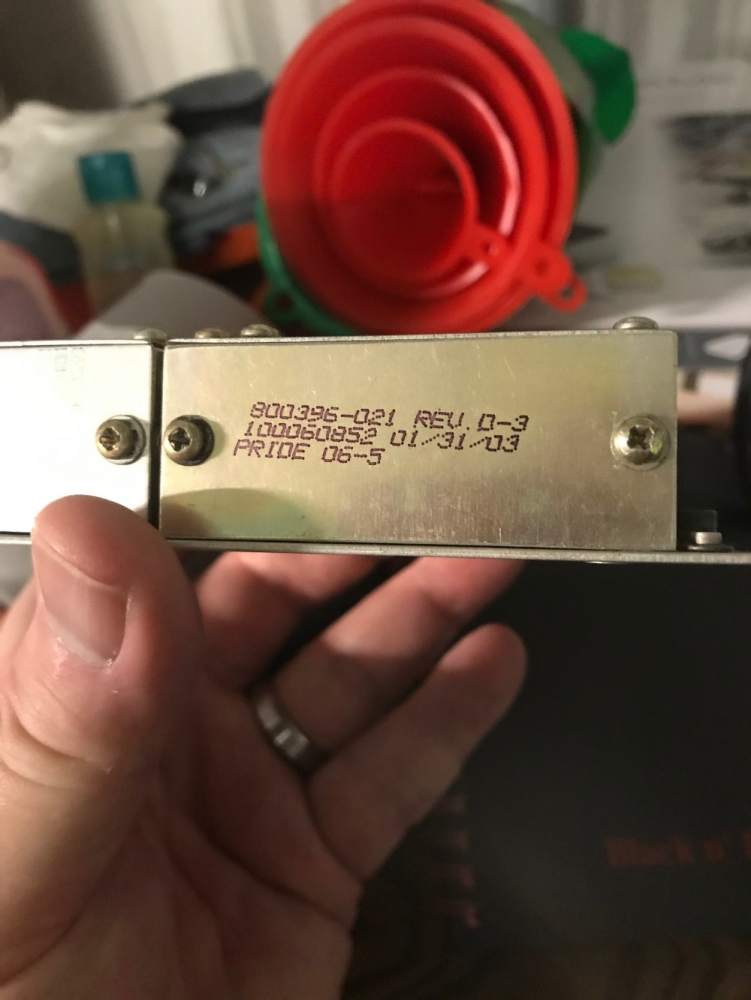
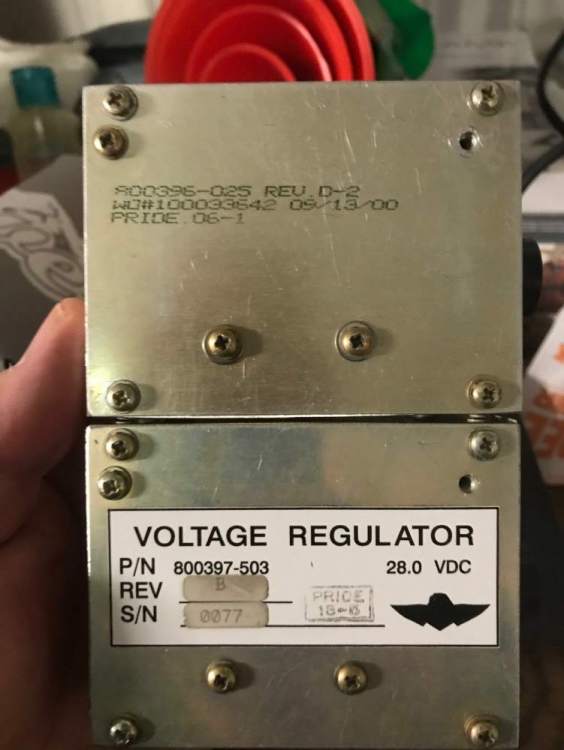
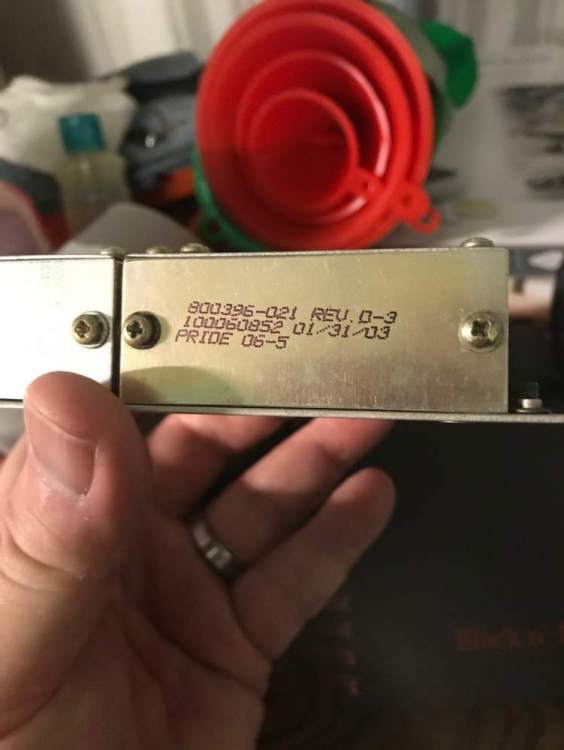
The voltage regulator in my M20M serial number #27-0019 is part number 800397-503 and is actually two regulators attached to a single mounting plate. As I recall I had to remove the individual units from the mounting plate to find the adjustment screws. Note that this particular regulator is not the one for my serial number range as called out in the parts manual. It works, and I'm not asking any more questions as the "correct" part is unobtainium. Cheers, Rick
-
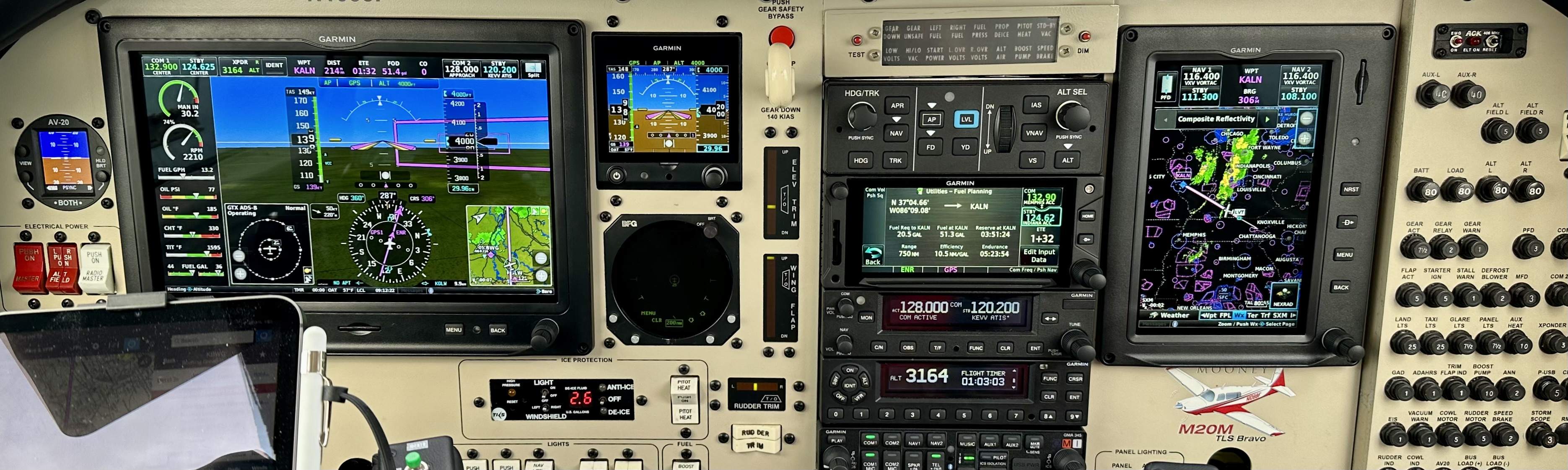
This also gives prospective Mooney owner/pilots a good gauge of M20M ownership costs. My fully encumbered hourly cost of operation based on a minimum of 120 hours per year is right at $350/hour. Add another 100hr/year and it drops to $250/hr, but of course adds an additional $25K to the annual encumbered operating costs. I'm with @carusoam, the insurance policy must be interesting/pricey. Only named insureds permitted? Cheers, Rick
-
Bottom Line Up Front (BLUF) - The Precise Flight X3 demand conserver will work with the early Scott/Avox altitude adjusting factory oxygen systems at oxygen altitudes based on inflight pressure measurements I made however Precise Flight has not tested them and therefore can’t recommend or ensure compatibility. Details: The X3 requires a minimum delivery pressure of 22PSI and a maximum of 35PSI. I measured a delivery pressure of 8.5PSI on the ground at 1,000MSL and 23.5PSI at 12,500MSL in my Bravo with the Avox regulator part number 803216-03. So the altitude compensation works, and the delivery pressure at 12.5K exceeds the minimum required. An extrapolation to 25K using the non-linear atmospheric pressure lapse rate above 10K puts the delivery pressure right at the 35PSI maximum limit at 25K. I’ll provide more info on how they perform with the altitude compensating systems once I’ve used them for a while. I’ll be flying with my current flow metered cannulas on board as a backup until then. Cheers, Rick
-
What’s your favorite online FIRC (and why)?
Rick Junkin replied to PT20J's topic in Miscellaneous Aviation Talk
I used Sporty's eFIRC last year as well. I'm not regularly engaged in active instruction and appreciated the review, along with the info on the changes that occurred over the last two years. Most I was aware of, some I was not. I'm one to read everything but not always listen to all of the audio so I was slowed up by the minimum time limits on some of the modules. I didn't mind, it encouraged me to listen to more of the case studies. I thought it was a pretty good course, in comparison to some of the annual Instrument Refresher Courses I attended over the years. I needed the review and got what I was looking for, so use that as your gauge. The course is still free, but the Airman Certification Representative (ACR) service is now $49.94. A convenience to be sure but saves me the trip to the FSDO. Cheers, Rick -
How Much Did You Fly Your Mooney This Year?
Rick Junkin replied to V1VRV2's topic in General Mooney Talk
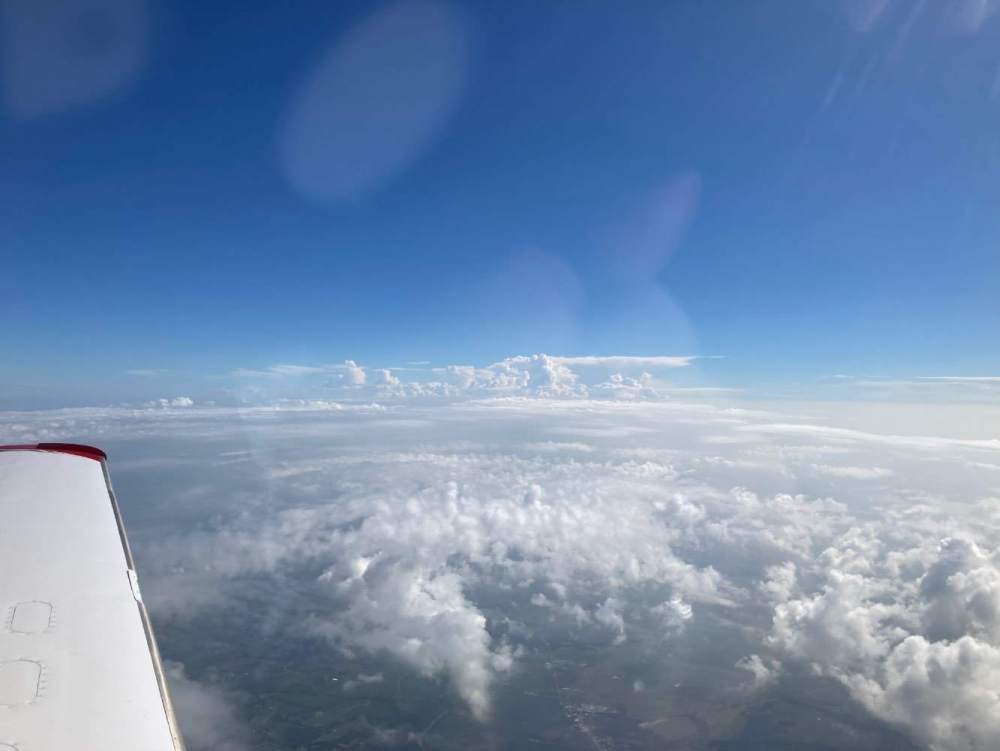
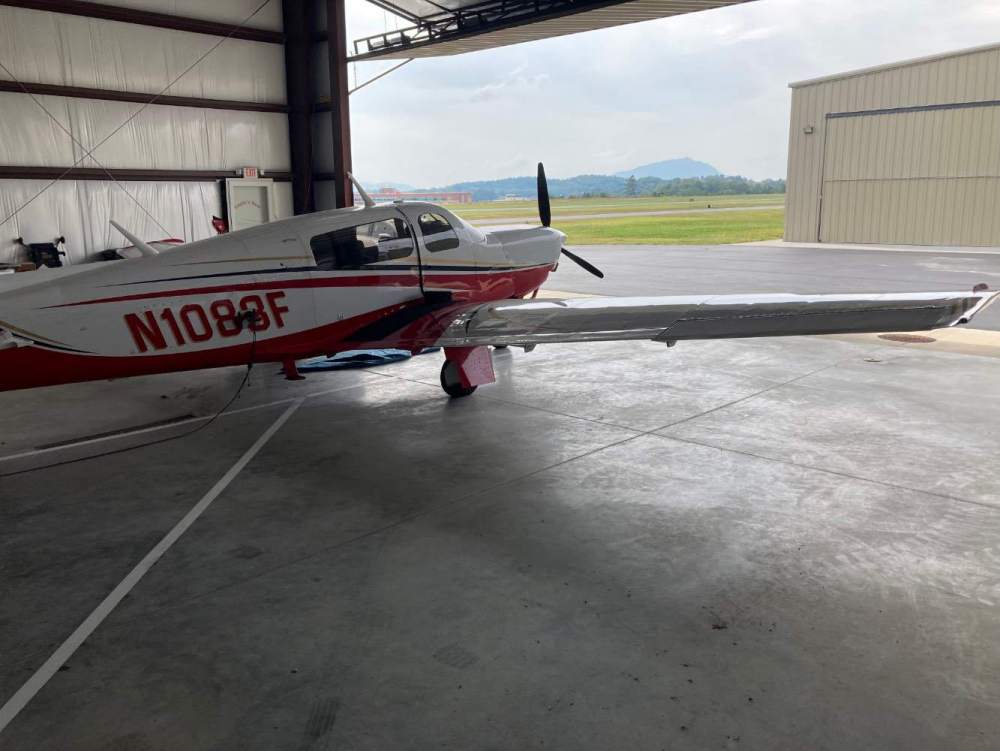
101 hours with no excuses. Loved every second! Some looked like this - Most looked more like this - All ended up safely back home, so it was a great year! Cheers, Rick
-
Thanks Paul @kortopates. What system do you have in your airplane? Ray mentioned you wouldn’t be able to test it until February, but if it’s the same or similar altitude compensating system I have then I’ll be able to give you some data in the next few days. You’re first in line for Ray’s X3s and I’m not butting in front of you if we can determine they’ll work or you. I ground tested my system today and saw a delivery pressure of 8.5 PSI at 1,000’ PA. I’ll get airborne in the next few days and take it up to altitude to see if it gets to the 20 PSI required to drive the X3. The PO2 about halves at 15,000 so if the regulator is linear in it’s compensation I would only expect 17 PSI but we’ll see what I discover. Unless of course one of our brethren (or sisteren?) here has first hand experience to share and saves me the trouble! Cheers, Rick EDIT: BTW, I’ve been using Precise Flight A5 flow meters with my system, I’m thinking the onboard altitude compensating regulator errs to the high side so it may very well provide the 20PSI somewhere in the altitude profile.
-
Is anyone using an X3, or know if it will work in a Bravo? I have a call in to Precise Flight but with the holiday I don't think I'll hear from them until next week, and I can't find the specs for my regulator online to see if it puts out the required pressure. Avox 803216-03. Thanks for any input on experience with the X3 in a Bravo. Cheers, Rick
-
@Jakes Simmons Try Tamara on her mobile. From the AGL website: You can call our office/shop @ (828) 391.8645 Lynn Mace (c): 828.216.6482 Tamara Mace (c): 828.216.5955 Cheers, Rick
-
@Jakes Simmons Hi Jakes, My Bravo is at AGL for annual right now, picking her up tomorrow. I'll give Lynn your name and see what's up. He has a presence here on Mooneyspace @AGL Aviation. I know they have had a pretty solid schedule for the last couple of years and may be having some difficulty keeping up with the volume of requests. It's a good shop and they are excellent people, hang in there another day or so. Cheers, Rick
-
Mooney down in Tampa Bay. No injuries
Rick Junkin replied to FloridaMan's topic in Mooney Safety & Accident Discussion
Here's an AOPA "There I was..." podcast interview with the pilot, Lynn McNorton, and Ganesha Duffy that gives the first person story. Some good lessons (re)learned and a great story of keeping your cool and executing in a stress environment. It's Episode #42. https://www.aopa.org/news-and-media/podcasts/podcasts/there-i-was?utm_source=epilot&utm_medium=email&utm_campaign=asi+products Cheers, Rick