
bfreelove
-
Posts
70 -
Joined
-
Last visited
Content Type
Profiles
Forums
Blogs
Gallery
Downloads
Events
Store
Everything posted by bfreelove
-

Bendix Magneto parts and overhaul manual
bfreelove replied to M20F-1968's topic in Vintage Mooneys (pre-J models)
http://www.nctc.tk/Slick%20mags/X42002-1.pdf -
Interesting, maybe first signs of a valve issue?, but seems strange that there's no roughness given the amount of change in EGT. Good luck with the engine shop, I hope it's something easy and inexpensive. Either way good job catching it before it was a safety issue!
-
Hmmm. That's a bit of a head scratcher. I was really hoping it was just the baffles. Was there any engine roughness with the drop in EGT?
-
In that case the spike is either from the lower baffle suddenly shifting (it’s definitely not stable right now, both sides need to be held really tight) or the probe is going bad (I know you swapped to check but could be two issues at once). I can’t think of any internal issue with the cylinder that would cause a sudden increase in CHT without a corresponding change in EGT.
-
On the Saavy data I only see CHT and EGT. Was there any change in flight profile that corresponded with the temp spike? Change in MAP or RPM?
-
That’s definitely the problem. If that’s loose, the lower opening for 3 becomes too large, not keeping the air in contact with the the fins, also number one becomes too large allowing too much air to pass through there (taking some flow from number 3). You can see by the large amount of lower baffle wrap on cylinder one that there is a lot more pressure available for that location and the design is an attempt to throttle the flow for that cylinder. If the baffles are miss adjusted there it will cause a large imbalance. I also notice the inner lower baffle tie spring is also missing.
-
This looks like just an airflow issue to me. One key clue is that the CHT on 3 rises when the MAP is reduced (assuming the airplane is slowing down at this point). There are 2 critical areas to look at closely in my experience. First the rear fins along the back baffle. There is almost no fin depth there and if the baffle is too tight it cause a very high local pressure drop and reduces the flow considerably, right in the spot where it is most needed. This is a common issue with Lycoming cylinder's 2 (front) and 3 (back). Here's a good discussion about it and fixes from the Vans crowd: http://www.vansairforce.com/community/showthread.php?t=37835 The next place to check is the lower inter-cylinder baffles, and rear cylinder "wrap". The size of the lower opening formed by these two components can make a big difference, and there is a sweet spot. Too large and it won't pull enough air around the head and cool the bottom (where the probe is), too small and it will cause too much pressure drop on that cylinder and not get enough flow compared to the others. Check to make sure it looks even with the others. There's a formula based on average cylinder head fin depth that gives you the proper size for the opening. I think it's something 1.25 inches for a Lycoming head, but would have to look it up again to verify. The factory inter-cylinder baffles match this opening exactly if evenly spaced on a 6 cylinder. The front and rear wraps are always up to the manufacturer so sometimes you'll see issues there (this is one half of the classic issue for cylinder no.5 on the Ovation) Also check very carefully for any gaps, leaks etc. It's amazing how these can add up. I spent a few days tweaking the baffles on my Mooney when I got it and lowered the CHTs by 30 degrees F on average. The balance also got better as the leaks went away.
-
It's really easy, just let NorCal know you want the Bay Tour, they'll give you a simple instruction: Stay North and West of the Bay Bridge, usually below 2000 ft, clear of the Bravo. From there you can go wherever you want, over the city, Golden Gate, Alcatraz etc. You can also do it without talking with anyone and just stay out of the airspace, but it's good to have flight following for this IMHO. NorCal is super friendly in my experience and will let you know if you're about to go anywhere they don't want you to be. When you're done just let them know you're leaving and where you're headed to (if you want flight following).
-
Has anyone looked at Earth X batteries?
bfreelove replied to Austintatious's topic in General Mooney Talk
I have some experience with the Earth X batteries. We ran one for a year in our race airplane (after previously using some other more scary lithium batteries). They are fairly light, and has a nice onboard BMS that seems to do a pretty good job although I'm not sure how well it charges using just the aircraft alternator. We would occasionally get charging error indications, which was less than comfortable to see on cross countries (the battery was mounted in the cockpit by your feet). We would mostly need to ground charge it using a lithium specific charger. Admittedly it had a hard life with us, lots of repeated hot starts with short flight duration, high G, high vibration and heat. Also you're not supposed to jump start them. After our team mechanic filmed a failure of a LiFe battery from another project he was on (it had been dead shorted and pumped out toxic white smoke for about 20 mins), the race series banned all Lithium batteries. I think overall they are quite good and probably safe, but I don't think I would want one in my Mooney. -
High CHT, 470 degrees +.
bfreelove replied to ragedracer1977's topic in Vintage Mooneys (pre-J models)
I noticed in one of the photos you posted the rear lower cylinder baffles appears to have a small gap between the baffle "wrap" and the cylinder fins. In my experience this area can be sensitive to small adjustments. The baffle there needs to stay tight to keep force all of the cooling air to stay in contact with the fins. Especially on the exhaust side. Beyond that, try to find every single leak and fill it with RTV etc. It doesn't take very many small leaks to lower the overall cooling efficiency. Also you can measure the lower baffle openings (front to back) to make sure that the middle inter cylinder baffle is evenly spaced between the two. The size of the opening is critical to good cooling.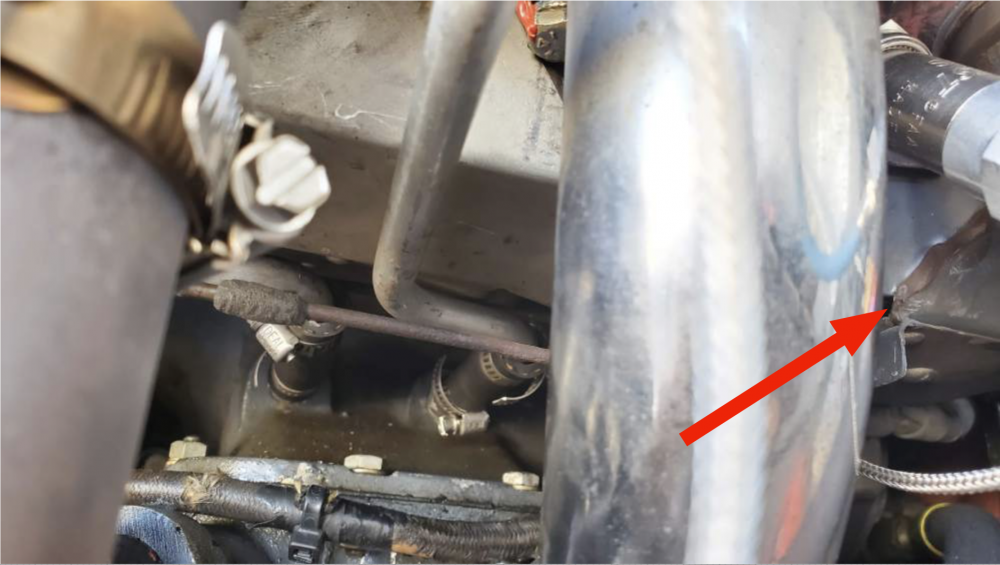
-
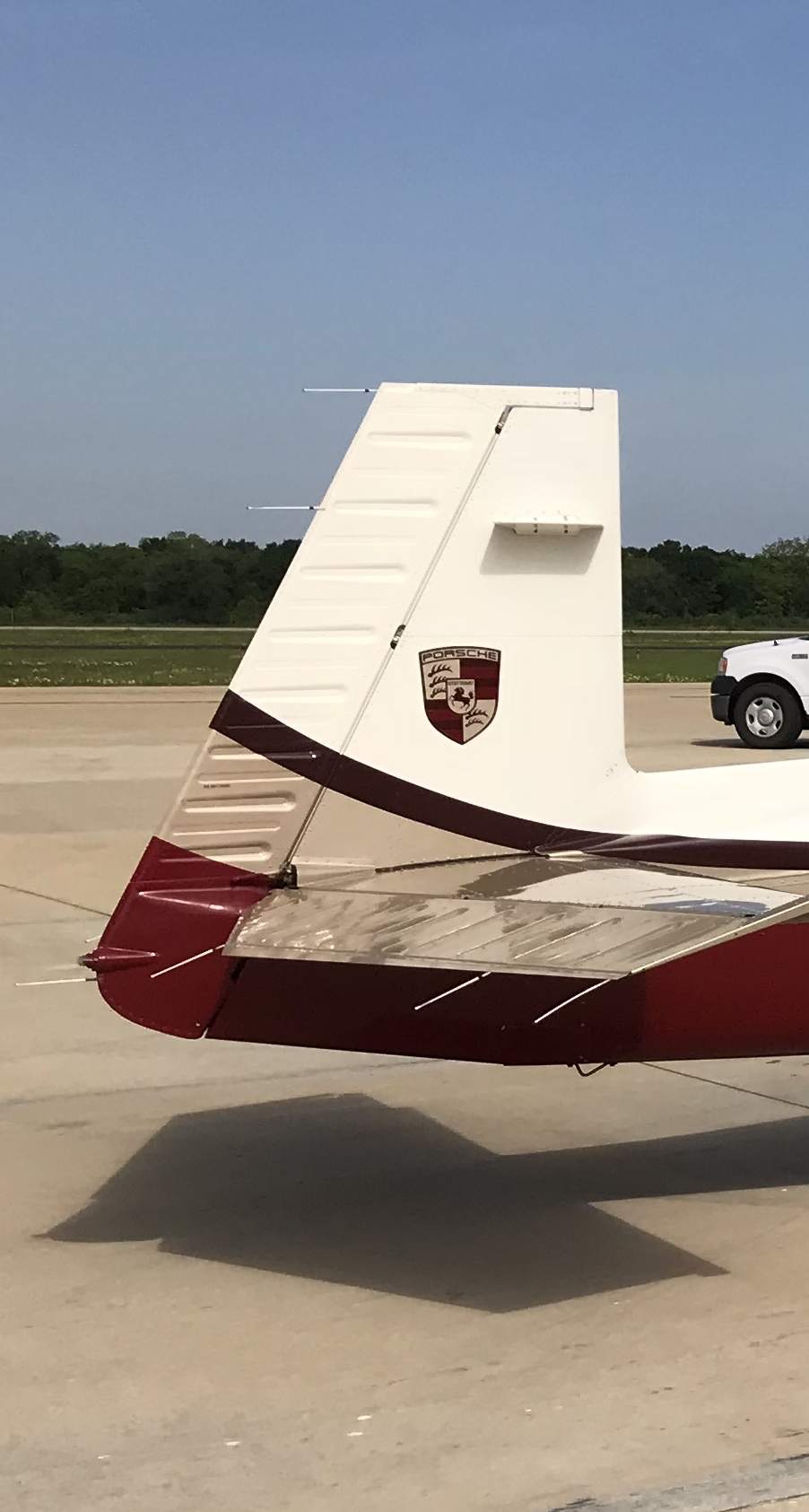
Tail Art Thread (Mooney Aircraft only please)
bfreelove replied to 0TreeLemur's topic in General Mooney Talk

-
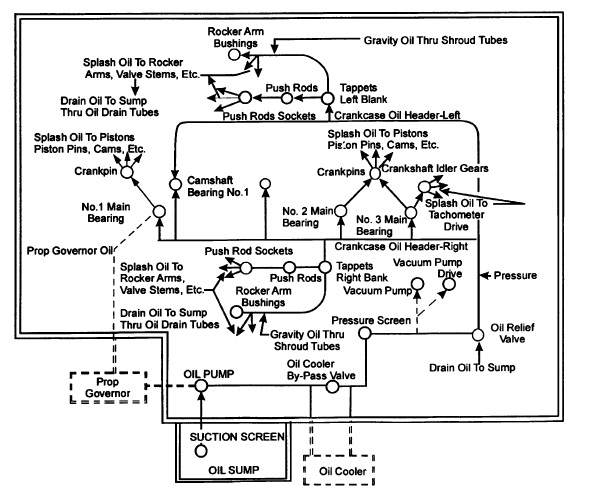
Here's a schematic. It should apply to most Lycoming Engines but check the appropriate Operating and Installation Manual for your engine. They can be found on the Lycoming website.
-
Hi Matt! The Ovation exhaust on the IO-550 is better tuned then the SR22, and faster always sounds better..... -ben
-
I have a converted M20L and the FAA registration still shows the original engine on mine. N78MP is one of the handful that had been converted. The IO-550 does sound nice though!
-
Mooney handling characteristics/flight near Napa CA
bfreelove replied to eskalada's topic in General Mooney Talk
I'm based at Sonoma Sky Park if you're interested in having a look at / flight in mine, just send a PM. -
Engine cutting in and out multiple times at altitude in 231
bfreelove replied to warrennn's topic in Modern Mooney Discussion
I haven't read all the responses so this may have been mentioned, but from the description I would look closely at the fuel tank vents. Could have a partial blockage, or a vent was frozen over from residual moisture. The periodic power loss can be from the tank pressure equalizing. It would be more susceptible to symptoms of a partial blockage at altitude. -
The removal tool is the AET20026. http://hyfast.com/aet20026-cutter-rosan-stud/
-
Photo Gallery of Everyone’s Panels and Paint Schemes?
bfreelove replied to jerrodmonaghan's topic in General Mooney Talk
PM sent -
Photo Gallery of Everyone’s Panels and Paint Schemes?
bfreelove replied to jerrodmonaghan's topic in General Mooney Talk
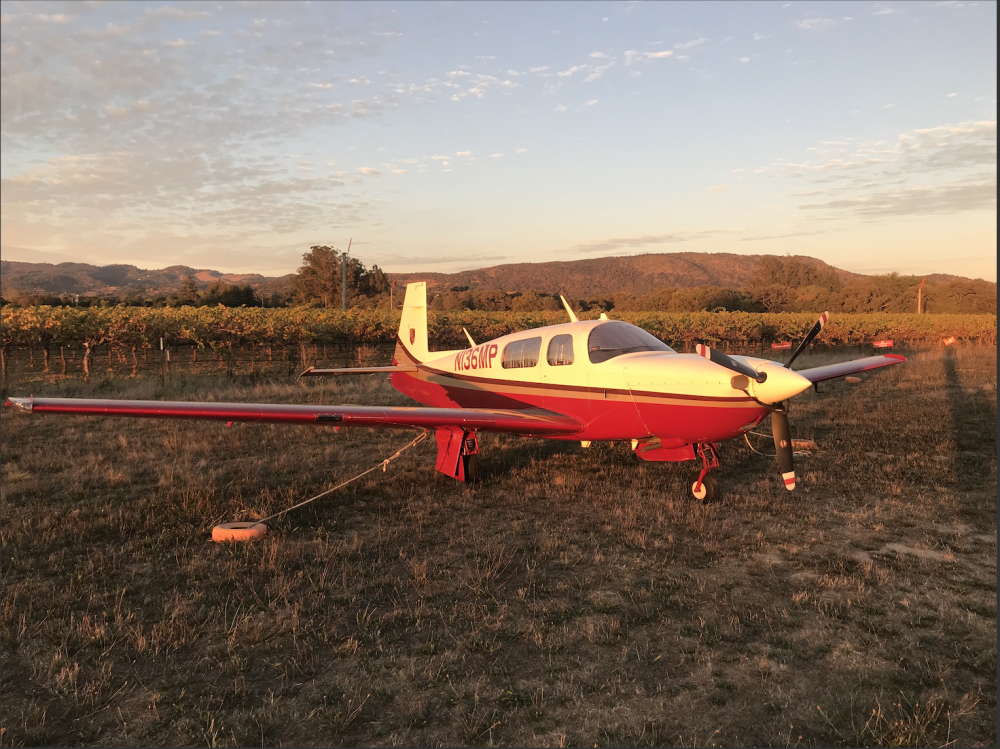
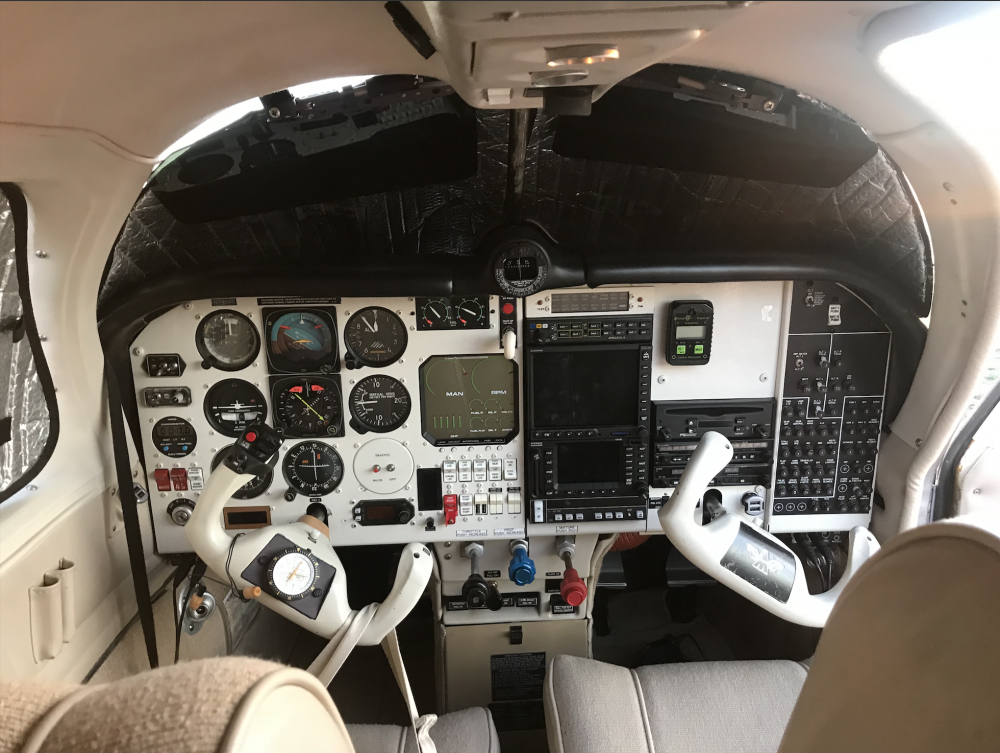
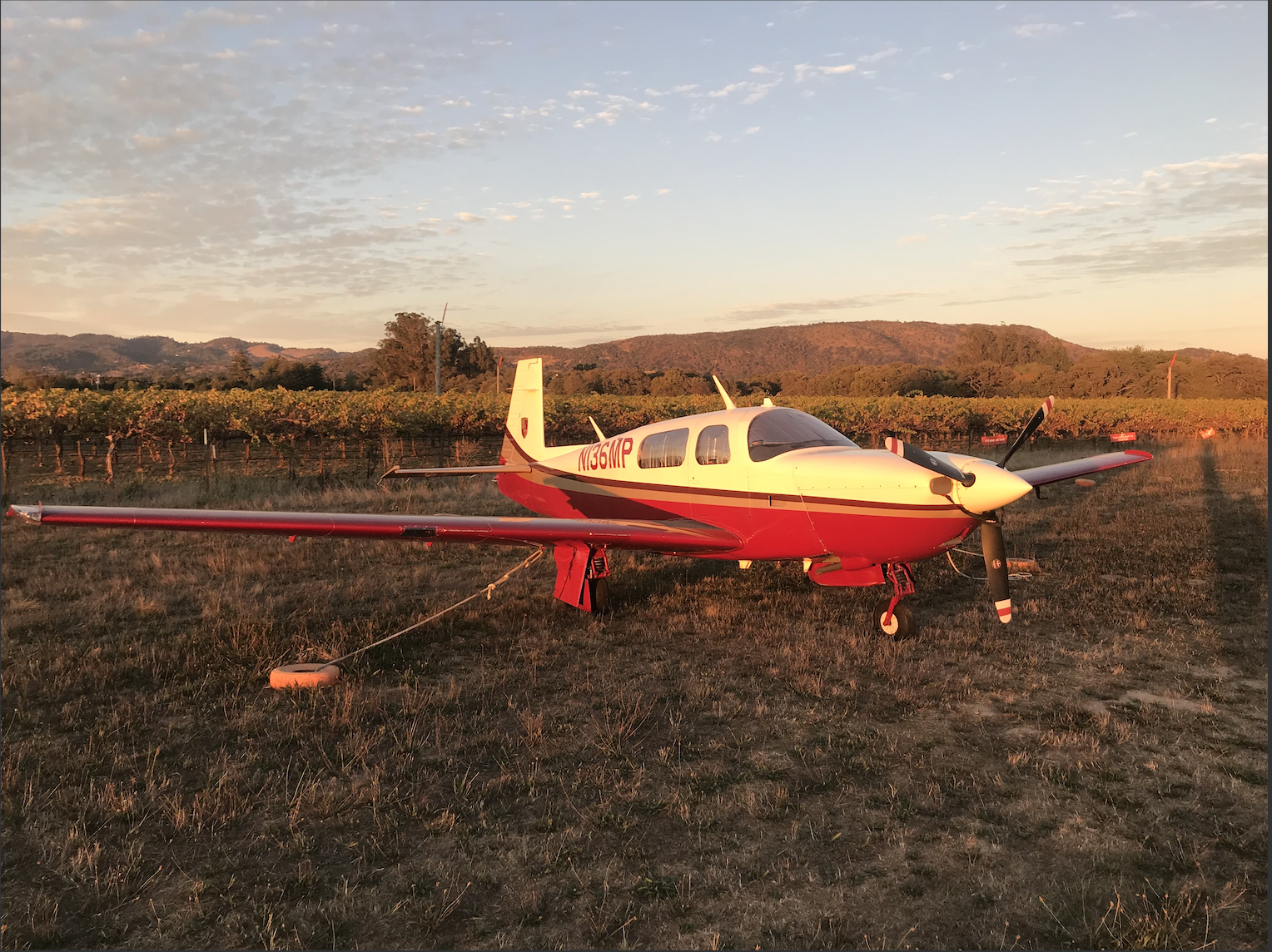
Here's my M20L...