Bartman
-
Posts
1,183 -
Joined
-
Last visited
-
Days Won
2
Content Type
Profiles
Forums
Blogs
Gallery
Downloads
Events
Store
Everything posted by Bartman
-
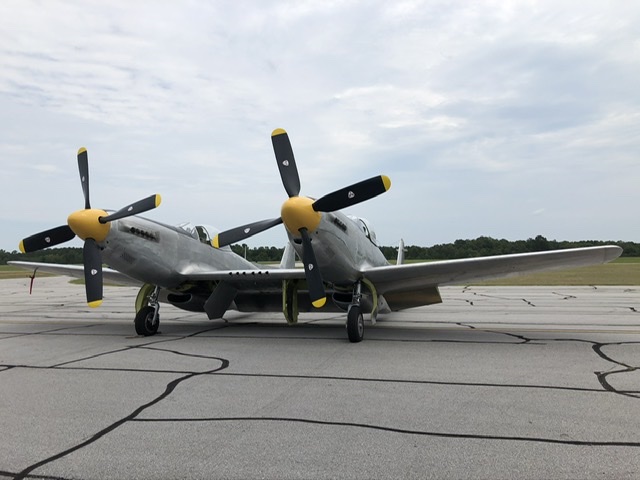
Last year we flew to KDTS for a long weekend and stopped at KCTJ on the way back for a fuel stop. She was returning from Osh and we just got lucky. While we were there this aircraft happened to be there and we obviously stayed around for a good look. We were treated to a takeoff and I think she ended up at Space Coast Regional as the destination.
-

Screw rubbing on elevator push/pull tube
Bartman replied to dzeleski's topic in Modern Mooney Discussion
That happened to me many years ago. No telling how long it had been that way or when it was done because I had not had the plane very long. We had to replace the tube. -
The one with the spring came off the engine and looks like owner produced part. I produced my own made of leftover spring steel wire used on my overhead vent.

-
I had this after installing a complete set of new fuel hoses. The debris from either one of the new hoses itself or contamination on installation clogged the flow divider and was showering debris to multiple injectors too. I had multiple injectors with obvious debris and could not see thru them, but after cleaning them only to become clogged again. I ended up sending the flow divider off for service and the shop noted debris. No more problems after cleaning the flow divider.
-
413HM gets a much needed face lift
Bartman replied to bob865's topic in Vintage Mooneys (pre-J models)
Bob, to say I enjoyed this thread is an understatement. I lived your pain earlier this year with the engine, but did not tackle the other items you chose to address. You are right in that Mooneyspace is very powerful and this community helped me sooooo much both in research and reading about my issues, and also with helpful comments when I needed a little help or encouragement. Can’t wait to see the finished product ! -
I think I might have one that came off my engine. The old ones looked like owner fabricated, but similar to the picture above. I fabricated new ones from the leftover spring steel wire I got from McMaster that I used on my overhead vent. If I can find it I’ll take a picture beside a tape measure. Can’t do till Sunday.
-
I found the cause of my low CHT on Cyl #1 and it was my own fault and when I discovered it I felt like a dumbass. When I was cleaning up the hangar I had a bunch of cardboard boxes to dispose of and under the flap on the bottom of the box that my baffles were in I found it. There it was, a small rectangular piece of baffle under that cardboard flap that goes in front of Cyl #1. After installing it I flew full power for another hour, and another hour alternating 65-75 while LOP. Now all 4 Cylinders are normal and I have used zero oil in the past 3.5 hours. My GAMI spread was 0.5 initially and after switching #1 and #3 the richest and leanest I am now 0.1 GAMI spread today. Magneto check at 50deg LOP was good and I am very happy !
-
If your cowl is like mine it needs some work and may be a factor. Mine has the stress cracks on the top and I can see it expands when at cruise speed, but not much. I bought some carbon fiber and have been rounding up other supplies like the vacuum system, and this winter I plan on redoing the old improperly done reinforcements that are peeling and cracking on the bottom of the upper cowl. There is a very well written and detailed thread by @jetdriven from a few years ago that I am using as my guide. +1 on the new baffle seals by @GEE-BEE, this will fix your problem 100%
-
can I move my transponder to the center stack?
Bartman replied to rbridges's topic in Avionics/Panel Discussion
I pulled my 430W and slid in the Avidyne 440 with the matching AXP322 remote transponder. I have never had second of trouble from that setup. -
Looks great !!! Working on the interior is slow, hot and sweaty and I remember doing it two years ago in July.
-
I was thinking the same thing with the Oil Temp above most likely. My #4 EGT probe did not survive and the ship CHT is on #3 with the piggyback not the spark plug sensor. Might be time for the JPI EDM 900
-
The only concern I have is the oil temperature. Before the rebuild it ran right in the middle of the gauge in cruise power, but now only about 1/3 the way into the green as seen in the attached picture. I know the sensor and indicator are 43 years old and have not checked with a known accurate gauge.

-
On 7/15/2020 I went for my first flight, and although my maintainer who did the engine rebuild and my inspections wanted to fly with me but I said no due to COVID, not so much due to fear for myself but more to protect him and really both of us. Having done the installation myself and also having supreme confidence in the rebuilder I had no anxiety and after a short run-up and seeing the oil temp gauge start to move I took off. Temps were nearly 375 by the time I leveled at 1500 AGL, but within 15 minutes they were down to 332 and 331 for the hottest cylinders 3 and 4 but #1 was only about 295, all with flaps open. I leaned and #2, #3 and #4 came up as expected, but on #1 the best I could get was 330 while the others were 360-370 all at 75% power settings. The second hour i alternated 65-75% every couple of laps at different RPM and MAP settings and even closing the cowl flaps Temps were great but #1 could only get 330. On the ground the oil screen had a few tiny bits of gasket material but no metal. There was a small oil leak just a couple of ounces and just enough to make a little mess from the oil filter gasket and I attribute that to putting it on hand tight to keep things clean and taking it off several times during my installation, and in retrospect maybe I should have tossed that one and used a new filter. Maybe the gasket has a piece of debris or got some oil on it and it is supposed to be tightened dry. Anyway the Tempest oil filter had nothing on the magnet and only some shiny metal dust deep in the valleys of the filter material. The second flight I ran at 75 to nearly 85% first hour with flaps closed and got the same temperatures, then alternating 65-75% the second hour. Today the third flight was again at high power and in the 4.1 hours after the first oil change I used about 3/4 to a full quart. All said and done I am very happy and have a grin on my face for the past 4 days that won’t go away.
-
On 1/30/2020 at 1950 SMOH we made a decision to remove the cylinders and rebuild them and keep on flying. This was based on excellent compressions and nothing coming our of the crankcase vent tube, and had there been no oil leak I would have kept on flying and otherwise confident with the engine. One of the thru-studs on the #1 cylinder was leaking and I just couldn’t stand it anymore. Everything looked great after removing #1, #2 and #3 but when we removed #4 we found a worn cam lobe and beat up lifter. I’m no expert, but the lifter looks like it was beating the camshaft lobe and I think I had a sticking valve. We decided to do a field overhaul and use DLC coated lifters with a new camshaft. After disassembly and decision making we sent the usual components to the specialty shops, and shortly after that COVID-19 hit around March 12th, and progress ground to a crawl. The A3B6D case had fretting and we were skeptical whether it would pass, but that was nothing compared to the cracks they found and was deemed not serviceable. I considered a new case and roller tappers, but that is not cheap and if you are going to do that it would have been better to send if to the factory and hope they would exchange it and go A3B6. We located a serviceable case and proceeded with the rebuild, but with COVID-19 we were moving at a snails pace in March and April and even into May but then things improved. My A&P-IA finished the engine and I took delivery on May 25th. I personally did the complete engine installation by myself with regular inspections of my work. Only needed help with 3 things including torque the mounting bolts to the frame and to the firewall, installation and safety tie the propeller, and although I was close using the timing marks but I needed help with fine tune timing of the Single-Dual magneto. I only work every other week and this gave me a lot of time to work, but still there were delays like hoses and oil return tubes, and then of course the fuel hoses and contamination in the flow divider as documented in another thread. I kept a running list of things that needed to be tightened, completed, checked and torqued and used a roll of painters tape with notes for myself and the IA so we remained on the same page. We used all new hardware, and I jokingly think I changed the weight and balance with all of the new Adel clamps and fasteners. I kept telling myself vibration is the enemy and everything is very secure.

-
Everything is special and must be monitored on the first flight Seriously though the first flight went well and using NASA terminology all parameters were nominal. I’ll start a new thread and describe my experiences soon.
-
Propeller RPM control issues
Bartman replied to Flybeech21's topic in Vintage Mooneys (pre-J models)
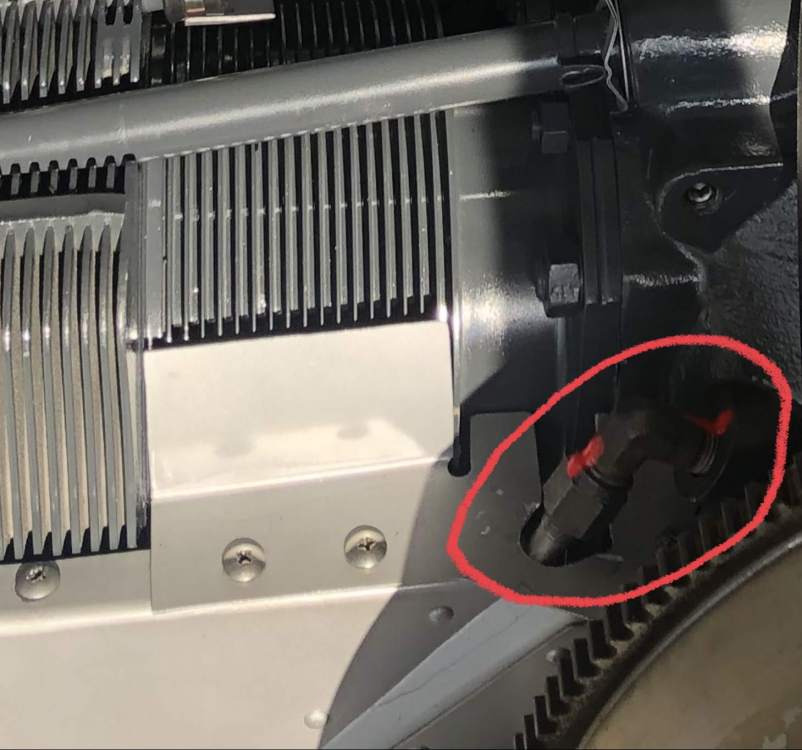
I’m sure I’m missing something here, but why does your photo look different than mine? Is that a test fitting?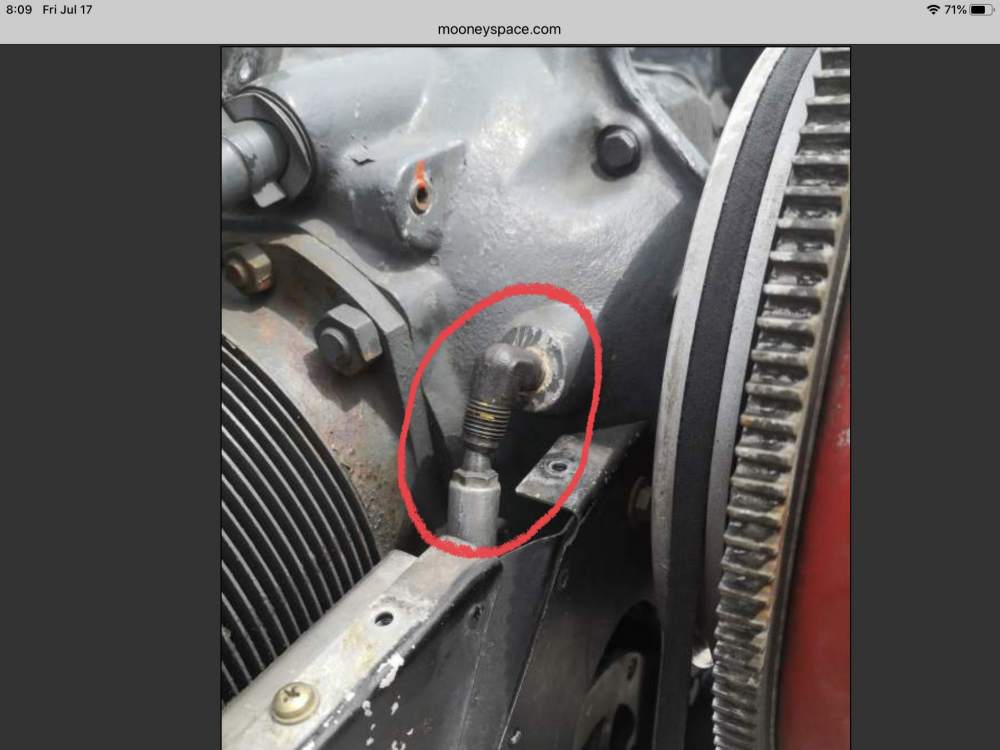
-
Flow divider was serviced and found bits of hose contamination. This is the flow test after service and install. She runs great now, no leaks, prop cycles, and Both CHT and EGT temps look good on two short run ups. One final inspection in the morning and she goes for maiden flight when it’s cool and smooth.

-
PM sent
-
Inspection panel come loose during flight?
Bartman replied to SantosDumont's topic in General Mooney Talk
During my ongoing engine rebuild-installation-annual inspection I removed all of the wing panels. Most don’t have to be removed because there is nothing to inspect, but I did it to replace all of the 40+ year old screws. I put most of the panels back on, but left a couple of important ones open each side for my maintainer to inspect. That was months ago and when it came time to start the engine I was going thru my checklist of things that must be completed before first flight. I had made a note of this and dozens of other things so I caught it by my meticulous notes and checklist, not because I remembered to do it. This is an ongoing process and I still have many items to check off the list before first flight, but I could have easily missed it. -
Yaw, Over the past couple of weeks I read your thread several times, and a couple of others on the same topic. I found your info and that of the thread started by @Yetti from a 2015 thread very valuable. The comments and help from MS posters are very powerful and point me in the right direction every time. I don’t have a lot of first-hand knowledge, but I usually follow up with a thread on my experiences with a recap and it sometimes ties a couple of threads together like this one. I’ll post my final result and experiences of my engine removal, rebuild and installation when we wrap it up.
-
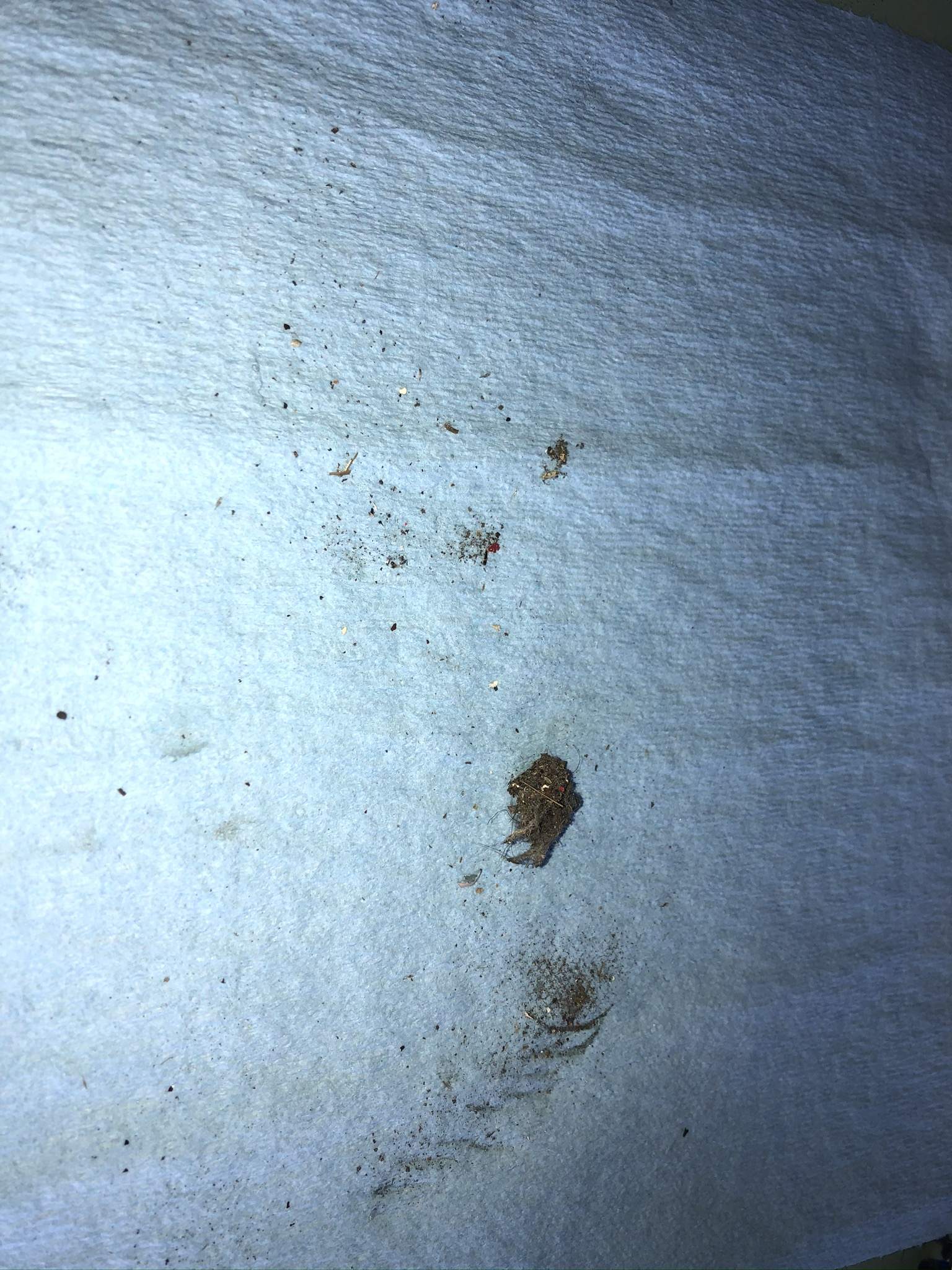
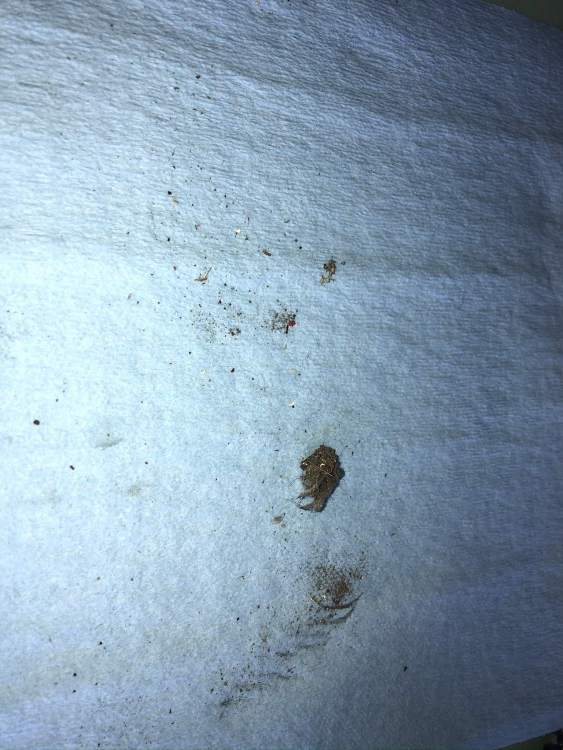
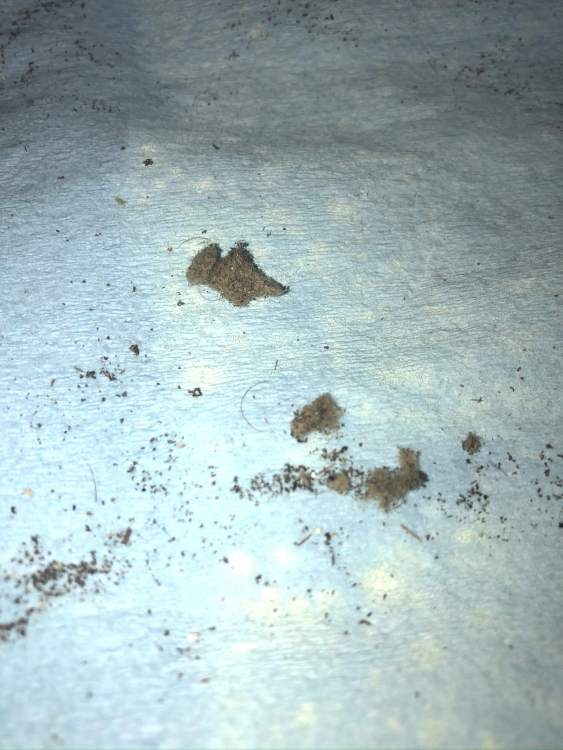
Two more data points. I know cleaning these two screens dis not fix or cause my issue, but for anyone who reads this thread in the future make sure you clean the two metal mesh fuel finger screens. The first picture is debris from the screen immediately downstream of my Dukes electric fuel pump and it filters from outside to inside thru the metal mesh. After reading and researching Mooneyspace I understand that one is only found on some E, F, and J models and was installed later by AD due to failure mode of the Dukes pump. The second picture is debris inside the servo screen at the main hose from the mechanical pump where it connects to the inlet at the fuel servo with the screen behind that fitting. That screen filters from inside out and looks pristine when you first take it out, but the surprise on the inside requires a lot of banging on the table and agitation in a bucket of 100LL. Both screens had similar material and only a trivial amount is picked up by a magnet. I figure it’s debris from the tank sealant, hoses, and even plant material pollen and stuff like that and even a few animal hairs and bits of feathers from opening the fuel caps. Also looks like bits of rag and fibers that may be from wiping the fuel nozzle that gets snagged and the comes off when you fill the tank. We are all careful opening the fuel caps, but debris enters the tank every time we open it.
-
Very sad, but I treat cancer patients and nobody wants to see anyone suffer. I have followed this board since 2007 and Bob was always a positive influence and helpful to those who passed by our community. I’ve been in the process of rebuilding my engine and installation and planned on taking her to AGL and have them service the landing gear this fall. Wanted to meet Bob while I was there, but it just goes to show we have no promises of tomorrow and Bob could have easily outlasted me under different circumstances. I don’t mourn like I used to when I was younger, even when my dad died just before the world fell apart. Now I celebrate and remember the good. Bob will be missed.
-
The divider and servo were sent off during engine rebuild. We rebuilt in the field and I’m confident about the engine rebuild itself. My maintainer has an excellent reputation for engine work and has a shop devoted just for that for high-performance engines. Anyway, the fuel divider and servo were sent off a couple of months ago and it ran great last week then we discovered the hose leak and replaced all of them. I figure there’s some contamination, probably from the old hose showering debris, But new hoses possibility as well.
-
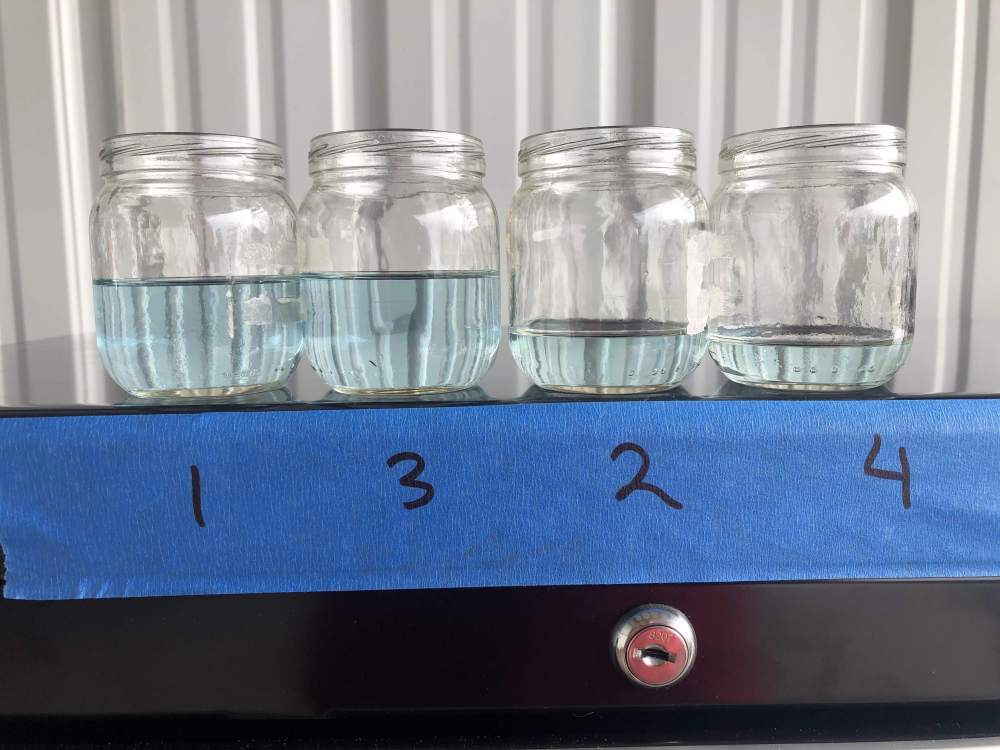
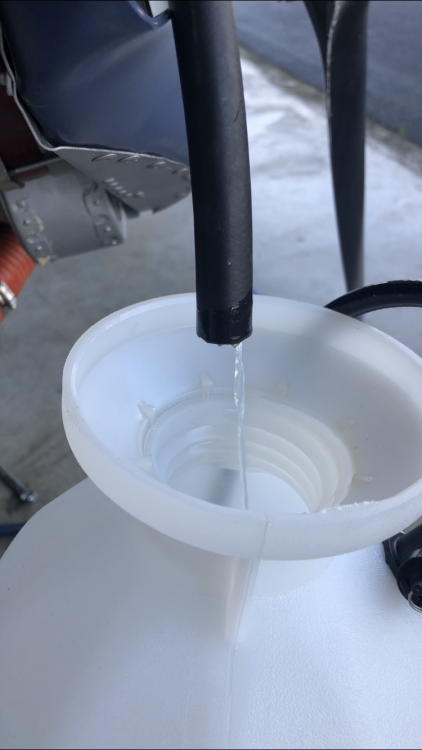
My question is should I send the fuel servo back? I ran the Dukes electric boost pump for 4 minutes and collected about 1 quart of fuel, but I didn’t want to abuse it any longer. Both finger screens at the Dukes pump and at the Servo inlet are clean I got excellent flow from the hose going from the mechanical pump with it disconnected. About a gallon in only a few seconds with main hose disconnected from the fuel servo. With the flow divider removed I rigged up a hose and checked fuel flow to the divider. This is full throttle, mixture rich, and boost pump on.
-
After installation of my engine she ran great on ground run for about 3 minutes, but one of the fuel hoses to the gauge on the right firewall was leaking so we replaced all of them. Should have done it in the first place but they looked good and all but one was fairly new anyway. After replacing all fuel hoses the run up was very rough and #4 was basically cold. All 4 injectors were cleaned before engine installation, but after installation of new hoses all 4 of them had crud in them. Cleaning twice didn’t solve the problem so I did the flow test. This is what I got with flow test and I repeated it several times both with and without injectors and also did throttle at idle and full throttle and got the same relative distributions, except that it changed to just a trickle on #4 the last time I did it. We removed the flow divider and sent it back to the specialty shop. The same shop flow tested a couple of months ago and said the servo was dead on specs and all ADs complied with so I chose not to rebuild it.