BDPetersen
-
Posts
637 -
Joined
-
Last visited
-
Days Won
2
Content Type
Profiles
Forums
Blogs
Gallery
Downloads
Events
Store
Everything posted by BDPetersen
-

Crazy or stupid? Oil leak revealed
BDPetersen replied to BDPetersen's topic in Vintage Mooneys (pre-J models)
Pull sump and inspect. That’s my plan. Oil filter was as clean as any I’ve seen. Now if those hangar elves would just show up. Of course now that the engine is off come the list of “might as well’s”. New Lord mounts? Have engine mount bulletins complied with? Muffler? -
Crazy or stupid? Oil leak revealed
BDPetersen replied to BDPetersen's topic in Vintage Mooneys (pre-J models)
At my age forever is not that long. LOL -
Crazy or stupid? Oil leak revealed
BDPetersen replied to BDPetersen's topic in Vintage Mooneys (pre-J models)
Thanks. Certainly a simpler, less expensive way to go. But worry having gone this far it might be a band aid on a 2300 hour engine. I’ll probably throw an oil analysis and filter inspection into the decision. -
Crazy or stupid? Oil leak revealed
BDPetersen replied to BDPetersen's topic in Vintage Mooneys (pre-J models)
A great scenario save the fact that the engine removal is an unpleasant task I really don’t want to repeat. But I’m considering that course of action. Thanks -
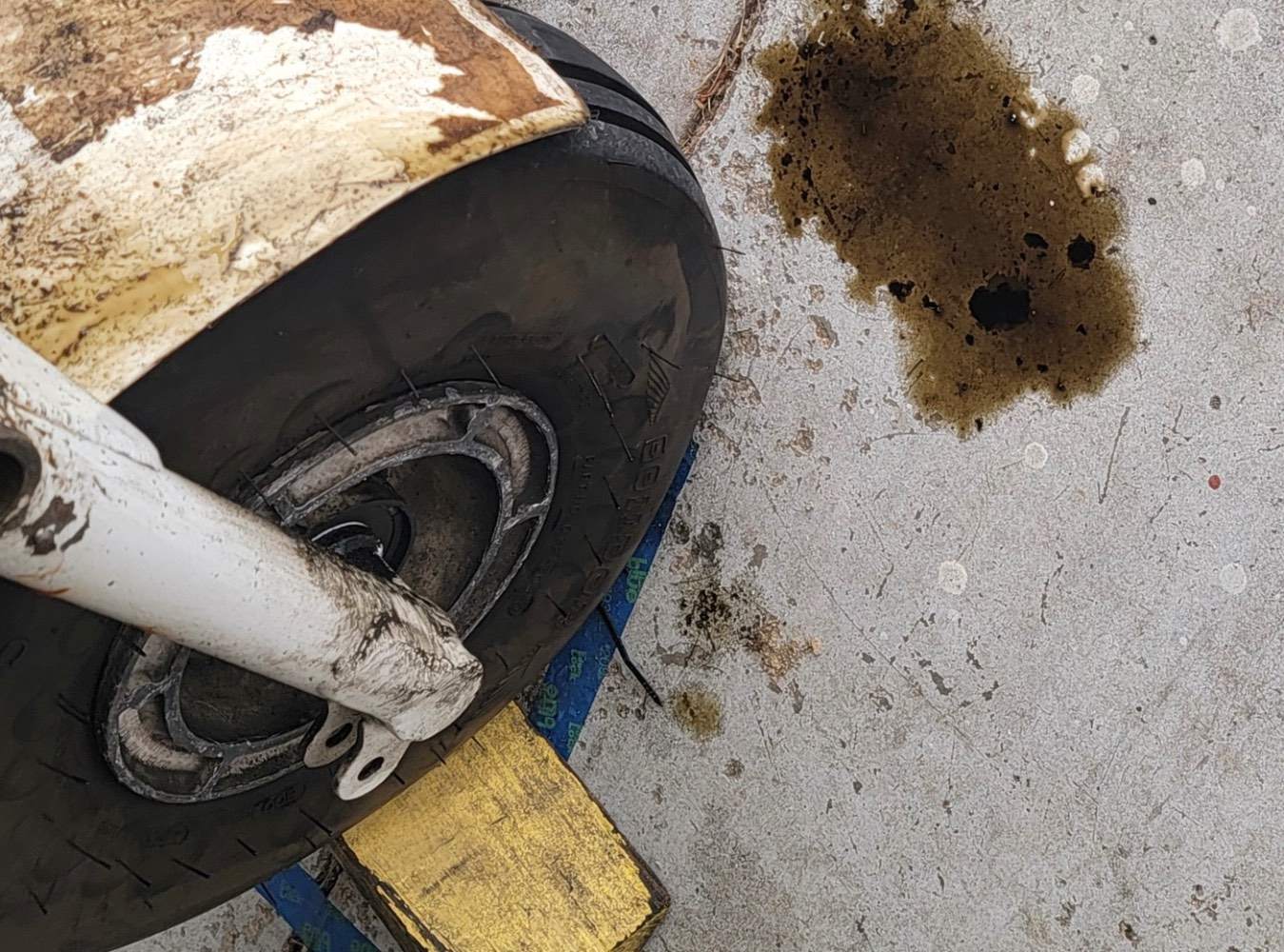
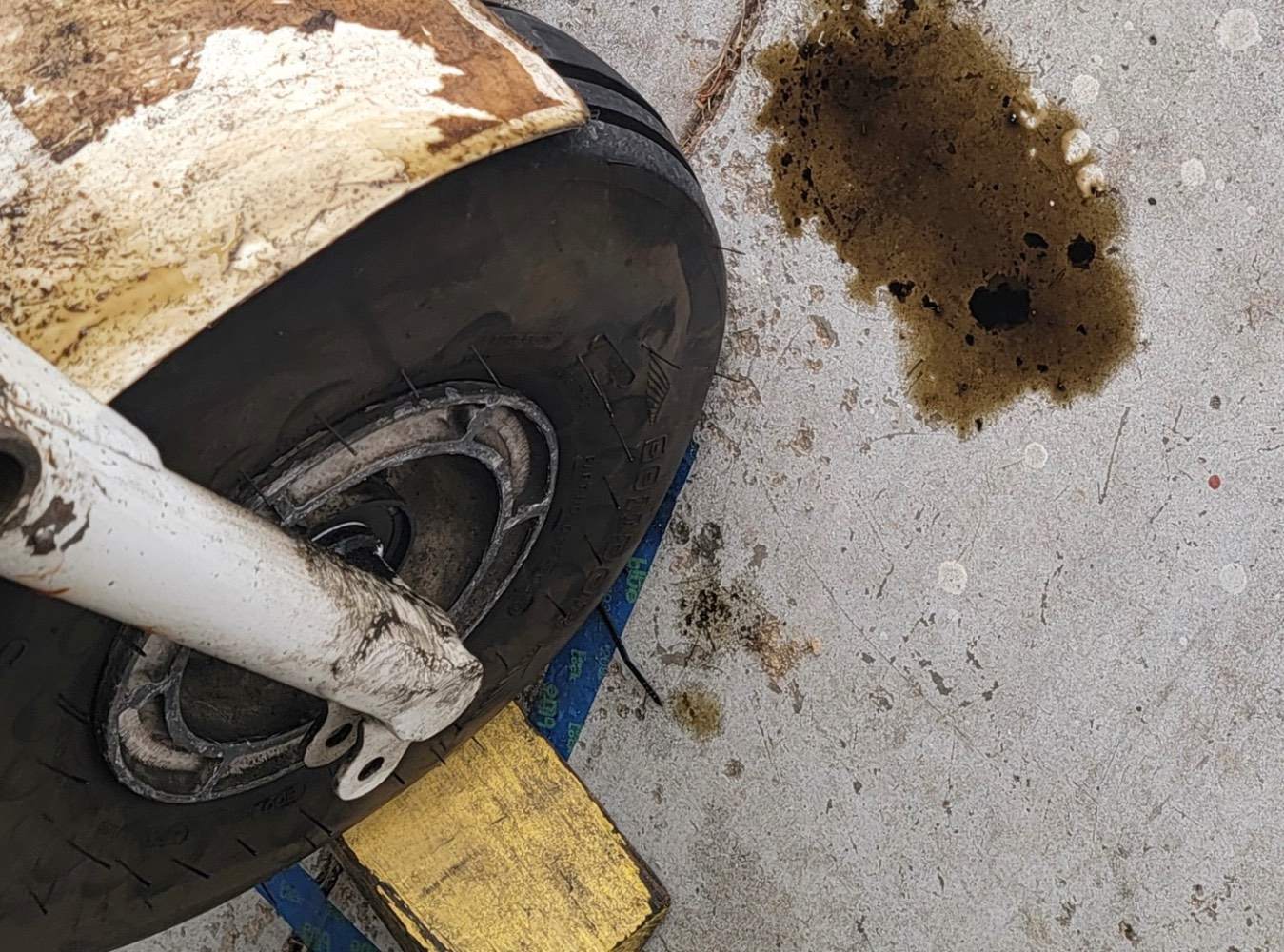
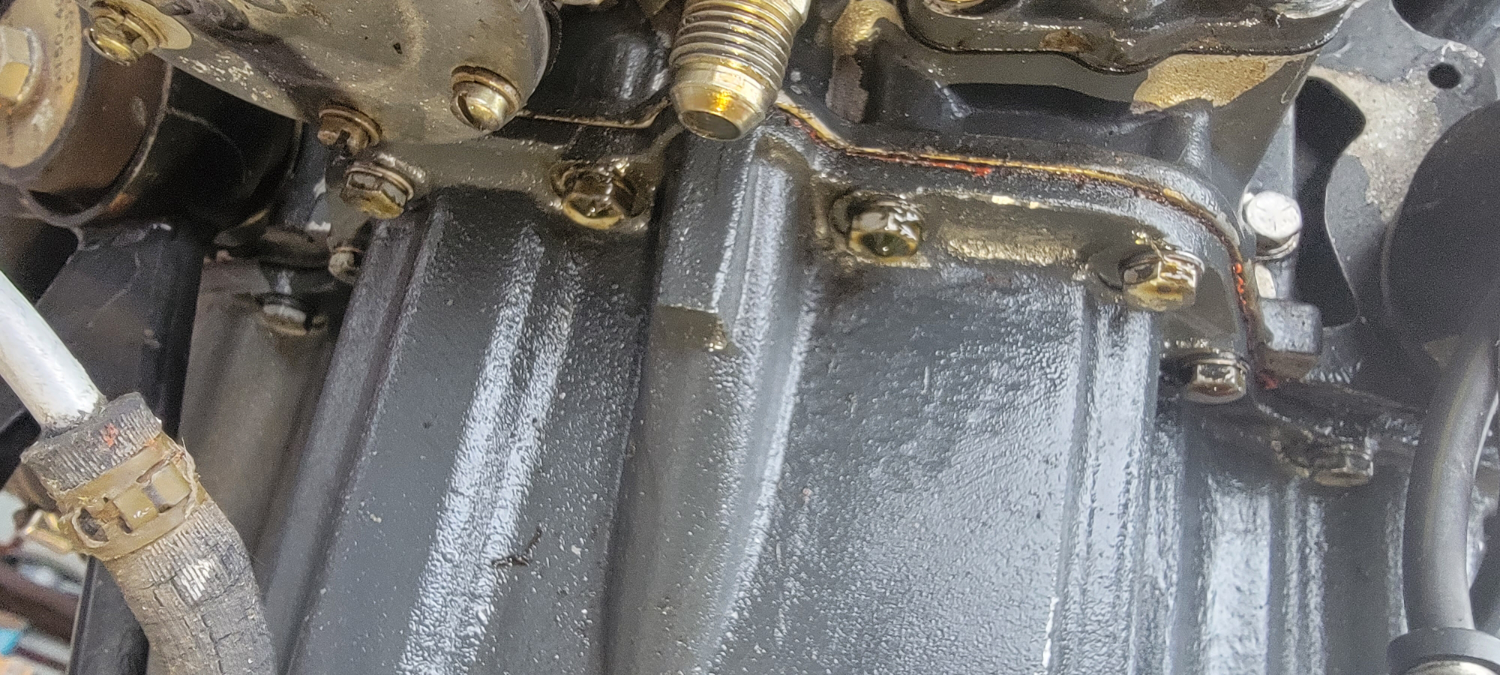
Two months ago I broke into someone’s thread regarding an oil puddle near the nose wheel. I supplied a photo of my similar dilemma. It was a static leak seeming to come from somewhere in the aft part of the engine. It persisted for the two months with no solid clues or smoking gun except for drips hanging from some of the sump bolts. Time in the Spring gets compressed and my apprehension about diving into the issue served as an anchor as well. The reluctant decision was that pulling the engine was the only way to get access to whatever it was. The only likely culprit seemed to be the sump gasket, but without obvious seepage. So the prep for the procedure was done in between the other projects (airport mowing, etc.). Today the engine was pulled. Hanging on the hoist nose high, the dripping resumed with a vengeance, still with no precise point of leak, just a general ooze. A mystery is how 6 quarts in the sump could still find it’s way through the sump gasket. I would have thought the oil level was lower than that. Anyway, I will attach a photo. The crazy or stupid part is regarding what to do next. The engine is 2300 since oh. It runs strong but I have no desire (except monetary) to have to pull it again someday. The monetary part is to just put in a new gasket and soldier on. The other part is to send it to the overhaul spa and wait for autumn. One is crazy, one is stupid. Just not sure which is which.
-
Some concern for damage to muffler/exhaust system.
-
Apparently it was Richard Collins
-
“The flight lasted two hours and 20 minutes, my longest check ride. We did everything in the book and by the book. One maneuver was the canyon approach. Descend straight ahead for 1,000 feet, then a steep 180 degree turn (to get out of the canyon), climbing at max power and the best angle of climb speed. The angle of bank had to be considered when calculating the speed.” Pulled this quote but I lost the citation. Was an ATP (ATR) check in 1958. So the steep turn was accurate.
-
May be a different maneuver. I’ll have to see how it was described back then. It was part of my DC-3 type ride circa 1967. Don’t recall a tight turn, but maybe.
-
Speaking of which, how many of us had to do a “canyon approach” on a check ride? I think it went away in the ‘60’s. Kinda fun, maybe pointless.
-
Well I see only 1 way to settle this. I challenge thee to a drag race! You hold the brakes and run up, I will leave the brakes off and promptly apply power.
-
Interesting. My recollection, flawed as it may be, was a serious analysis several decades ago determining the premise I offered to be the case. Are not air and water both fluids ?
-
I thought it was long ago established that with brakes set and full power, the cavitating prop really doesn’t become fully effective until forward motion allows it to move out of its own turbulence. In other words, little or no advantage over a smooth but prompt application of power with brakes released or a rolling entry to runway as noted. Maybe if the mixture needs to be tweaked at higher elevations the full power run up could be justified. Otherwise it is just for show. But so cool. Just like Doolittle.
-
I doubt you will find much discussion as to how to land a Bonanza. But while my model 35 was great, but I wouldn’t trade my C model Mooney.
-
Potato, potatoh. Step on the pedally thingys and the nose goes right or left, pull on the wheely thingy it goes up or way down.
-
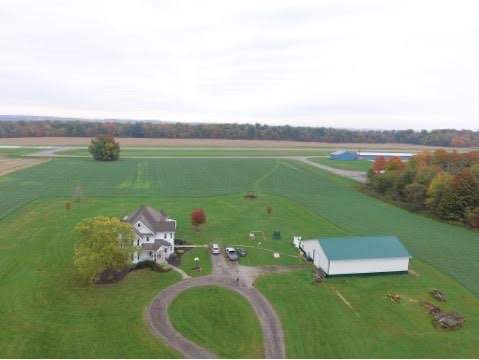
No brainer. A stroll to my blue hangar and county airport.
-
Excellent Mike Busch article on exhaust valves in latest AOPA Pilot.
-
Garmin GMU 11 Magnetometer placement
BDPetersen replied to John's topic in Avionics/Panel Discussion
Tail shelf worked for me but had to deal with electrical interference from belly strobe. (Needed ground to be run to battery) -
I’m all about bizarre causes. Then Occam’s razor comes back to mind.
-
So unbelievably the mystery remains. The dye shows where the oil goes (down lower firewall into a pool at base, some drips on the mixture control cable) but the source remains unknown. Repeated wash downs and wiping and 2 ground runs. Seems to have a static component to the leak meaning there is more oil the next day than the night before. At one point the AI thought maybe the suction screen was dripping. That didn’t prove to be it. Saw some drips hanging from a couple of sump bolt heads. Those dried up, wouldn’t tighten and no apparent seepage from sump gasket. Nor from any other parting surface we can think of or hose fitting. Nothing apparent from the front or bottom of the engine. Giving some thought to removing mags and oil filter for better access to back of engine. Or the whole damn engine. 60 years of dealing with oily aircraft engines . . . At least the dye is real purty
-
Quick drain is ok. Maybe a hint of oil sheen on front of sump. I can see where it goes but so far not source. Always accumulates at bottom of firewall on bottom cowl. I agree that much oil should not be hard to track. I would be grateful to be humiliated by an obvious problem than to wig out over a mystery issue. As I said, the seeming rapid onset has my attention.
-
Exactly. 3 pairs of eyes haven’t found it. Scope and mirror, nothing. If the dye doesn’t show anything I suppose pulling bottom cowl would be in order. Not a pleasant project. I would blame myself for a sloppy job of adding oil, but I am confident that’s not it. The rapid onset has my attention. If I am forced to dig too deep it may be a trip to the overhaul shop. 2300+ SMOH but otherwise strong. Whatever . . .
-
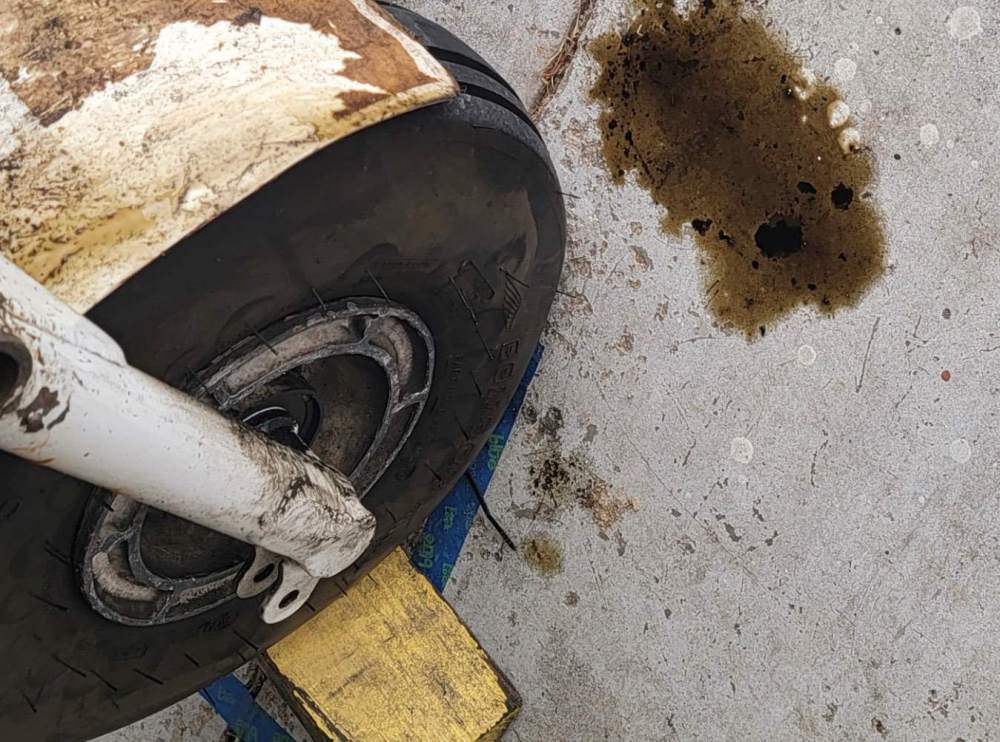
So after several flights without oil drips on nose wheel I was pretty smug. Then the morning after a 30 minute flight I found this. Washed down and gave it a ground run to find new oil at base of firewall. Checked all the usual sources but can’t find source. May have to try the dye trick.
-
Great. Thanks. Kinda like what they called a “4 point “ engine change on the DC-6 and the like. My AI and I may get to try that if the source of the oil puddle that suddenly appeared doesn’t reveal itself. But that’s a subject for a different and familiar post.
-
Seems I recall some discussion of pulling an engine by unbolting mount from the firewall rather than removing engine from mount. Any thoughts?