
carusoam
-
Posts
45,331 -
Joined
-
Last visited
-
Days Won
381
Content Type
Profiles
Forums
Blogs
Gallery
Downloads
Events
Store
Everything posted by carusoam
-

Help settle marital paint scheme dispute!
carusoam replied to emillerslo's topic in Modern Mooney Discussion
If HE is WISE… if unable to choose a pair of colors… Choose the Mooney Anomaly! my plane is white on top… easy to spot, without going optic orange. cool in the summer, no AC. PP thoughts only… I was never able to match a shirt to a pair of pants… age hasn’t made it any easier. I’m not a stylist. note: the second scheme above includes an interesting attribute that only a few Mooney’s have ever received… the Eagle’s Beak! it’s kind of subtle, but now you know. -
Flaps hardware (bolts, nuts, washers)
carusoam replied to Mooney-Shiner's topic in Vintage Mooneys (pre-J models)
Great reference for Frank Crawford too! Best regards, -a- -
Fuel finger filter cleaning
carusoam replied to Mooney-Shiner's topic in Vintage Mooneys (pre-J models)
Each of the screens in the fuel system serve a specific purpose… they help identify something old that is falling apart… Sooo…. As a new owner of a machine, it is a great idea to verify that each screen is free of debris… fuel pick-up screen… often catches stuff that got into the tank when fueling, or catches sealant that is flaking off… and, each fuel cap has two o-rings in them that are happy to age, oxidize and leave bits floating around… Fuel separator/selector screen… catches rust particles that flake off the older fuel necks that were originally made out of steel… (pre J) Fuel pump screen… some pump impellers were made of inferior materials… they can be found on the screen. Some fuel pumps have been left running for extended periods of time… oops. there are some rubber parts in the fuel servo including a multi layer-rubber hose in some planes… looks good on the outside, falling apart on the inside… these supply a small speck of rubber to test your ability to recognize a semi-blocked fuel injector… These things happen to only a few planes of the entire fleet… each year. not very common, but best to check when able… Gives a good reason to have an engine monitor if you want an update. PP thoughts only, not mechanically inclined… Best regards, -a- -
The other thing… look out the window, you will know that they are fully deployed, or fully put away… after couple thousand airframe hours of operation… one of the clutches will fail. leaving you with asymmetrical brake deployment/stowage… not terribly hazardous, but something that is better to be known, than unknown… Part of my pre-flight checklists… these things get tested way more than they get actual use. PP thoughts only, not a mechanic… best regards, -a-
-
Long body ownership… lasting into retirement! Welcome to the second half!!! Best regards, -a-
-
hey dkk! That’s pretty funny..! the longer the threads… the more fun the summary became. for about a decade and a half, I was able to read every post ever written… welcoming each member, as they came aboard… it was a fun way to learn, or check old memories… to see what I forgot, or didn’t quite learn the right way… the best parts… meeting thousands of MSers on line… then running into them in real life, at various fly ins… helping so many people find an answer to a challenge they were having… or a service they were looking for… I happened upon MS… in the early days. I had just sold my M20C, and was starting the search for the next Mooney… in some places… I left cryptic markers. To help remember people… and find them again… if you can’t remember Cody as the person to answer questions about Mooney propellers… do a search on prop guy… and see how often he shows up… Or search welcome aboard and your screen name… see if you can find your own first post! keep in mind… MS had a weak search function at first. Finding a three letter word like ‘guy’ was a bit challenging… running a google search from outside MS has always worked better… hmmmmm… imagine being replaced by AI. my post count grew by thousands every year… We would celebrate the post count at each 10K milestone… hoping to make that post a memorable one… I always look forward to the next post… some posts are more fun than others… inviting various people to a thread… using the important @ symbol in front of their screen name… it’s been about 18 years or so since this all began… next stop… post number 50k. it’s been a fun flight! Best regards, -a-
-
Hey Everybody! Why TnGs can be taboo… memory limitations, distraction, cognitive overload… allows the pilot more opportunity to make a GU mistake… insurance costs spread across the Mooney community always gets a response (true or not). Solutions… always use a checklist, Gumps. More than once. or do the full stop landing. landing reviews… final judgement comes with… how briefly the stall horn peeps just prior to the mains touching. how close to the centerline the nose wheel actually touches down… the time that elapsed between the nose and main gear touching… more than a microsecond is good… Solution for improvement… landing by the numbers. See @donkaye, MCFI’s final approach speed chart for ideas… go around practice is important for Mooneys… because basic training in low power trainers can be really bad for a go around in any Mooney… the Why… Full flaps and low power, moves the center of lift really far back… trim gets set very nose up to compensate… during the go around… using the power should come with a fair amount of experience… more than one pilot has met their demise using full power and full up trim during a go around… the nose wants to point skywards, using a lot of arm strength to avoid a stall… and it is slow to get the trim reduced… manual and electric. Non-towered fields… it helps to know your partners in the traffic pattern… Students and low time pilots have difficulty with situational awareness… they don’t always know where they are, and knowing where a plane on a straight in is going to show up…. Can be asking too much for their skills… they may answer that they are capable on the radio, to find out, they made a simple mis-judgement… one other taboo related to landing… are stalls in Mooneys… Solution… keeping the ball centered is everything. a mis-rigged Mooney can try to be surprising in a stall… flying X-country probably won’t give natural practice in stalls, slow flight, or go arounds… but, they are fun to practice… PP thoughts only, not a cfi… Best regards, -a-
-
Custom Aircraft - exhaust repair and fabricating
carusoam replied to FlyDave's topic in General Mooney Talk
A note on flame tubes inside the muffler… they work as flow distributors… they keep the hot parts of the exhaust stream from impinging on the outer wall… when the hot gasses get misdirected… they start to cut their way through the heater muff… this is how heater muffs start allowing CO into the cabin… it takes a lot of things to go wrong… before CO becomes a problem… but, once things start going wrong… 100LL flame temperature is much higher than the softening point of stainless steel… keep your exhaust flow organized…! Best regards, -a- -
Custom Aircraft - exhaust repair and fabricating
carusoam replied to FlyDave's topic in General Mooney Talk
@PeytonM expect the wear on the hot parts of the exhaust system to be related to how hot the parts get… a fancy way to start the LOP vs ROP discussion… ROP will be sending flames past the exhaust valves… LOP most of the fuel burn is completed before it exits the cylinder… Roughly speaking… a visual inspection of the exhaust tube leaving the cylinder… may give a hint to how hot it has been getting… the tubes start life as smooth surfaced tubes… once heated and cooled a few thousand flights… the surfaces take on a more rough and grainy (?) appearance… hard to describe… but, when measuring thickness… you can probably find that some metal has been moving with the cycles… These parts CAN get red hot… which is about where they lose a lot of their typical strength. by comparison… a TC’d exhaust system takes a thermal beating compared to an LOP’d NA exhaust system… you might just get lucky! PP thoughts only, not a mechanic… best regards, -a- -
Late to the party… I do have O360 gov experience… ours are all very similar, unless you fly a Rocket engineered machine… where the failure mode goes full coarse pitch… for best glide distance… our govs are a few sub systems in one… 1) they have their own gear pump to supply pressure to adjust the pitch…. No way to measure the actual oil pressure within the prop during flight… 2) control valve… the thing that actually controls the oil pressure in the prop… 3) fly weights… the spinning device that activates (opens more and closes more) the control valve based on the speed of rotation of the fly weights… 4) the control knob that sets the fly weights… 1600 hours is not a lot of time to wear out this system… a certain amount of oil pressure needs to be supplied to the gov to allow it to work… gear pumps are pretty robust and can handle a lot of air bubbles if necessary… my old challenge… the O360 has a hollow shaft with a plug at the cabin end… if this seal fails, the gov is unable to build the necessary pressure to adjust the prop… the fifty cent seal only costs a few amus to replace… prop comes off, faulty seal gets pulled out, new seal pressed in place… prop goes back on… lots of sludge collects in the prop… the oil slowly circulates, but not enough to flush the system… lots of mechanical moving parts inside, fly weights are on a greased path… control valve too, so any dirt inside can keep them from moving correctly… consider what is happening based on the data… fly weights sticking, control valve sticking, or oil pressures fluctuating… PP thoughts only, not a mechanic… best regards, -a-
-
Ross, in our NA world…. We get dense air while at 90%bhp… Our TC’d brethren can get lots of power up where the air is too thin to provide adequate cooling… done well, a tc’d engine can use a set of cylinders around the halfway point to MOH… not done well… the first TOH is before the half way point… the intake systems of the six cylinder Continental engines are nicely designed to easily run LOP… Best regards, -a-
-
All Mooney’s have two methods of operation… 1) keep the cylinders cool to get as close to 2k hrs as possible… 2) keep the TIT cool to keep the vanes from elongating into the turbo’s case… 3) Some use LOP for this… then there is full on flaming dragon mode… find the threads about operating the 231’s engine… find @jlunseth’s writing…. Best regards, -a-
-
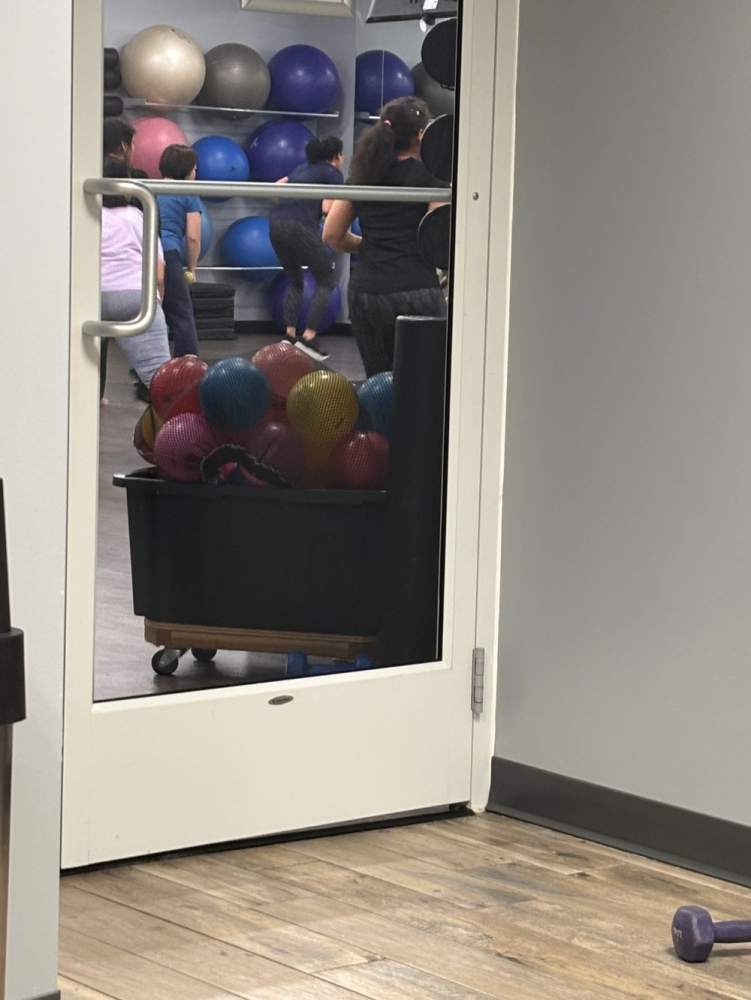
sometimes it occurs at 7pm… Zumba! it even sounds fun… mothers and 20yr old daughters working together… with a few daring old guys mixed in. lots of family activity going on around here… remember to stay in your lane… the kids can run 6 minute miles… the dads have heart attacks chasing 7 minute miles… nothing gets in the way of your flying like a good myocardial infarction..! PP thoughts only, no medical background… best regards, -a-
-
+1 for following the guidance you are given… +1 for asking prior to doing something different… it can be un-fun at times… keep it up… you can get to where you want to be… for anyone that has crunchiness in their joints… this can be helpful as well… Still not therapist… Best regards, -a-
-
If for some reason… it feels like it will take 10 years for the full recovery to happen… just know in 10 years you will still be alive flying a Mooney… knowing it IS worth it… Best regards, -a-
-
Done properly… you can get all the joints working silky smoothly… build some muscle nice and evenly… over time… you can win medals in your age group at any 5K you want to enter… like getting the right Mooney cfi… get the right trainer… if you have extra… some time with their dietician is always fun… eat less starch. Drink less beer… and listen to all the conversations going on around you… mostly wacky ideas being discussed by the young guns… a few will discuss politics… and stock markets… Work on muscle memory… getting full motion… and some strength… Come away feeling better, physically and about yourself… PP thoughts only, not a physical therapist…
-
Way cool… I’m not the only one who got trained in how to walk again…. a casual day at the gym… you will find before work hours… lots of working people, in a rush to get through their routine… late morning… is all the blue hairs working all their joints… light weights, lots of reps… afternoons… all the teenagers trying to show how little they know about how muscles work… or how machines work… or how to be nice… afterwork… the crazy busy hours begin… After eight… you have the whole gym to yourself… best regards, -a-
-
Start the post timer… now! Start: 14.5k i hope your @N201MKTurbo recovery goes quickly… less work… more time for MS! best regards, -a-
-
I have seen pics of the stall vane and switch assembly around here before… probably has part numbers of the switch itself included in the discussion… and what was used to clean the switches. having a spark plug hole camera will probably be helpful to determining the best route of action… iirc… it’s a long way from the access panel to the leading edge area… Best regards, -a-
-
We have an interesting thread regarding the heated stall vanes… around here somewhere… this device becomes more important as ice changes the shape of the wing…. And the weight of the plane climbs into an unknown regime… where expected stall speeds may be higher than ever experienced before… Go FIKI! Best regards, -a-
-
When comparing stall vane locations… keep in mind we all fly the same wing… but, the higher MGTW of the mid and long bodies… may show a different location of the vane… the construction of the vane location definitely got a different mounting hole as aerodynamics became more importanter… if you make a few flights while adjusting the vane location… see if you can chart mm vs. Speed(alarm) may need to bracket a couple of speeds… Check the maintenance manual to see if there is a procedure for this??? Best regards, -a-
-
Before attempting to bend the vane… know that Mooney hardened it… expect it to break before it bends… also know that the vane pretty much marks where the split line occurs… at high AOA… the split line descends the face of the leading edge…. when the air going above the wing, includes the vane in its path... the vane trips the switch and sounds the alarm… The assembly has ordinary Honeywell micro switches in it… getting to the assembly is quite a hassle… ancient PP memories only… not a mechanic. testing the stall indicator prior to flight became part of my usual check list after I went months without hearing a peep from it. best regards, -a-
-
a decade ago… the local flight school used a garden sprayer and RV anti-freeze on the wings of their ifr training C172s… worked pretty well… at getting frost off the wings prior to flight… 20°F is a memorable temperature… above 20, the plane can be started with ample pre-start priming… (technically) below 20, preheating the intake system is the minimum requirement to get fuel to evaporate… if looking at physical properties of 100LL temperature vs evaporation / vapor pressure gets really low at and below 20°F… But… don’t use this minimal required heating method on an engine that you like… it’s enough to get the engine started, it does nothing for getting the oil warmed properly or melting any moisture that has collected in places like the oil cooler, fuel sep, or case vent… for engines that you like… 40°F is the common pre heat temp to reach prior to a regular start… A good engine heater heats the oil, block and cylinders… putting de-icer in the fuel tanks is covered in some POHs winter operations section… PP thoughts only, not a cfi or mechanic… Best regards, -a-
-
Manual Electric Trim Switch - KAP 150 AP - Need a New One
carusoam replied to dwanzor's topic in Modern Mooney Discussion
good news… find the threads regarding the microswitches that get actuated by the physical switch… swapping out the microswitches is a much lower cost. PP thoughts only, from an ancient memory… hoping this memory is still intact. best regards, -a- -
Replaced Starter - Invoice was WAY more than expected
carusoam replied to gwav8or's topic in Vintage Mooneys (pre-J models)
Now is the time to start planning your first annual… the first annual is where you find out how well your plane was really maintained… expect the cowl removal experience gets multiplied by a very large number… to cover the same details in different locations. taking 15 minutes for each screw… will take more than a year to complete. get prepared with the parts manual…. Start acquiring sets of the proper fasteners made out of your favorite material… be sure to make friends with your maintainer…. They can save you a ton of dough. and… you can learn a ton of details about normal practices regarding re-use, replacement, and changing types of fasteners… first annuals are often surprising… even for low hour planes, built 30 years later… Second annuals are so much easier… no fear… We have all been there before… Best regards, -a-