

redbaron1982
-
Posts
825 -
Joined
-
Last visited
-
Days Won
1
Content Type
Profiles
Forums
Blogs
Gallery
Downloads
Events
Store
Everything posted by redbaron1982
-
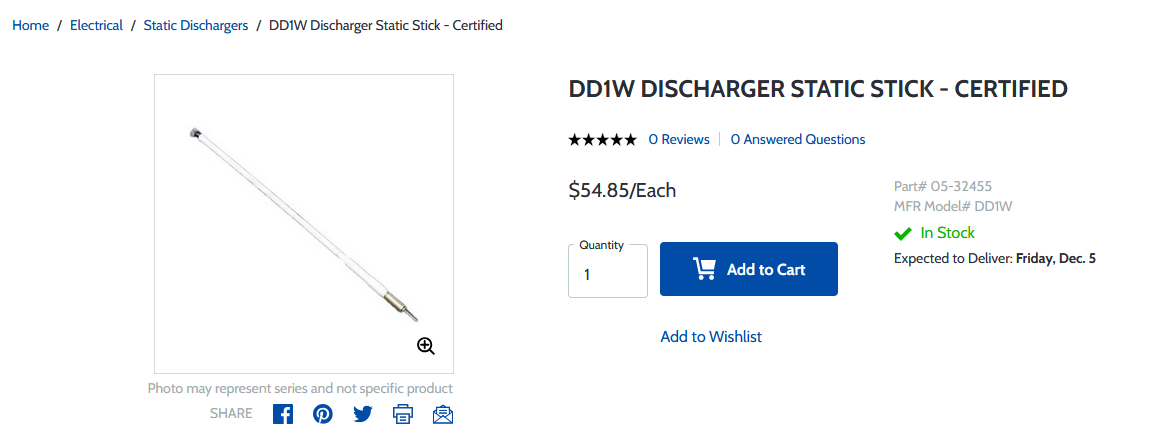
Mine has a strikefinder, but I never thought the static wicks were just for that. I thought flying IMC could build up static and affects COMs/NAVs radios.
-
This is one is another one that seems way overprices. I'm missing 4 or 5... that $250... crazy
-
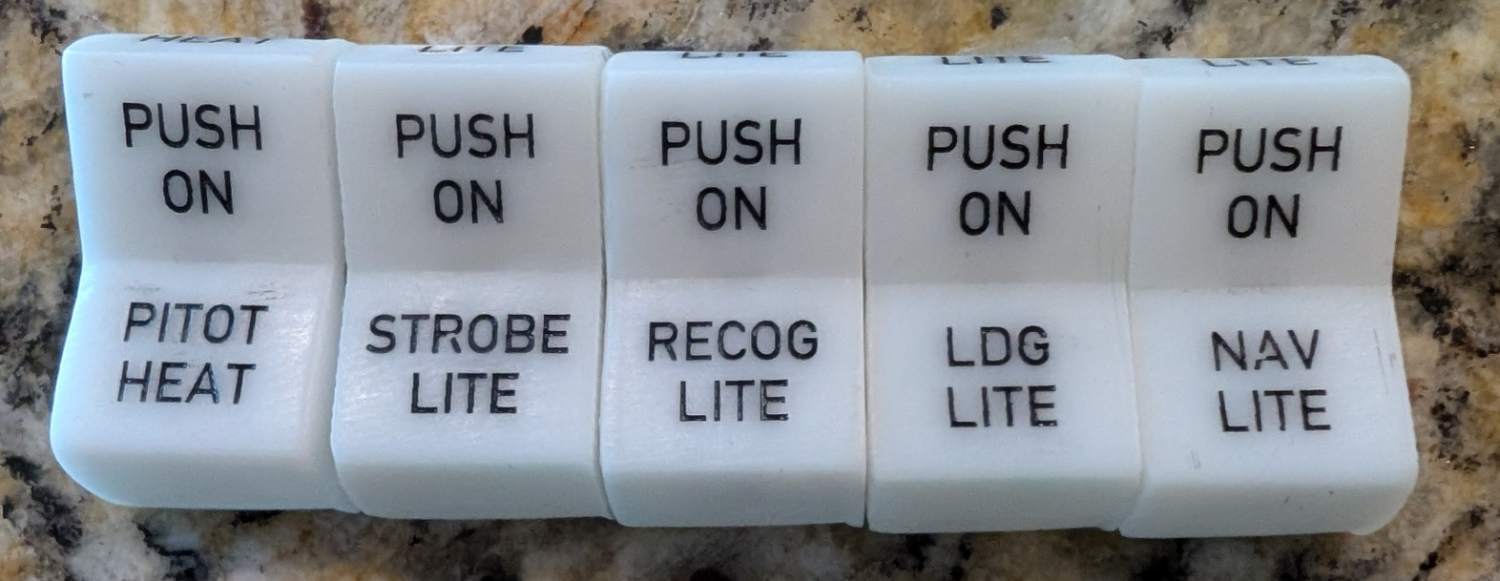
These are the covers I make, they are for ETA switches (like the ones I have on my '85 J Model)
-
Actually, that was the objective. There is a thread on the Accident sub forum about using tank vent covers to prevent insects from nesting inside. @201er is of the opinion that it would cause more accidents than the ones it would prevent, and then this poll was created to "find out" if that's true. The funny thing is that the poll assumes that everyone forgets something, so there is no option to "I never forgot to remove a RBF tag". So technically it won't give any useful information to know if it is better to have protect the tank vents, risking forgetting to remove the tag, or leaving it unprotected, risking a bug getting inside and clogging it.
-
My last item on the checklist before boarding is "Final walk around". Having said that, the main challenge is being "present" while doing the final walk around. It happened a couple of times that I did it on "autopilot" and could have missed one or two things. So far, knock on wood, I never took off with a red sign hanging from the airplane.
-
AFAIK the larger the air volume in the tank, the more fuel you can pull before the internal vacuum gets so high that the fuel pump can not longer pump fuel out of the tank.
-
How y'all preflight the fuel tank vents? I usually just look to see that there is nothing clogging them at the tip, but doesn't make me feel good that there could be a bug or something that crawl inside and I can't see. I thought about using a small bulb syringe, not to blow buck suck air and check that there is good air flow. Not sure if this would generate any unwanted side effects.
-
M20E Emergency Landing west Houston
redbaron1982 replied to redbaron1982's topic in Mooney Safety & Accident Discussion
Yeah, looks like he was fixated to returning to IWS... 11R was closer and he would have made the field. 11R has a nice asphalt runway, I landed there several times while doing my training. Anyway, it is easy to find the best course of action when seating in a chair in front of a computer, lol. Great job by the pilot! -
M20E Emergency Landing west Houston
redbaron1982 replied to redbaron1982's topic in Mooney Safety & Accident Discussion
https://aviation-safety.net/wikibase/562249 -
Does anyone has more info?
-
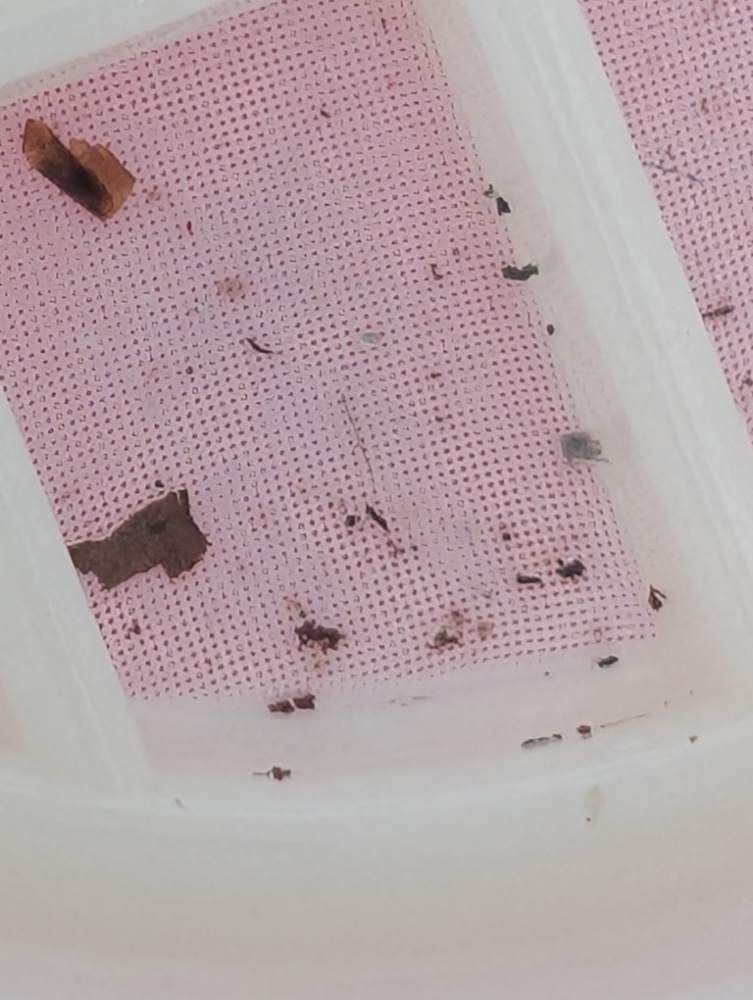
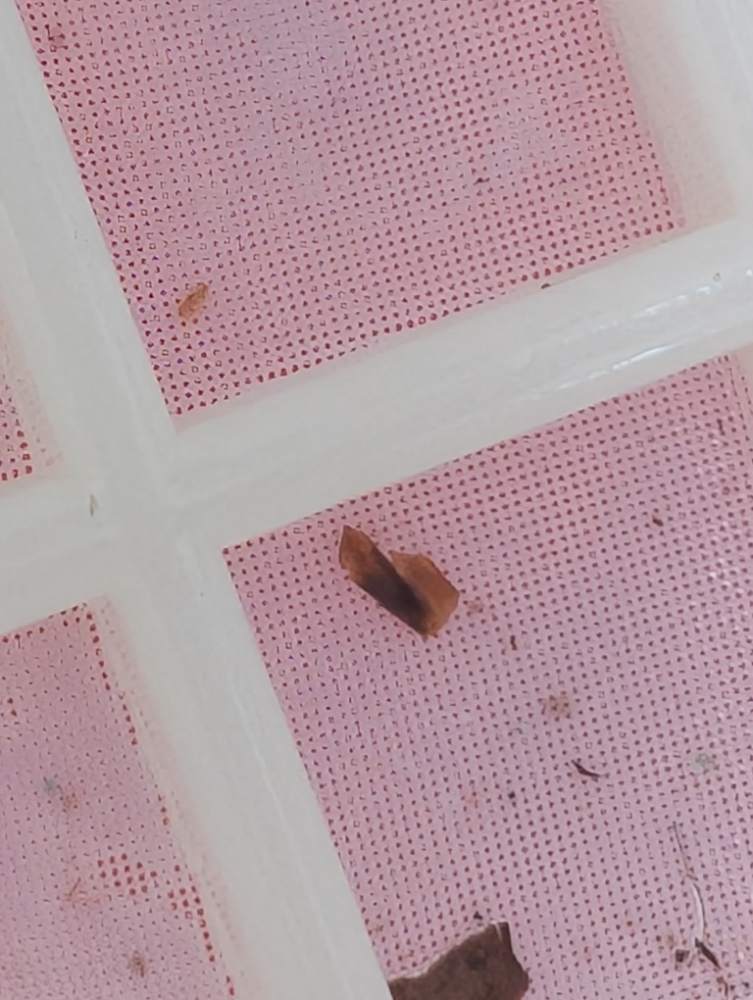
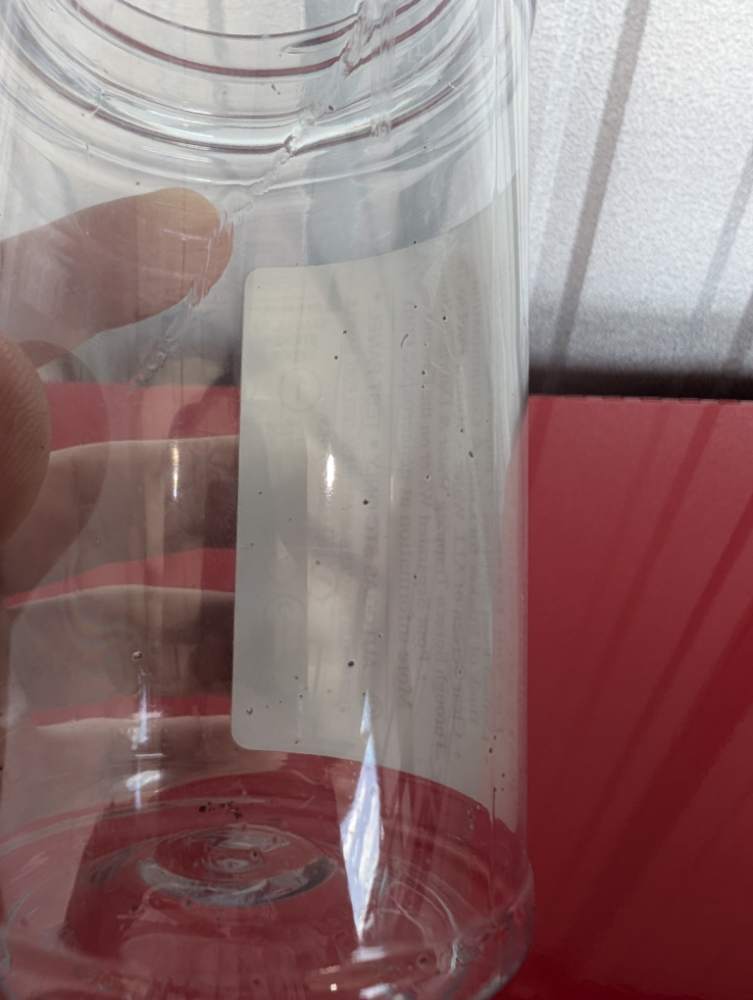
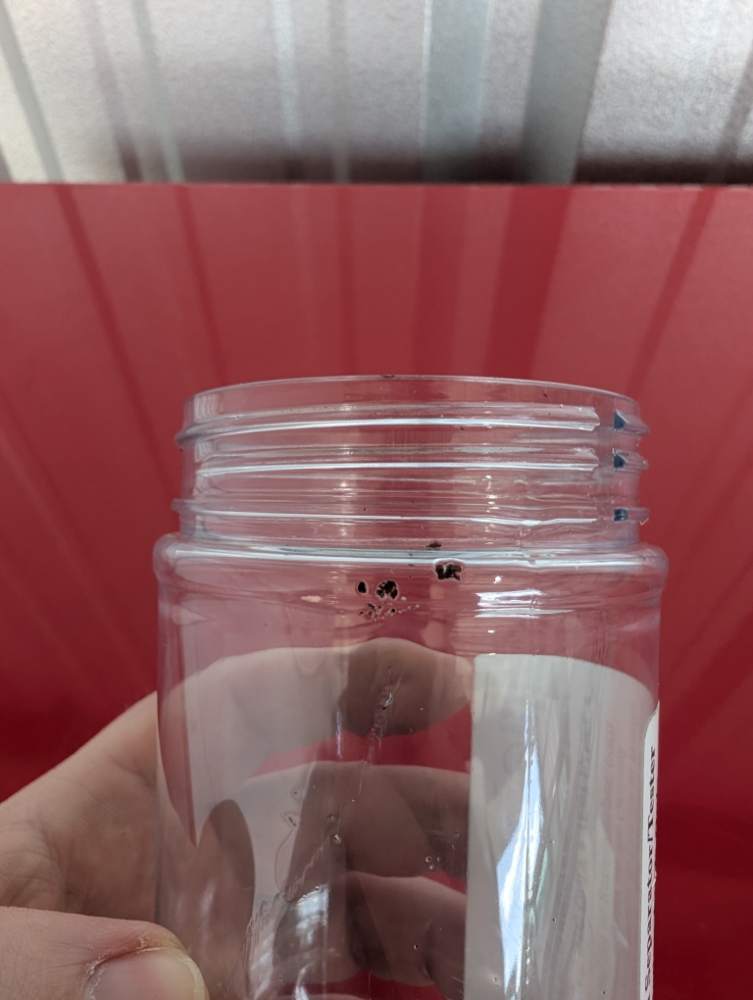
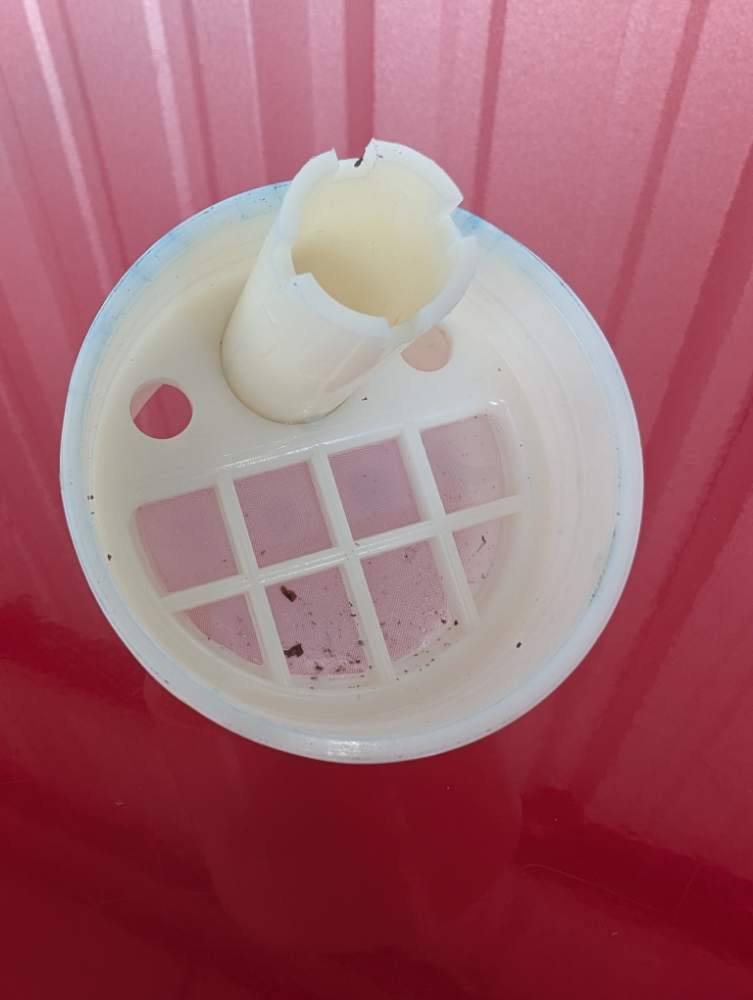
Thanks all for the answers, one clarification, just in case, the first pictures are really zoomed in. I'd say the large particles are maybe 1mm or 2mm at most.
-
The main reason why I am starting this thread is the tragic accident of @Freddb34. Every now and then, when I swamp my tanks I get some amount of debris. The attached pictures are from today. It's not always there, today's was more on the high amount of debris for instance, most of the times is lower or none at all. My question is, is this normal? Should I take any actions? My airplane is a J model from 1985, no bladders, tanks seal several years. No seapage, more than one of the sump ports getting stained from a veeery slow leak.
-
Thread about corrosion gone?
redbaron1982 replied to redbaron1982's topic in Vintage Mooneys (pre-J models)
It did affect me a bunch, but I didn't let it knock me off my horse. -
Thread about corrosion gone?
redbaron1982 replied to redbaron1982's topic in Vintage Mooneys (pre-J models)
I stand corrected, the repairs were 28k, there was an additional 2.5k for painting the repaired areas. The annual itself (no repairs) was 3k. Then there were 6k of random items, like a wheelen power supply they had to change. -
Thread about corrosion gone?
redbaron1982 replied to redbaron1982's topic in Vintage Mooneys (pre-J models)
So, as the airplane was so long waiting to be repaired, the annual lapsed. So I asked Don to do the annual after the finished the repair. Roughly, the cost was: 25k corrosion repair, 12k annual. The initial estimate for just the corrosion repair was 13k. -
Thread about corrosion gone?
redbaron1982 replied to redbaron1982's topic in Vintage Mooneys (pre-J models)
He did reach out to me, I shared the facts. For transparency, these were my responses to him: > In a nutshell? It took 1yr to do the repair and it cost 2x the initial estimate. I can give you more precise numbers, as the invoice was 3x the initial estimate, but it included a annual inspection as well. He was not very responsive either (although I was not the type of customer calling him every week). He sometimes seemed upset by me calling. > On the flip side, the airplane flies perfect, no issues in the last 3 years since I got it back. > I just checked my invoice, and the corrosion item was 25.5k, I think their initial estimate was 13k. > My corrosion was on the LH aft stub spar cap. They ended up replacing the whole stub spar, not just the cap. -
Thread about corrosion gone?
redbaron1982 replied to redbaron1982's topic in Vintage Mooneys (pre-J models)
That's news to me! Thanks for sharing. -
Thread about corrosion gone?
redbaron1982 replied to redbaron1982's topic in Vintage Mooneys (pre-J models)
Curious about this, is there any way an insurance company could cover this? -
Thread about corrosion gone?
redbaron1982 replied to redbaron1982's topic in Vintage Mooneys (pre-J models)
We need a system to track the history of airplanes, I guess it would be of great value for buyers... -
Thread about corrosion gone?
redbaron1982 replied to redbaron1982's topic in Vintage Mooneys (pre-J models)
I hope he is not planning to "hide" the corrosion (and any evidence of it) and put it for sale... -
I was mentioned on a thread about corrosion and when I tried to go check it out it seems to be gone. Any idea what happened?
-
M20L down in Argentina.
redbaron1982 replied to Mooney in Oz's topic in Mooney Safety & Accident Discussion
Aside of the 1980's market downturn, that most likely killed the PFM 3200, does anyone have first hand or reliable information on how well (or bad) the engine would perform? I mean performance, maintainability, dispatch rate, etc. -
Corrosion in Tail. What to do about it?
redbaron1982 replied to LinvilleMooney's topic in General Mooney Talk
I had some surface rust in my steel cage in the belly, and used Zinc Chromate Primer. I know is nasty from health / environment, but also I think is one of the best rust preventing primers. -
M20J IO360-A3B6D Engine stumbles
redbaron1982 replied to redbaron1982's topic in General Mooney Talk
What I feel is like a sudden, short, desceleration. The airplane doesn't shake much. It something that last 1 second. If I have to describe is like if the engine would shutdown for 1 second and then relight again. I've never seen water in the fuel, the airport where I fuel has a pretty good record of not having water in the fuel. The airplane is hangared all the time. As far as I can remember, it never missed a beat running ROP. This time for instance, the leanest cylinder was 75F LOP, while the rest were all around were between 30F and 50F LOP. If it is a random thing result of running LOP I would be ok, my main concern is if there is something else going on that might end up with a loss of power in flight. One additional peace of information, not sure if it is relevant, I'm a relatively "new" Mooney driver, the mixture control "lags", what I mean is if lean the mixture, say 1/2 turn, it would take maybe 10s for the fuel flow to stabilize in the new value. This happens either leaning or enriching the mixture. Not sure if this is normal or not. Some times I would make a full turn without seeing any change in FF, and then after several seconds the flow would start moving to the new setting. -
M20J IO360-A3B6D Engine stumbles
redbaron1982 replied to redbaron1982's topic in General Mooney Talk
It does not. I haven't noticed any backfire ever.