
alextstone
-
Posts
794 -
Joined
-
Last visited
-
Days Won
6
Content Type
Profiles
Forums
Blogs
Gallery
Downloads
Events
Store
Everything posted by alextstone
-
 My new JPI 830 reads about one inch higher MP than the factory guage so I'm curious too...
 -
I'm no mechanic but my money is on a scratch.
-
Sorry for the delay in listing the promised materials. Here's what I used from Aircraft Spruce below. In addition, I used a new high quality drill bit to drill the holes for the rivets. Most of the rivets were backed with a baffle seal washer to create enough thickness of material to properly compress the rivet, if that makes sense. I know you can buy kits and so forth but I really enjoy this sort of thing. I'll post some photos in a bit.... Other tips: 1. Buy a silver paint pen from a hobby store and number the old baffle seals in order clockwise as you remove them. This will make it easier to keep them in order when you cut them and place the new ones. 2. I used tin snips to cut the baffle seal material that I already had on hand. These are easily found at one of the hardware stores. 3. I used a portable vacuum to catch the shavings from the drill holes for the new rivets. 05-56130 BAFFLE SEAL B/U WASHER GB-A4 5.900 5.90 05-00792 SILICONE 1/8"X3"X9' BLUE W/MAT 79.950 79.95 72 #72 REVOLVING HAND PUNCH 10.850 10.85 12-00889 AVERY 360DEG SWIVEL POP RVT TL 47.500 47.50 05-56100 BAFFLE SEAL POP RIVET JM4-4 (PK OF 100) 7.850 7.80 05-00791 SILICONE 1/8"X36" W/ MAT BLUE 70.750 70.75
-
I replaced mine. I purchased the raw materials and converted from staples to cherry rivets. An A&P/AI inspected and signed off. It too about 10 hours of labor... I used the old baffles as templates to cure the new ones... As soon as I find a photo I'll post one. If you want a materials list, let me know
-
Whoa. Sobering. Sent from my Pixel 3 XL using Tapatalk
-
@Yetti at what point should one consider an aircraft safe for a “long flight”? As often as I seem to have my airplane in for maintenance, i need a strategy that is both safe and allows me to use my plane for its intended purpose. I made two post maintenance local flights before leaving for the trip....I’m not defending myself though. In retrospect, I should have removed the top cowling to inspect after the local flights...that to me was the bigger mistake than an additional flight or longer timeframe...do you agree?
-
A run up was done by him, then by me twice and I took two flights as well before this one, each with thorough preflight inspections.
-
Yes. I watched him do it.
-
Thanks, @Yetti for your comments. I agree. What is "RCA"?
-
No, I am based in Hattiesburg and I have used them before also, but this is another one nearby.
-
Mike, so true! When I get on your schedule for additional training later this year, one of the things I want to concentrate on is emergency procedures :-).
-
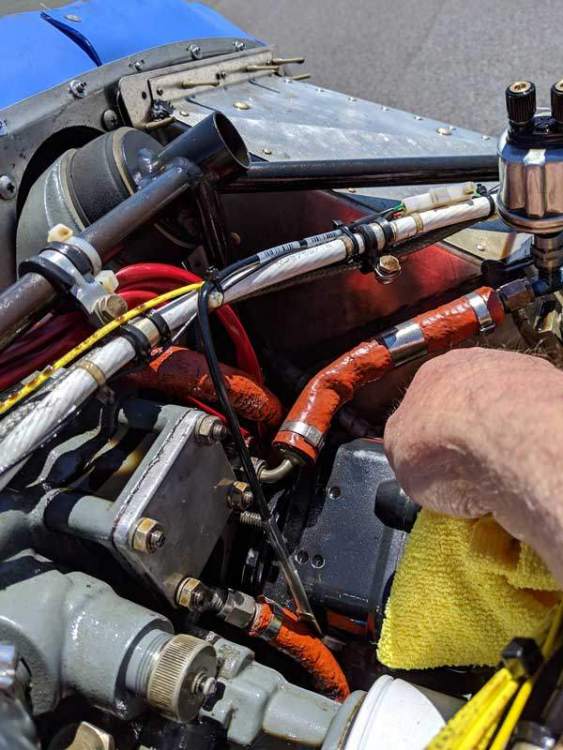
Yes, it is! It requires taking the top cowling off though. It's not hard to do and in retrospect, I should have done just that. My AI had meeting the next Monday with the A& P who performed the work. He reported back to me that the A&P remembered taking the mag loose to install the RPM sensor and while in the process of reinstalling it, he was asked to have a look at another job. He returned to my airplane and finished all of the other tasks but forgot to tighten the nuts that hold the mag. So, even if I had removed the cowl, and checked the mags, it is possible that I might not have been able to physically move the one that was not tightened fully. Pretty sobering stuff, really.
-
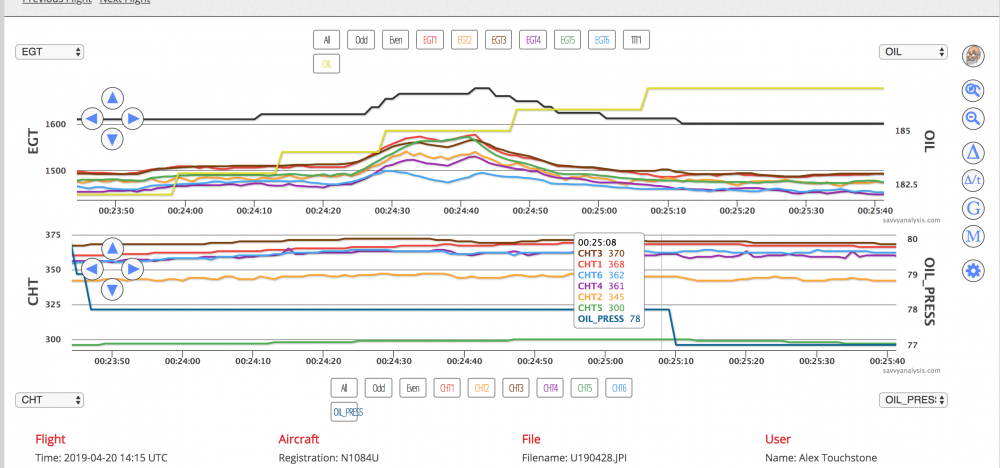
I noticed the stepped increase too... It's only one degree per step and the time interval per reading is one second and the total timeframe is very short so I assume it's the early indication of rapid oil loss... My other assumption is that the TIT suddenly spiked when the mag actually came loose from the studs. Remember, I flew twice before this event without apparent oil leakage and yet the mag was not tightened down from the start. I'm hoping some of the experts here on MS will chime in with their thoughts... Sent from my Pixel 3 XL using Tapatalk
-
She's very adventurous so her attitude was positive the whole time. She kept reminding me how fortuitous or was that she insisted we stop in Gulf Shores. Had that not happened, we probably would have run out of oil and we might have been faced with an off airport landing... She's also starting flight lessons soon! What a cool thing! Sent from my Pixel 3 XL using Tapatalk
-
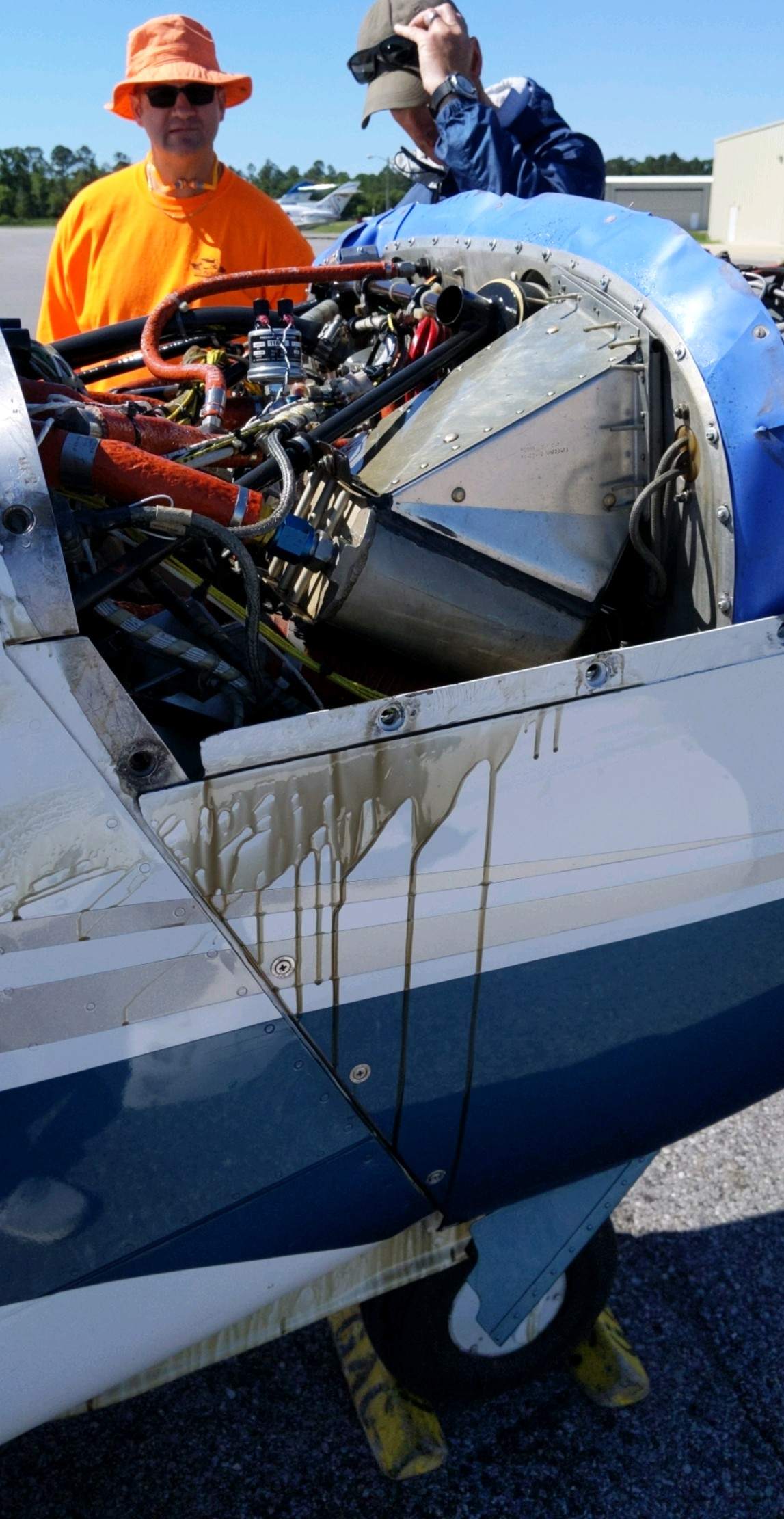
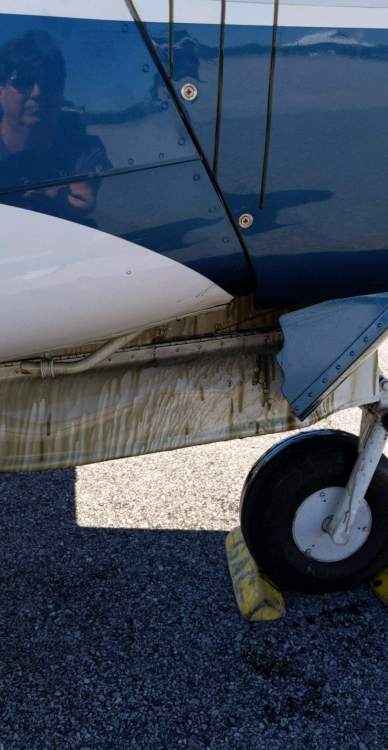
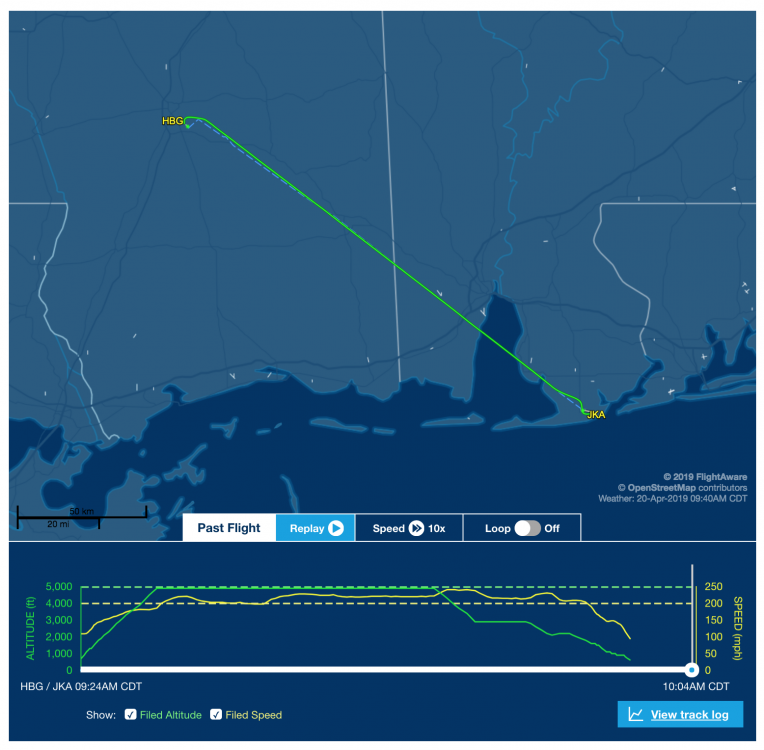
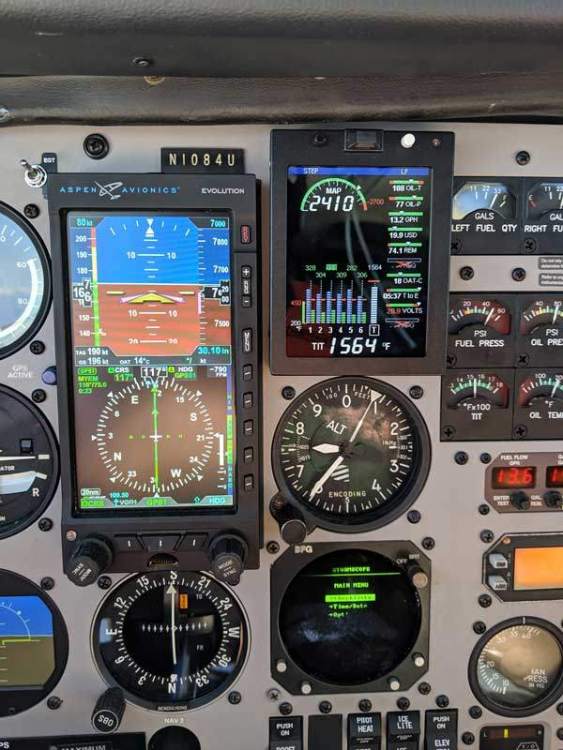
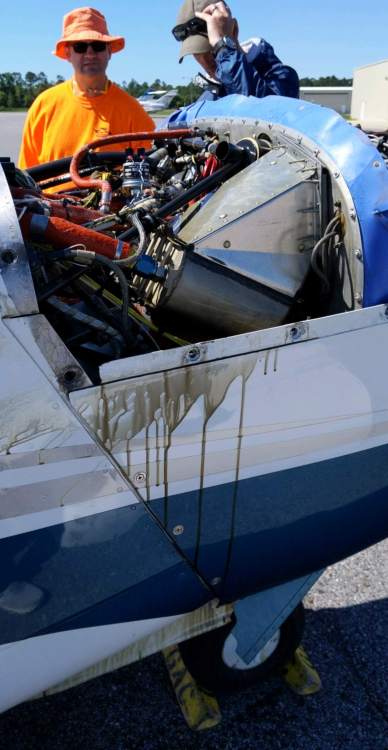
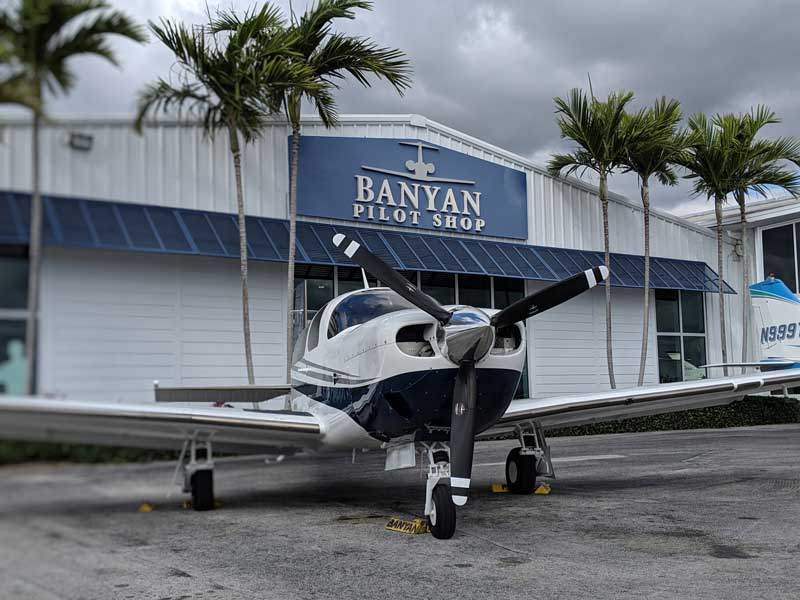
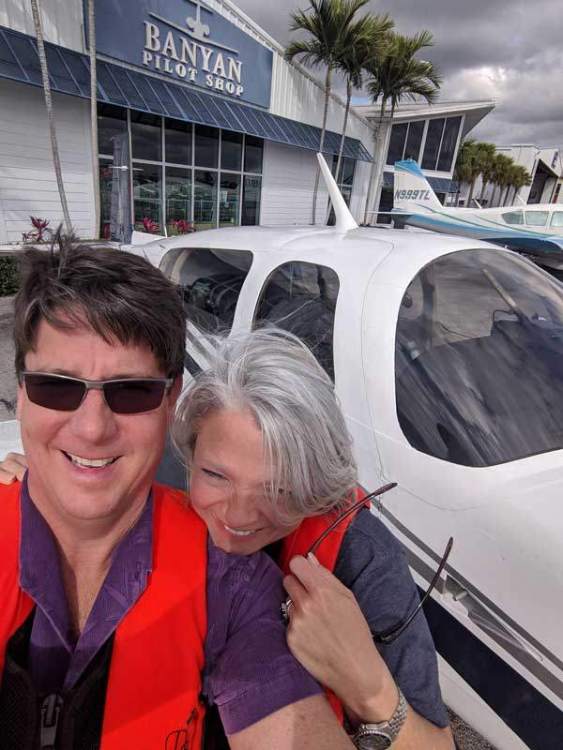
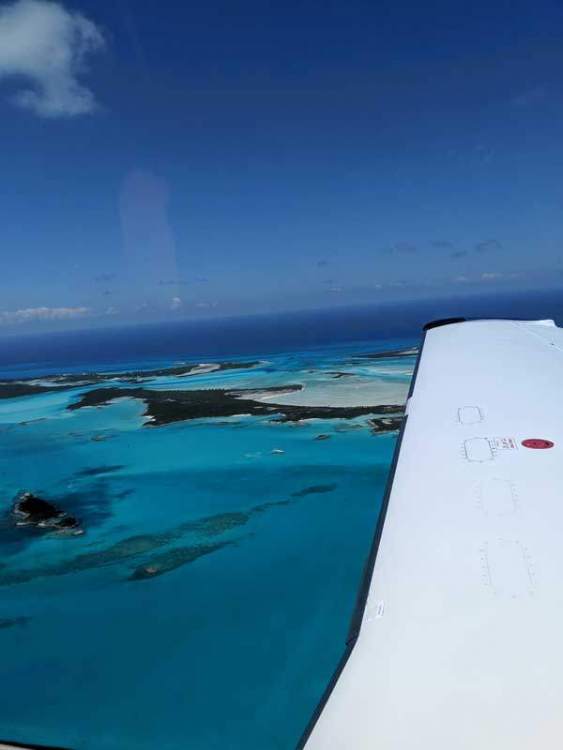
First, I apologize in advance for the length of this post. Here's a teaser image to entice you to read on: There is just no brief way of telling this story and I think it is one worth sharing. Like so many others on this forum, I gleefully took delivery on my new to me "forever ours" Mooney last fall, a '95 Bravo. Since then, I have been diligent about learning all I can about proper maintenance and monitoring of the condition of the engine and other components. Once all of the more urgent issues were addressed (overhaul of the exhaust system and turbo, new cylinder, TKS troubleshooting) the time finally came for installation of a JPI EDM 830 and a trip over water to the Bahamas. The planning for both started months ago (selecting and ordering life vests, a PLB, stobes, planning our day trips, learning about eAPIS and customs documents, applying for a Customs sticker and FCC radio license, etc). About two weeks before my wife and I were planning to depart, I purchased the EDM 830 and dropped the plane off at my local IA / A&P's shop for installation and an oil change. The day before we left, I picked up the plane, test flew it around the pattern, and I discovered that one of the CHT and EGT probes were swapped which was quickly remedied. The mechanic also informed me at that time that the MP sensor was defective out of the box and JPI would send another one. I would have to return for its installation later - no big deal. I then flew the plane again back to my home base in the neighboring town without incident. Our plan was to leave the next morning and to fly from KHBG via HEVVN intersection to KFXE, a flight that we could easily make in about 3 hours 45 minutes. That night, my wife commented that she had intended to ask her parents to bring our snorkel gear home from their condo in Gulf Shores Alabama but that she forgot. She begged me to make a stop the next morning on the way down to FL to pick them up and I agreed. Again, no big deal, Gulf Shores is on the way and we have a car stationed at the airport KJKA. The next morning, after a thorough pre-flight (oil level at 8 quarts), we took off for our 28 minute flight to KJKA. Here is the flight log from Flight Aware: The flight was smooth and uneventful until about the last 4 minutes, right about the time you see the turn due south to set up for landing. During my descent, partly because my JPI 830 was brand new, I was somewhat fixated on it during this flight so I was literally looking at it when I noticed a jump in the TIT to about 1675 degrees. Here is the graph from SavvyAnalysis from that timeframe (minus the MP because of the faulty sensor): At the time, I advanced the mixture to bring the TIT down and refocused on setting up for a safe landing. I kept an eye on the JPI and I did not see anything else of concern. BTW, I had mine mounted right beside my Aspen 1000 pro at the sacrifice of the stock VSI: We exited the airplane, and I was shocked to see oil all over the place! No, there was absolutely none on the windshield, though. Needless to say, I called my AI. To his credit, he immediately hopped into his own plane (a Mooney) and flew down with tools to investigate. This is what we discovered: The right magneto was loose...literally. Again, to my AI's credit, he inspected everything very thoroughly, apologized profusely, and re-installed the mag while cleaning up copious amounts of oil. It took 5 quarts to bring the level back to 8 quarts so I narrowly missed the teardown requirement! We test flew the aircraft without incident. After a long discussion with my wife, we agreed that we would continue on the next morning to Apalachacola then Ft. Lauderdale, monitoring closely along the way. We did so without further incident. We overnighted at Banyan and continued to Governors Harbor the next day: It truly was a trip of a lifetime! I have asked myself many times what I could have done differently and what lessons there are in this experience. So far this is what I have arrived at: 1. It is not prudent to take a trip away from home base right after maintenance. 2. The more post-maintenance inspection the better. 3. When the monitor shows an anomaly, take it very seriously. 4. Give the person who made an error an opportunity to make it right. 5. Distraction is a dangerous thing (I'll elaborate on this on in a subsequent post). I hope that this PIREP elicits some good discussion around MIF (Maintenance Induced Failure) and that additional lessons will be brought forth. I truly appreciate this forum and I hope to meet some of you at Oshkosh this year (my first year to participate in the caravan!). Fly Safe, Alex

- 56 replies
-
- 13
-

-

-
I sure will! Sent from my Pixel 3 XL using Tapatalk
-
Mine has the same issue and I'm taking it in tomorrow for correction. Sent from my Pixel 3 XL using Tapatalk
-
Thanks, I'll give that a try
-
I've had lots of difficulty getting my TKS system back to proper working order. I have had one pump overhauled, one proportioning valve replaced, the entire system purged, the filter replaced. Now, the system primes quickly and indicates normal pressure but the panel on the root of the right wing does not flow at a rate sufficient to de ice the area. Some flow does occur however. I have not isolated the proportioning valve to that panel yet to check it but that is next. I was asking more about what to do if you notice that some of a panel is expressing fluid but part of the same panel is not. Is there any procedure to beyond purging to unclog the pores?
-
So I have a question: Let's say you discover that there is an area that is not expressing fluid. What can or should be done about that?
-
Hi Peter, I have a very similar panel. I recently added the JPI 830 by remover the VSI (this is displayed on the Aspen already) and I moved the altimeter down... See photo: BTW, as an aside, the Manifold pressure is not displayed on the JPI 830 because the sensor was bad out of the box... Sent from my Pixel 3 XL using Tapatalk
-
Thanks for all of the posts describing what happened. Your attitude is impressive. I hope you are made whole quickly and this unfortunate situation does not dampen your enthusiasm. I have not always been in the habit of asking line persons whether they know the towing limits of a Mooney. Oddly enough though, last week on the way back to MS from AZ, I diverted to Denton TX (US Jet Center FBO) and just as I was about to walk away from the airplane to catch an Uber, I turned around and asked the very "young" line person if he knew about the towing limits for Mooneys. He smiled and said, "Yessir, 11 and 13 degrees. I'll take good care of her for you." That young man was trained well! Unfortunately, the next morning, I was charged for 118 gallons instead of the 30 gallons I ordered. It turned out that the clerk confused my airplane with another. Both encounters were good reminders to check and double check everything, assume nothing. Alex
-
LOP with Fine Wire vs Massive Plugs
alextstone replied to FLYFST's topic in Modern Mooney Discussion
I first learned to run LOP after installing GAMI’s then I switched to fine wire plugs. I did notice a difference in the smoothness of the engine and the ability to run further into LOP by a small margin. Temps are a bit lower too. -
Yes, I have serial number 27-0201 so mine has the espresso option. Great machine but the cost per cup is 1AMU.
-
Interesting...@carusoam teach me something here...I thought all Bravo's came with a second alternator. I assumed this to be the case because the one I bought in September has two. Is this not the case? Sent from my Pixel 3 XL using Tapatalk