Bob E
-
Posts
222 -
Joined
-
Last visited
-
Days Won
1
1 Follower

Bob E's Achievements






-
When I installed a vertical card compass to replace the factory compass, I had to reshape the visor ends to fit. It turned out to be easier to just fashion new visors out of a sheet of tinted acrylic. I used a band saw with a fine-tooth band to cut the acrylic, and used a finishing file for the edges. But of course I had the brackets and screws; if you don't have them I'm sure you can find them used. Photo of the acrylic sheet I purchased is about 4-5 years old.


-
Fuel selector maintenance. Door handle maintenance (to prevent getting trapped inside).
-
Jim, N74777 might be somewhat taken care of? There's air in the tires, the paint looks fairly new, and the exterior doesn't have those telltale dirty vertical drip lines. FlightAware says it was flown as recently as three years ago. Maybe there's hope is someone takes an active interest in it soon.
-
Lancecasper and CL605 are absolutely right. An older aircraft that has been sitting on a ramp (other than in the desert) and neglected for years is unlikely to be a candidate for restoration. Example: There was a Mooney sitting on the ramp at KOSU for probably 5-7 years; the owner had been a well-known pilot and instructor, and had maintained the aircraft well. But after he died the aircraft wasn't sold but was more or less abandoned. See photos below. It was finally purchased by someone who was hoping to restore it, but the cost of restoration would have exceeded the cost of buying a newer aircraft in airworthy condition. It ended up getting parted out..


-
I rarely use carb heat. I never use it on the ground (other than as a checklist item to make sure it works) because it's unfiltered air. In 40 years of owning my M20C and flying it in all seasons, I have encountered possible carburetor icing exactly twice. Both times were in high-humidity cold air during long descents from altitude, and turning on carb heat (and briefly increasing rpm and pausing the descent) cleared it up. In normal operations I long ago stopped using carb heat. I'm curious to see what others post on this topic.
-

Christmas savings on Sensorcon CO detectors
Bob E replied to 0TreeLemur's topic in Mooney Safety & Accident Discussion
True, but the fresh air vent (at least in my '65 C) next to the pilot's left knee blows outside air directly at that same area, so I'm wondering if that large stream of fresh air would prevent the detector from picking up a CO leak. Anyway, the main thing is to HAVE a CO detector. -
Christmas savings on Sensorcon CO detectors
Bob E replied to 0TreeLemur's topic in Mooney Safety & Accident Discussion
Hank, just wondering: If you place a CO detector close to the fresh air vent, aren't you substantially impairing the functionality of the detector? -
Christmas savings on Sensorcon CO detectors
Bob E replied to 0TreeLemur's topic in Mooney Safety & Accident Discussion
FYI. I originally posted this in Oct. 2024. I've had this unit for for than 4 years now and it works great. It's currently on eBay for $36. Link: https://www.ebay.com/itm/153655669351 ------------------- Although I have a TSO'd USB power source built into my panel, I use the cigarette lighter socket for auxiliary USB power, and found a nifty little adapter that also includes a carbon monoxide detector. The CO detector has a digital readout (blue LED between the two sockets) as well as a very loud buzzer that goes off if it detects the presence of CO. It's on whenever the master is on, and it works great. I tested it by lighting a match a few feet away when the aircraft was in the hangar. That triggered a warning in about 3 seconds when the indicator reached about 20 ppm. -
I agree that it's probably the audio panel. Before you spend $$$ to fix anything, you might try removing the audio panel and spraying all the switch contacts with some silicone contact cleaner and lubricant. Spray liberally while you're working the switches, and see if that helps.
-
-
If you're referring to my post: No, if you source them from the site I linked to, they're just bare wire leads. I added a plug.
-
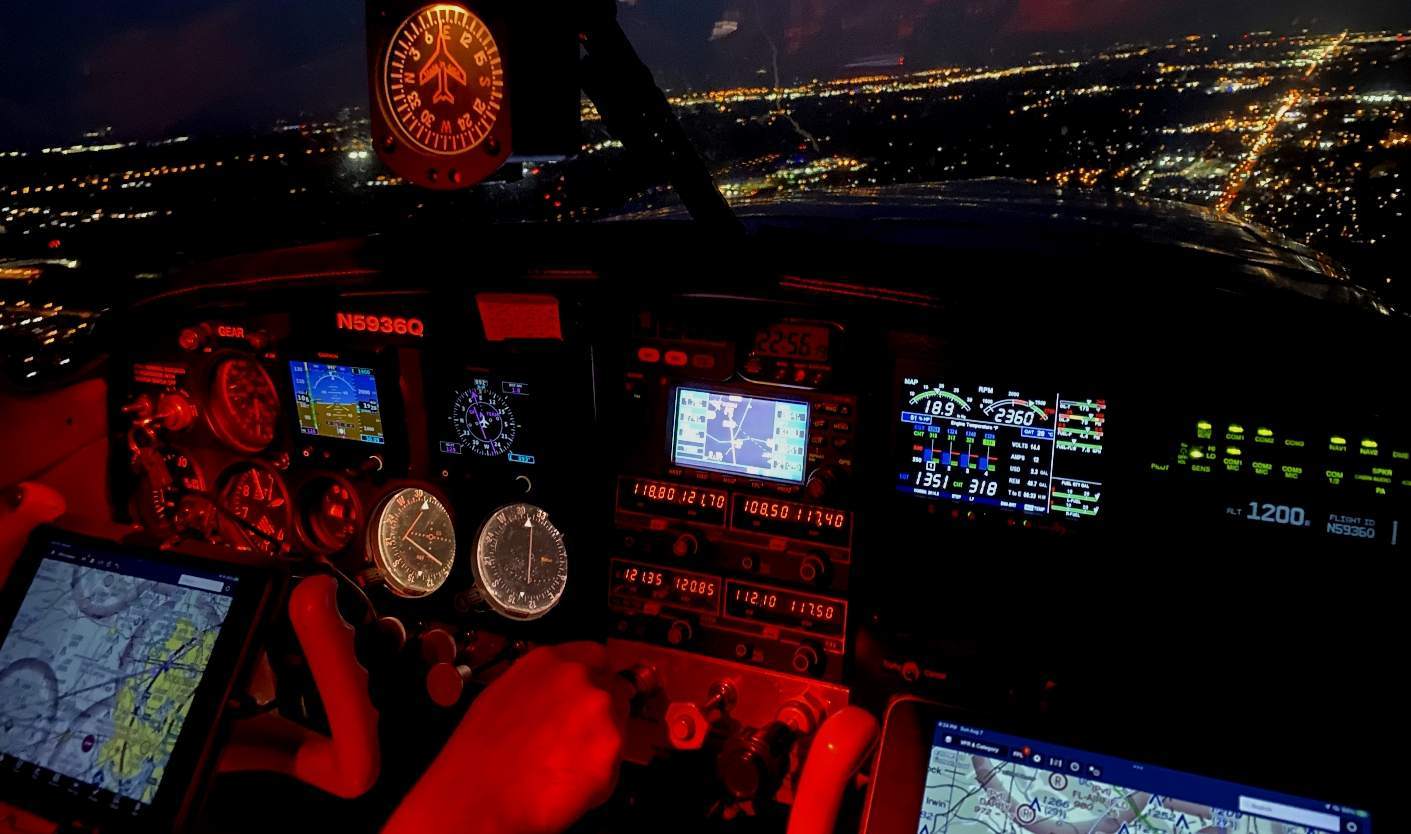
Five years later those supplementary LEDs I describe in my post above are still working great! They dim right along with the incandescents, and now we have multiple dimmable red spotlights. Can't imagine flying at night without them. Here's a good place to get them cheap: https://www.frightprops.com/lighting/led-lighting-darklight/nano-spot-mini-spotlights/nano-spot-miniature-spotlights.html
-
A step works great in the hangar. I used one for years. But seriously: Once the aircraft is outside, to use it before startup or after shutdown, you have to have outside assistance.
-
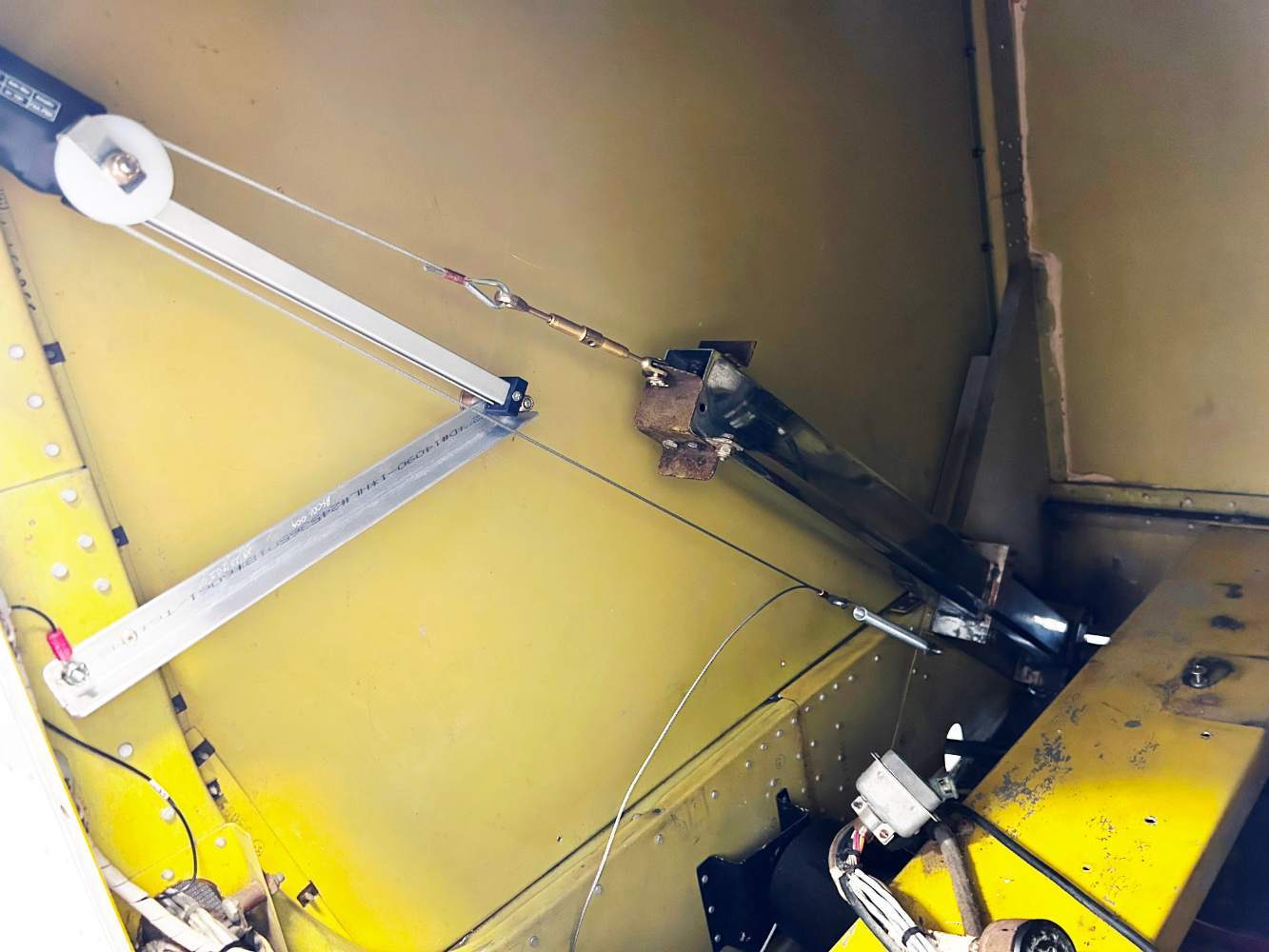
I have the flight enhancement step and am very happy with it. I removed the vaccum system several years ago and lashed the step in the retracted position; just didn't seem right so I finally sprung for the electric step. It's very lightweight, but sturdy and well-made. Many people have it hooked up to the beacon wire; I decided to install a toggle switch on the panel, matching the avionics master right next to it. That way it's kind of like the electric window control in a car (works only when the master is on). Here's a photo of the interior view. Outside it just looks like a normal Mooney step.