
Zippy_Bird
-
Posts
53 -
Joined
-
Last visited
Content Type
Profiles
Forums
Blogs
Gallery
Downloads
Events
Store
Everything posted by Zippy_Bird
-

PC Wing Leveler help needed
Zippy_Bird replied to MarquezJC's topic in Vintage Mooneys (pre-J models)
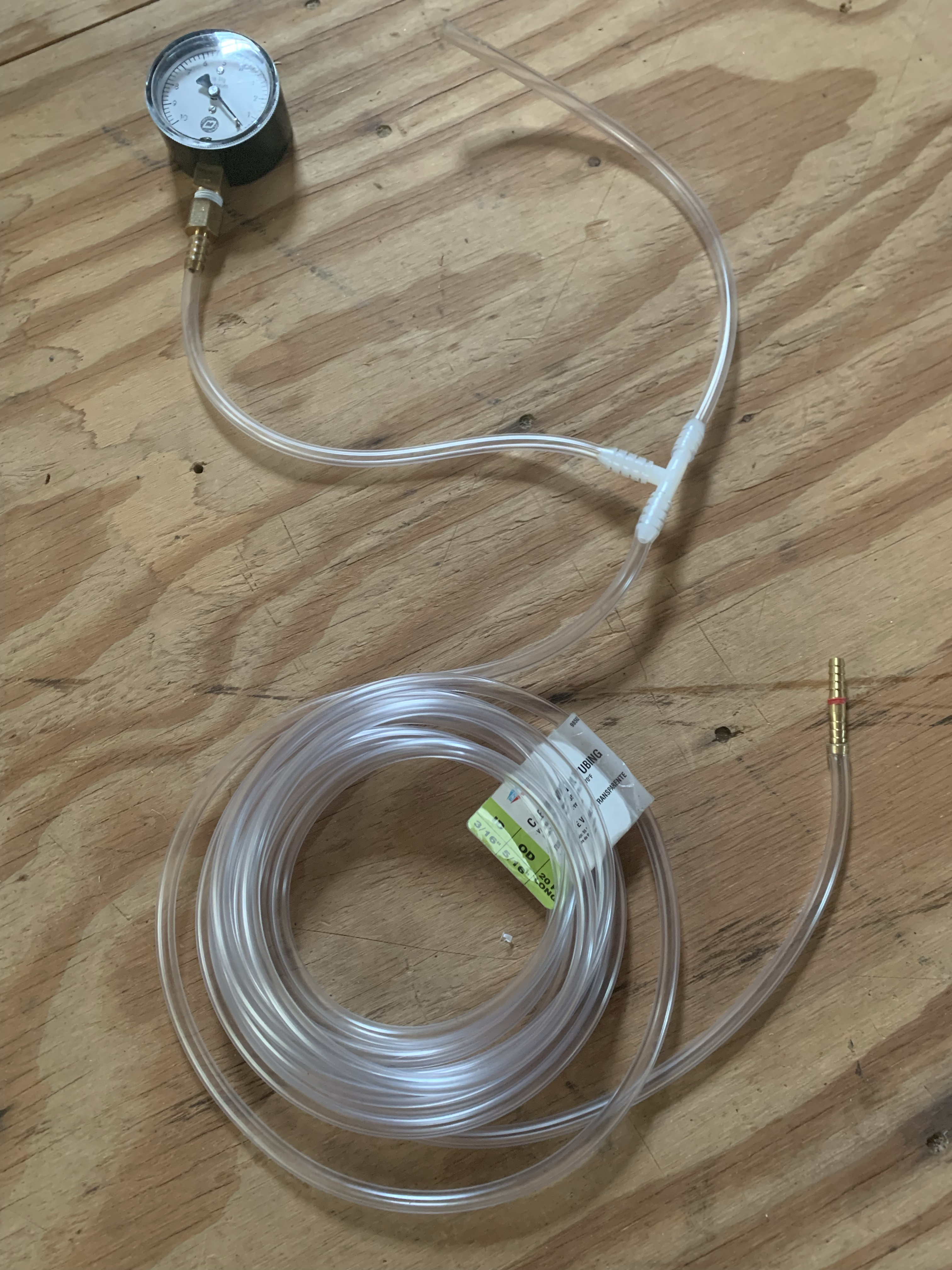
Hi @Cfidave, Here is a picture of my test rig. Pretty simple! The tubing is 3/16” inner diameter and 5/16” outer. The vacuum gauge is +/- 10 psi. Got the gauge online for $9.99 and the rest at Lowe’s. I think it was $25 all in with tax. Definitely worth the investment for those keeping their Brittain systems! Cheers, Z Sent from my iPhone using Tapatalk
-
Seeking Advice - Sell OR Keep N9353M?
Zippy_Bird replied to Zippy_Bird's topic in General Mooney Talk
To everyone who responded a heartfelt thank-you! A couple of follow-on thoughts after reviewing the excellent comments: 1) I found "primary mission" very salient. I went back to my logs. I discovered since January 1st 2020 55% of flights were SOLO, 42% had ONE passenger, and 3% had TWO passengers. I was surprised to find I flew passengers that much, and would expect passenger flights to grow with a sky-suburban that could haul the full family... at least until the boys grow up and decide I'm not cool! 2) The idea of having my cake and eating it too was NOT one I considered. Keep the Mooney and borrow a six-place... I like the idea. I have already put out feelers at my FBO and am making calls to others. Will also hit up my local EAA chapter. I think it is long shot, but worth running to ground before making a big move. 3) Something critical I have not done, that I realized after reading everyone's comments, is I need to take up each of my boys in the Mooney individually with Mom too to make sure we don't have a freak-out. They all love playing pilot in the hanger, but starting the money-to-noise converter and rotating skyward is a VERY different stimulus. I need to clear that hurdle before I do anything. Thanks again to everyone! I'll keep the forum posted as things unfold. Cheers, Z -
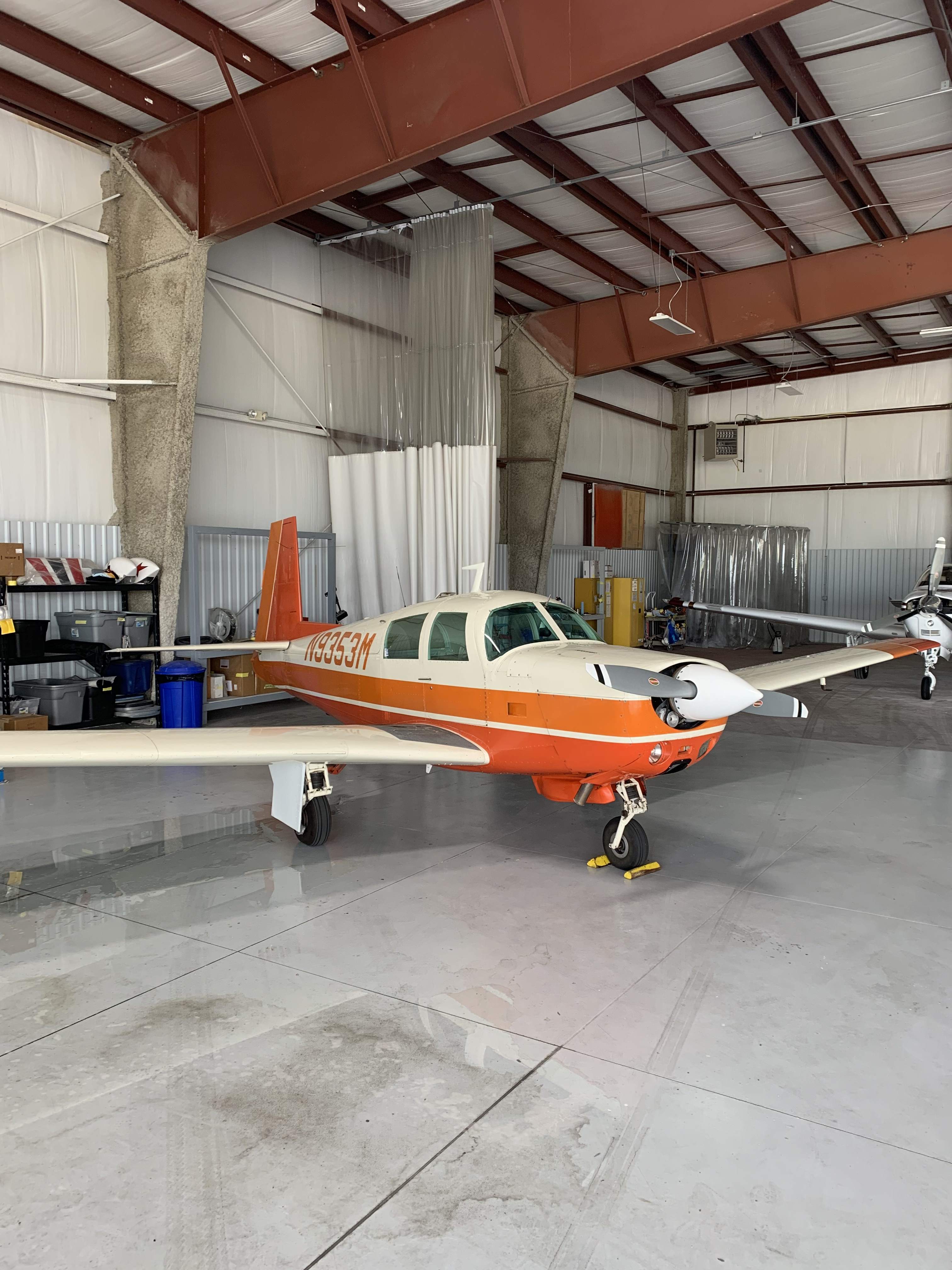
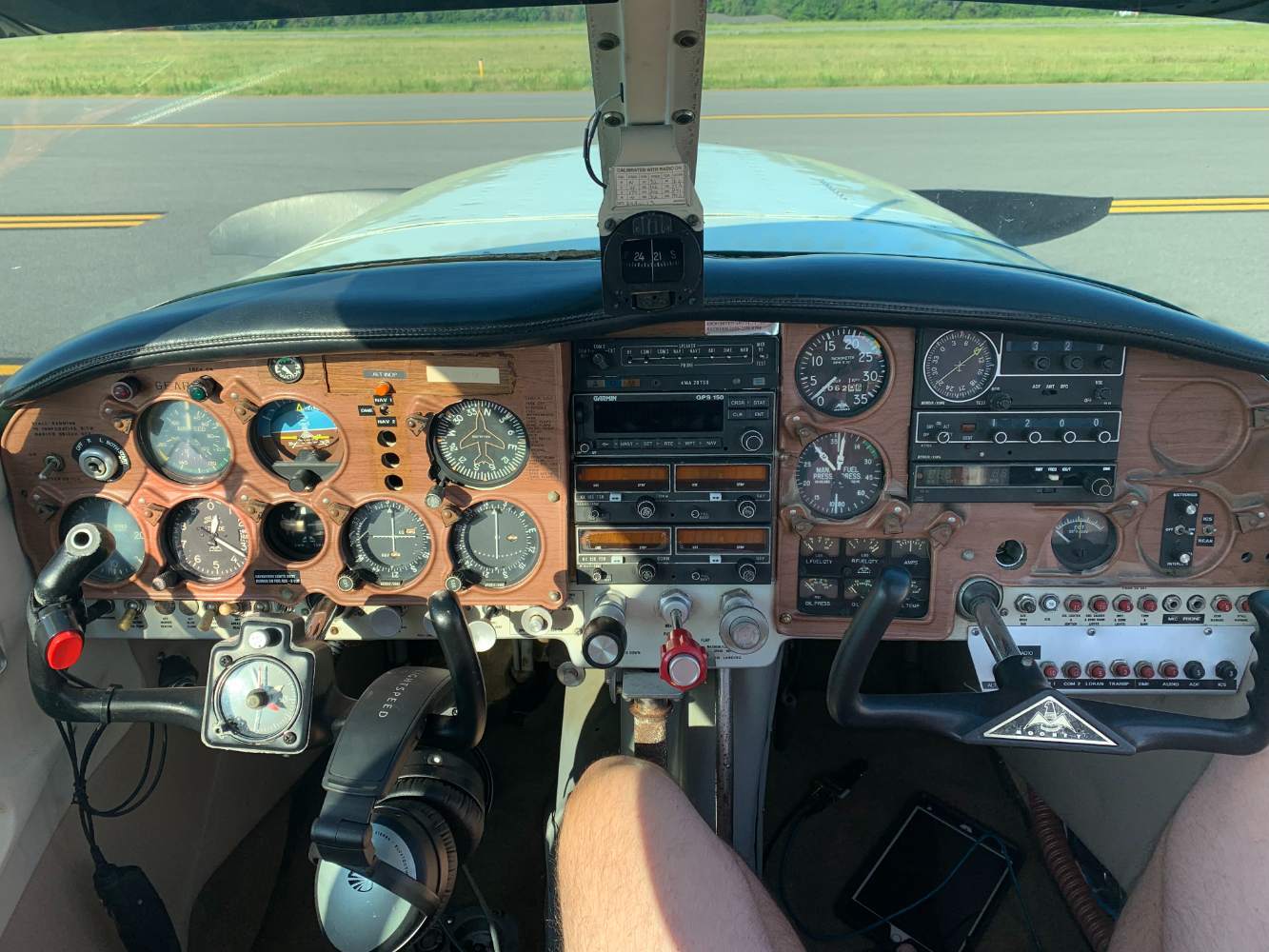
Hi All, I am at a crossroads with my airplane and would appreciate the advice of experienced owners who have bought-sold and bought again. I would like to know the motiving factors behind your decision to change platforms. I have a 1966 Mooney M20E Super-21 that I purchased a few years back from Jimmy at GMAX. This is my first airplane purchase and my first ownership experience. The plane came with some big squawks, but I found a great mechanic and have repaired (or upgraded) my way to a compliant, safe, and great performing bird. It is an absolute blast to fly and I love it. HOWEVER... 1) It is essentially a VFR airplane with old Avionics. It has an old Garmin 150 GPS (VFR only) navigator, two King KX155s with one KI209 head, a King KN64 DME, and a King KT76A transponder with uAvionix SkyBeacon for ADSB-out. I have a Brittain PC wing leveler, but currently no auto-pilot capabilities. Panel is the Mooney shot-gun SIX plus the one KI209 VOR with GS. 2) I really want to do IFR training in my own airplane. While there is an argument I could train in mine now (flying Victor airways doing old-school approaches ILS, VOR, and DME) this is NOT the current state of IFR training or IFR flying. Initial discussion with a local CFII about this possibility did not yield a willing instructor. 3) The estimates I have seen to upgrade the avionics are considerable. 4) I have a wife and three young boys keen to fly in Dad's airplane. Even if I were to upgrade avionics to complete my instrument rating, I cannot family-haul. I love this Mooney. It has some great upgrades (Hartzell Scimitar Prop, PowerFlow Exhaust, Garmin GI-275 EIS, CIES fuel senders). But, given all the above is NOW the time to accept a mission change and get another platform? Not 100% certain trading the Mooney for another airplane is the right move, likewise not 100% certain adding avionics $$$ is the right move either. Maybe I am missing something. Would appreciate some other perspectives! Thanks, Zach
-
PC Wing Leveler help needed
Zippy_Bird replied to MarquezJC's topic in Vintage Mooneys (pre-J models)
Hi MarquezJC, I recently completed fixing an issue just like this in my 66 M20E and the key was good troubleshooting. Here are some instructions on how I built a cheap DIY testing tool and how I did my testing to find a leaking servo. All you need is an analog vacuum gauge from amazon (ideally with +/- 10inHg range), tubing from your local hardware store, and a few push-on hose fittings. I used 3/16 inner diameter plastic tubing from Lowes and corresponding 3/16 fittings. You'll need a "T" fitting, one male-to-male fitting, and whatever fitting is need to attach to your vacuum gauge. Make up a vacuum hose test kit such that with the "T" fitting you have a connection for your plane (10ft hose), a connection to your vacuum gauge (1ft hose), and a hose leg for your mouth (1ft hose). Make sure to "Test" it holds a vacuum by plugging the open line with your finger and drawing vacuum with your mouth. With your plane in a cool shaded place, crawl under the pilot side panel and look upward for the thick red and green lines running into your PC gyro. These are the port and starboard vacuum lines that go out to four servos, two per line (per side). Using plyers you can slide the Corbin clamps away and disconnect these colored lines by hand. Advise disconnecting, testing, and reconnecting one at a time to avoid a reconnection mistake. With your test kit, connect to the red or green line and use your mouth to start drawing vacuum. Note, the yolk will roll to one side. Watch the vacuum gauge as you draw as much vacuum at you can, then "stopper" the line with your tongue. NOW, watch the vacuum gauge closely. In a properly working system it should HOLD the vacuum steady. In my case, the green side held indefinitely but the red (port-side) vacuum equalized immediately after applying vacuum... less that 3 seconds. It was an aggressive leak. Once you test both sides (red and green) you will know a lot! Based on your description of the inflight behavior, I'll hazard a guess you'll detect a leak on your green line (starboard right side). I believe you roll left because the red line (port left side) has NO leaks while your green line (starboard right side) IS leaking. Additionally, even with all the right side trim (extra vacuum on the green line) it still does not overcome the leak. Now, I further guess you do not see this with the Accutrak II AP engaged because that system adds a servo control valve in-line that routes additional vacuum to either side for rolling the plane on course. Again this is just a guess, but I believe this valve is able to "overcome" a leak and is constantly doing so in flight. Assuming you find a leak on the red or green line, you'll want to track down the origin. While the lines themselves can leak it is not common. The servos are the most likely candidates. There are two servos connected to each line/side. There is one servo in each wing (red line goes the left wing servo, green line goes to the right wing servo) and two in the tail. The tail ones are mounted in opposition to each other connected to the rudder pushrod. I advise starting in the tail because it is easy to remove the side panel for testing. You can test your servos by disconnecting the inbound vacuum line and connecting your test kit directly to each. Alternatively, if you have a long hose run like I do, you can stay connected to the vacuum line in the cockpit running the hose out out the pilot window, and walk around freely with your test gauge in hand. In my case, the leak was so bad I could hear the bad servo leaking. Once you find the leak source you'll know what to repair. I know this is a lot. But, if you want to fix and maintain your PC system this Tool is worth building and keeping handy. Once I built mine, I found my bad servo in 10mins. Please let us know what you find out after doing a vacuum test, especially if you find that both sides hold vacuum 100%. That would indicate something else... a gyro issue. Good Luck, Zach -
Hi All, I received a PM with a follow-on question about using a GI-275 with the Brittain AccuTrack. Thought I'd update this old thread with my findings. I've learned a lot. Originally my thinking was a GI 275 could work like a “consolidated Instrument” that would output course deviation information for multiple navigation inputs like GPS, VOR, and Heading, and I could send that to an AccuTrack on one channel (e.g. Heading 1). I was chasing this because I wanted “Heading Mode” for ATC vectoring. In my mind I was thinking the GI-275 had two output pins like a KI-209 VOR head (one for positive voltage deviation Left, one positive voltage deviation Right) AND that the GI-275 internal software smarts would send all course deviation voltages out the same two pins for ALL MODES of operation, including Heading Mode. I thought I could run two wires (L+ R+) from two GI-275 pins into a single channel on my Accutrak and have it all. It sounded like a good theory anyway... When I talked about this with my local Avionics shop I was told the Heading Mode output from the GI-275 is a completely different animal in how it connects and sends data, than how GPS and VOR connect and send data. Apparently it was designed to be backward compatible with the raft of legacy autopilots. That information burst my bubble. Given this and other significant STC compliance questions, I did not pursue connecting a GI-275 to the AccuTrack. Which lead me back to the AccuTrack base camp... I have confirmed two AccuTrack conneciton methods are in use by members of MooneySpace: 1) Direct wire a GPS Head Unit (Garmin 300XL, 430W, 530W, etc) to a channel on the AccuTrack (e.g. Heading 1) 2) Direct wire a legacy VOR head (KI-209, GI-206, etc) to a channel on the AccuTrack (e.g. Heading 2) Each Channel having two wires (+Left, +Right) and each transmitting the correct current and voltage to the AccuTrack. If you obtain an install guide for your equipment, it is usually a quick search to find which output pins correspond to the (+Left +Right) for your output lines. I hope this saves someone from wasting time chasing a ghost! Thanks, Z
-
Torn Brittain servo boot
Zippy_Bird replied to M20E for me's topic in Vintage Mooneys (pre-J models)
If an order is happening for some replacement Brittain BI-706 rubber boots, I'd like to know! -
Thanks C.J. Exactly what I found as well. All analog TCs I researched are built to a specific mounting angle. Most being vertical mount only (0 degrees tilt). My original 2” Garwin is the dead instrument, and indeed had a 14 degree wedge installed to bring it vertical. I have a replacement 3 1/8 now, and am trying to sort how to obtain or make a wedge for it. Any tips on wedge buying / making? Thanks, Z Sent from my iPhone using Tapatalk
-
Hi All, The ancient 2" turn coordinator in my original Mooney shot-gun panel has died, and I need a replacement to finish my annual airworthy. Got really excited about installing a R.C. Allen RCA2610-2 (2 inch) with Digital Turn & Slip Indicator in the existing 2" hole which would have put a digital horizon backup under the primary vacuum AI. This is compliant via FAA AC91-75 which replaces a TC with a second AI having a different power source. It would have been awesome, but unfortunately the bezel of the new instrument was too wide horizontally about 3/16 on each side, which conflicted with the adjacent altimeter and VOR/ILS instruments on either side. Ended up returning it. If others are considering this, it didn't fit in my M20E shot-gun panel. I've looked into rebuilding this bad one or others found on eBay, but everyone I called said that was not viable. Plus, aside from the RC-Allen that didn't fit, I have not found any 2" 14v replacements anywhere. As of now, the plan is to move the 2nd VOR to the passenger side panel, slide the pilot side VOR/ILS one hole over to the right, and open 3 1/8 standard hole by the yolk. There we plan to install a standard size T.C. Question for the group is this... Will the 14 degree tilt on this bottom row of the panel cause problems with a standard TC? I.E. Will we need to install a 14 degree wedge to make it vertical OR, does the TC have the capability to function on a 14 degree tilt like this? I have seen pictures of other Mooneys with a T.C. in this exact same location, but don't know if they are "wedged" or built to 14 degree purpose. Any knowledge folks can pass along would be greatly appreciated! Thanks, Zippy_bird
-
When I bought my M20E from GMAX two years ago, like you I did the log reviews myself with help from experienced professionals. I then hired a local AP to go onsite and do the pre buy. We prioritized the airframe first, engine second. He removed exterior airframe panels and some choice interior panels to inspect for aluminum corrosion and steal tubular corrosion. Airframe came up solid. Engine inspection and test runs also came up solid. With those inspections plus the logs I closed the deal. Hired a local Mooney instructor who ferried the plane to my airport and also did the insurance required transition training with me at home. Now, I am happy with my plane and the price, but this approach missed some things. Had we arranged to fly the plane and test all the instruments and systems, we would have caught some surprises before closing. We didn’t miss any deal killers, but I would have liked to negotiate a few squawks. Assuming the priorities of airframe and engine come good, recommend flying and testing everything. One specific thing I’d look for (and test) is the fuel indication system. If it’s been upgraded awesome, but if original definitely test. Problems can be in gauges or senders and can result in an non-airworthy condition. Flight instruments can often be replaced one for one without much fuss, but repairing the fuel indication systems sucks for many reasons. Good luck and keep us posted on the purchase!
-
Hi All, sorry for the late reply. Been away from MooneySpace for too long. Kevin Westbrook is still going strong and earlier this year rebuilt, tested, and 8130’d a number of Brittain PC parts through Porter-Straight for me. These included a pilot control value, a servo control valve, a brittain basic PC gyro, a B-11 accutrack, and a B-12 accuflight. Cecilia at Brittain sent across the STCs for my bird at no cost! Can’t beat that. Also have a spare TC I considered sending over for rebuild, quoted $850 at the time, but my setup doesn’t need one. Highly recommend contacting Kevin and sending your brittain parts over for rebuild while you can! Sent from my iPad using Tapatalk
-
Stuck Fuel Tank Access Covers
Zippy_Bird replied to Zippy_Bird's topic in Vintage Mooneys (pre-J models)
We got ONE off using this technique. The others... not so much. Other suggestions? -
Stuck Fuel Tank Access Covers
Zippy_Bird replied to Zippy_Bird's topic in Vintage Mooneys (pre-J models)
Hehe. Mooney airplanes do two things... Fly fast and Leak! -
Hi all, Currently in the middle of my first N9353M annual with my trusted local A/P. All has gone well up until today. We need to get into the Fuel tanks but someone incorrectly used "standard tank sealant" on the tank access covers versus "low adhesion sealant." These suckers are stuck-on TIGHT! Does anyone have suggestions or hacks on how to get these off without damage? Any feedback is much appreciated! Sincerely, zippy_bird
-
M20J Left Roll Tendency In Cruise
Zippy_Bird replied to hangareuro's topic in Modern Mooney Discussion
I’ll ask an obvious question since I didn’t see it mentioned yet… what is the fuel balance between tanks? My M20E presents a strong turning tendency away from an empty tank. Sent from my iPhone using Tapatalk -
Hi All, I recently had two separate attempts by scammers on MooneySpace to lure me into a trap. Because they were so close in time I made some observations on their techniques. This is what I noted. I hope others find this helpful: Firstly, they started chasing me only after I posted a question to a real classified thread. This leads me to believe that once a legit seller posts an advertisement the scammer “follows it” to receive auto notifications. Then once a member (like me) posts a question to a real ad the scammer gets auto-notified of a potential target and goes to work quickly. Secondly, and this is were its gets dirty, the scammer private messages a member target with a link to the original forum ad and subject line and text content in such a way that it looks like the member target is getting a legit response to a real question they just asked in the forum. Some nice words accompany a phone number, and with that they hijack the conversation. Please know It can look convincing. Had they not made a grammar error on the first attempt I may not have paused to reassess the communication. Folks may have different thoughts on how best to deal with this but I plan to: 1) private message sellers directly with any questions I have about an ad rather than posting those questions on the classifieds thread for a scammer to see. 2) when I post an ad I will explicitly tell folks to PM me directly and to not post questions on the ad. 3) I will delete old ads and repost as necessary versus bumping ads to break the thread following feature the scammer needs to target folks. Thanks for reading, Good luck out there! Z Sent from my iPad using Tapatalk
-
Agree with the above statement. Did my training in my plane after purchase. My thoughts are that regardless of insurance policy one should choose to do transition training in the insured airplane for optimal safety... especially if one is stepping-up from fixed gear and fixed prop. An individual airplane's STCs, Avionics, and minor modifications all make a difference in the cockpit. Every situation is different, but I'd give the training a hard gut-check. It is a good idea to transition train in one airplane then jump into a different airplane for a fingers-crossed solo? Maybe it is. Maybe it is not. For the insurance nerds I have a quick story. When buying my plane the initial Avemco policy stated: "Prior to solo, must receive not less than 10 hours dual flight instruction in the insured aircraft or one of the same make and model to include not less then 10 takeoffs and full-stop landings. They must also obtain written approval from that Certificated Flight instructor who is current in make and model." Standard stuff, but I found the "same make and model" language vague considering models across the years. I reached out to Avemco and asked for clarification on "model" exactly. I thought there would at least be a difference b/t the Lycoming's and the high performance Continentals but surprisingly NO. For transition training purposes they see all M20s as the same. Really?!?!
-
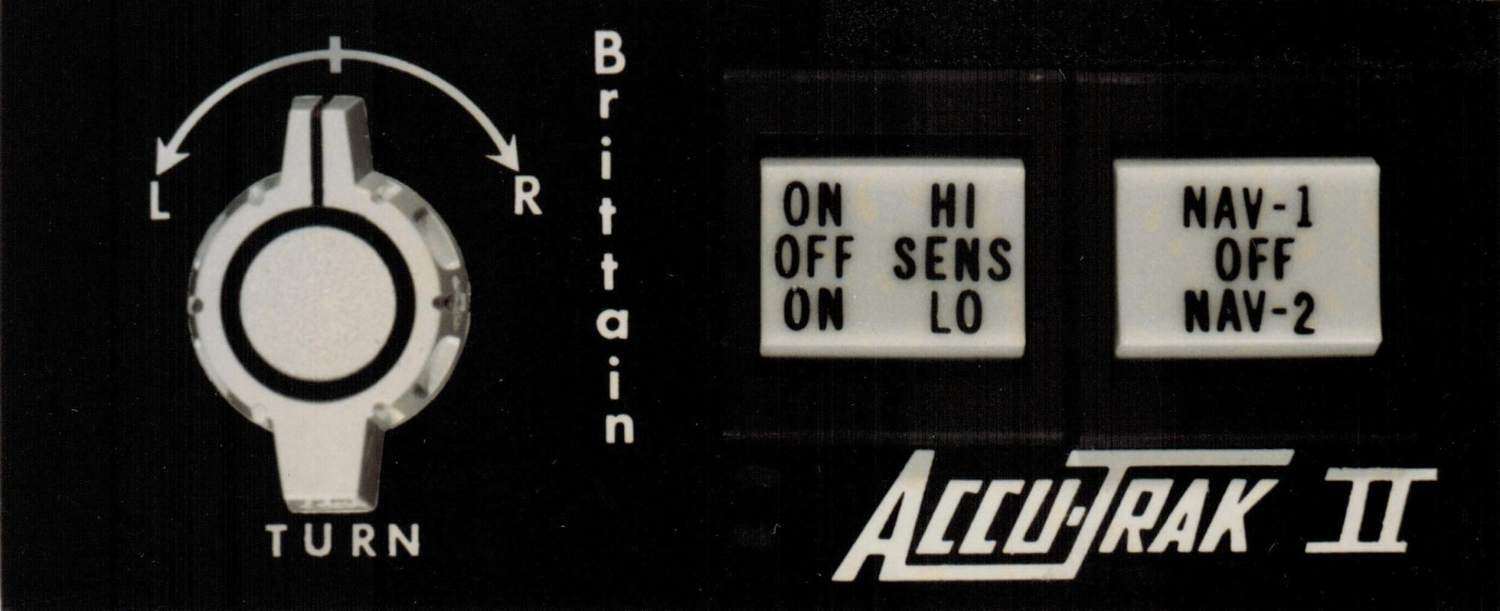
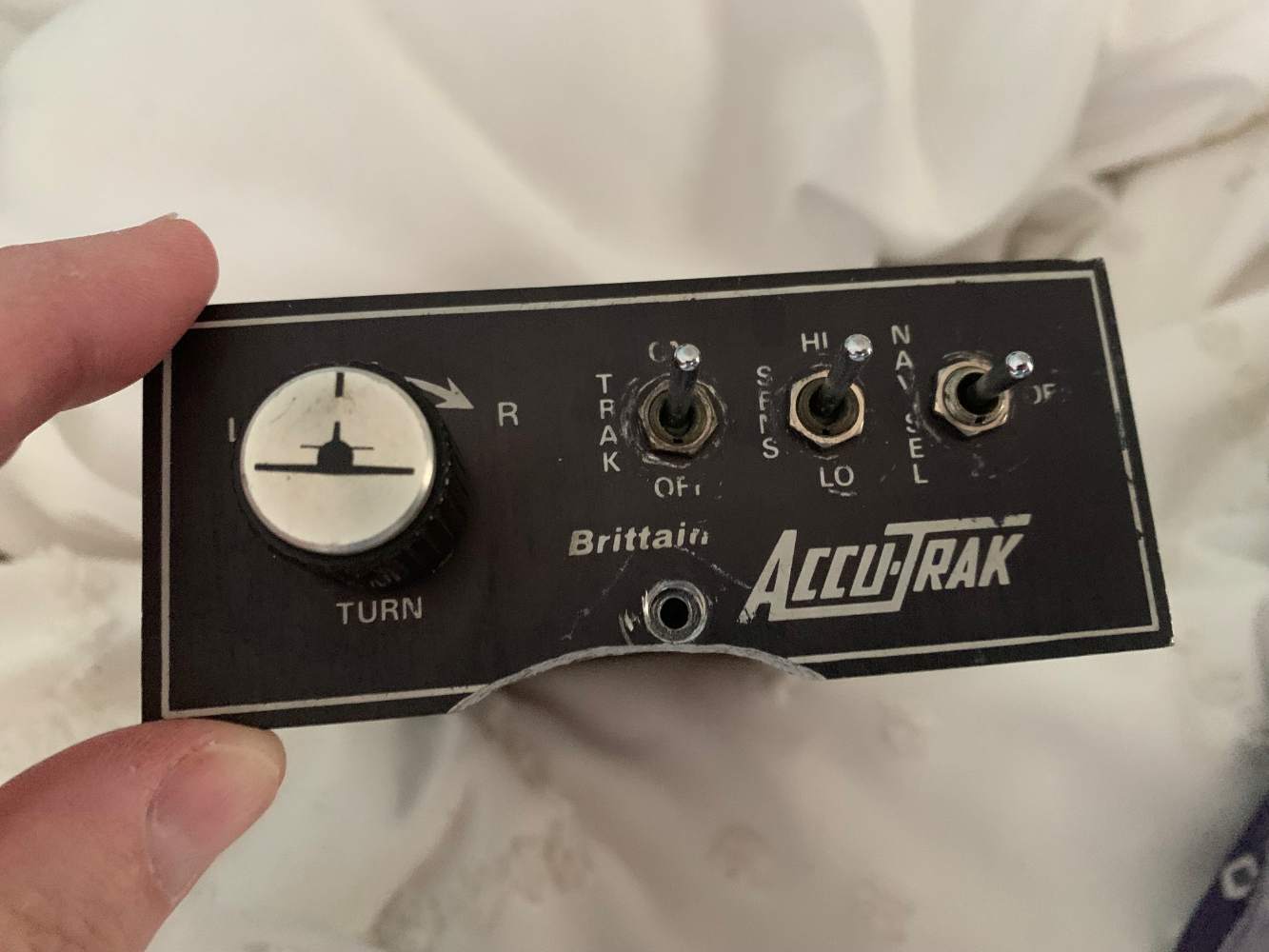
Hi @Jeremyjford There is no functional difference between an AccuTrak I and an AccuTrak II. The guts inside are exactly the same. The only difference between them are the switches and face plate. You have a version 1 there with heavy duty toggles and screen printed face plate. If you want it illuminated, use over-head map lights or install post lights adjacent. The Version II has plastic rocker switches that are backlit and can be connected to a dimmer input. Also, the face plate is decaled verses screen printed, which some find less fancy than version 1. Anyway, I have attached a version II picture below. I looked through my pile-o-stuff and found an AccuTrak I but the face plate is not great. It was tight-mounted above a round instrument and unfortunately "trimmed." See picture below. Its ugly, but If you still want to swap face-plates just PM me. No worries if not. As an aside, I found @Hank's suggestion intriguing. I had not thought of using a trophy shop. In your case you could remove the faceplate and give it them as a pattern. From there you could either give them an image of what you want or you work with them to do something custom. I need a face plate to mount my AccuFlight On/Off switch. If an original part doesn't manifest soon I will definitely pursue this option. Sincerely, Z
-
Hi @Jeremyjford, Couple of quick questions... Could you attach a picture so we can see the vertical unit/faceplate? The AccuTrak box came in two versions. Also, are you wanting to trade your entire B-11, or just swap the faceplate like Igor_U suggested? Does your TC-100 EVS have a failure flag on the faceplate and the power inverter attached? These are VERY sought after. K.W. is looking for one now! While you are mulling these over, I'll look through my Brittain pile-o-stuff. I may have some of what you are looking for. Pretty sure I have a B-12 adaptor and maybe a horizontal B-11 unit. Will keep you posted. For you and others, I am looking for an AccuFlight II face-plate (Part # 112-016) AND AccuFlight II Switch-Cable-Plug (Part # 234-017-500). Thanks, Z
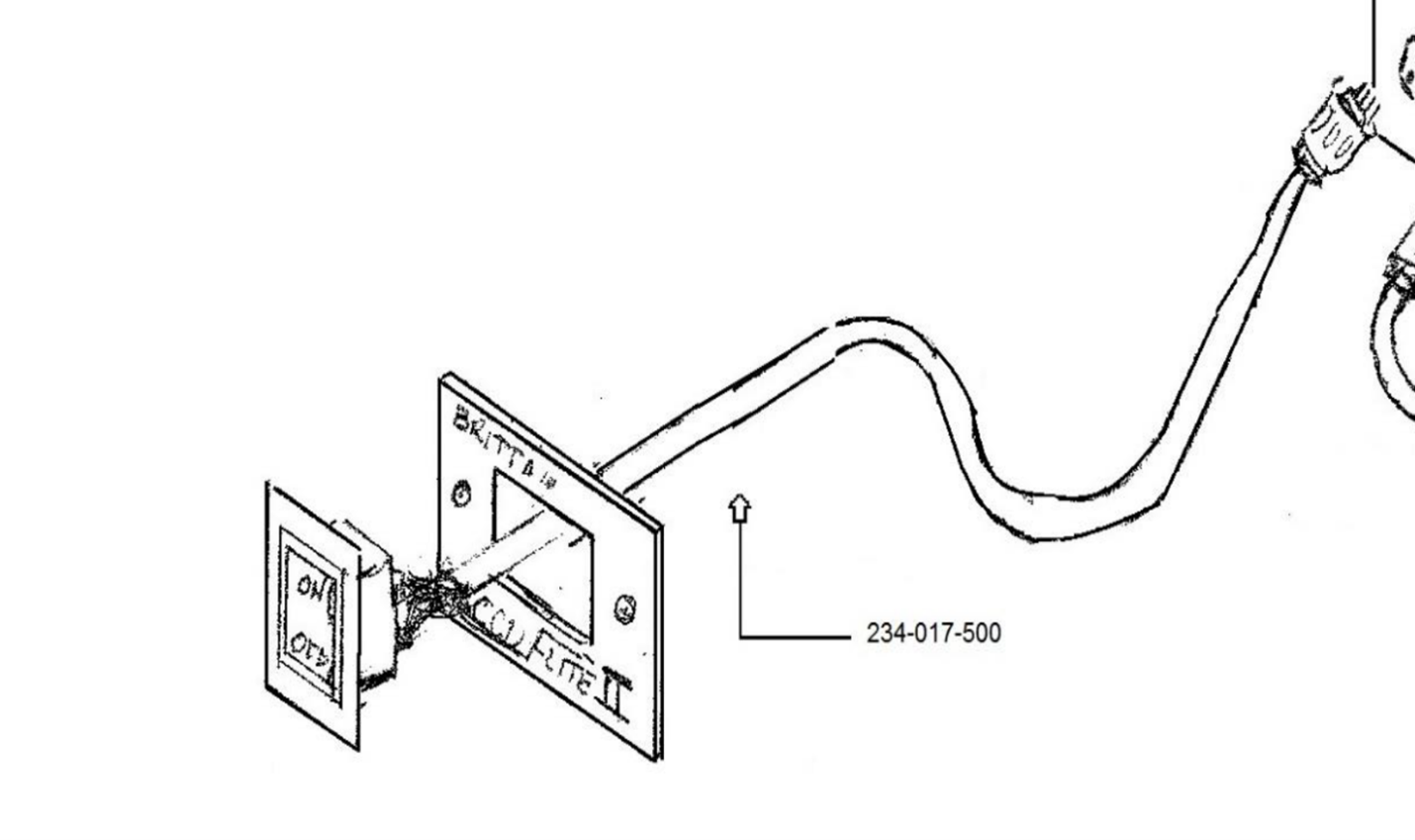
-
Hi All, One last question before this thread slides into history... has anyone used a Garmin GI-275 to drive a Brittain AccuTrak? It seems to me that if this were possible, it could help bridge a gap when upgrading avionics, particularly if one plans to get a GFC500 eventually, but can't muster the funds to do it all in a single install. Thanks to everyone who added to the discussion! Z
-
Shiny new Beacon going on birdy tomorrow
Zippy_Bird replied to McMooney's topic in General Mooney Talk
Hi @McMooney, What make/model beacon is that? I still have the original beacon on 66 m20e, but would like to upgrade it during next annual. Thanks, Z -
Yes. I have looked at the AV-30-C very closely and my AP/IA installed one last year for a fellow Mooney driver. The STC has some strict limitations that may make it less appealing for some, but for others it may be just right. You can find the full STC doc on their website, but to paraphrase: Absolutely no autopilot interfacing of any kind allowed It cannot be installed as an HSI If replacing a primary AI the airspeed and altimeter must remain where they are A wet compass must be installed Its my opinion that if one needs to replace an aging primary vacuum AI, and would like a non-vacuum replacement that is plug-in-play, it is perfect for that at $2,300. But, it is NOT an IFR instrument. Even if you don't want an HSI you cannot use it as a CDI for IFR approaches. Dig deep into the install manual. You'll find a section stating that the instrument's RS-232 GPS interface transfer protocol "Does not provide IFR compliant lateral or vertical guidance, therefore all deviation related data presented is for VFR operations only." There is the rub! However, one thing in its favor is the ability to function as a transponder controller for their TailBeaconX. The TailBeaconX is both a Mode S Transponder (ADSB-out) and a WAAS GPS source. So if you also need ADSB you can by buy both in a bundle for $4,600. I point this out because I have the aforementioned King KT76 transponder living on borrowed time, that is interfaced with an older uAvionix skyBeacon TSO. If the king dies tomorrow, I am grounded. BUT, I can buy the $4,600 bundle and trade in my skybeacon for an eye-popping $1,200 rebate on the purchase price. $4,600 - $1,200 = $3,400! That is a lot of avionics bang for the buck! Anyway, I'll leave it there. Starting to sound like a work at uAvionix! Sincerely, Zippy_Bird
-
Hi @Mellow_Mooney I am in the same boat. Have mostly the same avionics only difference being the VFR GPS. A few things on my mind: - IFR GPS aside the condition of all other required avionics. The POH specifies instrumentation required for IFR flight, and in my case the ancient 2" Turn and bank coordinator is dead so that is part of my upgrade conversation. Hopefully everything you have is working great. - An older CDI maybe compatible with newer IFR GPS signal sources, but may require a separate annunciator panel be installed for legal IFR flight. The documentation of the make/model of the CDI should illuminate installation requirements. If I go with a CDI, I'll likely purchase a used GI-106A or GI-106B and ditch my oldest VOR-only NAV head. Those models have the annunciators built into the faceplate. - If I piece-meal together a system I need to account for an IFR GPS Antennae to replace the current VFR one and also account for the wiring harnesses. - I have looked into installing used avionics (with 8130 forms) but the issue there is HOW to install them. Finding experienced folks willing to install equipment they didn't sell is in short supply. There is a robust market for used avionics, but not so much for installing them. I am looking into it, but good money into old equipment is a question mark. Is this the "forever plane" or a "good enough for now" plane? I have not decided. ;-) - My local shop gave me a quote this past winter to do Two(2) Garmin GI-275s and one GNX-375 (GPS NAV/ADSB-IN-OUT/Transponder) for $16.5K. One reason I point this out is because the Garmin STC allows a pair of GI-275 to eliminate all other avionics requirements. A six-pack can become a two-pack. This differs from the Garmin G5, uAvionix AV-30-C, and the RC-Allen Mini 6. All these require current avionics to remain in their original installed position. This is not something you asked after, but this solution kills two birds for me. - AN analysis paralysis I am experiencing is due to Brittain auto-pilot integration. I really really want to install a Brittain B-11 Accutrak to augment my basic wing leveler and I have collected all the parts. Just about to send them out for rebuild. Interfacing a modern GPS Nav with this old-school kit takes some thinking. Old CDIs do it easily, but not sure a new GI-275 can. - One last thing then I'll finish. Have you considered doing your IFR training and check-ride in the plane as is? Good or bad I have been thinking about this. Both our planes are equipped to do an ILS, VOR, and DME approach. Three approach types. How did folks get their IR before GPS? Maybe not my best idea, but its an idea. Thank-you for starting this thread! As I learn more I'll parachute in to add what I learn. Sincerely, Zippy_Bird
-
Thank you all for the valuable insights. Installing both is the way to go. Decision made! Question for the AccuTrak (B-11) folks... What methods are you guys using to drive the AccuTrack NAV1 and NAV2 inputs and with what hardware? I currently have two old-school Bendix-King VOR/ILS/GS heads driven by KX-155s that should play nice with the AccuTrak NAV1 and NAV2 inputs. I am however looking to add IFR GPS navigation as soon as possible given budget constraints. May do it at the same time as this install if I can swing it. Based on comments above it sounds like most have GPS navigation paired with the AccuTrak, but how and with what? My understanding of the documentation suggests an analog output capable navigation/CDI head MUST BE INSTALLED to serve as an intermediary between a given navigation source and the AccuTrak controller for the purpose of generating the required volts/amps input signals for the AccuTrak. Upstream from the NAV/CDI head, one can have their avionics of choice, but the signal MUST pass through an analog output capable CDI... or so that is my understanding. In other terms, if one is rocking a modern WAAS GPS they also have a modern GPS/VOR/ILS/GS CDI (like a Midcontinent GI-106A) routing signal to the AccuTrak? Is this understanding of a modern GPS setup correct, or are there other methods? As always thanks so much for the comments. Getting excited for the install! Sincerely, Zippy_Bird
-
Hi All, Hope everyone is enjoying some good Spring flying! Seeking opinions today from folks that fly the Brittain AccuTrak and AccuFlight systems in their Mooneys. Specifically I am trying to understand if folks have one or both installed, and in the case of both, is one more useful than the other? My bird came with a basic Brittain wing leveler which I love and over this past year I have been wanting to enhance my basic system with more advanced features. I don't have piles of cash right now to buy a fancy new autopilot, so instead I have been collecting components piece-by-piece to install the Brittain Accutrak (B-11) & AccuFlight (B-12). The MS forums and resident expert K.W. have proven priceless in understanding these systems, and I am grateful to all who have shared knowledge. Currently I am at the point where I need to make my final install decisions and send components off to Porter-Straight for rebuild and yellow tag. My question to the forum is this... Should I install both systems (the AccuTrak AND the AccuFlight) or just one system (the AccuTrak OR the AccuFlight)? If just one, why? Always appreciate the diversity of thought and opinion on the forums, and often discover things I never considered. Thanks in advance to anyone who throws in a word! Sincerely, Zippy_Bird
-
Panel Upgrade Complete - Avionics for Sale
Zippy_Bird replied to Sheriff23's topic in Avionics / Parts Classifieds
Hi Sheriff23, What year is your M20F? I have a 66 M20E. I would like to know if your senders are compatible with mine, and if so do you still have them? Going into Annual next month. Would love to have some correct and good spares handy. Thanks Z