
Microkit
-
Posts
126 -
Joined
-
Last visited
Content Type
Profiles
Forums
Blogs
Gallery
Downloads
Events
Store
Everything posted by Microkit
-
It's official. “Check Landing Gear” optional audio message will be part of the firmware. We just received the final FAA approval to add Voice Reminders to the LHS unit. This addition also allows us to add other voice reminders in the future without having to go back for further approval as long as the reminders are just voice alerts or announcements and not physically connected to the airplane system. An idea that just came up; a reminder to switch fuel tanks which can be repeated every 30 min. Though for sure not in the first firmware release (can be updated via downloadable file later on). The “Check Landing Gear” is going to be part of the first release and can be enabled using the Wi-Fi. It will be announced after the first height announcement is made. Thanks to everyone who sent us requests and encouragements to start talking with the FAA about this now, rather than later next year as initially planned.
- 542 replies
-
- 13
-

-

-
We got a request from a "Pilot" asking if they can send in their "significant other" voice so we can generate the binary file to be uploaded to the unit. We said sure! The received file contained the correct callout (in a frustrated manner) but at the end after “0”, there was: “You know you are a little bit off the centerline” message! We decline to disclose if the pilot was a male or female And before you guys start pointing fingers at someone here, this was last year with a twin-engine AirCam.
-
Yes. Already available on experimental and we planned to talk to FAA about the firmware update early next year, but seems due to great feedback about this feature from many, we will initiate the firmware update approval now and check in with them to see their feedback or first reaction on idea. So far, we expect to have the customer decide on the alt, probably 70’ or 50’ or maybe both. Message needs to be short so the next height announcement is not missed. So probably “Check Landing Gear” or “Verify Gear Down”
-
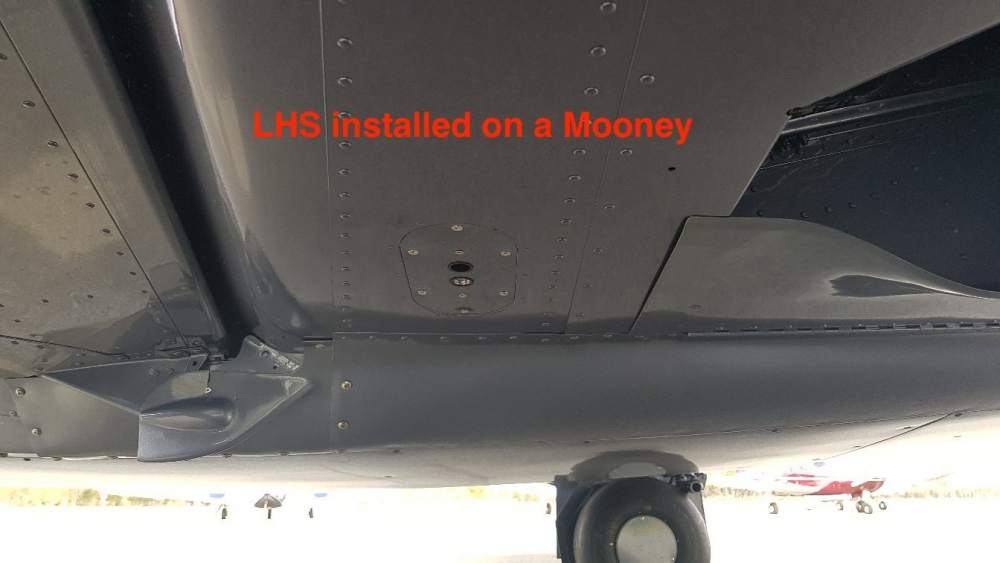
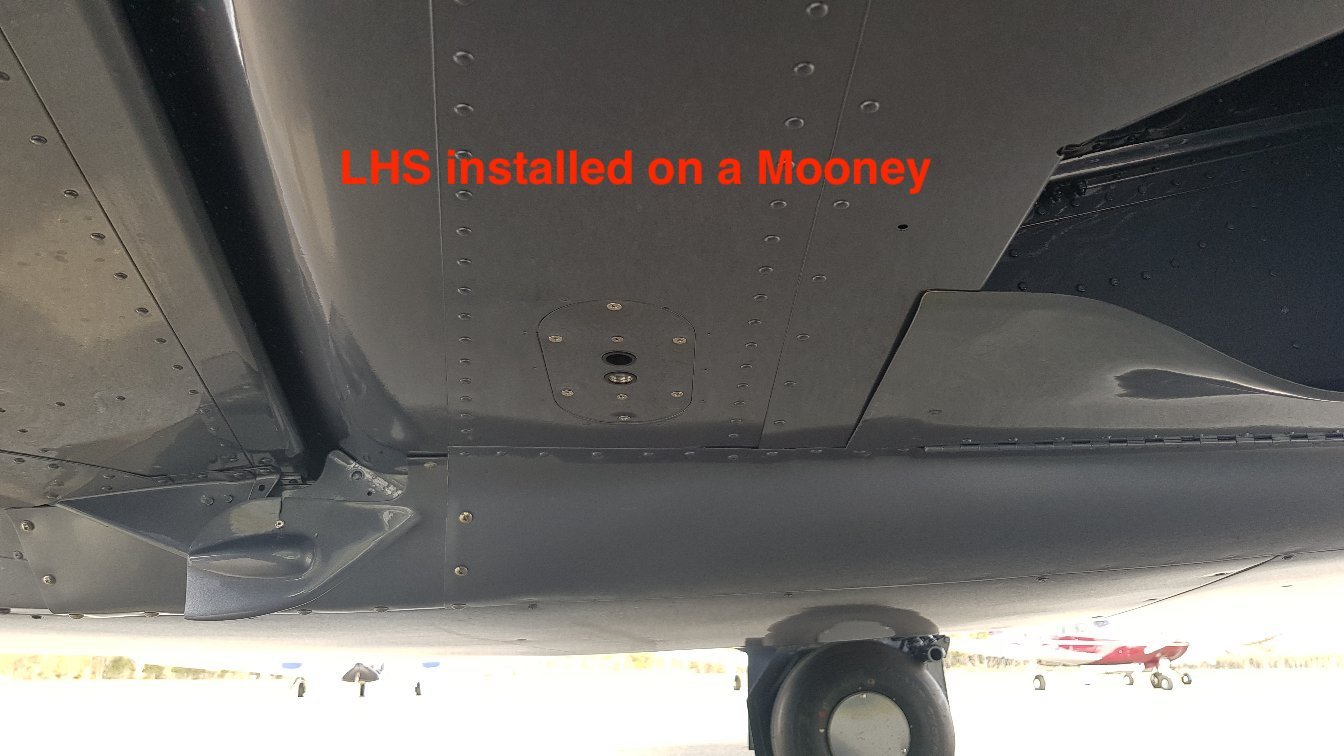
Thank you. The photo of the Mooney and Cessna we have on the site actually taken by customers themselves after installation and satisfactory first flight.
-
. 1) Yes. International shipping option already available on the online store. Needs to be signed off by A&P or IA. 2) it’s been done before. And that was before getting the FAA NORSEE approval certificate. I am sure after the certificate it may help a little (or a lot). Currently, countries outside the US do not recognize NORSEE similar to STC just because it's still new. The few cases it was done, a special approval was granted just for that registration. 3) We are not sure about the long range tanks and I hope someone here can chime in. Also, if you don't have an annual coming up, you can open the panels to check.
-
We do in fact have a lot of professional airline pilots (airlines and charter jets) who order it for their personal airplane. They all share a similar comment: “I will take any aid I can get”. There are many (and some are saying the majority) of GA (personal, non-professional) pilots only doing an average of 30 hrs a year of flying. That's less than 3 hrs a month. Which will probably come to 2 or 3 landings a month at most. And those who did not fly for a while. The confidence level is low, only on the landing part. Not the takeoff, or straight & level. They are secretly worried if they are going to screw up the landing after some months of no flying. Also, a weak landing light at pitch-black nights. The FAA and many others have several articles about optical illusions listing contributing factors such as runway width & length, runway and terrain slope, Water refraction as rain on the windshield can create the illusion that you're flying at a higher altitude making a hard landing a real possibility and other factors such as haze and fog. Many uses it to train themselves to hear 50 on top of the edge (or numbers) of the runway. Others just want the perfect landing each time. Each develop their own technique, some told us they come with power, hear 5 reduce power slightly, hear 1, power out and flare. Others said they hear 70, put power at 10” MP and never have to touch again till 1, compared before where they keep playing with power more/less till the flare. And there is also the personal confidence factor in general regardless of the training. Here is an actual comment found on VAF forum from an RV customer in Australia: “Obviously it doesn't replace technique, observation and knowing your aircraft but I think as a training aid it could be very useful. I used it when I flew into a RV event here in Australia at the old WW2 base at Temora. My local runway is narrow, the one at Temora is about three or more times the width, the system really helped with my confidence around the perspective issues (not wanting to bounce the length of the runway in front of a 1000 people)”
-
Philip, Since Aug 2019, all experimental units are shipped with approved certified components such as the control unit components, Wi-Fi, Audio subsystem and laser element. So same base firmware. Though slightly different. It's the same regarding the Audio system and callout. Installer needs to select using the Wi-Fi that this is for Certified System to comply with the installation instructions. Certified units can be installed and bought for experimental, though not the other way around, installer will not see that option in Wi-Fi, making the entire installation invalid. Regards Nidal
-
The LHS only announces the height through the audio/intercom system. Considering it kicks in 100ft AGL and below, you don't want to be looking inside at the panel that low.
-
Thanks Glenn. The gang at KLOT are awesome.
-
My bad. My reply to your original question was: No it does not compete. Yes you can keep it. Yes, you can install the LHS and it does not affect the P2audio or change any of its operation. Of course, each system should have its own audio channel.
-
@Eduleo, I have to say it really depends on the airplane panel itself and type/model of the Audio Panel or intercom currently installed. For example, it took just less than two hours to get it installed on the Piper. With most of this time due to fabricating another aluminium inspection plate. Wiring through the wing to the back of the aircraft panel was less than 15 min as wires are prepared outside and pushed through. Hooking the audio to the Audio Panel ADF audio IN was also fast as the wire was already out to the old ADF unit tray. The customer with the Mooney was charged for one hour only, mainly because the entire audio stack was out for an upgrade so getting wires to the back of the audio panel is direct so he was only charged one shop-hour. In general, the most “fun” part of the job is reaching the audio panel to either insert a pin into an unused audio channel or to reach a wire back there. If in doubt, its a good idea to talk/chat with your regular A&P or a mechanic friend to get an estimate. Regards Nidal
-
@ Eric, No it does not. Yes, you do need to keep your P2Audio as the LHS mentioned here is only for Landing Height and not related to the gear status. Note, the LHS needs to use its own audio channel. To clarify, I am going to edit my previous post which we talked about our other system (only for experimental airplanes at the moment). Regards Nidal
-
@carusoam Definitely. Our Gear-Safety product is very popular in the Lancair/Glasair/Velocity market. I think the reason the older gear warning light & tone is not making us notice right away is due to the Glass and newer equipment. Almost all of these make tones and hearing a tone or buzzer in the cockpit without an actual audio message does not grab our attention at once anymore. I remember 25 years ago, If I heard any buzz or tone, it would get my attention immediately and I would start looking all over the panel to see what's the issue! Now with all the "high tech" parts, our brains are not processing it as an urgent or danger tone. Many features can be added just by hooking up to the Pitot/Static and to the Gear-Up Switch. Such as audio warning that the gear switch is at the Up position after maintenance, not allowing the gear to operate before set airspeed, constant audio warning when the gear is still up and the speed reached a certain speed, automatic activation of the gear by just simply bypassing the gear switch and supplying power to the gear-down part of the switch. EDIT: Just to clarify, this gear-safety unit is a different system, only for experimental airplanes. These features are not available in the above mentioned LHS.
-
@Don, Any side. Any access panel. The spread of the laser beam is small, about 0.5 degree at the bottom base of the unit. And it increases gradually till it hit the ground. So it can be installed near the Landing Gear but care must be taken to make sure the beam is not seeing the landing gear itself or fairings. Normally 2" away is fine. The manual shows how to check the beam before even making holes by holding it by hand or tape using a 9V battery if in doubt.
-
@John. The laser elements do not suffer from "signal lock" issues at all. The unit fire beams continuously. The 100' is slightly faster in acquisition and interrogation than the 70' due to its much higher range. Many pilots see the 100' as an extra advantage. We have a RENO racer who selected the 100ft "obviously". The unit calculates the range in just milliseconds and it only needs a few readings to build the profile. We have an 80%-20% market range between 70-100' units so far. But we are seeing more and more requests for 100'. This is mainly due to the fact that the 100' introduced 18 months after the 70'. As you can see in the Simulated Engine Out video above, the unit decided this airplane is landing just in a 1' or 2' when the nose just dropped.
-
@Don. Yes. We did not mention that to the FAA during the process and it is for sure on the list for middle of next year, and will be optional selection from the software for those with RG and wants to hear it. We also did not mention or submit our "Water" based sensor, we have the same exact unit that will work over water, it uses Ultrasonic as Laser does not work for water. We did not mention any of the "extra" features in mind because we did not want them to freak out at us! We do have "Check Landing Gear" audio message, not on height but based on speed and actual condition of the gear. If speed reached a pilot-set speed and the LG still up, it yells at you and keep yelling!, and optionally even drop the gear automatically if after some seconds the yelling is not working! Of course, experimental only for now, though I've got some indication from the FAA team that this can be discussed later on, but I am sure it will take a year or little more to get moving on this. The only real hurdle with this concept is the unit needs to be connected to the Pitot/Static lines. Some NORSEE approved unit now can connect to the Pitot/Static lines so things are moving towards the right direction for NORSEE approved units.
-
The announcements are based on the "solid" surface below you. Once you are in the "zone", the unit will say any mark is seen with consistent readings. The zone is 130' and below. (for 70' unit) and 200' and below for 100' units. So the unit uses the "unannounced" buffer to build a landing profile of the airplane. Based on this landing profile, it callout the predetermined marks, even if the airplane goes higher. This is why it works in go-arounds (as seen in the Low Approach segment of the night video above). So if you are passing 70' then 50' above a hill, you will hear 70 then 50, then the unit sees a higher range after passing the hill, it will start re-building the profile and it only takes a few feet of descent to know you are still landing, and will give you the 70' again. Regards Nidal
-
To be honest John, I think the only addition we will be trying to get with the 100' unit is probably 200' (or 250) mainly for the LPV/IFR that have the minimum at that mark as an extra aid. We have a custom firmware for experimental airplanes (only a handful) that are high-performance airplanes such as Pressurized Lancair IV who do hard-core IFR and keep asking us to go higher and higher on that unit. The FAA really did not want to discuss anything above 100' and kept reminding us to choose, either discuss lower limits or higher but not both. Main concern (even to us); pilots abusing the system in IMC saying they did not hear 200' so it means they can go lower! I also want to make it clear that going higher is a low-chance. As many mentioned, the real value is the lower. I would not recommend anyone to get the 100' just for the possibility of higher limit, that may or may not happen. I tell you what, if you got the 70', and within 2 years, the 100' got approval to go higher, we will replace the 70 for free. Even though we can add extra features, the software/firmware change process for certified airplanes is really tough and needs to go back for approval. We were asked to add a "Check Landing Gear" reminder audio message when the 20 mark is hit, so this is something that can be done with either units using just a file sent via email. Though again, that's back to the FAA and the more we get certified units in the field with proper service history, the more we can show the FAA the advantages of adding software features. Regards Nidal
-
Most do select the 70'. The 100ft been requested by airline pilots for their small airplanes and by IFR pilots who wants to know the 100' mark. Something to note here, the unit may skip the first announcement if it sees the airplane is going to reach the 2nd mark before the end of the first audio message as it takes about 1.5 seconds to complete the callout. Generally, at 50', most are on top of the numbers. I say most, as if you guys check this video of an RV7 customer, that's a very shallow approach, he is hearing 20 still way out! Probably due to the condition of the runway. Another note, the unit can detect erratic sudden changes and adjust accordingly (like going over a tree, and a fraction of a second later, it's not there), but if there are tree formation or a thick forest type, the unit will report the top of the trees. So 100' will be heard if you pass over a thick line of 30' trees with no break at 130' AGL then once cleared, you will hear 100ft again or the unit may skip it depending on the approach angle. Regards Nidal RV7.mp4
-
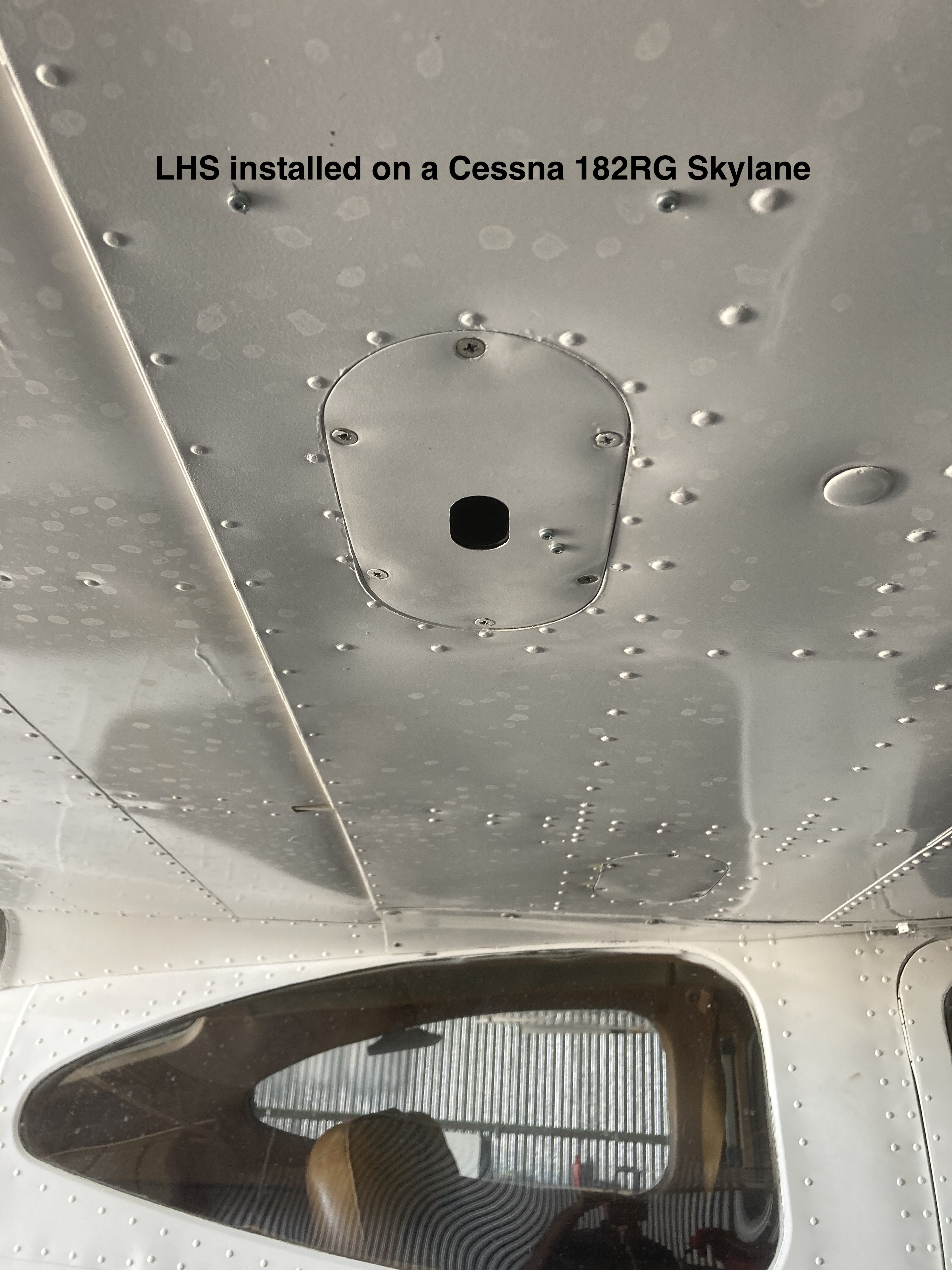
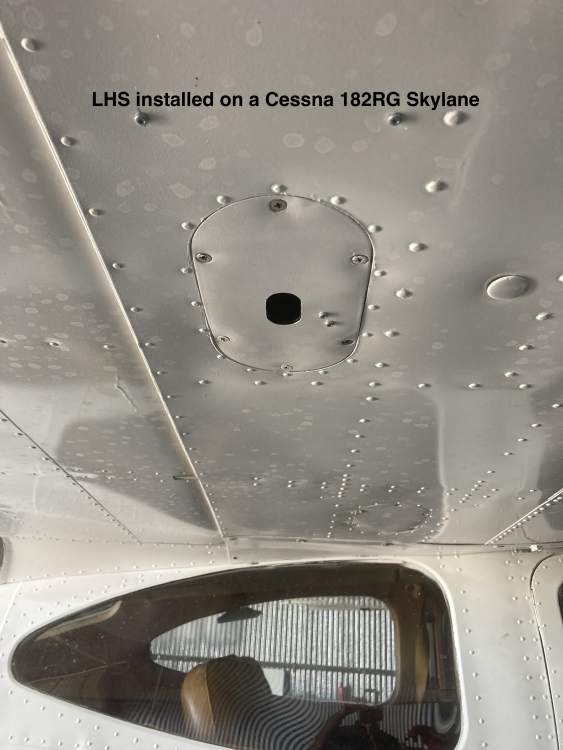
The difference between the 100ft and 70ft editions is each uses a different Laser element and of course the 100ft starts announcements at 100ft. In fact, the 100ft edition is capable of 300ft AGL surface detection but FAA won't have it! . We may plan in a year time to go back to them to ask for a higher range which would be only a firmware update. Also, the 100ft as it's a different laser element, needs a different cut-out for the access panel. The photo of the Mooney above uses the 70ft. The photo below for a 182RG uses the 100ft unit.
-
Here is a video that is not available on the site. Simulated engine out on take off. Out.mp4
-
@Don, I think I missed one question from your post; wiring harness that goes all the way to the Audio panel going to be different for each airplane and if panel is upgraded that was made. Hooking up a pin or two to the back of the Audio panel or using already unused wire (ADF wire if it an ADF unit was removed) is simple enough for most if not all installations.
-
@Bob, @Hank. Yes. I totally agree. The experimental airplanes go all the way down to 0 (touch down) and the 0 callout happens exactly at tire squeak based on all the feedback from the RV guys on VAF's. Part of the long period for the certification (2 years) was having the FAA accept low value, initially they only wanted us to go down to 20 ft similar to most of the commercial airliners. We eventually managed to get it down to 5 ft as part of the installation steps and not part of the approval letter itself. In fact, there are more than 3000 landings confirmed and reported by many of our customers on experimental airplanes that the unit is spot-on for years. So the limitation is not mentioned in the actual certification approval but only in the installation steps. The installer needs to select this option in the Wi-Fi. It's the same software as the experiential edition but limited to 1 and not 0 (zero). The Piper airplane was converted to experimental as part of the certification process so it uses the SAME software that will be shipped. We know of some users who go into the software and enable the lower limits (2 & 1), but it's something "of course" we don't normally suggest or mention, it's up to the user.
-
Thank you, Don for your interest. On the site, we mentioned delivery in January. Though we do have some units and are going to ship them directly once ready in December. The next day after receiving our approval which was just a few days ago (11/17), we got a huge demand from some schools who wanted to equip part of their fleet with the system, so they train new students to correlate between the actual height and the eyesight, and also to be used for first solo. They are taking advantage of the pre-order offer. So we are trying now to separate orders from these schools from standard personal orders and will try to squeeze in some personal orders between these bulk orders on first come, first served. We appreciate everyone's support, and understanding. We preferred to mention Jan/Feb in general just to be fully transparent. Regards Nidal
-
Thanks. The sensor used is an eye-safe Class 1 Laser, commonly referred to as LIDAR. Installation is really straightforward, unlike the experimental edition which comes in two parts (Sensor only and a control unit), the certified edition is a fully enclosed unit with everything in one case. The unit is approved to be installed above any access panel or inspection plate and comes with a quick-disconnect so it is removed along with the panel. There are 4 wires needed. Two for power (+12/28V and GND), and two for audio (Hi/Lo). Depending on the Audio channel that will be used, most audio panels take single wire audio input for some channels. An unused channel on the Audio panel can be used (such as ADF, NAV2, COM3, etc..). Keep the channel selected so it mixes with the main COM being used. The audio announcements are heard through the headset. A built-in Wi-Fi interface allows for setup of the unit installed height above ground so basically the number you hear is the height of the bottom of the landing gear from ground (rather than the height of the unit itself from ground). The Wi-Fi interface also allows seeing the reported height, changing the audio or accent for those who like a different language or accent, testing audio, and firmware update. Some customers uses AUX or music input, which will work, but some audio panels automute this channel if the main channel activates, this can be seen on the Lancair video as it is not mixing the announcements towards the end. Here is a very short video showing the proper mixing in action. Many airplanes had the ADF input which is now free to be used. The video on the Piper uses the ADF audio input always selected. Regards Nidal mix.mp4