
Microkit
-
Posts
126 -
Joined
-
Last visited
Content Type
Profiles
Forums
Blogs
Gallery
Downloads
Events
Store
Everything posted by Microkit
-
If using a “Switched” audio input, a dedicated circuit breaker or one that is Push/Pull type is not required. Even if a “Switched” input is not used, a dedicated toggle switch can be used in lieu of a dedicated circuit breaker. In the above two scenarios; a non-essential circuit breaker can be used to share the power of the unit regardless of the CB type/limit. The unit internal over-current protection is set to just above 1A. Unit uses < 200mA of peak power @12V or < 100mA Peak power @24V
-
Per the manual, if the unit is installed in an exhaust soot stream, a periodic dry wipe may be necessary. Wet wipe (water only) can also be used. Unless wet landings are accompanied by dirt/mud, some water droplets on the glass viewing window is fine. The visible black glass is not the actual laser element lens. It's a protection glass layer and also to block UV along with all light < 800 nm wavelength.
-
The external shipping box is actually the standard brown corrugated box.
-
Package box is 5" x 5" x 4".
-
Very sorry about this! I have your tracking number now and will raise it up with our UPS account rep today. It's odd they did not put it at the front door as usual, unless due to the storm! I will email you, and we won't wait till April to get you sorted. Any chance you like to watch Gold Rush and ended up with a metal detector . If you find it that way, the feeling is probably the same as finding gold. Regards Nidal
-
Yes, fly normal approach as usual. There is a relationship between the approach itself and how long the airplane stays in ground effect to lose energy for a smooth landing. Pilots who are always performing hard landings (or harder than what they prefer) could mean flaring too early, or they are forcing the airplane down out of ground effect before it wants to come down. Some may hear a higher number then touchdown, this is harder than it should be. The system skipped callout on a number because the time it took for them to touchdown was shorter than the callout duration of the previous number. Others may hear two numbers fast then touchdown very fast, in this case, there is still room for improvements. The best situation would be to hear a number, little pause, hearing another number, little pause, then touchdown. Pilots will be able to gauge and train themselves to keep the pauses between the lower-end numbers consistent. Some may take a fast glance at the airspeed at various callouts just to see if they can manage their airspeed next time.
-
I want to answer a question that keeps coming up regarding what is the best technique to use. Everyone will end up developing their own technique depending on how they are used to performing landings and their energy management during the approach. It may work that someone follows someone else's technique for the last few feet, but this means they also need to follow their technique for the approach as well, regarding indicated speed, descent rate and such. If you look at the “low approach” portion of the night video (first post of this thread), you can hear the system keep repeating certain numbers. The system is designed NOT to repeat a number if the airplane is kept at that height. At a higher range, let's say a 70’ there is a buffer of 2 feet, meaning, if you hear 70, the only way the system will repeat the 70 again if the airplane passes two feet away from 70 (72’ or 68’) and then back to 70. However, at a lower height, the buffer is only 1”. It just takes 1”-2” of height difference for the system to repeat the number. It's very common and perfectly ok for someone to hear a low number repeated twice or so before touchdown. Hearing more than that can indicate the airplane is coming in with a little of extra energy. Back to the “low approach” example, the fact the pilot kept hearing “one” several times, which is expected, because he is trying to hold “one” and it's natural to deviate just an inch. And to get the legal stuff out of the way, we don't recommend approaching below 1.3 vso (+ extra speed needed depending on wind conditions) to lower the energy, and we don't recommend that low approach maneuver, if the airplane reached within 5” of the runway, the system will not callout go-arounds as the airplane goes higher, this indicates the airplane reached 5” or lower. It goes without saying, there is a huge chance that the wheels will touch the runway, probably all three wheels, at a high engine setting while trying to keep it leveled for those who are attempting to do such a low approach maneuver. Indeed, everyone ends up with their own technique in regard to perfect landing every single time. Feedback received from many customers (flying several airplane types) shows NONE of them agreed on one common technique. Some are saying they put power to idle way before (>300’ AGL) and just flare when they hear a specific number. Others said they come in with actual power till they hear a specific number, cut power, hear another number, then prepare to flare. Some put idle at 5’, others put a 2 degrees nose up at a certain number. Users need to understand that every single landing is different, depending on runway length, approach angle, descent rate, wind conditions, obstacles before the runway, and various other factors, hence why we can't or know how to suggest a specific technique at all. I think once you have a chance to fly the system a couple of times, the above will make sense
-
Don, pls check your spam folder, a couple of emails were sent to you today 2:50 pm central.
-
Great. Thank you. It will be the default audio file now.
-
We are planning to look into this. However, several customers in EU said they are able to do it “Per registration”. When we started to receive orders from overseas for the certified LHS unit, we sent out an email reminding these customers that “so far” countries outside the US are not treating NORSEE certification similar to STC and to talk with their mechanic or EASA safety inspector about this before we ship out. They came back to us saying the shop can submit a request for the installation individually per registration (similar to a major alteration request with the FAA) and they think it will be approved for three reasons: - System is an FAA approved unit, even though not STC. - It is a simple alteration, only connecting to Audio panel and power supply with very low power consumption and with also low audio power (< 1W) - It uses a replaceable Access Panel or inspection plate for installation, so no holes or fixtures are permanently drilled into the fuselage or wings. We are happy to assist anyone overseas with any extra information requested, we encourage our overseas customers to send us an email if they need anything for the approval of their unit.
-
2’ & 24 inches. As below it it shows installed height: 0. So this is first time before initial setup which is needed. As you figured it out, when you put 0, it reset the setup value allowing you to fine tune it. now measure vertically between the glass and ground and input that number. Anything within a 1” reading, system will take the internal reading, higher difference means the unit is installed at an angle which is ok, and system triangulate and gets its own installed angle to be used subsequently. Regardless of the number you put, system will show 0 afterwards indicating that this is your 0 point reference as it is installed. EDIT: if you on ground, and you are looking at this page a s system shows 0.00. This means your installer mechanic already set it up for you and you are good to go.
-
Yes. The manual is not sent with the product. It’s only available online. If you look at the lower end of the product page itself, right above the dimensions diagram, you can find the full install manual there. Here is a direct link to it as well https://landingheight.com/wp-content/uploads/2020/12/Installation-Users-Guide-LS-100-X_A3.pdf
-
Personally, I think it won't matter to the insurance rate. Give Mr. Parker a call and ask him if you invest in a system that tells you the gear is still up when at a low air speed or low AGL, how much they will lower your rate to recoup your investment. Maybe not much or maybe just enough where you get that investment back over many, many years. And I think they are also counting on pilots installing or adding more safety systems not to just lower their insurance rate, but mainly for the extra aid or chance to save their lives and loved ones. There are probably only a handful (if not less) of underwriters for GA airplanes. You are telling them how great the system is, in their mind, they are thinking but can he guarantee the intercom will not fail, or he won't lose full electrical power, so he can still hear audio, or can he even notice the warning under high workload situations. The only way I managed to lower my full comprehensive rate by 35% on my Lancair was to get my instrument ticket, and to make sure I fly plenty of hours the last 12 months. They did not care how many added safety systems I have installed on the Lancair; Gear Safety Controller which yells and yells and then gives up on me and automatically extends the gear once speed reaches a set-speed and a full Audio warning system that converts every light or buzzer to a voice just by hooking up to the trigger of these older systems that only do light or buzzer.
-
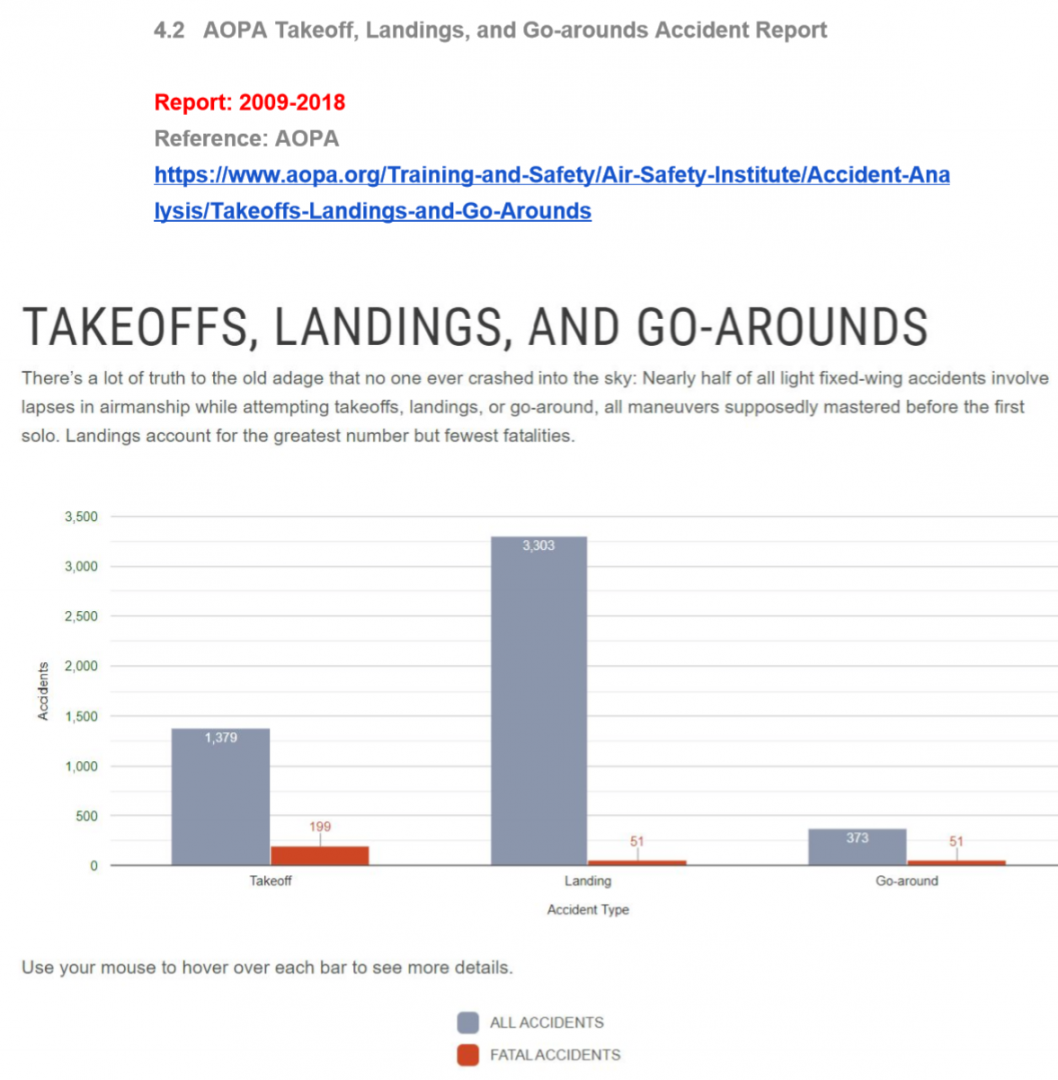
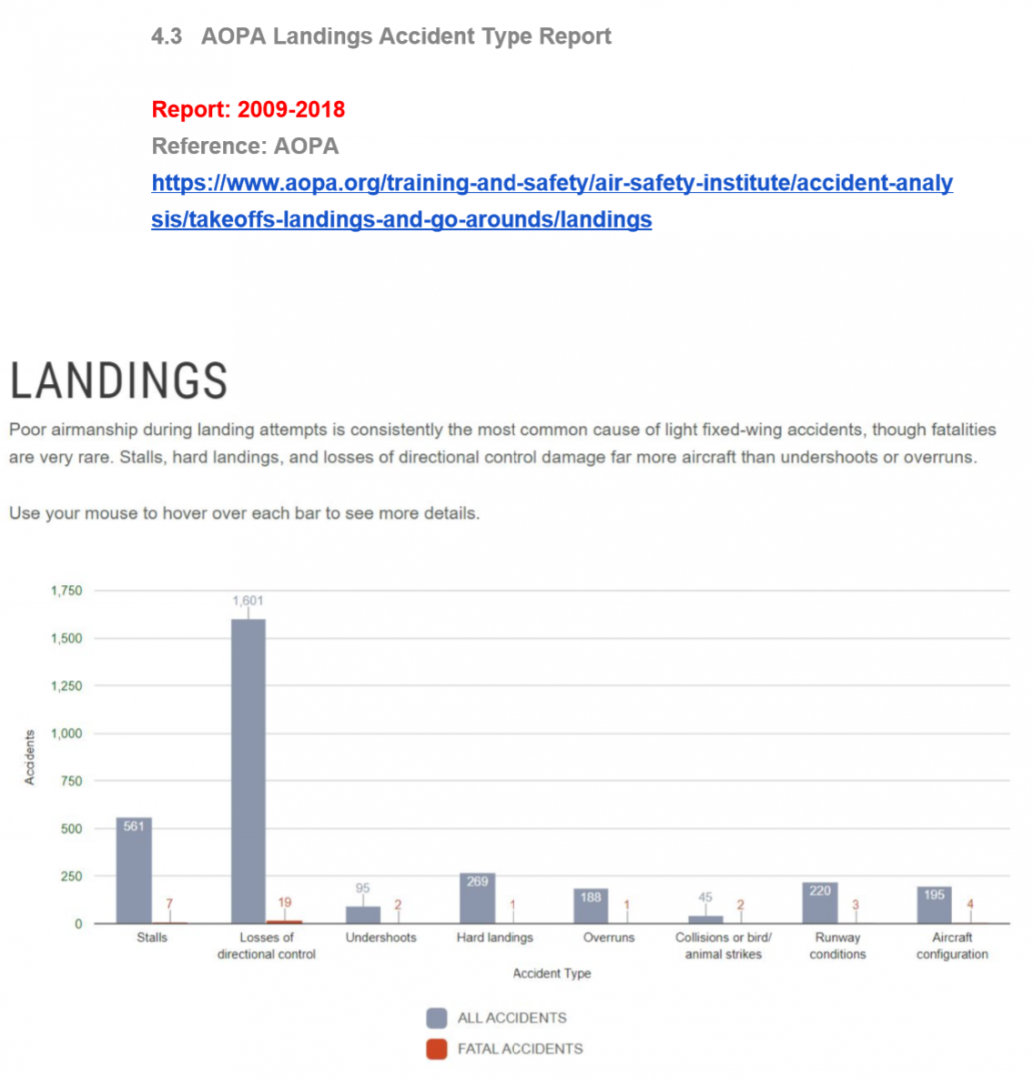
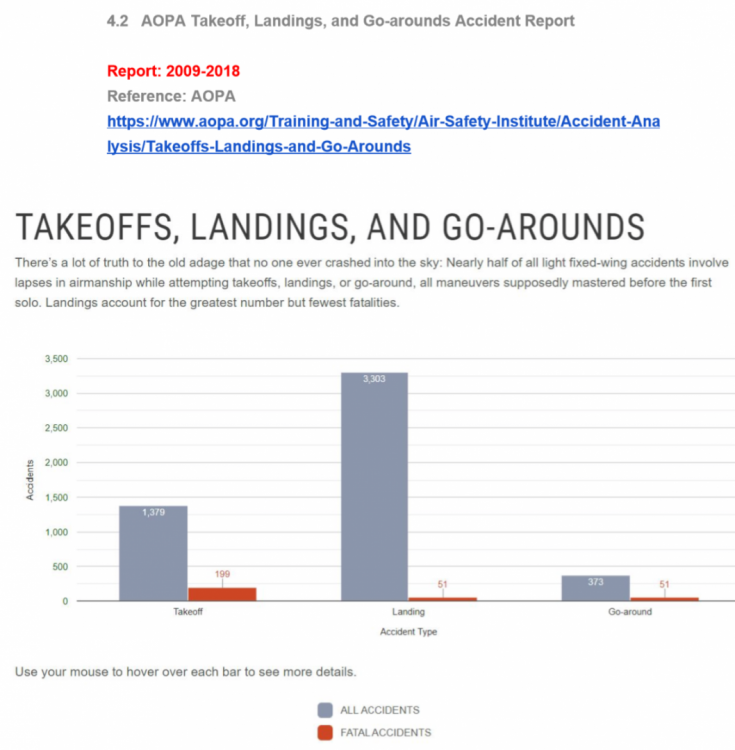
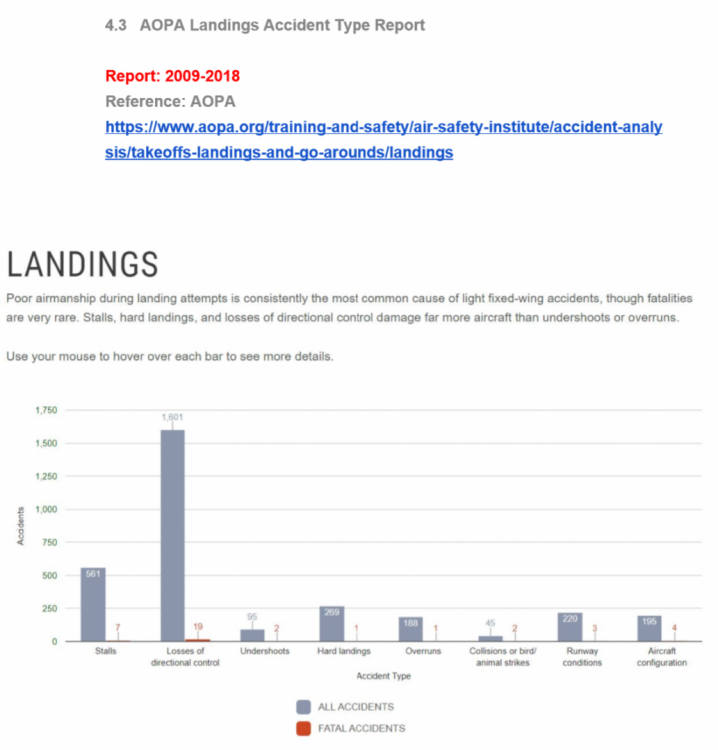
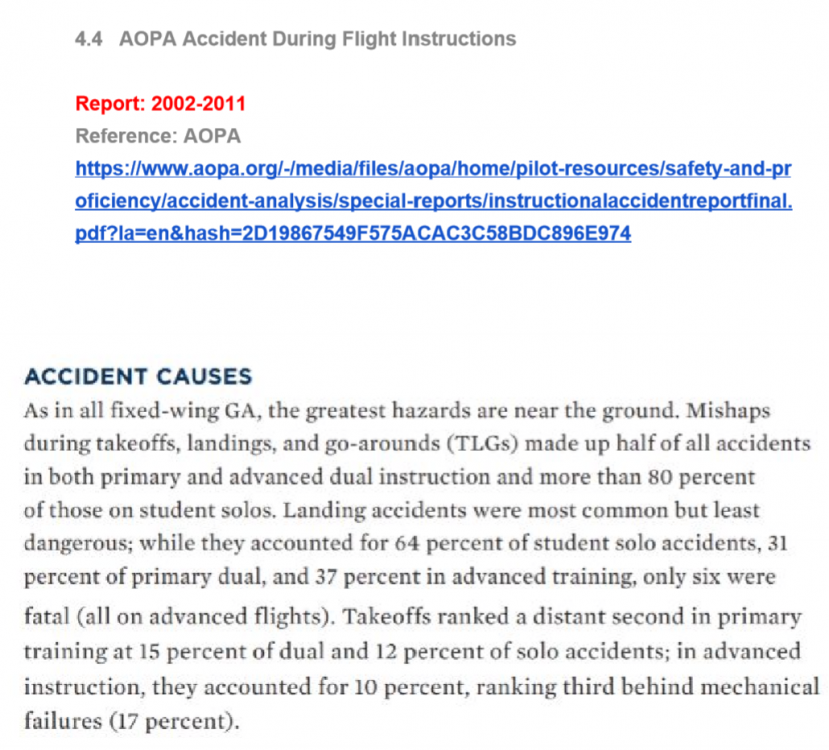
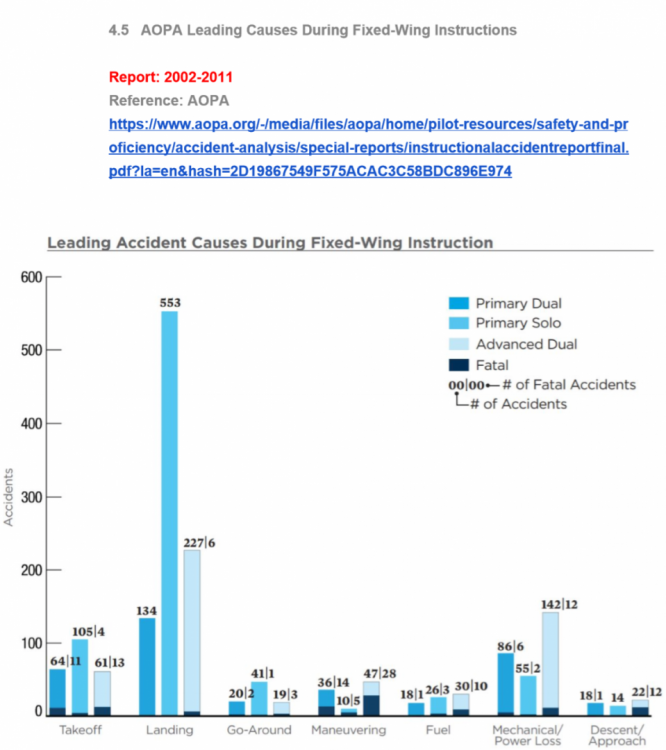
On another forum (*cough Piper cough*) some asked if there is any benefit of this system for small GA aircraft and wanted other members' opinions. At the risk of my reply sounding like a sales pitch, I shared at that form some pages of a safety evaluation study we internally prepared just as “food for thoughts”. I wanted to share it here as well as some may find it interesting reading material. First some benefits, then some actual statistics by AOPA & FAA. Runway Width/Length: Being used to a local runway of certain width then visiting an unfamiliar runway that is much wider. Also, visiting a much longer runway can also contribute to visual Illusions of being too high. FAA own document “Spatial Disorientation Visual Illusions” (spatiald_visillus.pdf) explains in detail about the effect of various runway's width/length effects to Visual Illusions. Night Landing: Especially for pilots who are not “night current” and need to gain night-currency. Visual Illusions are magnified during night landings. Confidence: Many GA pilots do not fly regularly. Long Flight: After many hours of a non-stop flight, the pilot eyes are tired from constant sky scanning. Stalls during Flare: This is a common issue with many accidents reported as shown below. Student Initial Training: Student pilots can benefit from using the system on their first few hours of training, so their eyes can get trained on the relationship between the sight picture and the reported range. A report by the AOPA (all reference mentioned) shows 3,303 landing accidents over a 9 years period. Then the report breaks down these 3,303 accidents showing 269 accidents for hard landings and more than double (561) of these are flare stalls. A different report for training flights shows student solo being a high factor for accidents during the landing phase. Hope photos of the report and graph will be clear. Regards Nidal
-
The Check Landing Gear voice reminder is not meant as a primary reminder to lower the gear, we don't want to even call it a warning. As a disclosure, several factors could make the system not announce it, LHS may skip some announcements depending on descent rate, terrain, trees and other factors. If you look at Page 3 of this post, the idea to physically connect to the gear switch to see if it's up or down is possible, pending further check with the FAA later but this could take over a year. The LHS unit got its certification without the addition of the Check Landing Gear reminder; we mentioned that we will be adding voice reminders later on, and several members here encouraged us to start the process earlier than what we initially planned. We went back to the FAA and got the system also approved for “voice reminder” only. Pilots should not rely on this or become complacent that there will be a reminder. Treat is as the LHS reminder may not happen as it is linked to the laser element 70’ trigger mark. If for any reason the 70’ trigger was rejected by our main watchdog system due to certain parameters, however, “unlikely”, the voice reminder will not be announced.
-
Thank you, Donald, for your great feedback. Its highly appreciated. Hope the new audio file is satisfactory regarding the Check Landing Gear voice reminder message.
-
Both sides of the quick-disconnect are provided. The one that mates with the aircraft wiring is 8" and prepared either for soldering or crimping with mil-spec shielded two sets of 2-core wires. We should update the photo of the product to show the 2nd cable provided.
-
We are almost there for all orders. Everything actually in place, we test each unit across the entire range fully and all pre-orders unit are fully tested, we are just waiting on our mold injection plates for our ABS case. We did some individual runs of cases to get us moving, especially with some bulk orders and trying to squeeze some personal orders that came after. We are going to have all orders prior to Dec 20th to be shipped before the end of the month. Again, we appreciate everyone's patience and understanding and do email us directly if there is a specific date you may prefer, we can work it out. Many already replied to our general email shot to all customers regarding the preparation and sent us back the questionnaire we sent. And many even told us they are not planning to get their shop/A&P to start installation till a specific date as well. By the middle of Feb, we will have over 100 units extra in stock, with all orders fulfilled.
-
Unfortunately, the launch offer expired two weeks ago (1/1). That discount was also much higher compared to what bulk & installers are getting now when ordering 5+ units at a time. Send us an email with your details please.
-
We are really still on target (Jan/Feb mark for all pre-orders) . We appreciate everyone's patience and understanding. We have been receiving many photos of installations as we are shipping out every day. Orders 20th Dec onwards are planned to be shipped first part of Feb, earlier pre-orders are scheduled before that.
-
We tested on wet, grass, and dirt/gravel runways. We expect it to work, even if a 1"-2" snow covered. As part of the certification process and showing the FAA our service history, feedback received from several customers that have been using it since 2018 mentioned slush and snow as part of their regular flying.
-
Laser sensors do not work well over water. Yes, crystal clear water surface is a challenge, especially when no side reference (such as shoreline or trees) is seen with peripheral vision. We do have a different unit that works for water and uses an ultrasonic element, but for experimental airplanes only.
-
We are shipping out every day. Still on target. Expect 85% of pre-orders to reach destination last week of this month. New orders placed 20th Dec onwards are also on target for delivery early February.
-
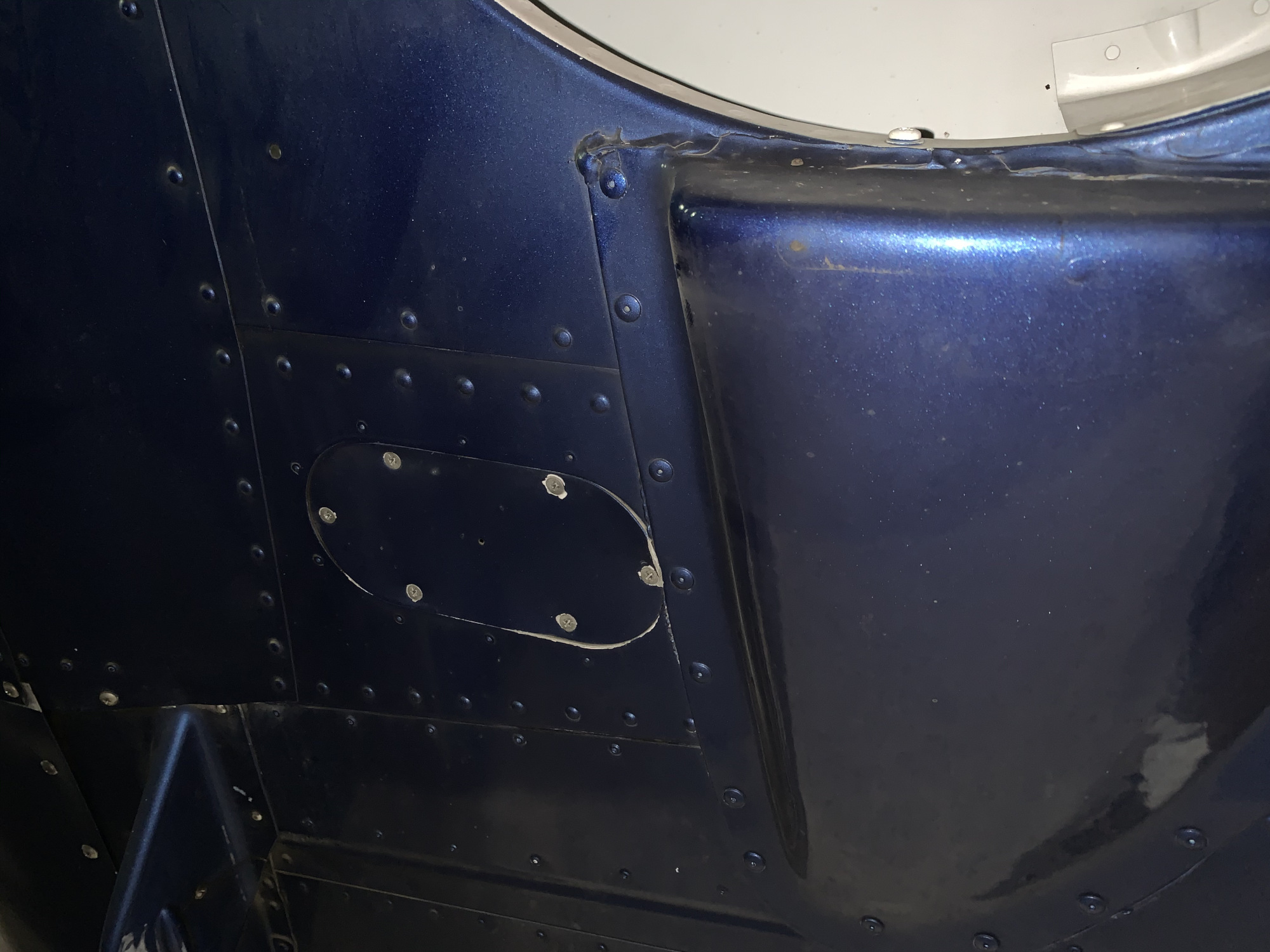
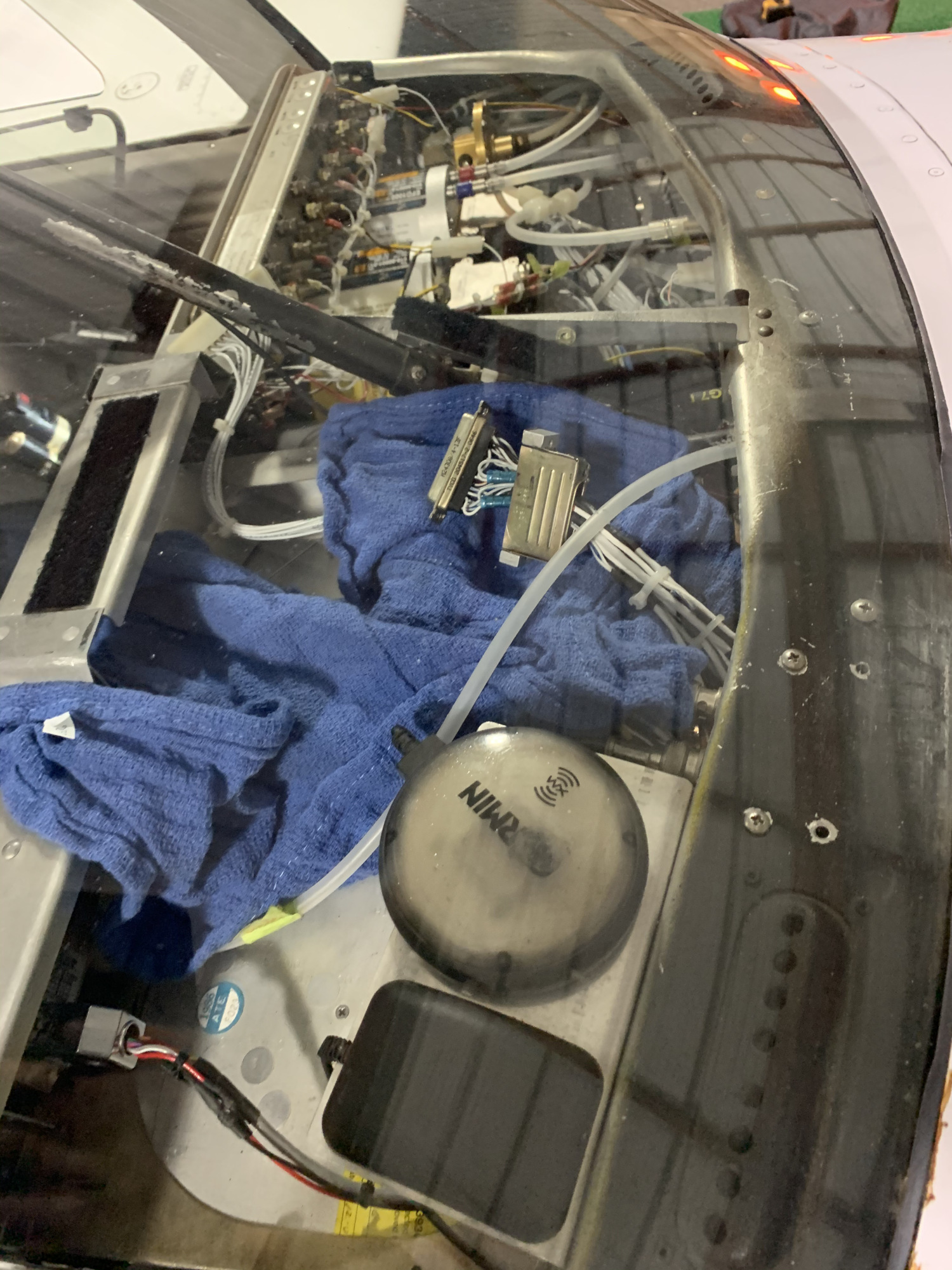
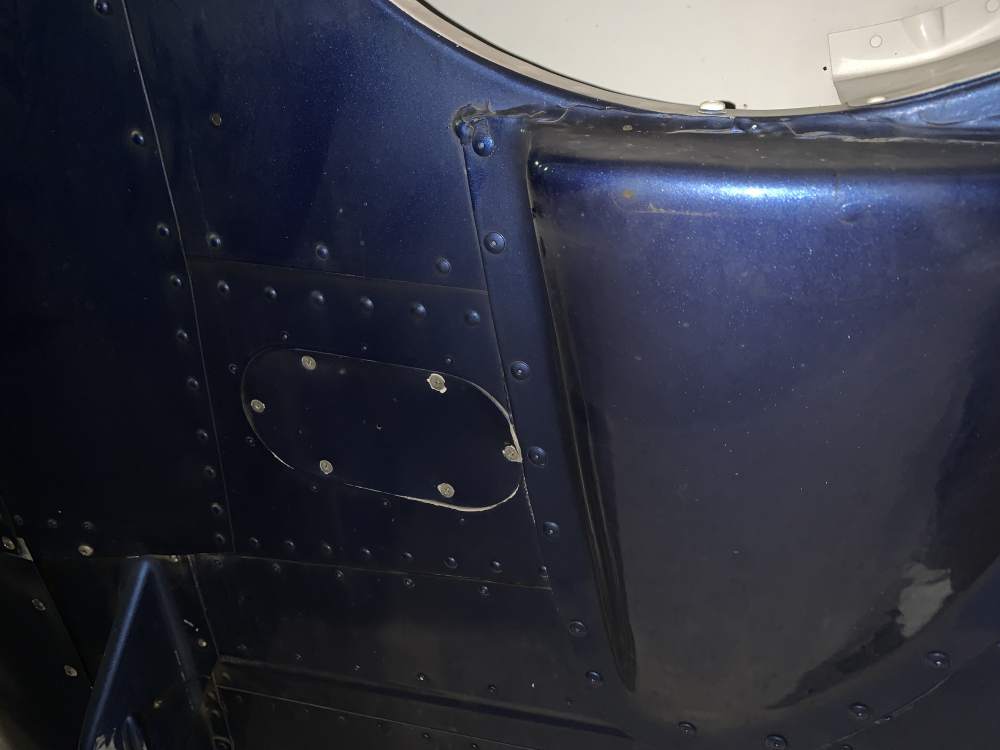
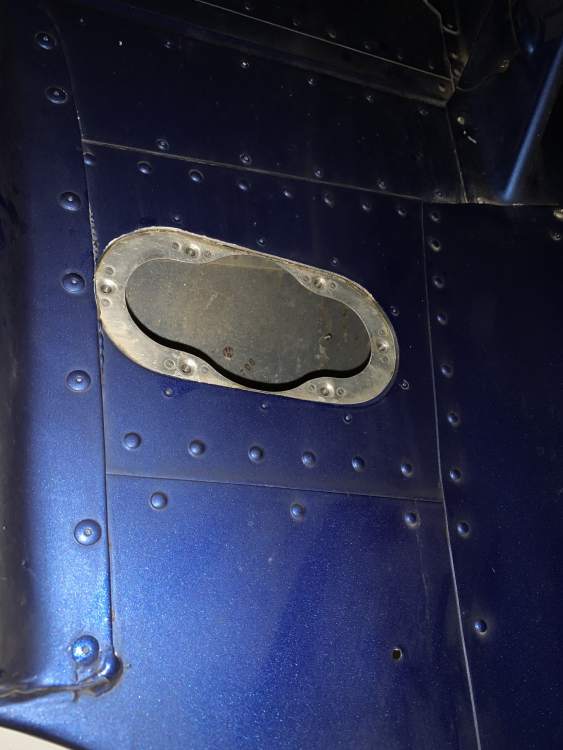
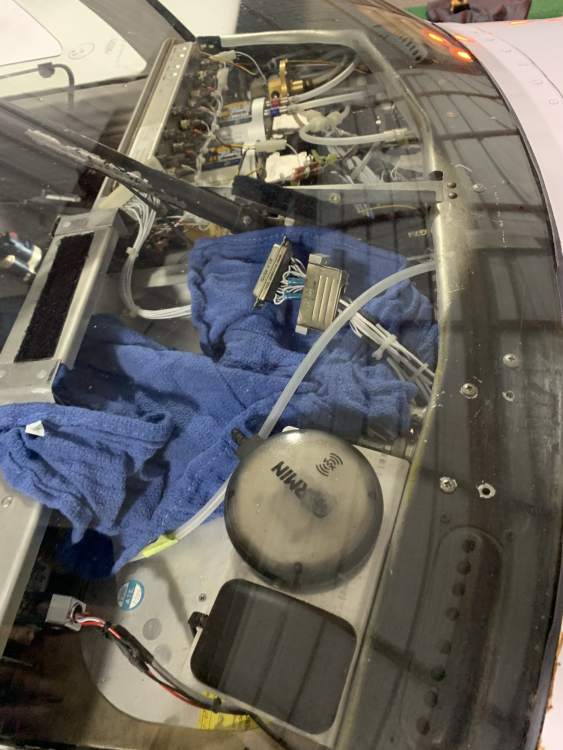
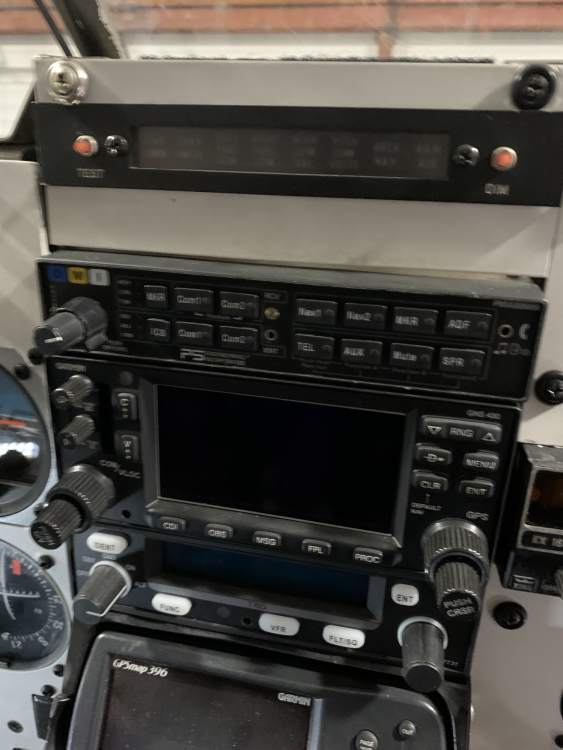
We just received some feedback and photos from a Mooney owner (he is also an A&P) who finished his installation for the LHS. His feedback: Mooney M20J (1981) with PMA8000B Audio Panel. "Even though you can see tons of access panels under the wings of the M20J, the most suitable and direct location is an access panel aft of the gear well. Port (left) side is better, as it's the opposite side of the exhaust and new wires can follow the existing wires already routed to the back as seen on the pilot side panel. Reaching the audio panel J1 plug is straightforward by removing the glareshield. I am using the ADF “Switched” input. From the PMA8000B Installation manual, I’ve guessed that the ADF Audio LO (Pin 8) is internally grounded. When I pulled the unit out, I confirmed this by using a “continuity” test on my ohmmeter and indeed, Pin 8 is grounded to the outside frame/case of the unit. So only Pin 7 (ADF Audio IN) crimp pin is required. Once this pin was inserted and before routing the wires to the back, I tested the Audio by hooking up the unit to aircraft power and connecting to the unit’s Wi-Fi on my iPad. Audio test worked perfectly. I was able to rotate the unit while in hand, pointing it to the walls or nearby objects and seeing the distance reported on Wi-Fi while doing that. I initially tried to use a 9V battery, but Wi-Fi was not seen, it seems I need a brand new/fresh 9V battery, and probably a high-capacity one as most standard 9V batteries are 100mAh which is not enough juice to kick on the unit. Using the 12V hookup from my airplane worked directly. Work estimate; it took me a while to open up various access panels and check how to route the wires, but once I found a suitable one; my work estimate would be: 1 hour to remove the seats/glareshield/pilot side panel. 1 hour to attach wire to the Audio panel / Power and route them to place. ½ hour to drill/prepare the access panel. So 2-3 hours is a good estimate"
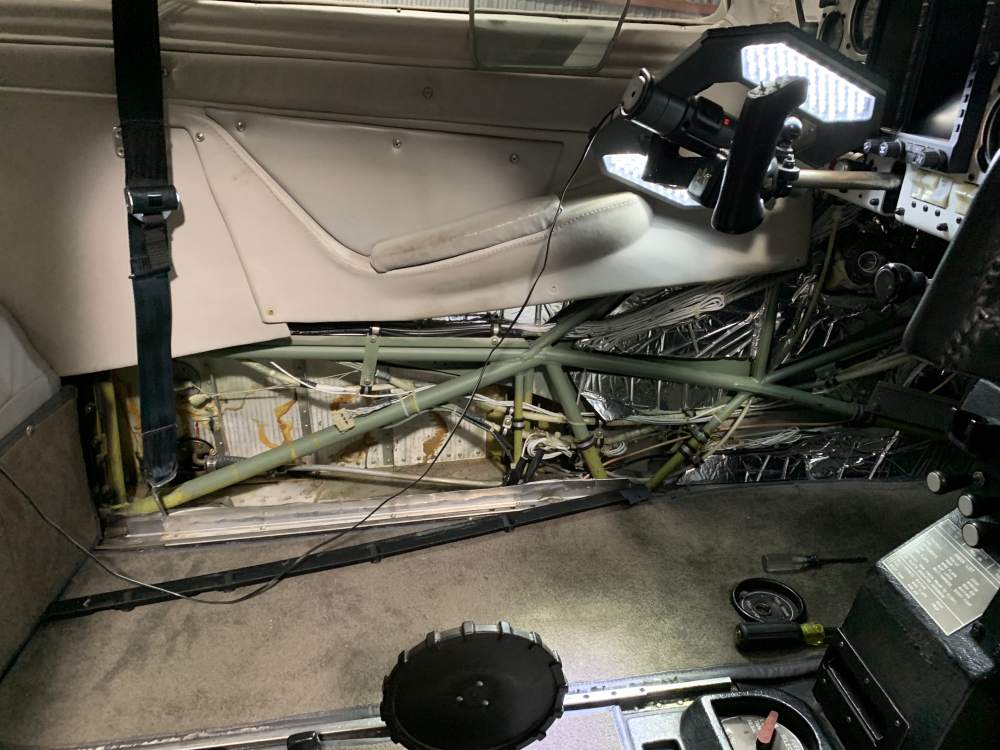
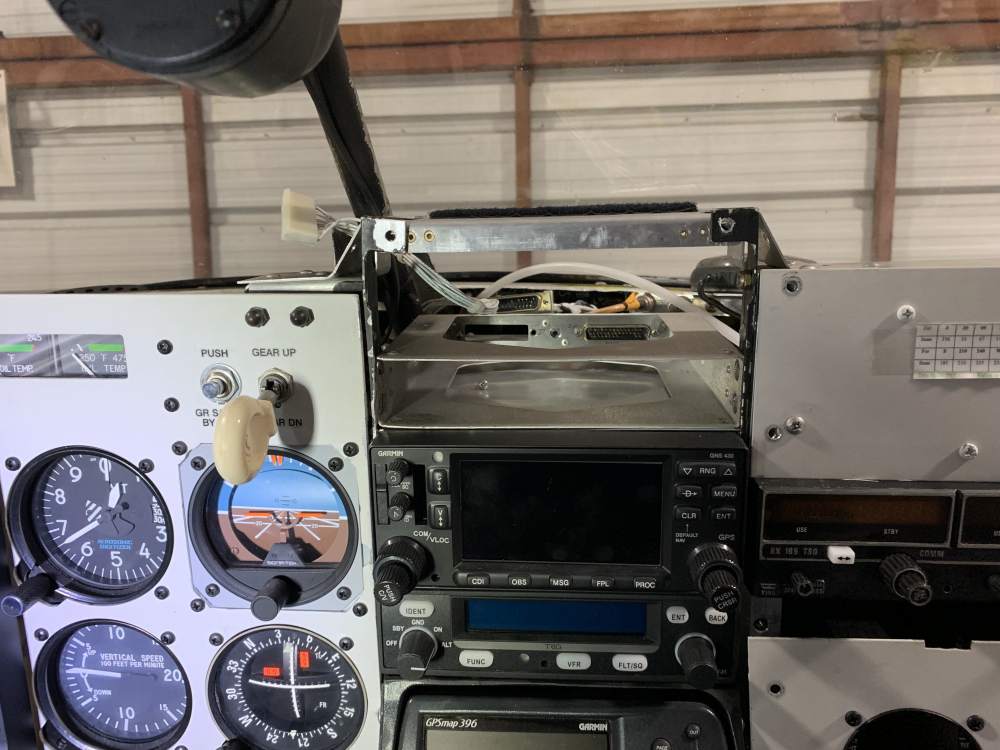
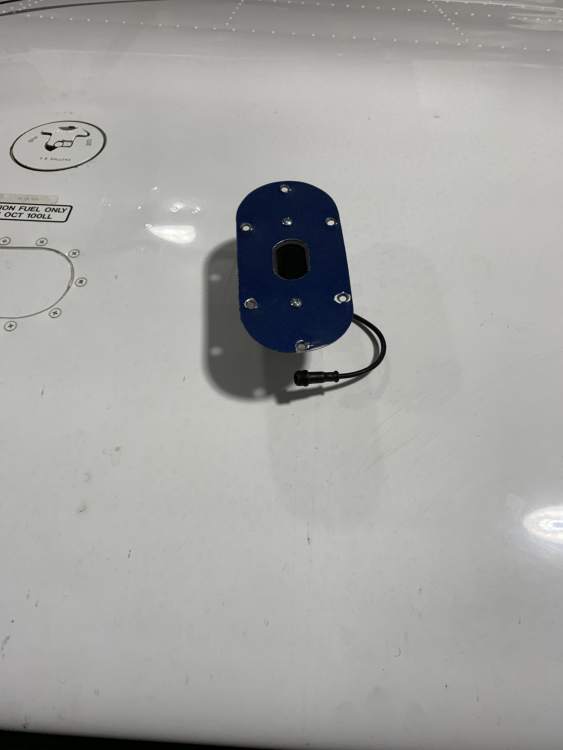
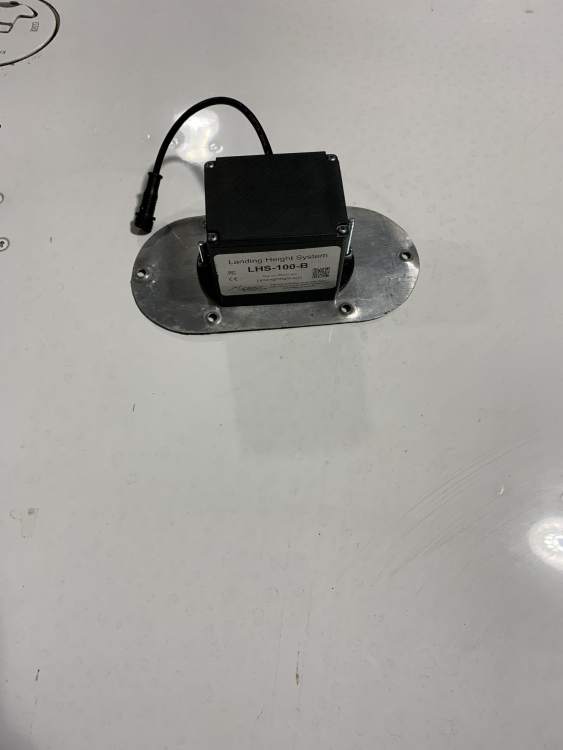
-
Thank you. Adding to this exact unit won't be possible. Though, for sure we are planning sometime early next year to talk to the FAA about the possibility of a newer unit. Using the same mounting and unit dimensions. So it will be a simple swap for those who already bought this one, with a very minimal swap fee, most probably < 10% of the current value to swap to a newer unit which adds a wire sensor to the Gear-Up Switch side. A re-designed circuit board, testing and certification process needs to be done on that board along with its software certification, and a 5-pin connector will be used to add the extra wire input. To be clear, this potential newer unit that connects physically to the Gear-Up Switch could not be approved under NORSEE, or may take a year or two to get it approved. We expected we would get the current unit approved in 6 months, but took two years. We expected to get the “Check Landing Gear” reminder to be approved in two months, but it took one week! The certified units currently shipping uses a female voice for the announcements, and a male voice for the Check Landing Gear. Though I can't say anything about being a sexy voice or not . Once we complete our first phase by February, then we will be able to accommodate custom requests for those who would like to send in their own voice files or like to have a different language, or accent even.